Disclosure: As an Amazon Associate, we earn from qualifying purchases. If you click a link on this page and make a purchase, we may receive a small commission at no extra cost to you.
A blocked torch tip, carburetor jet, or other small opening can turn a simple maintenance job into a frustrating one. The WILLBOND Torch Tip Cleaner Tool Kit gives you several stainless steel cleaning sizes in a compact case, so you can work on narrow passages without carrying a full bench setup. Its main strengths are the 0.4 mm to 1.6 mm wire-file range and portable storage. Its main limitation is that you must choose the size carefully because forcing a cleaner into a soft or precise opening can cause damage.
Quick Verdict
Rating: 8/10
Best For: DIY maintenance, welding-tool care, small-engine cleaning, and compact backup storage
Bottom Line: The broad wire-size range and compact aluminum case make this kit useful for routine cleaning of small openings. It is less suitable when you need calibrated reaming, confirmed fit for a delicate jet, or replacement wires sold one at a time.
| Specification | Detail |
|---|---|
| Brand | WILLBOND |
| Product | Torch Tip Cleaner Tool Kit |
| Amazon ASIN | B089B2FBCN |
| Product type | Small-orifice and nozzle cleaning kit |
| Included cleaning tools | Two tip-cleaner tools and 13 wire files |
| Cleaner lengths listed | 3 inches and 5 inches |
| Wire-file diameter range | 0.4 mm to 1.6 mm |
| Material | Stainless steel cleaning pieces |
| Storage | Lightweight aluminum carrying case |
| Article-supported uses | Torch nozzles, carburetor jets, camping stoves, air tools, and other small openings |
| Care | Clean after use, dry fully, inspect for wear, and store away from moisture |
Key Takeaways
- The 13 wire files cover diameters from 0.4 mm to 1.6 mm, giving you several choices for narrow passages.
- Stainless steel cleaning pieces resist ordinary wear better when you clean and dry them after use.
- The aluminum case keeps the small files together and makes the kit easier to carry in a toolbox, vehicle, or workshop drawer.
- The kit can help remove deposits, but it does not replace correct diagnosis, disassembly, or calibrated jet tools.
What Is the WILLBOND Torch Tip Cleaner Tool Kit?
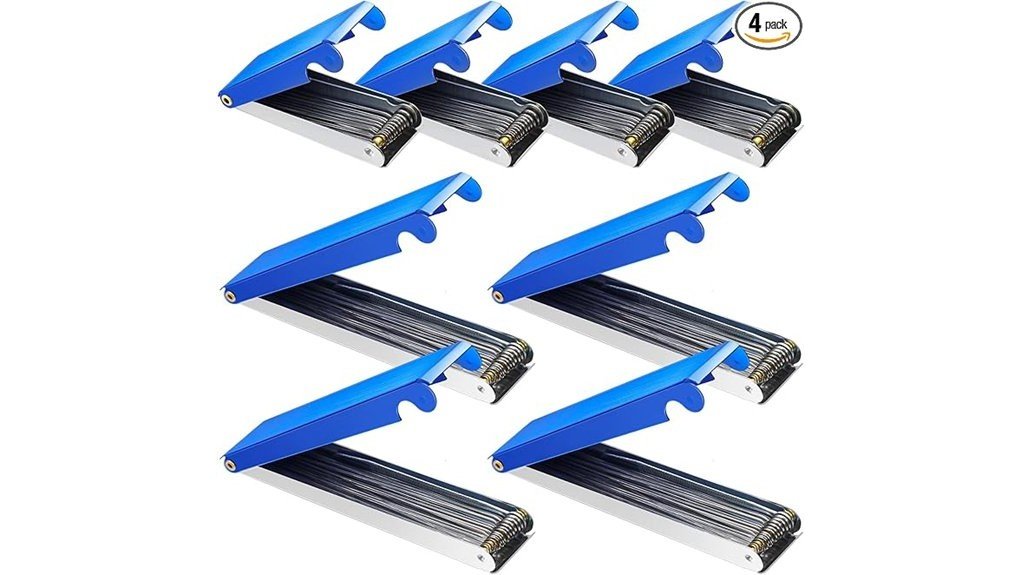
The WILLBOND kit is a compact set of narrow cleaning tools designed for torch tips, carburetor jets, and similar openings. The article lists two tip-cleaner tools, 13 wire files, 3-inch and 5-inch cleaner lengths, and wire diameters from 0.4 mm through 1.6 mm.
You use the files to loosen residue inside an opening that is large enough for the selected wire. The included aluminum case matters because the files are small, easy to misplace, and more useful when they remain sorted and protected between jobs.
Who Should Buy It?
Best For
- You maintain cutting-torch tips or other small metal nozzles.
- You clean carburetor jets on motorcycles, ATVs, lawn equipment, or similar small engines.
- You want a compact range of wire sizes for a workshop, vehicle kit, or occasional household task.
Skip If
- You need a calibrated reamer or a manufacturer-specified service tool.
- You cannot confirm that one of the listed diameters fits your opening without force.
- You need guaranteed access to individual replacement wires or verified package details before buying.
Before You Buy: Confirm the current package contents and size range on the seller page. Small jets and soft metal openings can be damaged if you force in a wire that is too large.
Features and Design
Stainless Steel Cleaning Pieces
The stainless steel construction gives the cleaners a firm surface for working through light residue. It also makes routine care simple because you can wipe the tools clean, dry them, and return them to the case.
Stainless steel does not make the files indestructible. Thin cleaning wires can bend, wear, or pick up debris, so you should inspect each one before inserting it into a precise opening.
Thirteen Wire Sizes From 0.4 mm to 1.6 mm
The 13-file range is the most useful part of the kit. It gives you multiple diameter choices instead of making you rely on one general-purpose needle. That helps when you work on different torch tips, carburetor jets, or small passages.
The range still does not confirm fit for every nozzle. Start with a cleaner that is smaller than the opening, test it gently, and move up only when the fit is clear. The tool should remove residue, not reshape the passage.
Three-Inch and Five-Inch Cleaner Lengths
The listed 3-inch and 5-inch lengths give you a choice between close control and extra reach. A shorter tool may feel easier to guide near the surface, while a longer tool may help when the opening sits deeper inside an assembly.
Length alone does not make a cleaner suitable for a passage. You still need the correct diameter, a straight approach, and enough access to avoid bending the wire against the side of the opening.
Compact Aluminum Carrying Case
The aluminum case provides organized storage for the small pieces. This is useful when you move between a garage, jobsite, vehicle, or storage shed because loose files can disappear quickly inside a large toolbox.
For best storage, return only clean and dry tools to the case. Trapped residue or moisture can shorten the useful life of the kit and make the files harder to identify the next time you need them.
Applications and Compatibility
The article supports use on torch nozzles, carburetor jets, camping-stove openings, air-tool passages, and some small household openings. This range makes the kit more flexible than a single-size cleaner, especially when your maintenance work covers several types of equipment.
Compatibility depends on diameter, material, access, and the equipment maker’s service instructions. You should not assume that every wire is safe for every opening simply because it fits inside.
| Use Case | Why the Kit May Help | Main Caution |
|---|---|---|
| Torch tips and nozzles | Several wire sizes can loosen deposits in narrow openings. | Shut off the gas supply and work only on cool equipment. |
| Carburetor jets | Small files may reach dried residue inside removable jets. | Do not enlarge or scratch a precisely sized jet. |
| Camping stoves | Compact storage suits occasional field or garage maintenance. | Follow the stove maker’s cleaning and fuel-safety instructions. |
| Air tools and household openings | The diameter range can help with accessible small passages. | Confirm that metal cleaning wires will not damage the surface. |
How It Performs in Real Use
For Routine Torch-Tip Maintenance
The kit gives you a quick way to check several cleaner sizes when a torch tip shows visible buildup. The compact files are easier to keep near your welding equipment than a larger service kit. Results will depend on the type of deposit and whether the tip is only dirty or already worn or damaged.
For Small-Engine Carburetor Work
The narrow files may help when a removable carburetor jet contains light debris. You gain more size choices than you would with one needle, but you also need more care. A jet is a precision opening, so gentle cleaning is safer than scraping or forcing the wire.
For Travel, Field, or Vehicle Storage
The aluminum case keeps the small parts together and makes the kit practical as a backup tool. It can fit alongside basic maintenance supplies without taking much room. You should still keep it dry and separated from loose dirt, fuel residue, and other items that could contaminate the files.
For Long-Term Ownership
The kit should remain more useful when you clean it after every job and inspect the wires before reuse. Bent, rough, or heavily worn files should not go into a delicate opening. Long-term value depends as much on careful storage and correct sizing as it does on the stainless steel material.
How to Use It Correctly
- Make the equipment safe. Shut off fuel, gas, air, or power as required, let hot parts cool, and follow the equipment manual.
- Remove the part when appropriate. A removable jet or tip is often easier to inspect and clean without pushing debris deeper into the system.
- Choose a smaller wire first. Test the fit gently and never use force to make a cleaner enter the opening.
- Use short, controlled strokes. Work straight through the passage when possible instead of bending the file against the sides.
- Clear loosened debris. Use the cleaning method approved for the equipment, then inspect the opening again.
- Clean and dry the tool. Remove residue from the wire before placing it back in the case.
Pro Tip: Begin with the smallest plausible wire and keep the tool aligned with the passage. If the file catches, bends, or needs pressure, stop and confirm the correct size before continuing.
Compatibility and Safety
Wear suitable eye protection and work in a clean, ventilated area when you service fuel, gas, or pressurized equipment. Disconnect the relevant supply and allow hot parts to cool before cleaning. Do not use a wire file while a torch, stove, engine, or air tool is operating.
The kit is a cleaning accessory, not a diagnostic tool. If an opening remains blocked, a flame pattern stays irregular, fuel flow is unstable, or a part appears damaged, stop and follow the equipment maker’s service process or consult a qualified technician.
Durability and Maintenance
Stainless steel helps the cleaning pieces handle repeated contact with residue, but thin files still need careful handling. Avoid side pressure, twisting, and storage while wet. Those habits reduce bending and help the files keep a smoother surface.
- Wipe or rinse away residue using a method that is safe for the material you cleaned.
- Dry every tool before closing the aluminum case.
- Inspect for bends, rough spots, corrosion, or trapped debris.
- Keep the files arranged so you can compare sizes before use.
- Replace a damaged cleaner instead of trying to straighten it for a precision opening.
Pros and Cons
Pros
- Thirteen wire files cover a useful 0.4 mm to 1.6 mm diameter range.
- Stainless steel construction supports repeated cleaning with proper care.
- Three-inch and five-inch lengths give you options for control and reach.
- The aluminum case keeps small pieces organized and portable.
- The kit supports several article-listed tasks, from torch tips to carburetor jets.
Cons
- The size range may not match every nozzle or precision jet.
- Incorrect sizing or force can scratch, enlarge, or damage a soft opening.
- Separate replacement wire availability is not confirmed.
Is It Worth the Price?
This kit belongs in the basic maintenance-tool tier rather than the precision service-tool tier. Its value comes from putting several wire diameters, two cleaner tools, and organized storage in one compact package. You may get the most value if you maintain more than one type of nozzle or small engine and would otherwise buy several separate cleaners.
It is worth considering when you need a portable set for light deposits and routine upkeep. It is not the best fit when your work requires calibrated reaming, guaranteed replacement parts, or a tool specified by the equipment manufacturer.
How It Compares to Alternatives
A basic folding torch-tip cleaner is usually smaller and simple to carry, but it may give you fewer clearly separated size choices. A micro drill-bit or reamer set can remove tougher deposits, yet it also carries a greater risk of cutting or enlarging a soft jet when used without the correct specification.
Compressed air or an approved cleaning solution may be better for loose debris, especially when the equipment maker warns against inserting metal tools. The WILLBOND kit makes the most sense when you want a compact mechanical cleaning option and can confirm the correct diameter before use.
Frequently Asked Questions
What can the WILLBOND Torch Tip Cleaner Tool Kit clean?
The article lists torch nozzles, carburetor jets, camping-stove openings, air-tool passages, and other small orifices. Actual compatibility depends on the opening size, material, access, and equipment instructions.
What wire sizes are included?
The article states that the 13 wire files range from 0.4 mm to 1.6 mm in diameter. Confirm the current seller listing before purchase because package details can change.
Can you use it on carburetor jets?
You can use a correctly sized wire on an accessible jet when the equipment instructions allow mechanical cleaning. Start small, work gently, and stop if the wire needs force because enlarging a jet can change fuel flow.
How do you clean a torch tip safely?
Shut off the gas supply, let the tip cool, and follow the torch maker’s service instructions. Use a wire that enters without force, keep it aligned with the opening, and wear suitable eye protection.
How should you clean and store the files?
Remove residue after each job, dry the files fully, and inspect them for bends or rough spots. Return them to the aluminum case only when they are clean and dry.
Can you buy replacement wire files separately?
Separate replacement availability is not confirmed in the source article. Check the current seller page, and avoid reusing a bent or damaged file in a precision opening.
Is this kit suitable for professional work?
It can serve as a compact maintenance or backup set when its sizes match the job. It should not replace calibrated tools, manufacturer-required service equipment, or professional diagnosis when a nozzle or jet is worn or damaged.
The Bottom Line
The WILLBOND Torch Tip Cleaner Tool Kit is a sensible choice when you want several stainless steel wire sizes and compact storage for routine nozzle and jet cleaning. Buy it for light maintenance and portability, but skip it when you need calibrated reaming, exact replacement support, or guaranteed compatibility with a delicate opening.