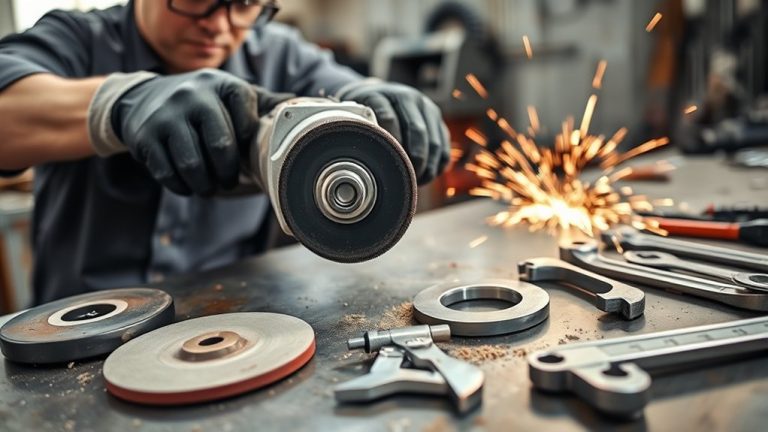
Wire wheel throwing wires happen when bristles detach at high speeds, creating serious safety hazards. Causes include incorrect tool selection, mismatched RPM ratings, and excessive pressure. To minimize risks, choose the right wire brush, inspect it regularly for damage, and maintain appropriate speed and pressure during use. Always wear proper personal protective equipment to safeguard yourself. Understanding these factors is essential for safe operation; there’s more to explore regarding effective prevention and best practices.
Understanding Wire Wheel Throwing Wires: What Are They?
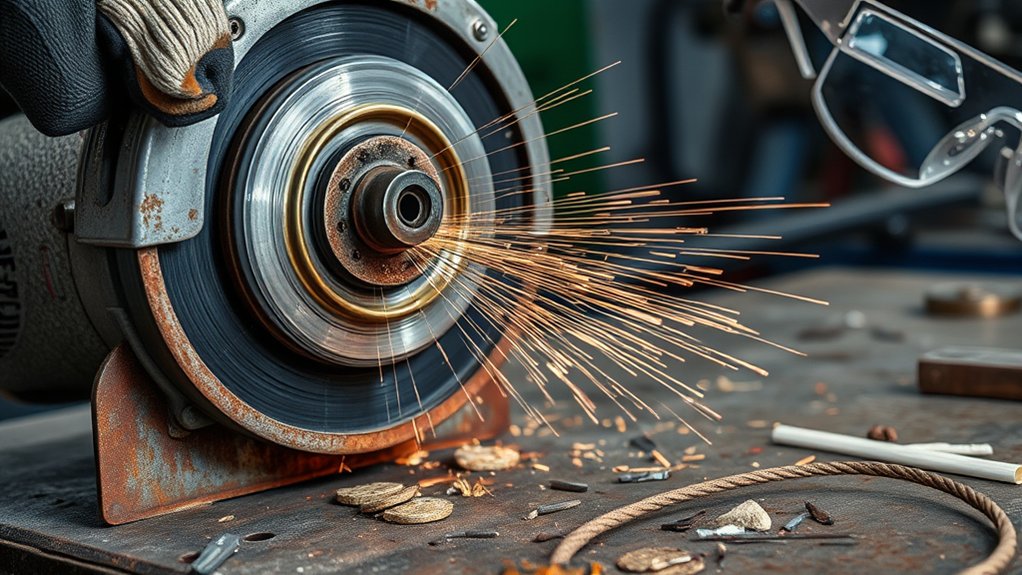
Wire wheel throwing wires refer to the dangerous phenomenon where individual wire bristles detach from a wire wheel at high speeds. This occurrence poses significant safety risks not just to you, but also to bystanders. Wire brushes wear over time, and using the wrong product exacerbates the issue. When you select a brush that doesn’t match your specific application, you increase the likelihood of wire breakage. Excessive pressure and incorrect speed settings can further destabilize the wheel, leading to an unbalanced situation that heightens vibration and promotes additional wire loss.
To mitigate these risks, adhere to essential safety tips: regularly inspect your wire brushes for damage, and verify they’re mounted correctly. Choosing the right wire diameter and brush style tailored to your task will enhance both safety and performance. By embracing these practices, you empower yourself to work efficiently while minimizing hazards associated with wire wheel throwing.
Common Causes of Wire Wheel Throwing Wires
When using wire wheels, incorrect tool selection can lead to significant issues, including wire breakage and imbalance. If you apply excessive pressure during operation, you not only risk damaging the brush but also increase the likelihood of wires being thrown. Understanding these causes is essential for effective and safe wire wheel usage.
Incorrect Tool Selection
Selecting the right tool is critical to preventing wire wheel throw incidents, as using incompatible wire brushes can greatly increase the risk of thrown wires. Incorrect tool selection can lead to mismatched RPM ratings, causing imbalance and wire breakage. Additionally, using a wire brush with an unsuitable diameter can exacerbate these issues, while the choice between crimped and knot wire affects wire brush performance considerably.
| Issue | Consequence |
|---|---|
| Mismatched RPM ratings | Increased risk of thrown wires |
| Incorrect diameter | Imbalance leading to breakage |
| Wrong brush style | Insufficient aggression and pressure |
Adopting safety best practices guarantees ideal performance and minimizes hazards. Choose wisely to safeguard yourself and others.
Excessive Pressure Application
Although it may seem counterintuitive, applying excessive pressure while using wire wheels can actually hinder your cleaning efforts and increase the risk of wire breakage. Operators often believe that more pressure leads to faster results, but this can dull abrasive grains and generate heat, decreasing efficiency and tool lifespan. Monitoring RPM can help you identify when you’re applying too much pressure, indicating a need for adjustment to avoid overheating and damage. Selecting the right wire diameter is essential; finer wires are prone to breakage under excessive pressure, while thicker wires may compromise effectiveness. Ultimately, let the tool do the work, adopting proper techniques to enhance safety and minimize the risks associated with wire throwing.
The Safety Risks Associated With Thrown Wires
When working with wire wheels, you need to be aware of the safety risks associated with thrown wires. Improper brush types and excessive pressure can lead to wire breakage, while an out-of-balance wheel heightens this risk. Implementing safety precautions and best practices can markedly reduce the likelihood of accidents.
Common Causes of Thrown Wires
Thrown wires pose significant safety risks, primarily stemming from improper product selection and application. One common cause is using an inappropriate wire diameter for the task, which can lead to premature wear and increase the likelihood of thrown wires. Additionally, operators often apply excessive pressure due to insufficient aggression in the brush, causing the wires to bend and become fragile. This fragility heightens the risk of breakage at high speeds. An out-of-balance wheel can further exacerbate these issues, intensifying the danger to both operators and bystanders. Regular inspection and maintenance of wire brushes are essential to prevent these risks, ensuring that you maintain peak performance and safety during operation.
Safety Precautions to Implement
To guarantee safety during wire wheel operations, it’s crucial to implement specific precautions that address the risks associated with thrown wires. By adhering to proper techniques, you can greatly reduce potential hazards. Consider these safety measures:
- Use the correct brush type for your specific task to prevent wire breakage.
- Inspect wire brushes regularly for damage, focusing on loose or broken wires.
- Maintain operational speeds that align with the brush’s RPM rating to prevent slips and wire failure.
- Apply moderate pressure during operation to avoid bending or breaking brush wires.
Best Practices for Prevention
Implementing best practices is essential for minimizing the safety risks associated with thrown wires during wire wheel operations. Start by using the appropriate wire diameter for your tasks to reduce wire breakage and maintain balance. Employ proper technique by applying light pressure and maintaining the correct angle, which prevents bending and weakening of wire filaments. Regular inspection of wire brushes is vital; check for loose or broken wires to considerably mitigate risks of fragmentation. Additionally, confirm the RPM rating of the wire brush matches or exceeds the tool’s RPM to avoid imbalances and vibrations that could lead to thrown wires. By prioritizing these practices, you enhance operator safety and create a safer working environment.
Inspecting Wire Brushes for Damage Before Use
Before you start using a wire brush, it’s vital to inspect it thoroughly for any signs of damage. This inspection can prevent loose wires from detaching during operation, which poses significant safety hazards. Here are key points to check:
- Look for loose, bent, or broken wires.
- Confirm the brush is mounted correctly on the tool to prevent imbalance.
- Verify that the tool speed aligns with the brush’s recommended rotation limit.
- Check for signs of wear, like fraying wires or uneven bristle lengths.
Conducting quick visual inspections before each use is essential. Identifying any damage early can prevent personal injury and tool malfunction. By diligently inspecting wire brushes, you can maintain both safety and efficiency in your work. Prioritize this step, and safeguard your operations against potential risks.
Choosing the Right Wire Brush
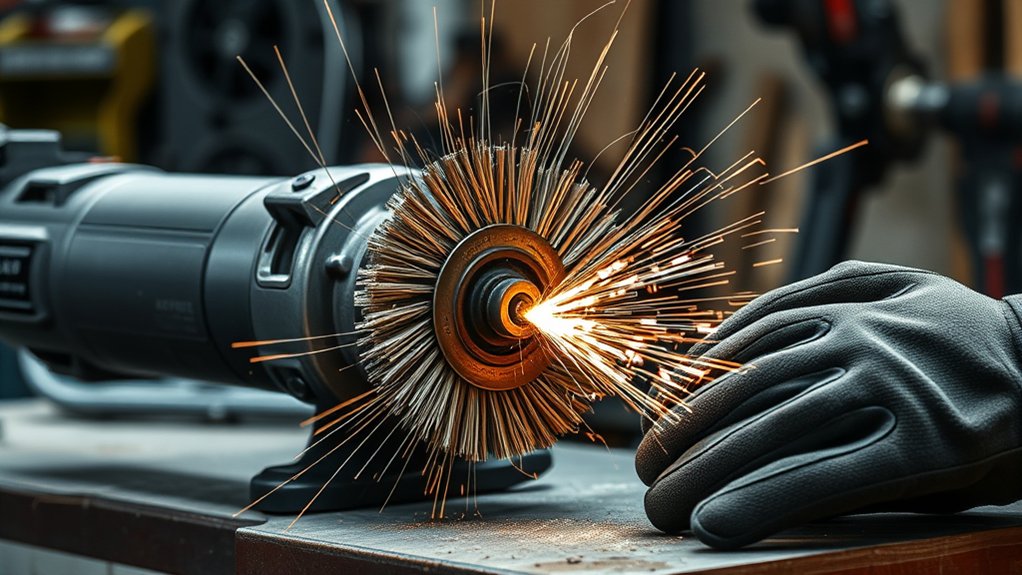
Choosing the right wire brush is critical for achieving ideal results. You need to take into account the type of wire brush, its compatibility with the material, and the proper sizing guidelines to guarantee effective cleaning and reduce the risk of wire breakage. By aligning these factors, you can enhance both safety and performance during your tasks.
Wire Brush Types Available
When selecting the right wire brush, understanding the various types available is essential for achieving ideal results in your projects. Each wire brush type serves a unique purpose, ensuring you can tackle different tasks efficiently:
- Crimped wire brushes: Perfect for gentle cleaning and finishing.
- Knotted wire brushes: Ideal for aggressive cleaning and deburring.
- Solid wire brushes: Best for heavy-duty applications, offering superior stiffness.
- End brushes: Designed for tight spaces, making them great for detailed work.
Choosing the appropriate wire brush type not only enhances performance but also minimizes safety risks, such as thrown wires. By understanding these wire brush types, you can make informed decisions for your specific applications.
Material Compatibility Considerations
Selecting the right wire brush material is essential for effective cleaning and preventing contamination, especially when working with sensitive materials like aluminum or stainless steel. Using stainless steel brushes is vital for these applications, as they minimize the risk of cross-contamination. Always dedicate specific brushes to particular tasks to enhance cleaning efficiency. The diameter and type of wire markedly influence performance; finer wires are ideal for delicate surfaces, while thicker wires excel in aggressive cleaning. Familiarize yourself with wire brush styles—crimped for gentler tasks and knotted for heavy-duty deburring. Regular inspection and maintenance guarantee your brushes match the base material and intended use, extending their lifespan and effectiveness, especially when applying proper pressure during use.
Proper Brush Sizing Guidelines
Proper brush sizing is essential for achieving effective cleaning results while ensuring safety. Following these proper brush sizing guidelines helps you choose the right wire brush options:
- Size Matters: Use smaller brushes for tight spaces and larger ones for broader surfaces.
- RPM Compatibility: Always check that the brush’s RPM rating matches or exceeds your tool’s RPM to avoid safety risks.
- Wire Diameter: Select finer wires for delicate tasks and thicker wires for aggressive cleaning.
- Material-Specific Brushes: Opt for brushes designed for specific materials, like stainless steel for aluminum, to prevent cross-contamination and enhance effectiveness.
Recommended Speed Limits for Wire Wheels
To guarantee safe operation and ideal performance, it’s crucial to adhere to the recommended speed limits for wire wheels. Each wheel has a specific RPM rating that must match or exceed the tool’s RPM. Exceeding these limits increases the risk of wire breakage, leading to dangerous thrown wires.
Here’s a quick reference:
| Wire Wheel Size | RPM Rating | Recommended Tool RPM |
|---|---|---|
| 6 x ⅝-11 Stringer Bead | 9000 RPM | ≤ 9000 RPM |
| 7 x 5/8-11 Stringer Bead | 8500 RPM | ≤ 8500 RPM |
| 8 x ½-11 Stringer Bead | 8000 RPM | ≤ 8000 RPM |
| 4 x ¼-20 Flap Wheel | 6000 RPM | ≤ 6000 RPM |
Regularly inspect your wire wheels for wear, as compromised brushes may fail at lower RPMs. Sticking to speed limits not only prevents accidents but also enhances the lifespan of your tools.
Techniques for Preventing Wire Breakage During Use
Adhering to the recommended speed limits for wire wheels is just the beginning; understanding techniques to prevent wire breakage is equally essential. To guarantee peak performance and safety, follow these guidelines:
- Select the right wire diameter for your task; it should withstand the pressure without bending.
- Maintain proper pressure during use. Light pressure allows the wire brush to do its job, minimizing fatigue.
- Use the correct angle, typically 90 degrees, to enhance cleaning efficiency and reduce stress on the wires.
- Inspect wire brushes regularly for any damage or loose wires; compromised brushes are more likely to throw wires.
Why You Need Personal Protective Equipment (PPE)

While using wire brushes can be effective for cleaning and surface preparation, it’s crucial to prioritize your safety through the use of Personal Protective Equipment (PPE). The risk of flying debris and dust is considerable, making safety goggles or full face shields essential to protect your eyes from potential injuries. Wearing leather gloves is equally important; they shield your hands from cuts and punctures caused by sharp wire ends.
Additionally, long fire-retardant sleeves can safeguard your skin from abrasives and sparks, minimizing the risk of burns and irritation. By adhering to OSHA guidelines and utilizing proper PPE, you greatly lower the likelihood of accidents during abrasive tasks. Prioritizing PPE not only enhances your safety but also empowers you to work with confidence, knowing you’re equipped to handle the hazards associated with wire brushes effectively. Remember, your safety is paramount.
Maintaining Your Wire Brushes for Longevity
Maintaining your wire brushes is essential for ensuring their longevity and effectiveness. Regular care not only improves performance but also enhances safety during operation. Here are key practices to follow:
Regular maintenance of wire brushes is crucial for longevity and safety, ensuring optimal performance during use.
- Inspect wire brushes regularly for loose, bent, or broken wires to prevent throwing wires.
- Store brushes in clean, dry conditions to extend their lifespan and maintain peak performance.
- Clean brushes after use to remove debris and prevent contamination that could compromise effectiveness.
- Use the proper pressure and appropriate wire diameter for specific tasks to minimize wear and enhance durability.
What to Do If You Experience Thrown Wires During Operation?
If you encounter thrown wires during operation, your immediate priority should be to stop the tool to prevent injury. Once the tool is halted, assess the situation carefully. Start by inspecting wire brushes for any signs of wear, damage, or loose wires that could have contributed to the issue. Verify you’re using the correct wire brush type and diameter for your specific task; mismatched specifications can lead to instability.
Check the tool’s RPM rating against the wire brush’s specifications to ascertain compatibility; running at incorrect speeds increases the risk of thrown wires. Additionally, maintain appropriate pressure while using the wire brush. Excessive force can bend or break wires, creating potential hazards. By following these steps, you can greatly reduce the risk of thrown wires and enhance safety during operation.
Frequently Asked Questions
What Are the Safety Precautions for Wire Brushes?
To guarantee safety while using wire brushes, always wear protective gear, inspect brushes for damage, maintain proper RPM ratings, apply light pressure, and keep your workspace organized to minimize risks and enhance wire brush maintenance.
What Are the Risks of Using a Wire Brush?
Using a wire brush might seem like a thrilling adventure, but the risks—injuries from flying wires and equipment damage—are real. Proper maintenance and exploring alternatives can enhance safety in various applications, ensuring you’re liberated from mishaps.
Does a Wire Wheel Create Sparks?
Yes, a wire wheel can create sparks when using certain materials. Spark generation increases with friction, particularly with metal debris. To minimize risks, make sure you maintain proper technique and inspect the wire wheel regularly.
What Are the Disadvantages of Wire Wheels?
Wire wheels, like fragile bridges, risk collapse without proper maintenance. Their durability decreases with misuse, and improper applications can lead to failures. You must regularly inspect them to guarantee safety and effectiveness in your tasks.
Conclusion
In summary, understanding wire wheel throwing wires is essential for your safety and efficiency. Did you know that nearly 60% of injuries related to wire brushes stem from improper use or maintenance? By adhering to proper inspection, selection, and usage techniques, you can greatly reduce the risk of thrown wires. Always prioritize your personal protective equipment and regular maintenance to guarantee longevity. Stay informed, stay safe, and make every project a successful one.