Thin metal punishes sloppy heat control fast. One second too long can warp a panel, burn through aluminum, or contaminate a stainless repair. TIG welding gives you the control to make clean, precise welds on parts that need strength and a smooth finish.
Quick Answer
TIG welding, also called gas tungsten arc welding, uses a non-consumable tungsten electrode and inert shielding gas to create a clean, focused arc. You choose TIG when you need precise heat control, low distortion, and strong weld quality on thin steel, aluminum, stainless steel, and corrosion-resistant repairs.
Key Takeaways
- TIG welding gives you precise heat control for thin and delicate metal work.
- The tungsten electrode creates the arc but does not melt into the weld.
- Argon shielding gas protects the weld pool from oxygen, nitrogen, and moisture.
- Correct filler rod selection improves strength, corrosion resistance, and bead quality.
- Clean prep, steady motion, and safe heat control produce better TIG welds.
What’s in This Article
What Is TIG Welding?
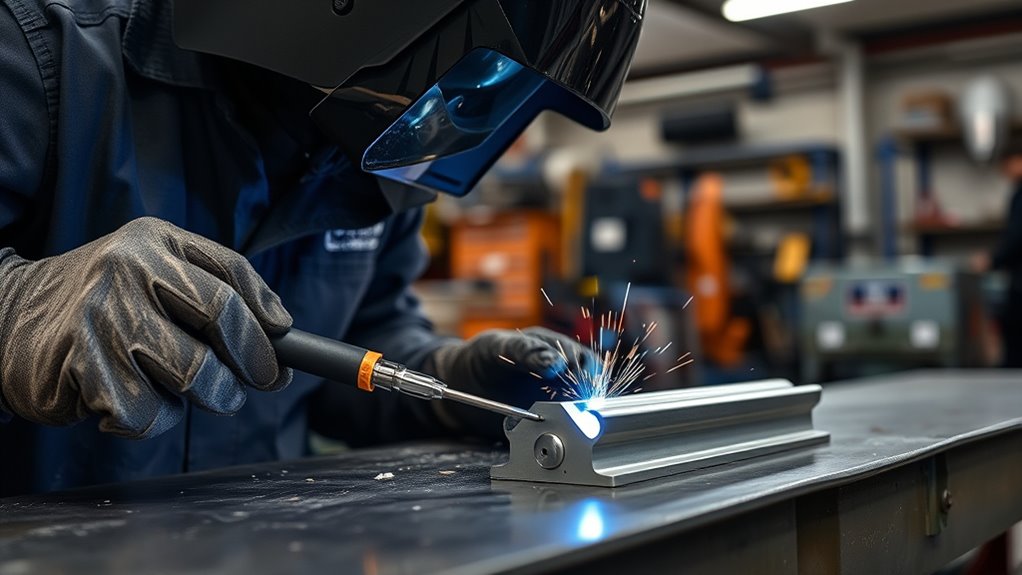
TIG welding, or gas tungsten arc welding (GTAW), uses a non-consumable tungsten electrode to generate heat and fuse the base metal. You can add filler material by hand when the joint needs more metal.
An inert gas, usually argon, shields the weld pool from air. This keeps oxygen, nitrogen, and moisture away from the molten metal, which helps you avoid porosity and contamination.
The main TIG advantages include accuracy, cleanliness, and excellent finish quality. The main drawbacks include slower travel speed, higher skill demands, and greater sensitivity to gas flow, electrode choice, and torch position.
Because TIG gives you precise control over arc and heat input, it works well on sensitive materials like stainless steel. You gain control, but you also accept a more demanding process.
TIG welding offers accuracy, cleanliness, and an excellent finish for high-quality, precise welds.
How TIG Welding Works
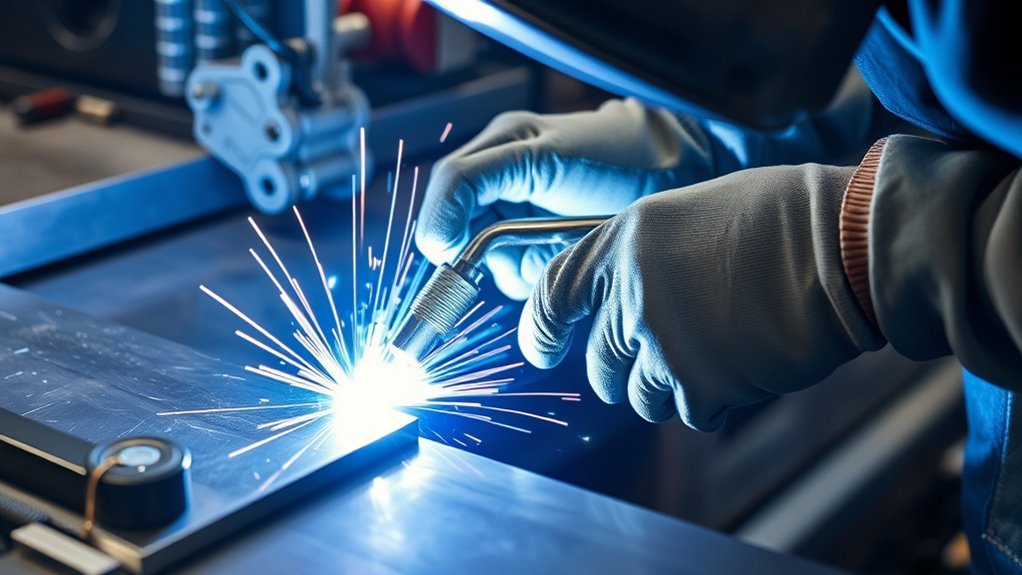
You strike an arc between the tungsten electrode and the base metal. That arc creates the heat that melts the joint area into a weld pool.
The tungsten electrode does not melt into the weld. It holds a stable arc while inert shielding gas, usually argon, protects the electrode and molten metal from air.
You can feed filler material into the pool when the joint needs it. You also adjust amperage to control heat input, penetration, and distortion.
This process requires precise current control to create a stable, high-quality weld, especially on thin materials.
Arc And Shielding Gas
When the tungsten electrode strikes an arc, it creates intense heat that melts the base metal. If you use filler material, the arc also melts that filler into the joint.
You then rely on inert shielding gas, usually argon, to isolate the molten pool from oxygen, nitrogen, and moisture. This protection helps prevent oxidation, reduce porosity, and preserve a clean joint.
The nozzle directs gas around the arc. That controlled gas envelope improves arc stability and supports steady heat transfer.
You can tune gas flow to match the metal, joint shape, and welding position. Good coverage helps you reduce defects and keep the weld under control.
Tungsten Electrode Function
The tungsten electrode acts as the arc source and control point in TIG welding. You do not consume it during a normal weld.
The electrode concentrates current, holds the arc, and lets you control heat with precision. The arc forms between the tungsten and base metal, which melts the joint into a controlled pool.
You choose tungsten type based on the metal and current setup. Common options include pure, ceriated, lanthanated, and thoriated tungsten.
Keep electrode maintenance strict. Clean the tip, grind it correctly, and prevent contamination so the arc stays stable.
Pro tip: If the arc wanders or the bead looks dirty, stop and check the tungsten tip before changing settings.
Why Mechanics Choose TIG Welding
Mechanics choose TIG welding because it delivers clean, high-quality welds with no slag. That matters for precise automotive repairs, fabrication, and visible joints.
You get exact heat control, adjustable amperage, and a focused arc. This helps you work on thin panels, brackets, exhaust parts, and custom pieces without excess distortion.
TIG also handles aluminum and stainless steel well. These metals appear often in modern vehicle repairs, performance parts, and corrosion-resistant components.
Because you feed filler by hand, you control puddle size and deposition rate. That improves consistency and helps you choose the right filler for the job.
Using 100% argon gives TIG welds clean shielding in many common setups. It also helps protect the weld pool and improve finished bead quality.
Manual filler control lets you shape the puddle, improve consistency, and choose the right filler for each repair.
Products Worth Considering

ER70S-6 TIG WELDING ROD: The main alloying elements of ER70S - 6 welding wire are C, Mn, Si, etc. Moderate carbon content ensures weld strength. Mn and Si, as deoxidizers and alloying elements, enhance weld's mechanical properties, crack resistance, toughness and strength

ER308L TIG WELDING ROD: ER308L is a low -carbon stainless steel tig welding rod, which has excellent anti -crystal interval corrosion properties and full -location welding performance.

ER70S-6:Copper-coated mild steel TIG welding rod.Can be welded with Ar & CO2 mixed gas or with 100% CO2 as the shielding gas
Choosing TIG Rods and Base Metals
You need to match the TIG rod to the base metal before you weld. The right match helps produce a stable, cohesive weld with good strength and finish.
Identify the base metal first, whether it’s aluminum, stainless steel, carbon steel, or a nickel alloy. Each metal needs a filler rod that matches its chemistry, service needs, and melting behavior.
For strength, corrosion resistance, and appearance, select a filler alloy and rod diameter that suit the joint and material thickness. Clean surfaces also matter because clean surfaces help prevent defects and improve fusion.
Products Worth Considering

ER4043 TIG WELDING ROD: ER4043 is a 5% silicon -containing aluminum and silicon alloy welding rod. It has high silicon content, good liquidity, and strong heat resistance

Package Includes: the TIG welding rod is 2 lbs packed, enough to meet your needs and replacements, and you can also share some with your friends or family members

er308l stainless steel tig welding rods 1 16 x 16 1 6mm tig filler rod thin stainless sheet tubing handrail kitchen equipment low splatter corrosion resistant stainless steel welding wire tig welding accessories gta w argon arc
Matching Rod To Metal
Matching the rod to the base metal affects weld strength, corrosion resistance, and fusion quality. You need the right filler to control dilution and reduce the risk of brittle joints.
For aluminum, 4043 rods suit many general repairs, while 5356 rods often suit stronger aluminum applications and anodized surfaces. For stainless steel, ER308L commonly matches 304 stainless, while ER316L suits many 316 stainless jobs.
For carbon steel, ER70S-6 gives useful strength and ductility. Nickel alloys often need nickel-based filler rods for hot or corrosive service.
Also check the melting point and service environment. Choose a filler that flows well with the base metal and supports the joint’s real use.
Common Base Metal Types
Common base metals set the starting point for every TIG setup. The alloy you weld determines rod choice, heat input, and weld behavior.
You will often work with aluminum alloys, stainless steel, carbon steel, or nickel alloys. Each metal needs a compatible filler to keep the arc stable and the joint clean.
- Aluminum often pairs with 4043 or 5356 filler rods.
- Stainless steel often uses ER308L or ER316L, depending on grade.
- Carbon steel often responds well to ER70S-2 or ER70S-6.
When you match properties carefully, you stop chasing the weld. You direct it with intent.
Filler Choices For Strength
When strength matters, choose a TIG filler that matches the base metal’s chemistry and mechanical needs. The rod affects weld integrity, crack resistance, and corrosion performance.
You should match filler materials to the alloy family. Use 4043 or 5356 for many aluminum jobs, and choose ER308L or ER316L for common stainless grades.
Check tensile strength and joint requirements before you weld. The filler should support the base metal, the load, and the service environment.
Rod diameter also matters because it controls heat input and filler volume. Select it by metal thickness, joint design, and welding position.
TIG Welding Safety and Heat Control
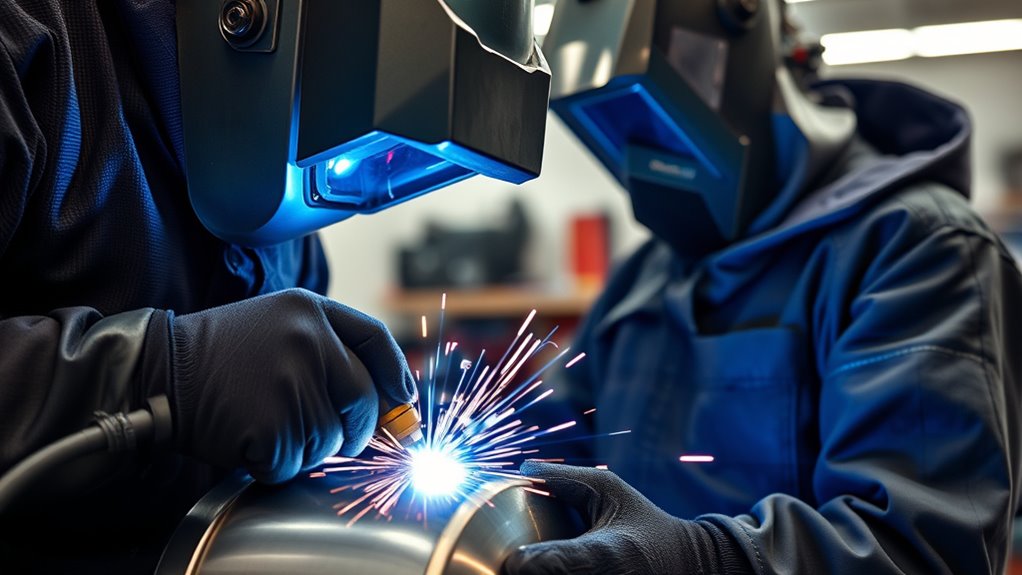
TIG welding demands strict heat control because the arc creates intense radiant energy. Poor protection can lead to eye injury, skin burns, and heat damage to the workpiece.
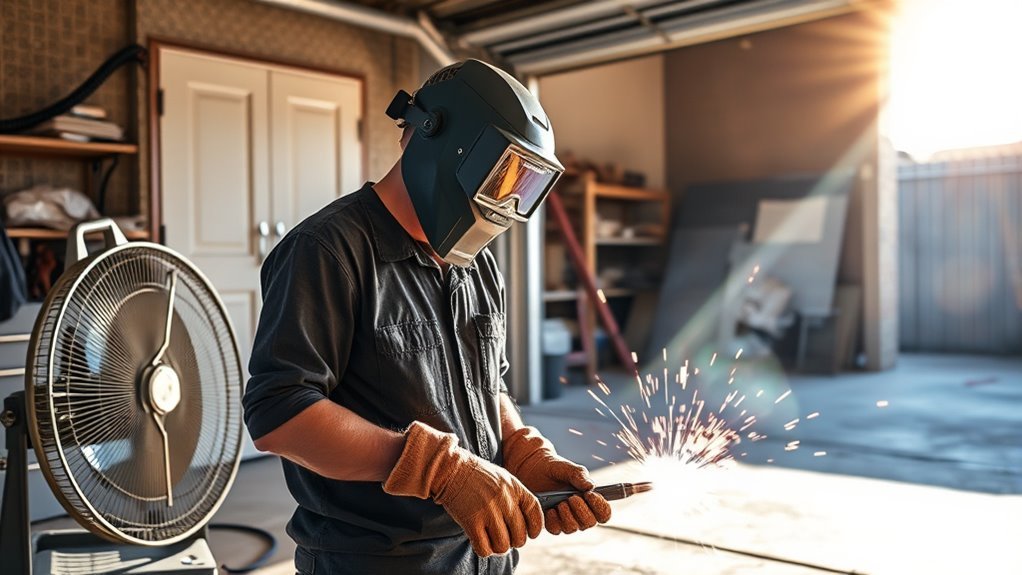
Use an auto-darkening helmet, flame-resistant clothing, welding gloves, and covered skin. These items shield your eyes, face, hands, and arms from arc light and heat.
With argon shielding gas, you protect the tungsten and weld pool from contamination. This helps preserve arc stability and material integrity.
Argon shielding keeps the tungsten and weld pool clean, preserving arc stability and material integrity.
Foot-operated amperage control lets you tune output in real time. This helps you prevent burn-through and reduce thermal shock on thin or sensitive parts.
Keep gas flowing after the arc stops so the tungsten and joint cool under protection. Use proper ventilation and fume control to reduce risk from welding fumes and displaced air.
Warning: Never weld without proper eye, skin, and ventilation protection, even on quick tack welds.
Tips for Cleaner TIG Welds
Clean TIG welds start with disciplined preparation and controlled technique. Strip oil, rust, paint, and moisture from the workpiece before you start the arc.
Select the correct tungsten electrode size and type for the base metal. Many welders use 2% lanthanated tungsten for aluminum and stainless steel, but your machine and current type still matter.
Keep travel speed and torch angle steady so heat spreads evenly. This helps you avoid buildup, undercutting, and uneven bead shape.
Set shielding gas near 15 to 20 cubic feet per hour when that range fits your torch, cup size, and work area. Too much flow can cause turbulence and pull air into the weld zone.
Feed filler rod into the leading edge of the weld pool, not the arc center. A steady feed helps maintain a tight bead and consistent fusion.
Clean joints to bright metal before welding for the best results. Use this step with the right settings from a TIG amp chart for stainless steel when you work on stainless parts.
| Variable | Target |
|---|---|
| Surface condition | Clean |
| Tungsten selection | Matched |
| Travel motion | Steady |
| Gas flow | 15 to 20 CFH |
| Filler placement | Leading edge |
Common TIG Welding Applications
Across industries, TIG welding gets chosen where weld quality, control, and appearance matter most. You often use it when the finished joint must stay clean, strong, and easy to inspect.
In aerospace applications, TIG welding helps join aluminum, stainless steel, titanium, and other metals with precise heat control. These parts demand clean work and strict process control.
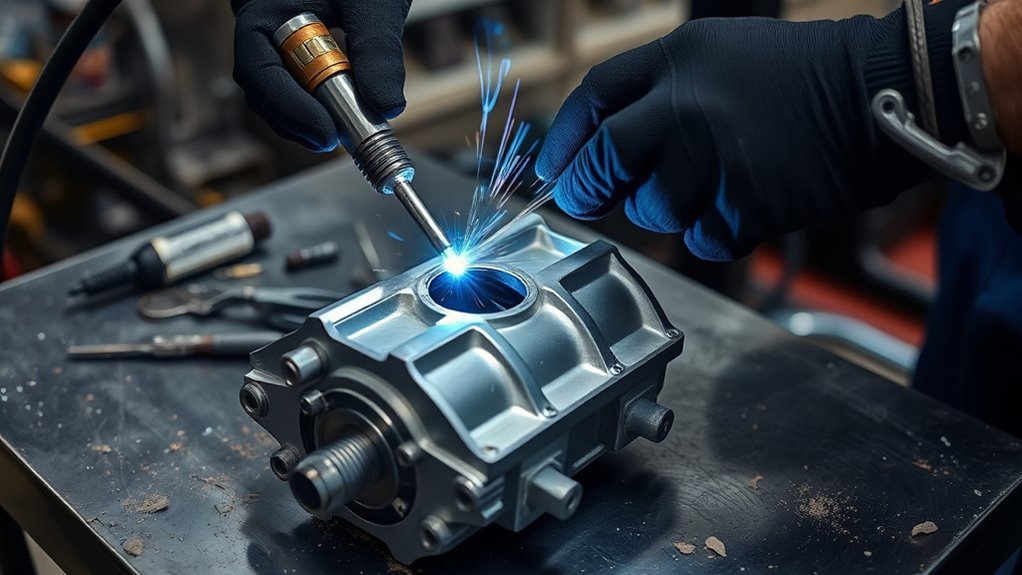
In automotive manufacturing and repair, TIG works well on fenders, frames, exhaust pieces, brackets, and custom parts. Clean, corrosion-resistant seams help protect long-term durability.
In artistic metalwork, you gain exact heat control for thin metal and visible joints. This helps you shape the weld without hiding the design.
- You can keep visible welds clean and controlled.
- You can weld thin materials with less warping.
- You can support sanitary and corrosion-resistant surfaces.
In food processing, TIG supports stainless steel and aluminum repairs where sanitary surfaces matter. In bicycle fabrication, it creates lightweight, high-strength joints for responsive and durable frames.
For related cutting work, using nitrogen as plasma gas can improve aluminum cut quality in some plasma cutting applications.
Frequently Asked Questions
What Are the Downsides of TIG Welding?
TIG welding has slower travel speed, higher setup costs, and a steep skill curve. You also need good eye protection, clean metal, and steady shielding gas, or contamination can ruin the weld.
What Is TIG Welding in Simple Words?
TIG welding uses a tungsten electrode to create a precise arc that melts metal. You use shielding gas to protect the weld and add filler by hand when the joint needs it.
What’s the Hardest Metal to TIG Weld?
Titanium often ranks among the hardest metals to TIG weld because it needs excellent shielding and contamination control. Stainless steel, aluminum alloys, and nickel superalloys can also challenge you because they demand precise heat control.
Can You TIG Weld Without Filler Rod?
Yes, you can TIG weld without filler rod on some tight-fitting joints. This method, called autogenous welding, works best when the base metal edges fit well and the joint does not need more strength from filler metal.
Is TIG Welding Better Than MIG Welding?
TIG welding is better when you need clean, precise welds and strong control on thin metal. MIG welding is often faster and easier for thicker material, production work, and general fabrication.
Conclusion
TIG welding gives you the most value when precision, clean welds, and heat control matter more than speed. Choose the right tungsten, filler rod, gas flow, and amperage before you strike the arc.
Clean the joint, protect yourself, and keep your torch motion steady. With practice and careful setup, you can create strong, smooth welds on demanding metals with confidence.