Disclosure: As an Amazon Associate, we earn from qualifying purchases. If you click a link on this page and make a purchase, we may receive a small commission at no extra cost to you.
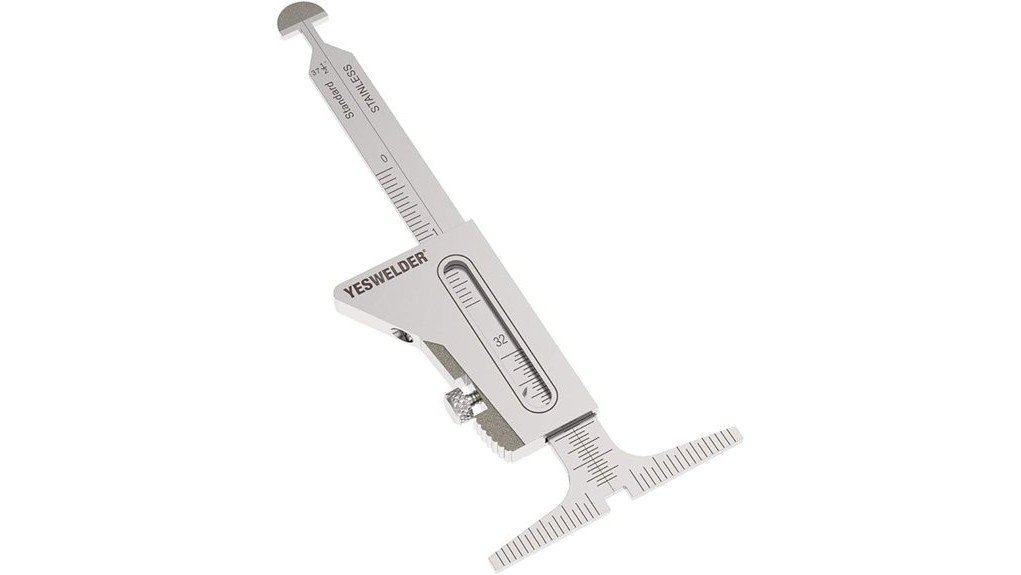
Pipe fit-up problems can slow down a weld before the arc ever starts. The YESWELDER HI-LO Welding Gauge is designed to help you check internal alignment, fit-up gaps, and basic pipe prep details with a compact stainless steel tool. This review breaks down what the gauge does well, where you should be cautious, and who gets the most value from it. It looks like a practical pick for welders who want a simple inspection aid, but you should confirm the exact measuring range on the Amazon listing before using it for code-sensitive work.
Quick Verdict
Rating: Recommended with caveats
Best For: Welders who need a compact stainless steel gauge for pipe alignment and fit-up checks.
Bottom Line: The YESWELDER HI-LO Welding Gauge offers a durable stainless steel body, etched markings, and inch/metric measurement support. The main tradeoff is that exact range, warranty, and tolerance claims should be confirmed on the live product page before critical inspection work.
Key Takeaways
- The YESWELDER HI-LO Welding Gauge uses stainless steel construction, which helps it hold up better than light plastic measuring tools in a shop setting.
- It is made for checking internal pipe alignment and fit-up gaps before or after tacking.
- The etched numerals should be easier to read than printed markings that can wear off with regular handling.
- It supports both inch and metric measurement references, which helps if your work involves mixed drawings, shop standards, or customer specs.
- The source article lists high measurement accuracy, but you should confirm the live listing or product documentation before using it for tolerance-critical inspection.
| Specification | Detail |
|---|---|
| Brand | YESWELDER |
| Product type | HI-LO stainless steel welding gauge |
| Primary use | Internal pipe alignment and fit-up gap checks |
| Material | Stainless steel |
| Approximate size | 15.7 cm x 6.3 cm |
| Weight | 5.6 ounces |
| Measurement references | Inch and metric |
| Markings | Etched numerals |
| Included storage | Plastic storage box noted in the source article |
| Buying note | Confirm exact range, tolerance, and warranty details on the current Amazon listing before purchase. |
What Is the YESWELDER HI-LO Welding Gauge?
The YESWELDER HI-LO Welding Gauge is a compact measuring tool for welders who need to check pipe fit-up before and after tacking. Instead of guessing whether two pipe ends are properly aligned, you can use the gauge to compare internal alignment and fit-up conditions before moving forward.
Its stainless steel construction gives it a more durable feel than a disposable shop accessory. The etched numerals also matter because welding tools often deal with dust, metal debris, gloves, and repeated handling. Printed markings can fade faster, while etched markings tend to stay readable longer when you store and clean the tool properly.
This is not a full inspection kit, and it will not replace calibrated tools required by a job procedure. It makes the most sense as a quick, portable gauge for weld prep checks, shop layout, training, and routine pipe alignment work.
Before You Buy: The source article lists precision and range details, but external verification was incomplete. Confirm the current Amazon listing, manual, or job specification before relying on this gauge for inspection-critical or code-required measurements.
Who Should Buy It?
Best For
- Welders who regularly check pipe alignment and fit-up gaps.
- Shop users who want a compact stainless steel gauge with etched markings.
- Beginners who need a simple tool for learning pipe prep and alignment checks.
Skip If
- You need a fully verified, certified, or calibrated inspection tool for formal quality control.
- You want a multi-gauge kit with several specialized welding inspection tools.
- You cannot confirm that the listed measurement range matches your pipe work.
Product Features and Specifications
The strongest feature is the stainless steel body. Welding environments can be rough on small tools, so a metal gauge is easier to trust than a lightweight tool that may bend, chip, or wear quickly. You still need to keep it clean and protected, but the build is suitable for regular shop handling.
The gauge measures approximately 15.7 cm by 6.3 cm, which keeps it small enough for a toolbox, welding bag, or job cart. That compact size helps when you need a quick check near a pipe joint without pulling out a larger inspection setup.
YESWELDER also includes inch and metric measurement references. That matters if your drawings, customer notes, or shop habits switch between measurement systems. You can work faster when you do not need to convert every small fit-up reference in your head.
Build Quality and Materials
Stainless steel is a sensible material choice for a welding gauge because it resists normal shop wear better than many softer materials. It also gives the tool enough rigidity for repeatable handling, as long as you avoid dropping it on hard edges or forcing it into gaps it was not designed to measure.
The etched numerals are another practical detail. Clear markings help you read the gauge quickly while wearing gloves or working in uneven lighting. For best results, wipe the surface after use so dust, oil, or spatter residue does not reduce readability.
Performance and Accuracy
The source article claims the gauge offers accuracy within +/- 0.0001 inches. That is a very tight claim for a compact shop gauge, so you should treat it as a listing claim unless you verify it through the current product page, documentation, or your own calibration process.
For everyday fit-up checks, the tool’s real value is speed and consistency. You can use it to compare internal alignment, check fit-up gaps, and catch obvious setup issues before you tack or weld. That can help reduce rework when a joint is visibly misaligned.
For formal inspection, follow your procedure, quality manual, or inspector guidance. A pocket gauge can support your workflow, but it should not replace required calibrated tools when the job calls for documented measurement control.
Ease of Use
The YESWELDER HI-LO Welding Gauge is built around direct visual measurement rather than electronics, batteries, or an app. That makes it simple to keep in a welding bag and use when you need a quick reference.
Because it uses etched marks, you should take a moment to read from a straight angle and good light. Small measuring tools can give poor results if you tilt them, place them on debris, or rush the reading. A clean surface and steady placement matter more than the tool’s size suggests.
Pro Tip: Before using the gauge on a pipe joint, wipe both the tool and the contact area. Small metal chips, dust, or tack spatter can change how the gauge sits and make your reading less useful.
How It Performs in Real Use
For Pipe Fit-Up Before Tacking
This gauge is most useful before the joint is locked in place. You can check alignment and gap conditions while you still have time to adjust the fit-up. That makes it easier to catch small problems before they become harder to correct.
For Checking After Tacking
After tacking, the gauge can help you recheck whether the joint stayed aligned. Tacks can pull material slightly, especially when the setup is tight or the pipe is not supported well. A quick recheck helps you spot movement before the final weld pass.
For Training and Shop Practice
New welders can use a HI-LO gauge to understand what poor fit-up looks like in measurable terms. Instead of relying only on visual judgment, you can compare the joint against a reference tool and build better habits.
For Toolbox and Field Use
The compact 15.7 cm by 6.3 cm size makes it easy to keep close by. The plastic storage box noted in the source article also helps protect the gauge from scratches and loose tools when you carry it between jobs.
How to Use It Correctly
Start by cleaning the pipe ends and the gauge. Place the gauge only on stable contact points, then read the etched marks from a straight viewing angle. If the reading looks questionable, reset the tool and check again instead of forcing a single measurement.
Do not use the gauge as a pry tool, scraper, or spacer. That can damage the edges and reduce trust in future readings. Store it in the included plastic box or a protected pocket when you are not using it.
If your job has a welding procedure, inspection plan, or customer tolerance, follow that document first. The gauge can help you check fit-up, but your acceptance limits should come from the job requirements.
Customer Feedback and Ratings
The original article notes positive buyer feedback around precision, durable stainless steel construction, and readable etched numerals. Since live rating and review count verification was incomplete, this revised review does not rely on specific rating numbers.
For a small inspection-style tool, the most useful buyer feedback to check is recent photo reviews. Look for comments about marking clarity, edge finish, storage box quality, and whether the gauge matches the type of pipe work you plan to do.
Pros and Cons
Pros
- Stainless steel construction supports regular shop and toolbox use.
- Etched numerals help the markings stay readable with normal handling.
- Designed for internal pipe alignment and fit-up gap checks.
- Inch and metric references make it useful across different measurement habits.
- Compact size makes it easy to carry for field, shop, or training use.
Cons
- Exact tolerance and range details should be confirmed before critical inspection work.
- Not a replacement for a full welding inspection kit or required calibrated tools.
- Small etched markings may still need good lighting for quick, accurate reading.
Is It Worth the Price?
The YESWELDER HI-LO Welding Gauge looks like a strong value for the price if you need a compact, stainless steel tool for pipe alignment and fit-up checks. You get a durable body, etched markings, and inch/metric references in one small tool.
It is worth considering if you want a practical gauge for everyday shop use, training, or pre-weld setup checks. The value is weaker if you need documented calibration, a larger inspection kit, or a tool with fully verified tolerance data before purchase.
How It Compares to Alternatives
Compared with basic rulers or general measuring tools, this HI-LO gauge is more focused on pipe alignment and fit-up work. That makes it more practical for weld prep than a tool that was not designed around pipe joints.
Compared with full welding inspection kits, the YESWELDER gauge is simpler and easier to carry. A larger kit may be better if you also need fillet weld gauges, undercut checks, bridge cam measurements, or documented inspection tools for quality control.
Frequently Asked Questions
What is the YESWELDER HI-LO Welding Gauge used for?
It is used to check internal pipe alignment and fit-up gaps during weld preparation. It helps you spot alignment issues before or after tacking.
Is this gauge suitable for beginners?
Yes, it can help beginners learn how pipe alignment and fit-up gaps are checked. You should still follow your instructor, job procedure, or welding standard when acceptance limits matter.
Can it measure in both inches and metric?
The source article states that the gauge supports both inch and metric measurement references. That helps when your drawings or shop standards use different systems.
Is the stainless steel body important?
Yes. Stainless steel gives the gauge better durability for toolbox and shop use than many lightweight materials. You should still protect the edges and store it properly.
Does it replace calibrated inspection tools?
No. Use it as a practical alignment and fit-up aid unless your job procedure allows it for formal inspection. For code-sensitive work, use the required calibrated tools and documentation process.
How should you clean and maintain it?
Wipe it with a soft cloth after use and remove dust, oil, or metal debris from the markings. Avoid harsh scraping, bending, or using it as a pry tool.
Who should skip this welding gauge?
Skip it if you need a full inspection kit, documented calibration, or verified tolerance data before ordering. It is better for quick fit-up checks than for replacing a complete quality-control setup.
The Bottom Line
The YESWELDER HI-LO Welding Gauge is a practical choice if you want a compact stainless steel tool for pipe alignment and fit-up checks. Its main strengths are the metal body, etched numerals, and inch/metric references, while its main limitation is the need to confirm exact range and tolerance details before critical inspection work.
Buy it if you need a simple shop gauge for everyday weld prep. Skip it if your work requires a fully verified, calibrated inspection tool or a broader welding gauge kit.