You want welds that hold, look clean, and don’t waste time or material. Choosing the right aluminum welding rod affects how well your repair or build performs, whether you’re fixing a radiator, brazing a tank, or doing precision TIG work. This guide walks you through ten rods that cover torch brazing, flux-core repairs, and TIG filler options so you can match the rod to your tools, heat source, and skill level and get dependable results.
Top Picks
|
Category |
Product |
Score |
|---|---|---|
|
💰 Best Value |
90/100 |
|
|
🎯 Best For Torch Repairs |
68/100 |
|
|
⭐ Best Brand Pick |
89/100 |
|
|
🚀 Best For Propane Brazing |
72/100 |
|
|
🎨 Best For Precision |
88/100 |
|
|
🔬 Best Low-Melt Option |
60/100 |
|
|
💼 Best Budget Brazing |
63/100 |
|
|
🏅 Best For Hobbyists |
95/100 |
|
|
⚙️ Best For DIY Repairs |
74/100 |
|
|
💸 Cheapest Pick |
50/100 |
Selection Criteria
You need rods that match your heat source, base metal, and project scale, so we prioritized compatibility with common aluminum alloys, melting point, and intended method such as TIG, torch brazing, or flux-core repairs. Pack size and price matter when you go through filler quickly, so quantity and value were weighed alongside real user feedback about cleanliness, ease of use, and consistency.
We also considered rod diameter and length for accessibility in tight spots and whether the product is aimed at hobbyists or professionals.
You get a reliable pack of ER4043 TIG filler rods that feel made for real work. The rods arrive clean, straight, and ready to feed, which makes setup less frustrating and your welds more predictable.
Use them for bodywork, marine patches, hobby TIG projects, and light fabrication where corrosion resistance and good penetration matter. If you want a dependable bulk option that suits both occasional hobby welding and regular shop use, these rods are an easy pick.
What People Say
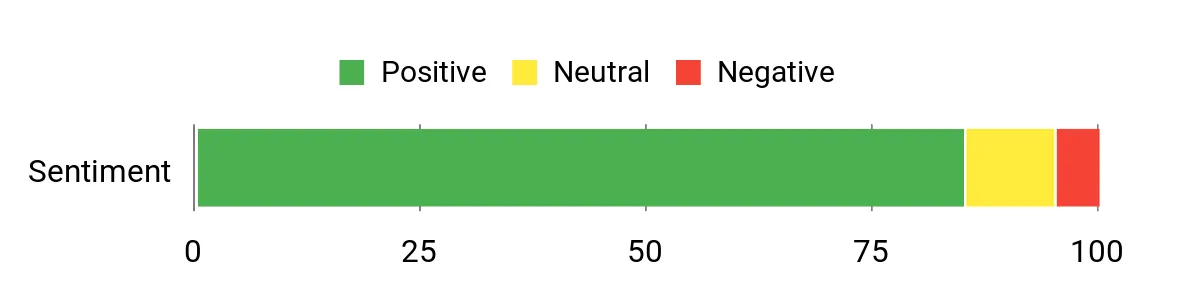
Customers commonly highlight the rods’ cleanliness, consistent thickness, and reliable performance. Many reviewers note that the rods feed and melt predictably, producing solid penetration and easy cleanup.
Packaging and a storage sleeve get frequent mentions as a practical touch that keeps rods straight and ready to use.
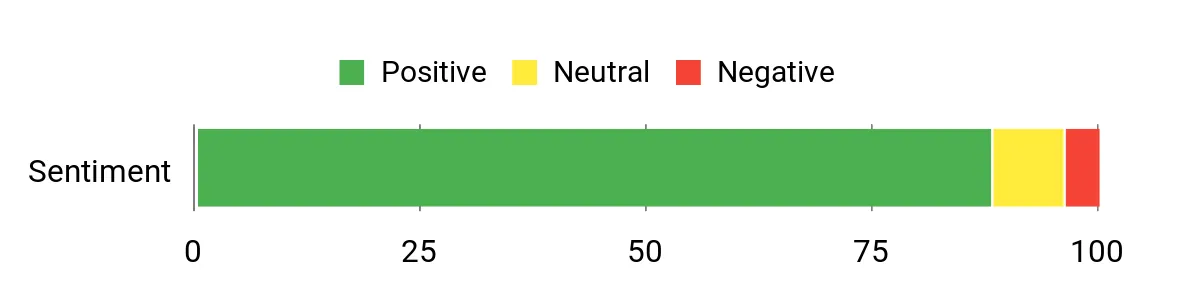
Overall Sentiment: Positive
Where It Shines
|
Situation |
How It Helps |
|---|---|
|
Auto Body Panels |
You can lay clean TIG beads for panel repairs where consistent filler and corrosion resistance are important. |
|
Marine and Outdoor Repairs |
ER4043 offers corrosion resistance so your patches hold up better in damp environments. |
|
Hobby Projects and Jewelry |
The straight, uniform rods make delicate tacking and small welds easier when you need control. |
|
Shop Production Work |
A 5 lb pack reduces interruptions so you can keep working without constant restocking. |
Ease of Use
|
Feature |
Ease Level |
|---|---|
|
Feeding in TIG |
Easy |
|
Surface Prep Requirement |
Moderate |
|
Handling and Length |
Easy |
|
Storage |
Easy |
Key Benefits
- Consistent ER4043 chemistry for predictable welds
- Clean, straight rods that reduce contamination issues
- Good penetration and corrosion resistance on aluminum
- Convenient storage sleeve keeps rods organized
Rating: 4.7 (total: 200+)
If you need a box of small flux-core rods for torch repairs, these are the kind of kit that keeps you moving through quick fixes. You’ll find them handy for filling pinholes, patching pontoons, or making small seam repairs where a torch is your tool of choice.
They’re designed to melt and flow without separate solder powder, but you should plan on clean surfaces and a hot torch to get them to cooperate. For hobby fixes and occasional maintenance they’re worth trying, but match them to thin material and a heat source that can get the base metal up to temperature.
What People Say
Buyers often appreciate the quantity and the idea of a flux-core rod that doesn’t need extra soldering compounds, and many report success on thin pieces and small repairs when they get the heat right. Common complaints point to the rods being smaller than expected and needing a strong torch and careful surface prep to bond reliably.
Overall impressions split between good value for simple jobs and frustration when users try these on thicker or poorly prepared metal.
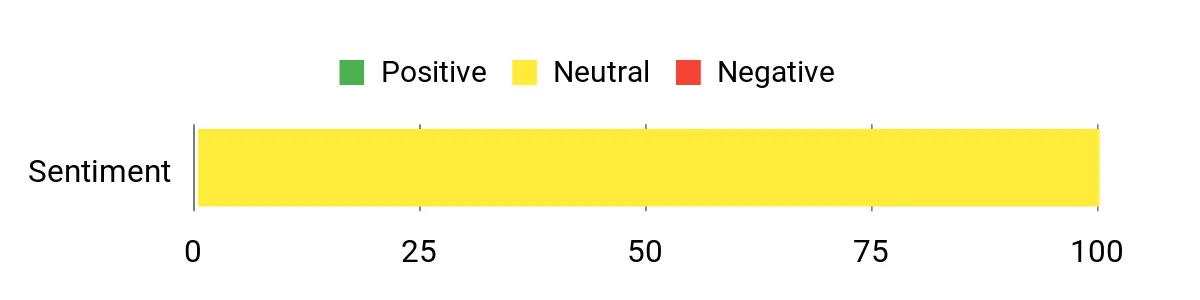
Overall Sentiment: Neutral

Best Uses
|
Situation |
How It Helps |
|---|---|
|
Pontoons And Boats |
You can fill small holes and patch seams with torch brazing when the area is clean and you have strong flame control. |
|
Thin Sheet Metal |
These rods suit thin panels where a bulky filler would overheat the part if you use a proper torch and steady technique. |
|
DIY Home Repairs |
For non-structural fixes around the yard or workshop they offer a quick option without mixing flux or powders. |
|
Detail Work In Tight Spaces |
Shorter rods make it easier to maneuver in cramped areas where full-length filler rods are awkward. |
Ease Of Use
|
Feature |
Ease Level |
|---|---|
|
Heat Requirement |
Challenging |
|
Surface Prep |
Moderate |
|
Handling Short Rods |
Easy |
|
Flow Control |
Moderate |
Key Benefits
- Flux-core design eliminates separate solder powder
- Compact lengths useful for tight or detailed work
- Works on various aluminum and Al‑Mg alloys
- Large quantity for multiple small repairs
Rating: 3.7 (total: 612+)
You get a dependable bulk pack of ER4043 filler rods that suit both hobby and shop use. The shorter 16″ sticks are easier to handle in tight spots and make tacking simpler, and the material feeds and puddles predictably for typical aluminum tasks like bodywork, small fabrication, and maintenance. The kit is designed to be a practical everyday option when you need consistent filler chemistry without fuss.
If you want a reliable, no-nonsense TIG filler that keeps you welding without overthinking the consumable, this is a solid choice.
What People Say
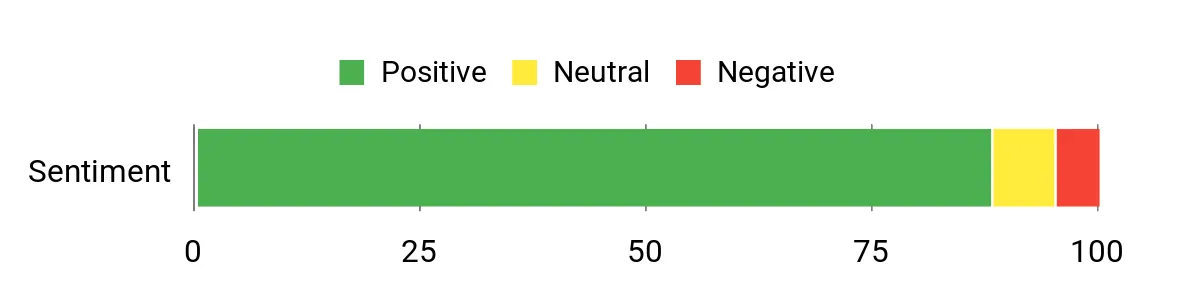
Users commonly praise the consistent metal quality and how reliably the rods puddle and bond when the prep and heat are right. Many like the short length for easier handling and practice work, while a few note that short sticks get used up faster. Packaging and quick delivery are frequent positives, with occasional comments about variability in the storage container.
Overall Sentiment: Positive
Best Uses
|
Situation |
How It Helps |
|---|---|
|
Auto Body Work |
You can tack and fill seams with predictable filler that resists corrosion on exterior panels. |
|
Hobby Welding |
Short rods are easier to control for practice, small projects, and learning TIG technique. |
|
Light Fabrication |
Consistent chemistry helps produce repeatable beads on non-critical assemblies. |
|
On‑the‑Shelf Ready |
A 5 lb pack keeps you stocked so routine repairs don’t interrupt your workflow. |
Ease Of Use
|
Feature |
Ease Level |
|---|---|
|
Feeding In TIG |
Easy |
|
Short Rod Handling |
Easy |
|
Surface Preparation |
Moderate |
|
Storage And Access |
Easy |
|
Material Waste |
Moderate |
Key Benefits
- Consistent ER4043 composition for predictable welds
- Short 16″ length makes handling and tacking easier
- Packaged for shelf storage and quick access
- Well suited for hobbyists and occasional shop use
Rating: 4.7 (total: 903+)
You get a bulk pack of thin brazing rods made for torch repairs and small seam work. They can be handy around the shop for patching pontoons, filling pinholes, or quick maintenance when you have a reliable flame.
These rods are intended to flow without extra solder powder, but they perform best when the metal is very clean and heated properly. If your torch can bring the base metal up to brazing temperature and you like short, maneuverable sticks, these are worth keeping in the toolbox for light repairs.
What People Say
You’ll see a split in feedback: many users report success when they thoroughly clean the surface and use a sufficiently hot torch, while others struggle because the rods are thin and demand high heat. People often praise the idea of a flux-free rod for quick fixes but warn that results depend heavily on prep and the flame source.
Overall Sentiment: Neutral

Best Uses
|
Situation |
How It Helps |
|---|---|
|
Pontoons And Boats |
These rods can fill small punctures and seams when you can bring the area up to temperature and keep it clean. |
|
Thin Sheet Repairs |
Short, thin rods reduce overheating risk on delicate panels if you control the flame carefully. |
|
Quick Workshop Fixes |
You can patch non-structural items around the shop without mixing flux or extra compounds. |
|
Tight Or Detailed Areas |
Smaller rod lengths make it easier to reach cramped spots where full-length filler is awkward. |
Ease Of Use
|
Feature |
Ease Level |
|---|---|
|
Heat Requirement |
Challenging |
|
Surface Preparation |
Moderate |
|
Rod Handling |
Easy |
|
Flow And Bonding |
Moderate |
Key Benefits
- Flux-free brazing formulation for simpler setup
- Short, thin rods that are easy to maneuver in tight spots
- Large quantity for multiple small repairs
- Works with propane or higher-temperature torches when heated correctly
Rating: 3.8 (total: 275+)
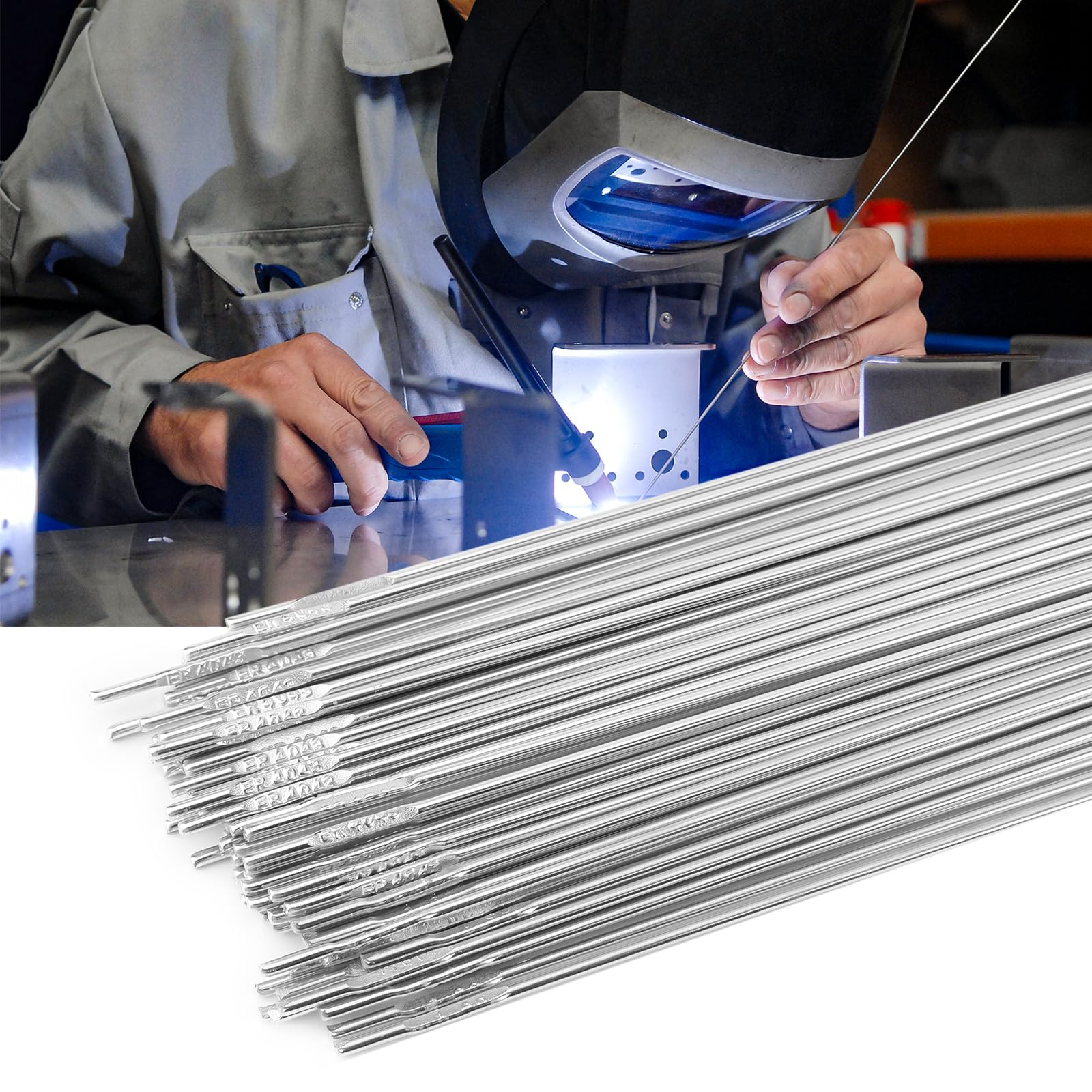
You get a compact, dependable pack of ER4043 filler rods that are built for neat, repeatable TIG work. The 16″ length and 3/32″ diameter make these easy to handle for precision beads, tacks, and small fabrication tasks.
Low splatter means less cleanup and a nicer finished appearance, and the corrosion resistance helps welded parts last outdoors or on vehicles. If you want a small, high-quality supply for hobby projects, automotive touch-ups, or light shop work, these rods are a practical, no-fuss choice.
What People Say
Most users mention that the rods puddle and feed reliably and that spatter is minimal, which makes cleanup easier. People like the shorter length for control during small jobs, and a few call out packaging or a damaged storage tube as the main drawback.
Overall feedback leans toward reliable performance for hobbyists and light shop use.
Overall Sentiment: Positive
Best Uses
|
Situation |
How It Helps |
|---|---|
|
Auto Body Repair |
You can lay tidy filler beads on panels and seams, with corrosion resistance that suits exterior repairs. |
|
Outdoor Equipment |
Welds resist oxidation, so patches on trailers or outdoor gear last longer in wet conditions. |
|
Hobby Projects |
Short rods are easier to manage when you’re learning TIG or doing detailed metalwork. |
|
Light Fabrication |
Consistent chemistry helps you produce repeatable joints on non-critical assemblies. |
Ease Of Use
|
Feature |
Ease Level |
|---|---|
|
Feeding In TIG |
Easy |
|
Control And Tacking |
Easy |
|
Surface Prep |
Moderate |
|
Storage |
Moderate |
Key Benefits
- Low-splatter formula for cleaner welds
- Consistent ER4043 composition for predictable results
- Manageable 16″ length for tight or detailed work
- Corrosion resistance suitable for outdoor and automotive use
Rating: 4.7 (total: 182+)
These rods are marketed as low‑melt, no‑flux options for torch brazing small aluminum repairs. You’ll find them useful for delicate seams, pinholes, and thin sheet work where short, maneuverable sticks help you reach tight spots. In practice they demand careful surface prep and a relatively hot torch to flow properly, so plan to scuff, clean, and heat the base metal thoroughly. Use them for light workshop fixes and non‑structural patches, but avoid relying on them for heavy or critical joins.
What People Say
People are split: some users get good results when they thoroughly clean the metal and use a high‑temperature torch, while others struggle because the rods are very thin and need more heat than expected. Common praise centers on convenience for tiny repairs, and common complaints focus on difficulty getting the rods to bond on thicker or poorly prepared pieces.
Overall Sentiment: Neutral

Best Uses
|
Situation |
How It Helps |
|---|---|
|
Pontoons And Boat Patches |
You can fill small holes and seams if you can heat the area evenly and keep it spotless before brazing. |
|
Thin Sheet Repairs |
Short rods reduce the risk of overheating delicate panels when you control the flame carefully. |
|
Quick Non‑Structural Fixes |
They offer a fast option for temporary or cosmetic repairs where strength isn’t critical. |
|
Tight Or Hard‑To‑Reach Areas |
The shorter lengths make maneuvering easier when full‑size filler rods are awkward. |
Ease Of Use
|
Feature |
Ease Level |
|---|---|
|
Heat Requirement |
Challenging |
|
Surface Preparation |
Challenging |
|
Rod Fragility |
Moderate |
|
Flow Control |
Moderate |
Key Benefits
- Low‑melt chemistry intended to flow without extra flux
- Short, thin rods that fit cramped or detailed areas
- Good quantity for multiple small repairs
- Designed for all‑position torch brazing
Rating: 3.3 (total: 155+)
These rods are aimed at quick torch brazing for thin aluminum and light repairs. You’ll find them useful for patching pinholes, touching up thin panels, or small workshop fixes where short, maneuverable sticks help you reach tight spots. They’re designed to flow without added flux, but they perform best with thorough surface prep and a sufficiently hot torch. If your work is non‑structural and you can control heat, these are a handy option to keep in the toolbox.
What People Say
There aren’t many public reviews for this exact listing yet, but owners of similar low‑melt brazing rods often highlight the convenience of flux‑free sticks and their usefulness for tiny repairs. At the same time, buyers frequently warn that success depends on surface cleanliness and having a hot enough torch, and they note the rods can be quite thin and fragile.
Overall Sentiment: Unknown
Best Uses
|
Situation |
How It Helps |
|---|---|
|
Pontoons And Boats |
Good for sealing small punctures and seams when you can heat the area evenly and keep it clean. |
|
Thin Sheet Repairs |
Short rods reduce the chance of burning through delicate panels if you manage the flame carefully. |
|
Quick Workshop Fixes |
Provides a fast option for cosmetic or temporary repairs without mixing flux. |
|
Tight Or Detailed Areas |
Short lengths make it easier to maneuver where full‑size filler rods are awkward. |
Ease Of Use
|
Feature |
Ease Level |
|---|---|
|
Heat Requirement |
Challenging |
|
Surface Preparation |
Moderate |
|
Rod Fragility |
Moderate |
|
Flow Control |
Moderate |
Key Benefits
- Low‑melt, flux‑free formula for simpler setup
- Short rods that fit cramped or detailed areas
- Large count for multiple small repairs
- All‑position design for torch brazing
Rating: (total: +)
You get a compact bulk pack of ER4043 TIG filler rods that works well for hobby and light shop use. The 1/16″ diameter and 16″ length make these easy to control for tacks, small beads, and thin material work.
Low splatter cuts down on cleanup, and the consistent chemistry helps produce repeatable results on common aluminum alloys like 6061. If you want a tidy supply for occasional welding projects or to keep on the shelf for repairs, this set is a practical choice.
What People Say
Buyers highlight consistent metal quality and easy puddling when the work is prepped properly, with several noting success on 6061 and similar alloys. Users appreciate the short lengths for control during detailed work and the low spatter, while a few mention that the pack size is ideal for hobbyists who want a ready supply.
Overall Sentiment: Positive

Best Uses
|
Situation |
How It Helps |
|---|---|
|
Auto Body |
You can tack and fill seams cleanly on panels where control and low spatter matter. |
|
Fuel Tank Fabrication |
The consistent filler chemistry works well when you need reliable joints on 6061 and similar alloys. |
|
Hobby Projects |
Short rods are easier to handle for small sculptures, brackets, or practice TIG sessions. |
|
Workshop Stock |
A 60‑piece pack keeps you ready for routine repairs without frequent reordering. |
Ease Of Use
|
Feature |
Ease Level |
|---|---|
|
Feeding In TIG |
Easy |
|
Control And Tacking |
Easy |
|
Surface Preparation |
Moderate |
|
Storage |
Easy |
Key Benefits
- Consistent ER4043 composition for predictable welds
- Low‑splatter performance for easier cleanup
- Manageable 16″ length for precise control
- Good quantity for multiple small projects
Rating: 5.0 (total: 5+)
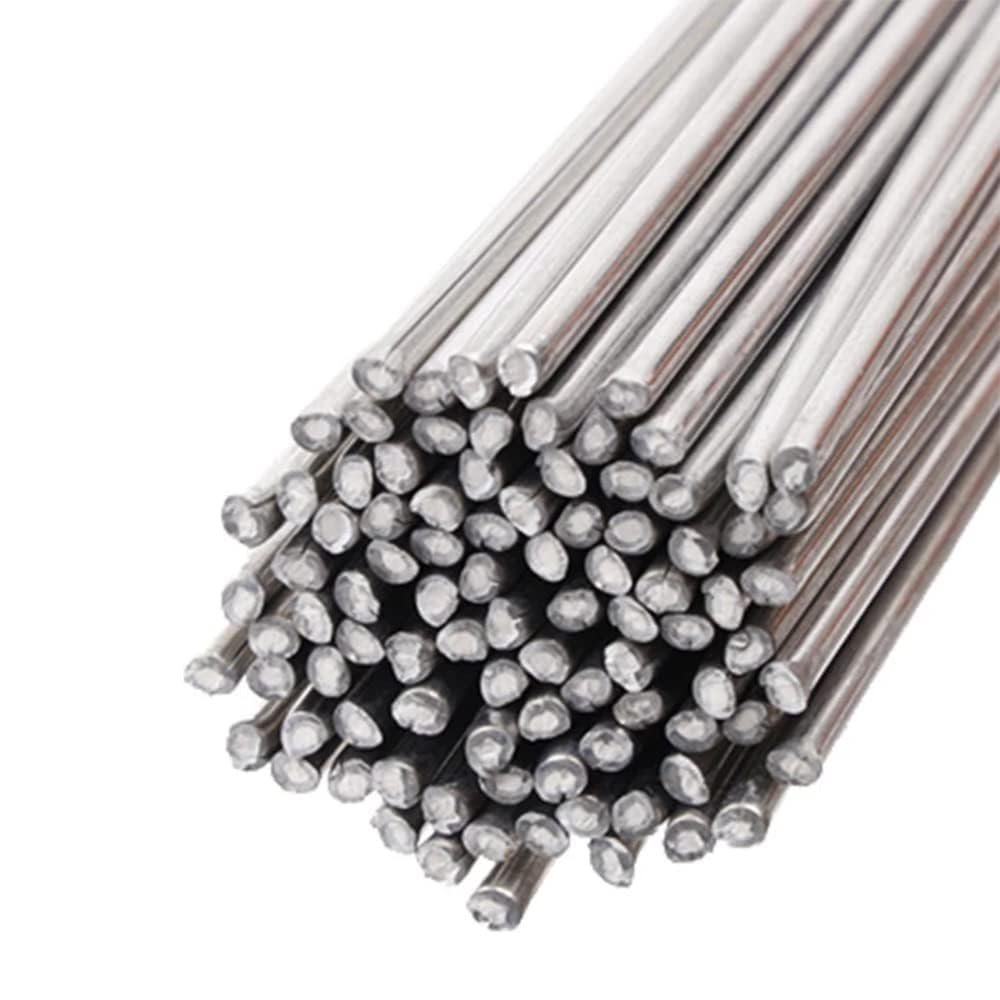
You get a 50‑piece pack of flux‑cored rods meant for torch brazing thin aluminum and small repairs. They’re handy when you need short sticks for tight spots and want a flux built into the rod, but they really depend on good surface prep and a sufficiently hot torch to flow properly.
Expect a learning curve: with practice and the right flame control these can produce durable seams, but they aren’t a plug‑and‑play solution for thicker or poorly prepared parts. Keep scraps for practice before you tackle anything important.
What People Say
People report solid results when they clean and scuff the metal and use a properly sized torch, with many saying the rods work well for thin panels after some practice. Critiques tend to focus on thinness of the sticks and the need for high heat, so some users find them frustrating on heavier material or with weaker torches. Overall feedback splits between satisfied hobbyists and those who expected a lower heat requirement.
Overall Sentiment: Neutral

Best Uses
|
Situation |
How It Helps |
|---|---|
|
Pontoons And Boats |
You can seal small punctures and seams if you can heat the area evenly and keep it very clean. |
|
Thin Sheet Repairs |
Short rods reduce the risk of burning through delicate panels when you manage the flame carefully. |
|
Quick Workshop Fixes |
Provides a ready option for minor non‑structural repairs without mixing flux. |
|
Practice And Learning |
Large quantity lets you practice technique and heat control without worrying about wasting material. |
Ease Of Use
|
Feature |
Ease Level |
|---|---|
|
Heat Requirement |
Challenging |
|
Surface Preparation |
Moderate |
|
Rod Fragility |
Moderate |
|
Flow Control |
Moderate |
Key Benefits
- Flux‑cored design removes the need for separate solder powder
- Short rods are easy to maneuver in cramped areas
- Large count lets you practice without running out quickly
- Works on various aluminum alloys when heated correctly
Rating: 3.9 (total: 542+)
You’ll reach for these when you need short brazing rods for thin panels and light repairs. They’re designed to work with dedicated brazing flux so the filler can flow without melting the base metal, which makes them useful for HVAC work, small seam repairs, and delicate sheet tasks. Be prepared to scuff and clean the area and use a proper torch—these aren’t a magic fix for thicker or poorly prepared parts.
If you practice on scraps first, they can be a handy option for non‑structural jobs.
What People Say
Feedback is split: some users manage clean, useful joints when they thoroughly prep the metal and use the right torch and flux, while others find the rods melt without bonding or are too thin for heavier parts. Common points are that surface cleanliness and heat control are critical, and success depends a lot on technique and the workpiece.
Overall Sentiment: Neutral

Best Uses
|
Situation |
How It Helps |
|---|---|
|
Pontoons And Boat Patches |
You can fill small punctures and seams on thin aluminum if you can heat the area evenly and keep the surface spotless. |
|
HVAC And Tubing |
Short rods let you access tight joints and lap repairs when you match the rod to a proper brazing flux and flame. |
|
Thin Sheet Metal |
They’re useful for cosmetic or light structural fixes where a low‑temperature filler reduces the chance of burning through. |
|
Practice And Prototyping |
A 30‑pack gives you room to practice heat control and technique before working on important pieces. |
Ease Of Use
|
Feature |
Ease Level |
|---|---|
|
Heat Requirement |
Challenging |
|
Surface Preparation |
Challenging |
|
Rod Fragility |
Moderate |
|
Learning Curve |
Moderate |
Key Benefits
- Short lengths for tight or detailed areas
- Low‑temperature design for thin sheet work
- Solid rods suited to flux‑assisted brazing
- Good for practice and small, non‑structural repairs
Rating: 2.5 (total: 3+)
FAQ
How Do I Choose The Right Rod?
Start by matching the rod to your welding method and base alloy: use TIG filler rods like ER4043 for general aluminum and corrosion resistance, choose brazing or flux‑cored sticks for torch repairs, and pick diameter and length that suit the thickness and access of the part. Think about the application—auto body, marine, or light fabrication—and whether you need low‑splatter finish or a rod that flows at lower temperatures. Prioritize a rod that matches your heat source and the alloy you’re joining, and test on scrap before tackling the real piece.
Why Won’t The Rod Stick?
Most bonding failures come from contamination, insufficient heat, or the wrong rod type. Make sure the joint is free of oil, paint, and oxide by scuffing and wiping with acetone and a stainless brush, and verify your torch or welder can bring the base metal up to the rod’s working temperature.
If you’re brazing with short or thin rods, use the right flame and consider flux where required; if a rod balls up without bonding you either don’t have enough base‑metal heat or you’re using a rod that isn’t compatible with the alloy or process.
How Should I Prepare And Store Rods?
Prep parts thoroughly—mechanical cleaning, then solvent wipe—so the rod meets clean metal, not oxide or dirt, and practice heat control on scraps to learn flow characteristics. Store rods in a clean, dry place and keep any sealed tubes or sleeves to prevent contamination; short rods are great for tight spots but keep extras for tacking so you don’t interrupt work. Also wear appropriate PPE and ventilate the area, since good technique and safe habits make your repairs both stronger and easier.
What Buyers Prefer
When youre choosing between ARCCAPTAIN ER4043, AZB Flux Rods, and YESWELDER ER4043, you’ll focus first on compatibility with your heat source and the alloy youre welding. If you TIG, ER4043 packs from ARCCAPTAIN or YESWELDER win for predictable chemistry, low spatter, and easy handling, while AZB flux‑core rods are chosen when a torch repair or flux‑free brazing is the goal. You also consider stick length, how clean and straight the rods arrive, and whether the pack size keeps you working without constant restocking.

Wrapping Up
Now that you see how different rods serve different needs, pick the rod that matches your method and material. If you use TIG and want a dependable bulk filler, the ARCCAPTAIN and YESWELDER ER4043 options give consistent welds and larger packs so you won’t run out mid-job. For tight, hobby-scale work the UNIFAMILY 60-piece pack is an excellent choice with a strong user rating.
If you need low-temp brazing for torch repairs, the propane-focused brazing rods and flux-core options can work but require careful surface prep and sufficient heat. If cost is your main concern, the SpaceWings and several budget brazing packs are inexpensive but you should expect more trial and cleanup.
In every case, clean your aluminum, choose a rod formulated for your alloy and heat source, and you’ll get stronger, cleaner joints that save you time and rework.
| Product Name | Image | Rating | Material | Weight | Dimensions |
|---|---|---|---|---|---|
| ARCCAPTAIN Aluminum TIG Welding Rod ER4043 3/32″ X 16″ 5LB |
 |
4.7/5 (200 reviews) | ER4043 Aluminum | 5.35 pounds | 16.34 x 2.64 x 2.56 inches |
| 50 Pieces Flux Core Aluminum Rods Low Temperature |
 |
3.7/5 (612 reviews) | Aluminum | 3.2 ounces | 13.15 x 0.67 x 0.63 inches |
| YESWELDER Aluminum TIG Welding Rod ER4043 3/32″x16″ 5LB |
 |
4.7/5 (903 reviews) | ER4043 Aluminum | 5.3 pounds | 16.34 x 2.76 x 2.48 inches |
| 50-Pack 1/16”x13” Aluminum Brazing Rods |
 |
3.8/5 (275 reviews) | Copper | 3.2 ounces | 13.78 x 0.75 x 0.71 inches |
| Aluminum TIG Welding Rod 3/32″x 16″ 1.8LB |
 |
4.7/5 (182 reviews) | Aluminum | 2.51 pounds | 17.48 x 2.09 x 2.05 inches |
| Aluminum Brazing Rods Low Melt Welding Rods 30pcs |
 |
3.3/5 (155 reviews) | Aluminum | 1.58 ounces | 13.19 x 1.81 x 0.59 inches |
| Aluminum Brazing Rods 50PCS Low Melt Aluminum Welding Rods |
 |
N/A | Aluminum Welding Electrodes | 2.39 ounces | 13.39 x 1.38 x 0.63 inches |
| UNIFAMILY 60Pcs Aluminum Welding Rods ER4043 |
 |
5.0/5 (5 reviews) | Aluminum | 5.3 ounces | 16.61 x 2.05 x 2.05 inches |
| Aluminum Welding Rods Low Temp Flux-Cored 50Pcs |
 |
3.9/5 (542 reviews) | Aluminum | 2.82 ounces | 13.07 x 0.83 x 0.43 inches |
| 30 PCS Aluminum Welding Rods – 2/32″X13″ Low Temperature |
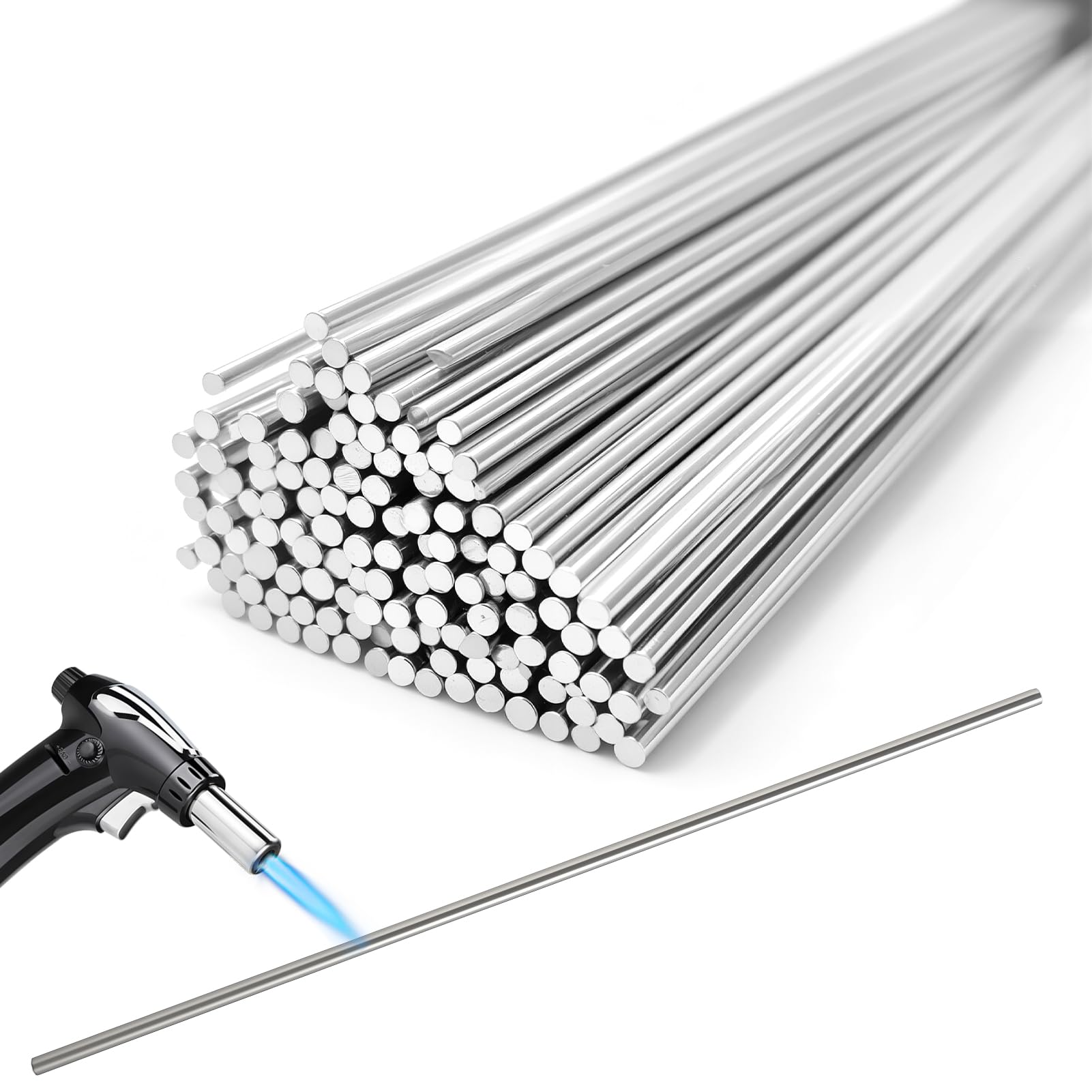 |
2.5/5 (3 reviews) | Aluminum | 2.39 ounces | 13.11 x 2.83 x 0.28 inches |
This Roundup is reader-supported. When you click through links we may earn a referral commission on qualifying purchases.