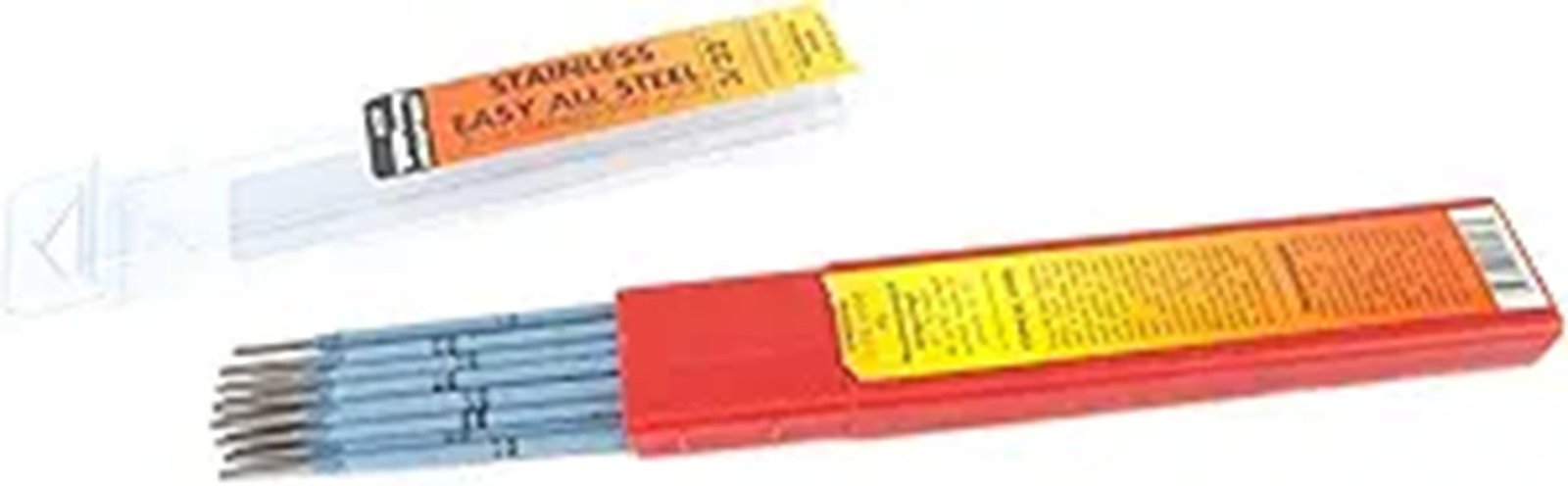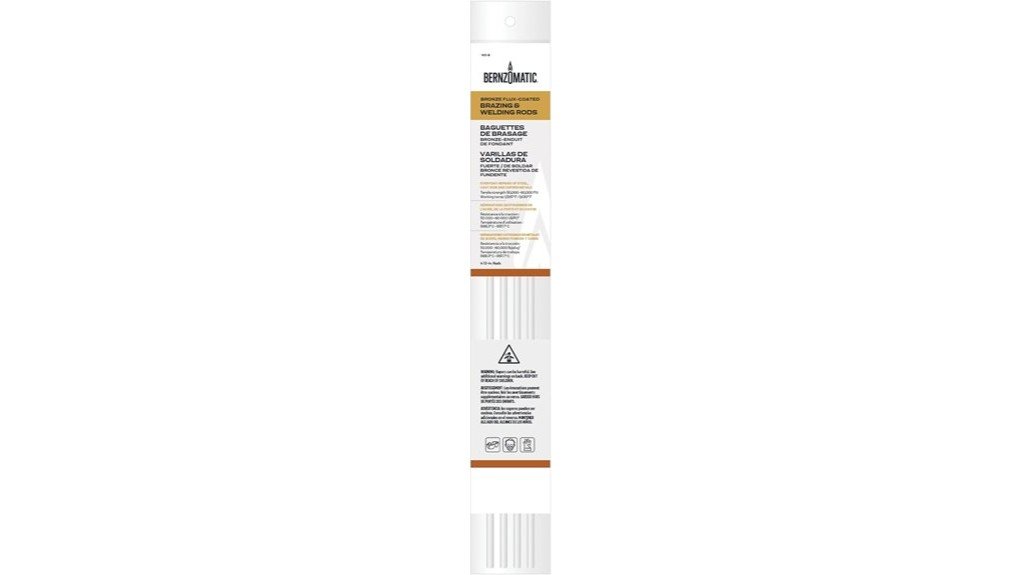
The Bernzomatic WB5 brazing rods are flux-coated bronze rods sold in a 4-pack, aimed at hard soldering, brazing and repair work on steel, cast iron, copper and brass. One retailer lists them at 12 inches long with a working temperature of about 1,595 to 1,630 degrees F. They suit small repairs, not certified structural welds. Bernzomatic WB5 bronze brazing rods are used for joining steel, copper and brass with a torch.
As an Amazon Associate I earn from qualifying purchases. Buying through these links costs you nothing extra.
Bernzomatic WB5 Brazing Rods: Listed Specs
These figures come from retailer listings and were not tested here. Other listings give fewer details, so confirm on the packaging and the Amazon page.
| Item | Per the listings |
|---|---|
| Filler type | Flux-coated bronze |
| Pack size | 4 rods |
| Length | 12 in (one retailer listing) |
| Working temperature | About 1,595 to 1,630 degrees F (one retailer listing) |
| Tensile strength | 50,000 to 60,000 psi (one retailer listing) |
| Base metals listed | Cast iron, steel, copper, plus galvanized iron, brass, stainless steel and chrome-plated parts |
| Diameter | Not stated in the listings we found |
Who Should Buy Them
- Good fit: DIY users who want a small pack of bronze rods for repairs on steel, cast iron, brass or copper parts.
- Look elsewhere: if you need aluminum filler, a bulk pack, or a rod approved for a code-regulated or pressure system. Match the filler to the base metal and job.
How to Braze With Bronze Flux-Coated Rods
- Clean the joint to bright metal with a wire brush or abrasive pad.
- Fit the parts tightly so the filler can flow into a small, even gap.
- Heat the base metal, not the rod, until it is hot enough to melt the rod on contact.
- Feed the rod into the joint and let it flow. Avoid overheating, which burns the flux.
- Let the part cool, then remove flux residue as the package directs.
These rods need much more heat than ordinary solder. Check the package for the torch it recommends. A small propane torch may struggle to heat thicker steel or cast iron to brazing temperature, while MAP-Pro or oxy-fuel gives more headroom.
Safety
Work in a ventilated area, wear safety glasses and heat-resistant gloves, and keep flammable material away. Flux and heated metal give off fumes, so avoid breathing them. Do not braze sealed containers or safety-critical parts unless you know the code requirements. See the OSHA page on welding, cutting and brazing.
Pros and Limits
- Pros: flux already on the rod, four rods per pack, and a broad list of base metals per retailer listings.
- Limits: short pack for frequent use, listing details vary by seller, and no hands-on testing was done for this guide.
For a nickel-silver alternative, see our Bernzomatic NS3 brazing rods review. For a copper-pipe focus, read the BCuP-2 brazing rods review.
Related guides: Bernzomatic NS3 Brazing Rods Review: Are They Worth It? | BCuP-2 Brazing Rods Review: 2 mm Rods for HVAC | Brazing vs Welding: When to Use Each on Auto Body Metal
Frequently Asked Questions
Are WB5 rods brazing rods or welding rods?
They are bronze rods used for brazing and hard soldering. The filler bonds the joint without melting the base metal the way fusion welding does, even though the pack is sold as a welding and brazing rod.
How long are the WB5 rods?
One retailer lists 12 inches. Other listings do not state a length, so check the Amazon page if length matters.
What metals can they join?
One retailer lists cast iron, steel and copper, plus galvanized iron, brass, stainless steel and chrome-plated parts. They are not for aluminum.
Can I use a propane torch?
Possibly on small parts, but the rods need roughly 1,600 degrees F per one listing. Check the package and consider MAP-Pro or oxy-fuel for thicker work.
How should I store them?
Keep them dry and sealed so the flux coating does not absorb moisture.