You need a plasma cutter that matches how you work — whether you’re fixing farm equipment, building a trailer, or running a small fabrication shop. This guide highlights five Miller machines that span compact portability to heavy-duty performance, so you can pick the model that saves you time, reduces wasted material, and delivers cleaner cuts.
Read on and you’ll know which cutter fits your budget, power availability, and the thicknesses you plan to tackle.
Top Picks
| Category | Product | Score |
|---|---|---|
| 🏆 Best Compact Cutter | Spectrum 375 | 86/100 |
| 💼 Best Portable | Spectrum 625 | 93/100 |
| 🚀 Best Heavy-Duty | Spectrum 875 | 92/100 |
| 🎯 Most Versatile | Multimatic 215 | 90/100 |
| ⭐ Best Long-Reach | Spectrum 875 50ft | 88/100 |
How We Chose These Plasma Cutters
You want a machine that matches the work you do and the environment you work in. We compared models based on cutting capacity and rated amperage, portability and weight, duty cycle for longer cuts, torch and cable length for reach, input power flexibility (120/240V and generator compatibility), included consumables or torches, and real-world reliability reported by users. We also balanced cost against capability so you can choose the best fit for DIY projects, mobile work, or industrial tasks.

If you want a rugged plasma cutter that handles weekend shop work and heavier fabrication, this Spectrum 375 is built for that. You get true dual-voltage flexibility (120/240 V) so you can plug into a household breaker for light jobs or a 240 V outlet for thicker cuts.
It feels solid and portable enough to move around the garage, and it cuts cleanly on mild steel and, with the right setup, handles stainless too. For most DIYers and small shops it’s a straightforward tool that saves you time compared with grinding or oxy-fuel cutting.
What People Say
Most users praise the cutter’s power and reliability, especially its dual 120/240 V capability that makes it useful both at home and in a shop. People often call out clean cuts and consistent performance over years of use, while a smaller group mentions annoyances like stiff torch hose, short cables, or needing additional filters/adapters.
Overall Sentiment: Positive

Long-Term Cost Benefits
Because a plasma cutter speeds up cutting and reduces the need for consumables like cut-off wheels, you can save on shop time and parts over the long run. Durable internals and brand support mean fewer replacements, though you should budget for consumables (tips, electrodes) and optional air filtration.
Return On Investment
You’ll often see ROI from keeping work in-house instead of outsourcing cuts. Faster, cleaner cuts let you finish projects quicker and reuse less material, so if you regularly fabricate parts the unit can pay for itself through saved labor and improved workflow.
Situational Benefits
| Situation | How It Helps |
|---|---|
| Garage DIY Projects | You can plug into household power for light repairs and custom metalwork, making it easy to tackle bumpers, brackets, and small fabrications without special wiring. |
| Automotive Fabrication | For repairs and aftermarket parts you’ll get consistent cuts and control, which speeds up fitment and reduces cleanup before welding. |
| Ranch and Outdoor Work | The unit’s portability and robust build mean you can bring it to the job site and rely on it for fence repairs, gates, and on-the-fly metal fixes. |
| Small Professional Shops | On a 240 V feed it handles heavier plate and repetitive jobs, helping you keep production moving without sending parts out for cutting. |
Versatility
The Spectrum 375’s inverter design and 120/240 V input make it useful for a wide range of jobs — from light sheet metal work at home to thicker plate cutting on 240 V. With the right air setup it works on mild steel and stainless.
Safety Features
The unit includes standard thermal and electrical protection to prevent overloads; as with any plasma cutter you should use proper PPE, an inline air filter, and follow ventilation and grounding guidelines to stay safe.
Durability
Build quality is generally solid and many owners report years of use without issues. The main recurring complaint is a stiff torch hose on some units, which can affect comfort but not cutting capability.
Problem Solving Ability
This cutter replaces slower, messier methods like grinders and oxy-fuel for many tasks, giving you cleaner edges and more precise cuts so you spend less time prepping parts for welding or fitting.
Speed & Response Time
Plasma cutting is instant — you get near-immediate arc ignition and fast cut speeds. On typical mild steel the Spectrum 375 moves quickly enough for both single cuts and production runs, within the limits of its duty cycle.
Key Benefits
- Dual-voltage flexibility for different power sources
- Reliable cutting performance up to 3/8 in. at 10 IPM
- Portable inverter design with a 12 ft cable
- Well-regarded build quality and brand reliability
Rating: 4.3 (total: 42+)

If you want a machine that handles heavy hobby projects and real shop work, the Spectrum 625 X‑TREME is a solid pick. You can switch between 120 V and 240 V power, so it’s easy to use around the garage or on a jobsite with a heavier feed.
The 40 A output slices through mild steel up to 5/8″ cleanly, and features like Auto‑Refire and automatic air regulation help keep cuts steady without babysitting the torch. It’s lightweight enough to carry with a shoulder strap or stow in the X‑CASE, and the XT40 hand torch is shaped to sit comfortably in your hand during long sessions.
If you’re doing fabrication, automotive work, or just want a faster way to prep metal for welding, this one makes those tasks noticeably quicker and less fiddly.
What People Say
Users consistently highlight the cutter’s power and portability — they like that it handles thicker plate yet still plugs into common outlets when needed. People also praise the torch comfort and the steady, clean cuts you get with the automatic air and refire features. A few mentions note the unit’s weight and the usual consumable wear on tips as things to keep in mind.
Overall Sentiment: Positive

Long-Term Cost Benefits
By speeding up cuts and reducing the need for grinders or outsourced cutting, this unit can lower labor time on recurring projects. Durable internals and brand support mean fewer unexpected repairs, though you should budget for replacement consumables and filters over time.
Return On Investment
If you regularly fabricate, repair, or modify metal parts, the time saved and cleaner edges for welding often offset the initial purchase. Keeping cuts in‑house reduces turnaround and can recoup costs through faster project completion.
Situational Benefits
| Situation | How It Helps |
|---|---|
| Home Garage | You can handle everyday repairs and custom brackets without rewiring — switch to 120 V for light jobs and keep the unit in the corner until needed. |
| Jobsite/Field Work | The multi‑voltage plug and shoulder strap make it easy to move between locations and run off a suitable generator when 240 V isn’t available. |
| Automotive Body Work | Clean, controllable cuts speed up panel removal and prep, reducing cleanup time before welding or fitting replacement pieces. |
| Small Fabrication Shop | On a 240 V feed it tackles repetitive, thicker plate jobs reliably, helping keep production flowing without outsourcing cuts. |
Versatility
The dual‑voltage capability and portable design make this cutter useful for a wide range of jobs — from light home repairs on 120 V to heavier plate cutting on 240 V, and it adapts well when you need to use a generator.
Safety Features
Built‑in protections like thermal and electrical safeguards help prevent overloads; still, you should use proper PPE, ground the unit, and run air filtration to control particulates and moisture in the supply.
Durability
The machine is well built for regular use and many owners report reliable performance; expect to replace consumables like tips and electrodes periodically, but the core unit holds up under shop conditions.
Problem Solving Ability
This cutter replaces slower methods such as grinders or oxy‑fuel for many cuts, giving you cleaner edges and tighter tolerances so parts fit faster and require less preparation before welding.
Speed & Response Time
Arc ignition and cutting are effectively instantaneous, and the 40 A output delivers quick traverse speeds on mild steel — good for single cuts and short production runs within the unit’s duty limits.
Key Benefits
- Strong 40 A output for up to 5/8″ mild steel cuts
- Works on both 120 V and 240 V power sources
- Auto‑Refire and automatic air regulation for consistent arcs
- Portable design with shoulder strap and X‑CASE
- Ergonomic XT40 torch with 20‑ft cable for reach and control
Rating: 5.0 (total: 1+)
If you need a machine that stands up to real shop work, the Spectrum 875 is built for it. With a 60 A output and inverter design it slices through metal up to 7/8″ cleanly, and the 20 ft XT60 torch gives you plenty of reach around a project without moving the unit.
It runs on 208–240 V feeds, so it’s happiest in a garage or small shop where higher voltage is available, and the duty cycle holds up for repetitive cuts. You’ll appreciate the included clamp, extra consumables, and the steady arc when you’re prepping parts for welding or knocking out repairs.
What People Say
Across reviews you’ll see most people praise the Spectrum 875 for its cutting power and the long torch cord that makes layout and repetitive cuts easier. Owners also note the reliable, steady arc and solid build, while mentioning the machine’s weight and the ongoing need to replace consumables and keep air clean and dry.
Overall Sentiment: Positive

Long-Term Cost Benefits
Using this cutter in‑house saves on outsourcing and speeds project turnaround, and the rugged build lowers unexpected downtime. Expect ongoing costs for consumables and air system maintenance, but fewer service interruptions compared with lower‑end units.
Return On Investment
If you regularly fabricate, repair, or prep metal for welding, the time saved and cleaner cuts can offset the purchase quickly by reducing labor and external cutting costs.
Situational Benefits
| Situation | How It Helps |
|---|---|
| Home Garage | You can tackle heavier repair and fabrication tasks without bringing parts to a shop, as long as you have a 208–240 V supply and space for the 58 lb unit. |
| Small Fabrication Shop | The 60 A output and solid duty cycle let you run repetitive cuts reliably, cutting down bottlenecks and keeping jobs moving. |
| Automotive Body Work | Clean, controllable cuts make removing panels and prepping metal faster, reducing grinding and cleanup time before welding. |
| Industrial Maintenance | On site repairs and retrofit work benefit from the robust torch reach and dependable arc, so you can get machinery back up with minimal fuss. |
Versatility
This model is focused on 208–240 V environments rather than dual‑voltage portability, but within that scope it’s versatile — from detailed repair work to cutting thicker plate, the 60 A output and long torch handle a wide range of shop tasks.
Safety Features
Built‑in protections guard against thermal overloads and electrical faults; you should still use proper PPE, ground the unit correctly, and maintain dry, filtered shop air at the recommended 90 PSI to avoid torch or consumable issues.
Durability
The Spectrum 875 is a heavy, well‑built unit designed for shop life, and many owners find the core machine holds up under regular use. Consumables wear as expected, so keep spares on hand, but the main unit is made to last.
Problem Solving Ability
This cutter replaces slower methods like grinders or oxy‑fuel for many cuts, producing cleaner edges that reduce prep time for welding and speed up fitting and fabrication work.
Speed & Response Time
Arc ignition is immediate and the 60 A output lets you move quickly through mild steel with minimal passes, making single cuts and short production runs feel noticeably faster.
Key Benefits
- Powerful 60 A output for up to 7/8″ cutting capacity
- Inverter technology for stable arcs and efficient cutting
- Long 20 ft XT60 hand torch for reach and maneuverability
- Designed for 208–240 V shop power and higher duty cycles
- Comes with heavy‑duty quick‑connect clamp, power cord and extra consumables
Rating: 4.8 (total: 5+)

This is the kind of one‑stop machine you reach for when you want fewer trips to the shop. The Multimatic 215 handles MIG, flux‑cored, TIG and stick, and its multi‑voltage plug means you can plug into 120 V or 240 V outlets and even generators.
You’ll notice the Auto‑Set Elite and Auto Spool Gun Detect cut down setup time, the color LCD makes adjustments painless, and Smooth‑Start helps keep spatter low. It’s light enough to carry around a jobsite yet built with heavy‑duty leads and a solid drive system, so whether you’re fixing farm gear, doing car body work, or knocking out light fabrication you’ll probably get more done with one machine than you would with several single‑process units. If you want versatility without a steep learning curve, this is a smart pick.
What People Say
Customers commonly praise the Multimatic 215 for being easy to use while still feeling professional — they point to the Auto‑Set function, the clear display, and the machine’s portability. People also note the solid build and helpful customer service, though a few mention shipping mishaps or the usual consumable wear as minor downsides.
Overall Sentiment: Positive

Long-Term Cost Benefits
Owning a multiprocess machine like this cuts the need to buy separate welders for different jobs, so you save on equipment footprint and avoid outsourcing small jobs. Expect routine costs for consumables (contact tips, wire, gas) and occasional maintenance, but the durable main unit tends to reduce replacement frequency compared with cheaper single‑process machines.
Return On Investment
If you weld regularly for repairs, hobby projects or small commercial work, the time saved by faster setups and cleaner starts can recoup the purchase through avoided shop fees and quicker job turnaround.
Situational Benefits
| Situation | How It Helps |
|---|---|
| Home Garage | You can tackle auto repair, brackets and DIY metalwork without needing multiple machines; the 120 V compatibility makes it easy to run from standard household outlets. |
| Auto Body Work | Smooth‑start and controllable MIG/TIG output make panel work and thin‑material welding cleaner, reducing grinding and rework before finishing. |
| Light Fabrication | Quick change between processes and fine tuning via the LCD lets you move from tack welding to final passes with minimal downtime. |
| Mobile Jobsites | At about 38 lb with MVP plug compatibility, you can bring the unit to remote locations and run from generators when needed. |
Versatility
This unit is built around versatility — you get four distinct welding processes plus automatic spool‑gun detection and multi‑voltage operation, so it’s useful for everything from delicate thin‑metal TIG to more aggressive stick welding on farm equipment.
Safety Features
Built‑in protections guard against overload and thermal issues, Smooth‑Start reduces spatter on ignition, and the unit’s intuitive controls help you avoid incorrect settings; standard PPE and proper grounding are still essential.
Durability
Users report a solid, well‑built feel: heavy‑duty leads, robust drive components and a protective LCD cover. Consumables wear as expected, so keep spares handy, but the core unit is made for regular use.
Problem Solving Ability
This welder replaces the need to shuffle between machines for different tasks, simplifies setup with auto features, and helps you get consistent welds across materials and processes, which speeds fit‑up and reduces rework.
Speed & Response Time
Auto‑Set gives you a working baseline almost instantly, arc ignition is responsive and Smooth‑Start helps you get usable tack and bead starts faster, so routine jobs move along more quickly.
Key Benefits
- Four processes in one unit: MIG, flux‑cored, TIG (DC) and stick
- Portable design with multi‑voltage plug for 120 V and 240 V use
- Auto‑Set Elite and Auto Spool Gun Detect simplify setup
- Color LCD and intuitive controls for quick adjustments
- Smooth‑Start and cast‑aluminum drive for smoother feeding and lower spatter
Rating: 4.6 (total: 38+)
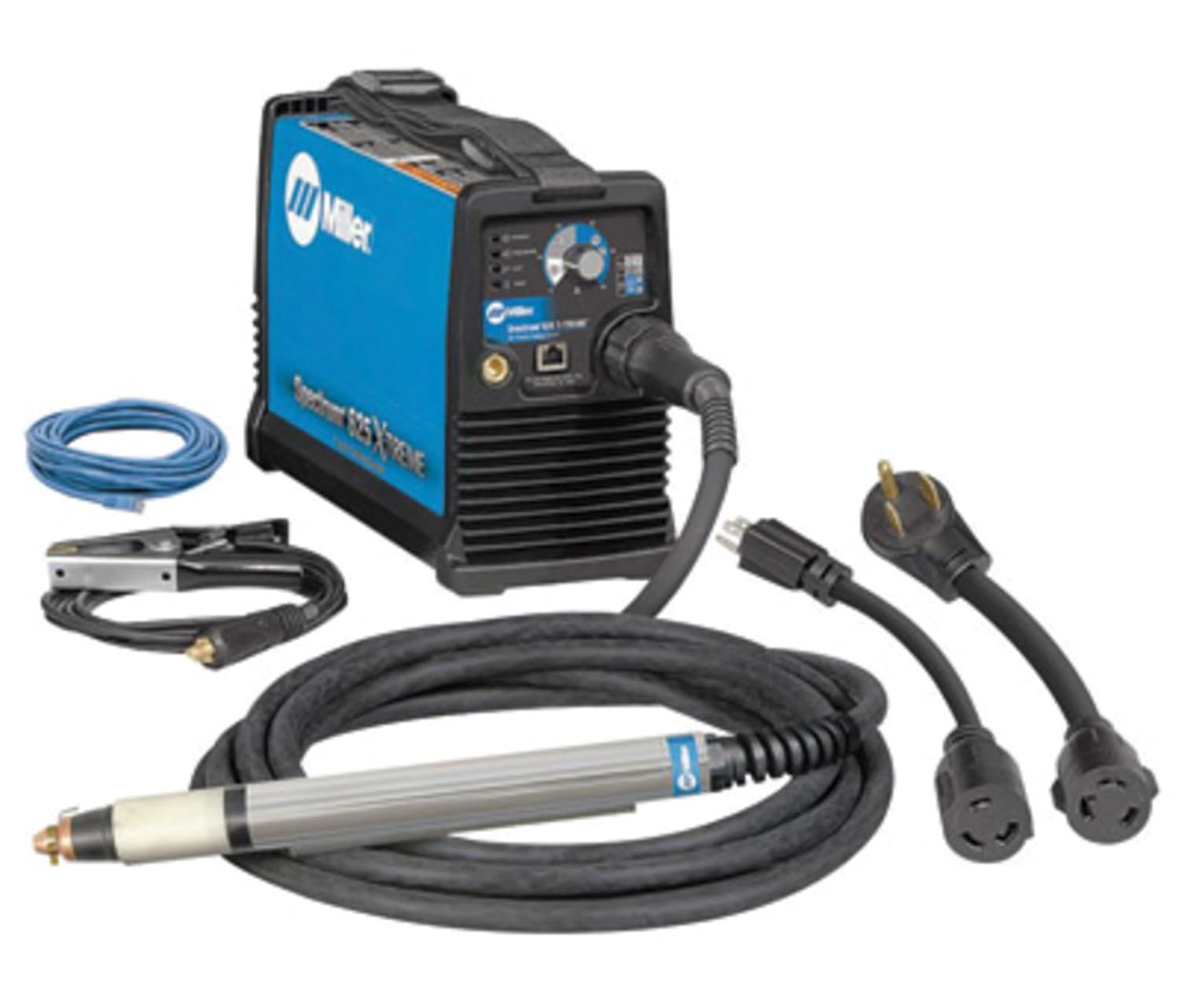
If you want a serious shop‑grade plasma cutter that still plays nice in a busy garage, the Spectrum 875 is worth a look. You get 60 A of cutting power, compatibility with 208–575 V supplies, and a long 50 ft XT60 torch so you don’t have to constantly move the unit around. It’s built like a piece of industrial gear — heavier and bulkier than hobby machines, but that weight comes with robust leads, a heavy‑duty quick‑connect clamp, and extras to keep you cutting. For daily metalwork, repairs, or weekend fabrication projects where you need reliable, repeatable cuts up to about 7/8 in, this feels like a tool that will save you time.
If you’re a pro or a dedicated DIYer who tackles thick stock, it’s a practical pick; if you only cut occasionally and need ultra‑light portability, you might find it more machine than you need.
What People Say
People tend to praise the cutting power and the long torch cable — customers like that you can work around a large piece without wrestling the machine. Many note the build quality and reliable performance on thicker materials, while a few mention the unit’s weight and the learning curve for settings as the main downsides.
Overall Sentiment: Positive

Long-Term Cost Benefits
Because this is a durable, shop‑scale unit, you’re less likely to replace the main machine often. Faster, cleaner cuts reduce time spent grinding and redoing work, and the included consumables get you started right away.
Expect routine consumable replacement, but the core unit is designed to last under regular use.
Return On Investment
If you cut metal regularly — whether for fabrication, repair work, or professional jobs — the time you save and the reduction in outsourced cutting can pay back the purchase through increased productivity and fewer rework hours.
Situational Benefits
| Situation | How It Helps |
|---|---|
| Home Garage | The long torch and robust construction let you handle forgings, repairs and larger hobby projects without constantly moving the machine. |
| Fabrication Shop | Reliable 60 A performance and industrial‑grade components mean steady throughput on thicker plate and repetitive cuts. |
| Farm & Equipment Repair | Good for cutting worn sections, brackets and repair patches where clean, fast cuts reduce downtime. |
| On‑site Metal Repair | Wide input voltage compatibility helps when you’re using different power sources or generators at a jobsite. |
Versatility
This cutter is focused on straight‑forward, heavy‑duty cutting rather than multi‑process flexibility. It handles a range of sheet and plate work, maintenance cuts, and fabrication tasks — especially where reach and sustained output matter.
Safety Features
Miller gear is built with typical protections like fault and thermal safeguards; you should still use proper PPE, ground the unit correctly, and ensure adequate ventilation. The long torch lets you keep some distance from the workpiece when needed.
Durability
At roughly 73 lb and made with industrial components, this machine feels rugged. Users report the torch and leads hold up with regular use; consumables wear normally but the main chassis and connectors are made for heavy cycles.
Problem Solving Ability
It solves the common pain of slow, messy manual cutting — giving cleaner edges, faster throughput, and reach so you can set up workpieces without moving the whole unit. That reduces prep time and rework on jobs.
Speed & Response Time
Arc starts and cut progression are quick at the rated output, so you spend less time on each cut and more time finishing the job. The long torch also speeds workflow by reducing repositioning.
Key Benefits
- Strong 60 A output for consistent cuts through thicker metals
- Long 50 ft XT60 torch gives you reach without hauling the whole unit
- Wide input voltage range (208–575 V) works in many shop environments
- Includes heavy‑duty quick‑connect clamp and extra consumables out of the box
- Built for industrial use — feels solid and designed for regular workload
Rating: 4.5 (total: 24+)
FAQ
How Do I Choose The Right Miller Plasma Cutter For DIY Versus Professional Work?
You want a cutter that matches the thickness and duty cycle of the jobs you do most often, not the maximum spec you might rarely need. For light DIY projects a portable unit with a 20–40A output and multi‑voltage capability is convenient and easy to run at home, while professional shop or industrial use benefits from higher‑amp machines with longer duty cycles and heavier torches. Pay attention to the cutter’s rated cutting capacity, rated output and duty cycle at the voltage you’ll use, the torch length and type, and whether the unit supports generator use if you work in the field.
Also consider practical things like torch consumable availability, serviceability, and weight or case/strap options for portability. A good rule of thumb is to match the cutter’s rated output and duty cycle to the material thickness and daily run time you expect, and pick features (auto‑refire, line voltage compensation, automatic air regulation) that reduce setup fuss and improve consistent cuts.
What Maintenance And Consumables Should I Expect And How Can You Extend Torch Life?
Consumables like electrodes, nozzles and swirl rings are wear items you’ll replace regularly depending on use and cutting technique, so factor availability into your choice. Keep your air dry and clean with a proper in‑line filter and regulator set to the manufacturer’s recommended pressure (most Miller spectra specify around 90–120 psi) and purge contaminants regularly because dirty or oily air will drastically shorten consumable life.
Inspect the torch and lead for kinks, damaged insulation or loose connections and store the torch coiled loosely to avoid memory that makes the hose stiff. If the torch hose ships kinked or stiff, try uncoiling and warming it or replace it with a genuine or flexible aftermarket hose; many users find that a softer replacement hose greatly improves handling.
You’ll also extend consumable life by maintaining the correct standoff distance, using the right amperage and travel speed, cleaning or grinding paint/scale from the cut line before cutting, and avoiding dragging the tip on the work. Regularly check cooling vents and keep the unit clean of dust and metal fines to protect internal components.
Can You Run A Miller Plasma Cutter From A Generator Or On 120V Circuits And What Should You Know About Duty Cycle And Extension Cords?
Many Miller units work on both 120V and 240V but their cutting capacity and duty cycle change with input voltage, so you’ll want 240V for thicker material and more consistent duty cycle—stainless in particular often needs 240V to cut reliably. Some models are engineered for generator use; for example, certain Spectrum X‑TREME units are designed to run from generators but require sizable capacity, so check the manufacturer’s generator wattage recommendation before you head to the job site. Always use short, heavy‑gauge extension cords if you must use one; long, thin cords drop voltage and reduce performance or overheat. Understand duty cycle percentages: running at or near maximum output requires frequent rests to avoid overheating the inverter, so plan intermittent work or step down amperage for prolonged cutting.
Features like line voltage compensation and automatic air regulation help maintain cut quality under variable conditions, but they don’t replace proper power sizing, a quality compressed air supply and safe operating practices including eye, skin and respiratory protection and adequate ventilation.
What Buyers Prefer
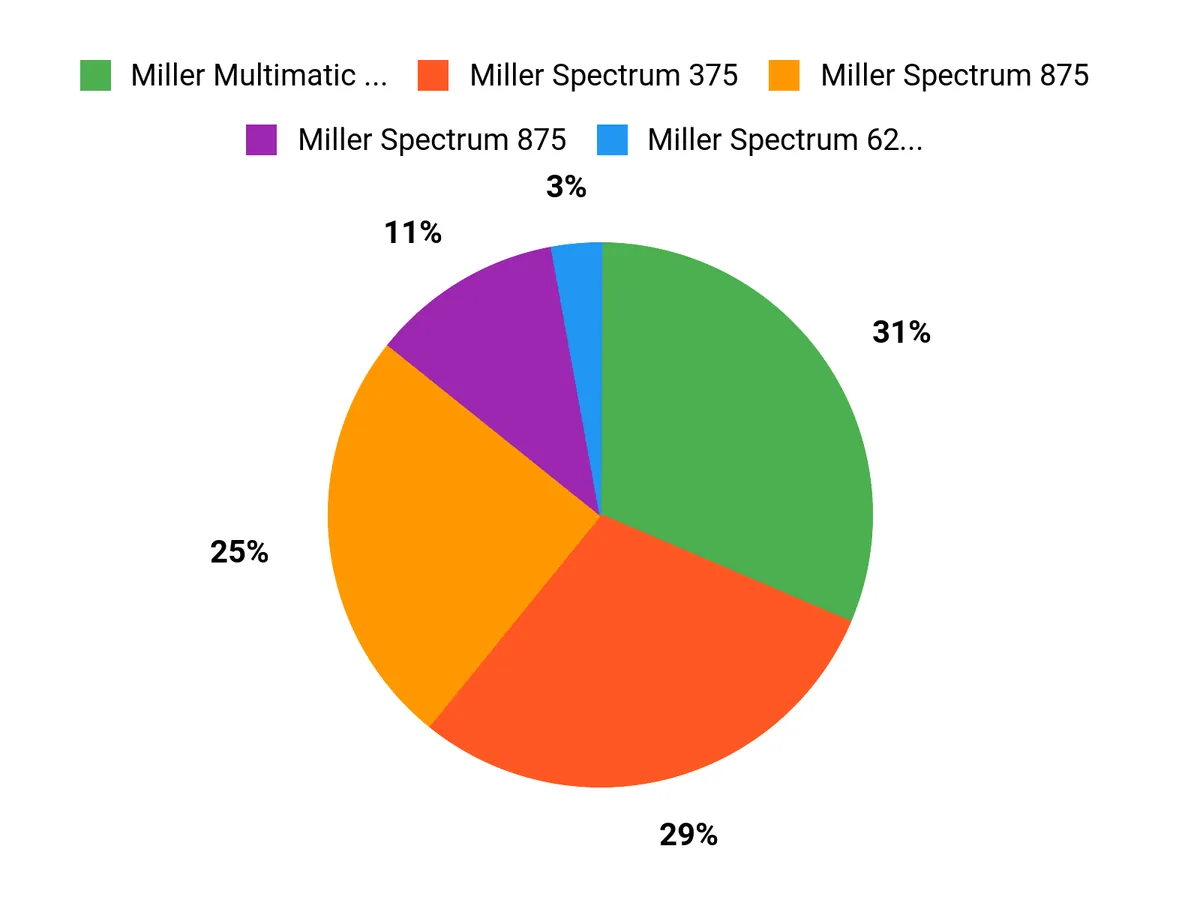
When choosing between the Spectrum 375, 625 X-TREME, and 875, you usually prioritize cutting capacity and duty cycle first — you want enough power and run-time for the thickness and workload you tackle — then factor in portability, input power compatibility, and ongoing consumable costs. If you need a lightweight, budget-friendly unit for occasional projects you’ll lean toward the 375, the 625 X-TREME hits the sweet spot for heavier shop work and versatility, and the 875 is what you pick when maximum speed, thickness capability, and professional-duty performance matter most.
Wrapping Up
You’re choosing between compact convenience, field-ready portability, and heavy-duty cutting power. If you need a lightweight shop or mobile unit that handles sheet metal and truck frames, look at the Spectrum 375 or 625.
If your work demands higher amperage and longer continuous use, the Spectrum 875 models give you stronger cuts and higher duty cycles. And if you need multi-process capability for welding as well as cutting, the Multimatic 215 is the most versatile option.
Match the model to your power availability and the maximum material thickness you plan to cut, and you’ll get cleaner cuts faster with less wasted metal.
| Product | Image | Rating | Cutting Capacity | Input Voltage | Weight |
|---|---|---|---|---|---|
| Miller Electric 907529 Plasma Cutter, Inverter, Spectrum 375 |
 |
4.3/5 (N reviews) | 3/8 in. at 10 IPM | 120/240V | 33.65 lbs |
| Miller 907579001 Spectrum 625 X-TREME Plasma Cutter |
 |
5.0/5 (N reviews) | Up to 5/8 in. mild steel | 120/240V | 21 lbs |
| Miller Electric Plasma Cutter, Spectrum 875, 90PSI, 20ft. (907583) |
 |
4.8/5 (N reviews) | 7/8 in. | 208 to 240V | 58 lbs |
| Miller 907693 Multimatic 215 Multiprocess Welder |
 |
4.6/5 (N reviews) | 3/8 in. mild steel/aluminum | 120/240V | 38 lbs |
| Miller Electric Plasma Cutter, Spectrum 875, 90PSI, 50ft. (907584004) |
 |
N/A | 7/8 in. | 208 to 575V | 73 lbs |
This Roundup is reader-supported. When you click through links we may earn a referral commission on qualifying purchases.