Cavity wax protects welded seams by creeping into tight overlaps, sealing exposed edges, and slowing the moisture and oxygen cycle that starts hidden rust. Use it after welding, cleanup, primer or seam sealer work, and final drying are complete. It works best inside rocker panels, pillars, lower door hems, wheel arches, roof rails, frame rails, and other hidden cavities where water and road salt can sit out of sight.
Quick Answer
Cavity wax is used after welded seams are clean, cool, sealed, and dry. Spray it into enclosed body cavities with a long 360-degree wand, using light overlapping passes instead of one heavy flood coat. Keep drain holes open, follow the product label, and inspect the seam every year.
Key Takeaways
- Cavity wax is for hidden cavities and overlaps, not for replacing primer, seam sealer, or rust repair.
- Apply it only after welding heat is gone and the seam is clean, dry, and ready for corrosion protection.
- Use a long 360-degree wand so the wax reaches hems, flanges, pillars, rocker panels, and blind seams.
- Multiple light passes usually give better coverage than one heavy pass that pools or blocks drains.
- Bubbles, orange staining, damp dust, or rust-colored drain water mean the area needs inspection before more wax is added.
At a Glance
| Time Required | 30 to 90 minutes for most repair areas, plus label-specific flash or cure time |
| Difficulty | Easy to moderate, depending on access to the cavity |
| Tools Needed | Cavity wax, 360-degree wand, masking tape, gloves, eye protection, respirator suitable for the product, rags, inspection light, and optional borescope |
| Cost | Usually one aerosol can for several small cavities; larger repairs may need more product and extra wands |
Why Cavity Wax Matters in Welded Seams
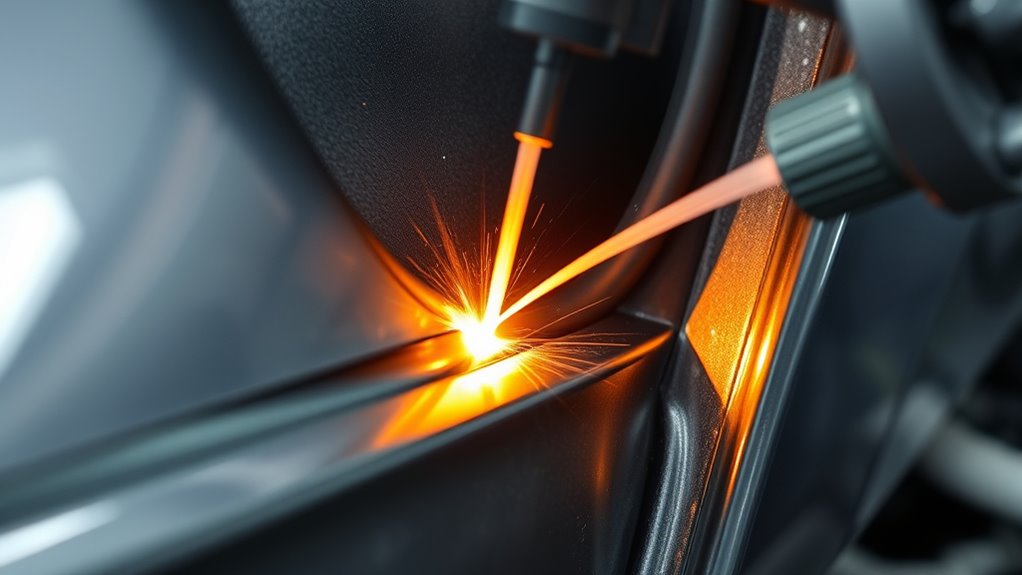
Cavity wax matters in welded seams because welding, grinding, and panel replacement can disturb factory e-coat, primer, and seam protection. Even a clean weld can leave exposed edges inside an overlap where paint cannot reach. Once moisture sits in that overlap, corrosion can start in a place you may not see until bubbles appear outside the panel.
That risk is higher in tight joints such as hem flanges, plug-weld flanges, lap seams, rocker panels, and pillars. These areas act like crevices because water, road grit, and chloride residue can collect inside them. Cavity wax helps by forming a flexible, water-resistant barrier over the hidden metal.
Most cavity wax products stay waxy instead of curing into a hard shell. That flexibility helps the coating move with normal body vibration and temperature changes. It can also reflow over very small scratches or thin spots, but it will not repair rust, replace seam sealer, or restore weak metal.
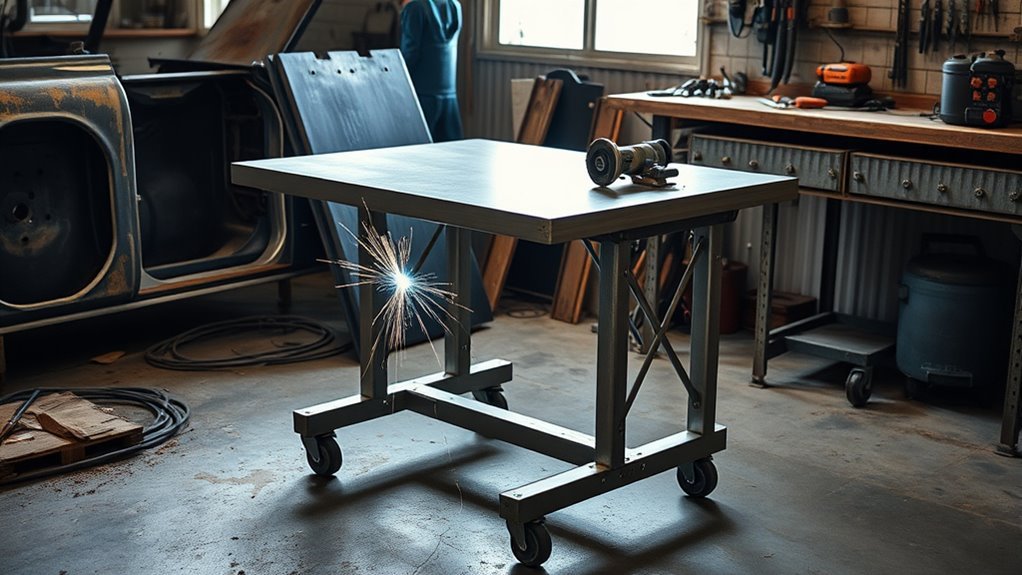
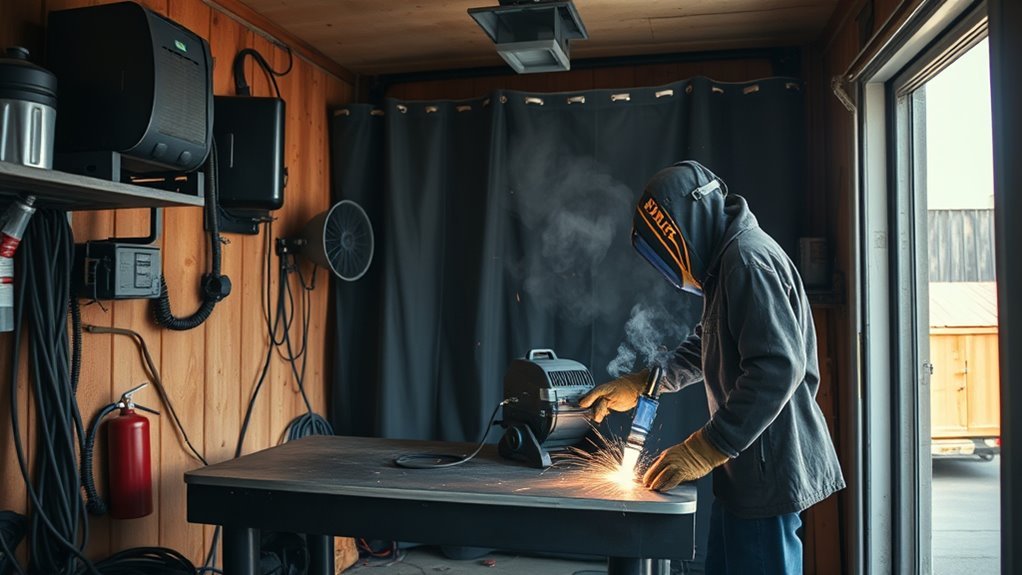
Warning: Do not spray cavity wax before welding, near grinding sparks, on hot metal, or around open flames. Many cavity wax products are aerosol or solvent-based. Work in strong ventilation, wear eye and skin protection, and use respiratory protection that matches the product label and safety data sheet.
Where Cavity Wax Protects Best
When you target the right locations, cavity wax gives the best results in welded seams exposed to water flow, road grit, and salt. Focus on areas that are enclosed, hard to inspect, or likely to stay wet after rain or winter driving.
- Rocker panels and sills: These sit low on the vehicle and collect moisture from road spray.
- A-pillars, B-pillars, and C-pillars: These hidden columns often have internal seams and weld flanges.
- Door, hood, and deck-lid hems: Folded metal edges can trap moisture at the seam line.
- Wheel arches and quarter panels: Road salt and grit hit these areas constantly.
- Roof rails and roof side seams: Water can travel along seam channels and into small openings.
- Frame rails, brackets, and plug-weld flanges: Repairs can expose bare edges inside boxed sections.
Cavity wax works best where you cannot easily brush, sand, or paint after assembly. You are not just coating a visible surface. You are protecting enclosed steel that could corrode from the inside out.
Note: Keep factory drain holes open. Cavity wax should coat the inside of the panel, not trap water by blocking drains at the bottom of doors, rockers, tailgates, or quarter panels.
Cavity Wax vs Seam Sealer vs Primer
Cavity wax, seam sealer, and primer do different jobs. For a strong repair, you often need more than one of them.
| Product | Main Job | Where It Goes |
|---|---|---|
| Primer | Bonds to prepared metal and supports paint or sealer | Accessible bare metal, depending on the repair system |
| Seam sealer | Seals exterior seams against water entry | Visible or accessible joints, flanges, and seams |
| Cavity wax | Creeps into hidden cavities and coats internal edges | Inside rockers, pillars, hems, rails, and enclosed welded overlaps |
The usual repair order is simple: finish the weld, let the area cool, clean the repair, apply primer or corrosion protection where the repair system calls for it, seal the exterior seam, then spray cavity wax inside the hidden cavity after the area is dry. Always follow the vehicle maker’s repair procedure and the product label.
Products Worth Considering
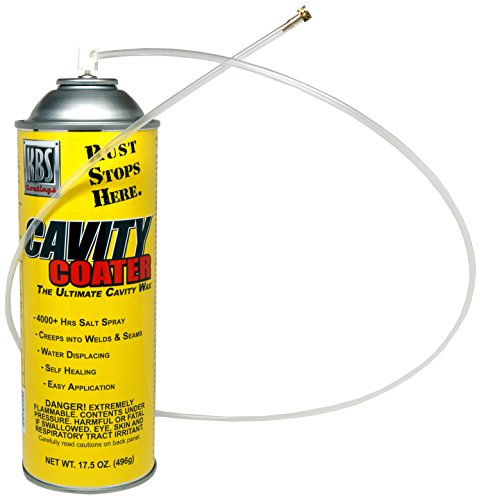
KBS Cavity Coater is the Perfect Solution for hard to reach areas that are prone to rusting
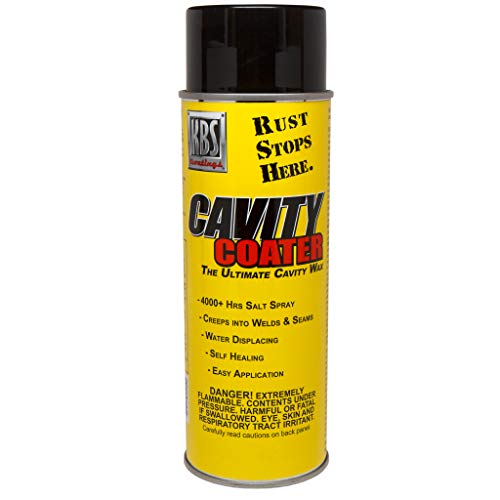
4000+ Hrs Salt Spray (Insane Rust Protection)

CORROSION PROTECTION: Protects internal body panels, frame rails and structural enclosures
How to Apply Cavity Wax in Seams
Start with a clean, dry seam so the wax can reach the metal you are trying to protect. Remove loose debris, dust, oil, and loose rust first. If you find active rust, repair it before applying wax. Cavity wax can slow future corrosion, but it should not be used to hide rust that already needs metal repair.
- Let the repair cool fully. Never spray wax on hot metal or near fresh welding heat.
- Clean and dry the cavity. Blow out dust and moisture, then allow trapped areas to dry.
- Mask nearby trim, glass, paint, and drain openings. Protect areas where wax overspray would be hard to remove, but do not permanently block drains.
- Shake the can or mix the product as directed. Follow the label for temperature, shake time, and spray distance.
- Test the spray pattern. Spray into cardboard or a waste container before inserting the wand.
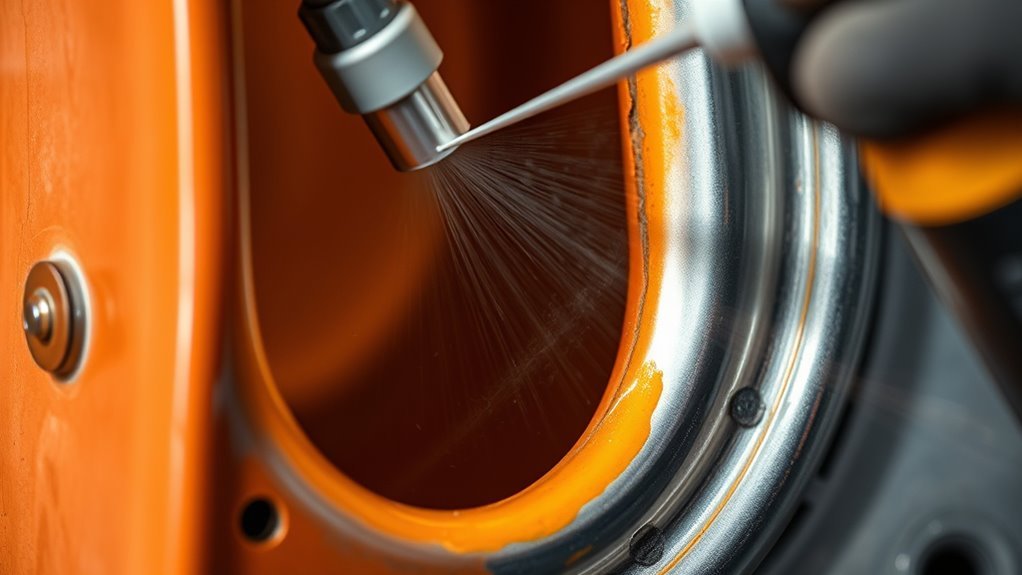
- Insert the 360-degree wand fully. Start deep inside the cavity, trigger the spray, and withdraw the wand slowly.
- Use light overlapping passes. Move steadily so the wax coats seams, folds, and edges without flooding the panel.
- Check for coverage. Use access holes, drain holes, an inspection light, or a borescope when possible.
- Clean overspray. Wipe excess wax from visible paint, glass, rubber, or trim before it becomes messy.
This process keeps welded seams sealed and helps you restore protection where factory coatings were disturbed during repair.
Pro Tip: Warm panels and room-temperature product usually flow better than cold wax on cold metal. Stay within the product label’s temperature range, and avoid applying wax to damp cavities.
How Many Coats and What Wand to Use
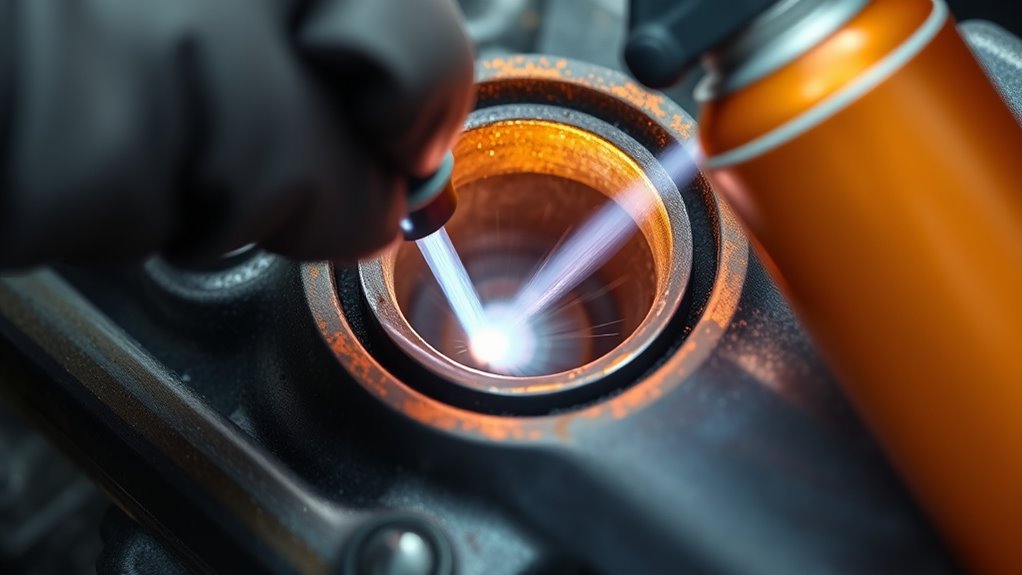
For reliable seam protection, follow the cavity wax product label first. If the label allows repeated passes, use multiple light coats or passes rather than one heavy flood coat. Light layers help the wax reach edges and folds without leaving large puddles inside the cavity.
A long 360-degree wand is the best choice for most welded cavities because it sprays in all directions as you pull it through the panel. Short nozzles work for open seams, but they often miss the back side of a hem flange or boxed rocker panel. A 24-inch to 36-inch wand is useful for long sills, rails, pillars, and roof-side seams.
- Use a thin first pass to wet the hidden seam.
- Add another light pass after the product’s recommended flash time, if allowed.
- Use a final pass on lower seams, weld flanges, and areas exposed to road spray.
- Stop before the wax pools heavily or blocks drain paths.
If you are working on a mid-size sedan, plan material use by seam length and access points. A small door hem may need very little product, while both rocker panels, quarter panels, and wheel arches may require more than one can. Avoid guessing by flooding the panel. Controlled coverage is better than waste.
Products Worth Considering

EFFECTIVE CORROSION PROTECTION: Faster and easier application of cavity wax in hard-to-reach places

PNEUMATIC SUCTION-FEED SYSTEM - Connects to an air compressor and draws compatible undercoating or cavity wax from the metal canister. Air compressor and coating material are not included.

UNIVERSAL CAN FIT: Designed as an aerosol can nozzle extension that fits most standard spray cans including rust inhibitors, penetrating oils, degreasers, silicones, and other corrosion prevention formulas.
Signs Your Seams Need More Protection
If you are checking welded seams for weak protection, look for faint bubbles at the paint edge, orange staining at pinch welds, damp dust in sills, or rust-colored liquid coming from drain holes. These signs suggest moisture is reaching metal somewhere inside the seam.
Use a borescope or inspection light when you can. You need to know whether the issue is thin cavity wax, failed seam sealer, blocked drainage, or active corrosion. Do not simply spray over wet rust and call the repair finished.
| Sign | What It May Mean | Best Action |
|---|---|---|
| Paint bubbles near a weld | Corrosion or moisture under the coating | Inspect, repair rust if present, then restore sealer and cavity wax |
| Orange stain at pinch welds | Active moisture path or exposed seam edge | Clean, dry, inspect the seam, and recoat after the cause is fixed |
| Damp dust inside sills | Water is sitting inside the cavity | Clear drains, dry the cavity, then apply wax |
| Wax dripping for days | Too much product or poor temperature control | Wipe excess, confirm drains are open, and use lighter passes next time |
| Rust-colored water from a drain | Hidden corrosion or contaminated trapped water | Inspect with a borescope before recoating |
Annual inspections and touch-ups keep hidden seams defended. Check sooner if the vehicle sees winter salt, coastal air, off-road mud, floodwater, or fresh collision repair.
Common Mistakes to Avoid
- Spraying before welding: Wax can burn, smoke, contaminate welds, and create a fire risk.
- Covering active rust: Cavity wax slows moisture entry, but it does not rebuild damaged metal.
- Blocking drain holes: Trapped water can cause faster corrosion than no wax at all.
- Using only a short nozzle: A short nozzle may coat the access hole while missing the actual seam.
- Applying one heavy coat: Flooding wastes product and can leave messy drips without improving coverage.
- Skipping inspection: You need to confirm the wax reached the weld flange, not just the easiest surface.
Frequently Asked Questions
When should you use cavity wax?
Use cavity wax after welding, grinding, cleaning, primer or seam sealer work, and drying are complete. It is also useful during routine rust prevention on older vehicles, especially in rocker panels, door hems, wheel arches, pillars, and frame rails.
Where do you apply cavity wax?
Apply cavity wax inside enclosed or semi-enclosed areas such as rocker panels, pillars, lower door hems, quarter panels, wheel arches, roof rails, frame rails, tailgates, and welded overlaps. Use existing access holes when possible and keep factory drains open.
Is cavity wax the same as seam sealer?
No. Seam sealer closes accessible joints so water cannot enter from the outside. Cavity wax coats hidden internal surfaces after the repair is sealed and dry. In many welded repairs, you use both products in different places.
How much cavity wax do I need?
The amount depends on cavity size, wand length, and product output. A small door hem may use only a light pass, while rocker panels, quarter panels, and frame rails can use much more. Follow the product label and apply enough to coat the seam without flooding drains.
Can you spray cavity wax over rust?
Do not use cavity wax as a shortcut over active rust. Remove loose rust, repair weak metal, dry the cavity, and restore primer or seam protection as needed first. Wax is a final hidden-cavity protection layer, not a structural repair.
How often should welded seams be inspected after cavity wax?
Inspect repaired seams at least once a year. Check sooner after winter salt exposure, floodwater, off-road mud, or new paint bubbles. Look for blocked drains, orange staining, damp dust, and areas where wax coverage looks thin.
Conclusion
Cavity wax acts like a hidden shield for welded seams, but it works best when you use it at the right stage of the repair. Let the weld cool, clean and dry the area, restore primer or seam sealer where needed, then spray wax into the hidden cavity with a 360-degree wand. Use light overlapping passes, keep drains open, and inspect the seam regularly. When you treat cavity wax as the final corrosion-protection layer, you give the repair a much better chance against moisture, salt, and hidden rust.
Sources
- OSHA 29 CFR 1910.107, Spray Finishing Using Flammable and Combustible Materials – supports ventilation and flammable vapor safety guidance for spray-applied coatings.
- OSHA 29 CFR 1910.134, Respiratory Protection – supports respirator and respiratory-protection cautions.
- Federal Highway Administration, Corrosion Costs and Preventive Strategies in the United States – supports the importance of corrosion prevention in transportation and infrastructure.
- U.S. Environmental Protection Agency, Winter is Coming! And with it, tons of salt on our roads – supports road-salt corrosion risk.
- Association for Materials Protection and Performance, What Is Corrosion? – supports general corrosion-control context.