Disclosure: As an Amazon Associate, we earn from qualifying purchases. If you click a link on this page and make a purchase, we may receive a small commission at no extra cost to you.
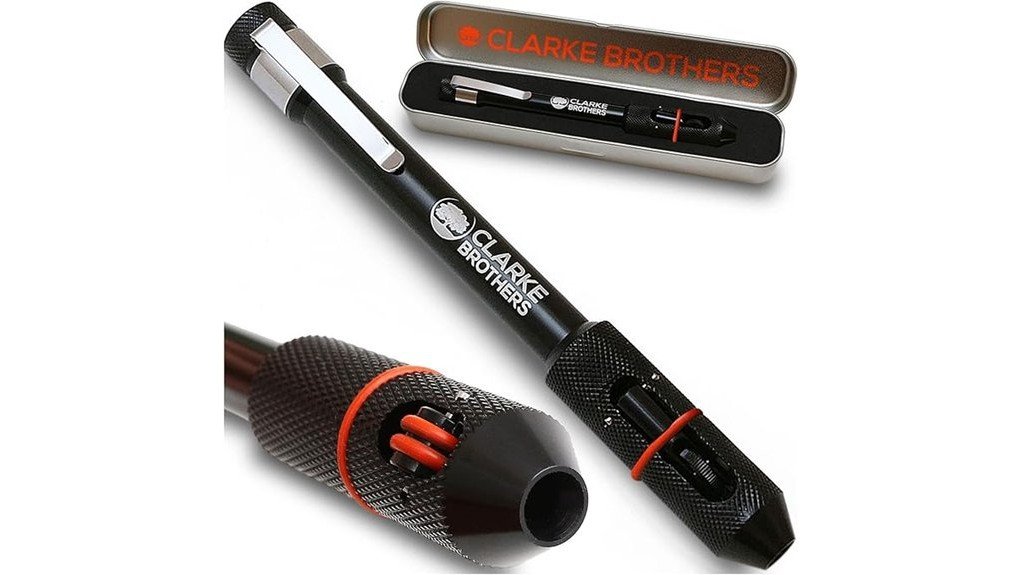
Feeding TIG filler rod by hand can feel awkward when you need steady control, clean rhythm, and less hand fatigue. The Clarke Brothers TIG Welding Pen Holder is made to help you guide filler material more smoothly while keeping your hand in a more controlled position. It uses a lightweight aluminum body, a steel pocket clip, and a compact black anodized design that is easy to keep near your welding setup. This review helps you decide if it is a useful upgrade for your TIG work, or if you should stick with direct hand feeding.
Quick Verdict
Rating: Recommended with caveats
Best For: TIG welders who want a compact filler rod holder for better hand control and cleaner feed rhythm.
Bottom Line: The Clarke Brothers TIG Welding Pen Holder is worth considering if you want a lightweight, pocket-friendly tool that helps you feed filler rod with more consistency. The main tradeoff is that the pocket clip may loosen over time, so it is better for careful shop use than rough tool-bag abuse.
| Specification | Detail |
|---|---|
| Brand | Clarke Brothers |
| Product Type | TIG welding pen holder or filler rod holder |
| Body Material | Aluminum body |
| Clip Material | Steel pocket clip |
| Finish | Black anodized finish |
| Length | Article-supported range of about 5.44 to 6 inches |
| Weight | About 0.1 kg, roughly 0.2 lb |
| Grip Style | Ergonomic, non-slip grip design |
| Included Accessory | Metal storage case, based on the article text |
| Best Use | Helping guide TIG filler rod with steadier hand control |
What Is the Clarke Brothers TIG Welding Pen Holder?
The Clarke Brothers TIG Welding Pen Holder is a compact hand tool made for welders who want more control while feeding TIG filler rod. Instead of holding the filler rod directly between your fingers, you use the pen-style holder to guide the rod forward with a steadier grip.
The body is made from lightweight aluminum, which helps keep the tool easy to handle during longer work sessions. The steel pocket clip gives you a simple way to keep it on your shirt, apron, or tool pocket when you are moving around the shop.
The black anodized finish adds a cleaner look and helps protect the aluminum surface. The main appeal is simple: better filler control without adding a bulky tool to your welding bench.
Who Should Buy It?
Best For
- TIG welders who want smoother filler rod feeding.
- Beginners who struggle to keep a steady filler rhythm.
- Shop users who prefer compact, pocket-friendly tools.
Skip If
- You already feed filler rod smoothly by hand and do not want an extra tool.
- You need a heavy-duty holder that can handle rough jobsite storage.
- You expect one holder to fit every filler rod size without checking compatibility.
Design and Construction Quality
The Clarke Brothers TIG Welding Pen Holder has a simple, practical design built around control. Its aluminum body keeps weight low, so your hand does not feel loaded down while you are working on longer beads or repeated practice passes.
The ergonomic shape is meant to give you a more secure hold than pinching filler rod between your fingers. That can help when you need a smooth feed rate, especially on thin material where uneven filler movement can affect bead appearance.
The steel pocket clip is useful for storage, but it is also the part most likely to see stress. If you clip and unclip the tool often, check the clip tension from time to time so it does not loosen unnoticed.
Before You Buy: Check the filler rod sizes you use most often before ordering. A TIG pen holder is most helpful when it fits your regular filler material and feels natural in your hand.
Performance Benefits
The biggest benefit is steadier filler control. When the rod moves through a pen-style holder, you can focus more on torch angle, puddle movement, and travel speed instead of fighting the filler rod with your fingers.
This can be useful for practice work, small shop projects, and any TIG job where consistent filler addition matters. A smoother feed can help you avoid sudden dips, uneven dab timing, and wasted filler material.
It will not replace skill or correct machine setup. You still need proper amperage, clean material, good tungsten preparation, and steady torch control. The holder simply gives your filler hand a more organized way to move the rod.
Fit and Compatibility
The article describes this holder as compatible with different welding pen or filler rod sizes, but you should still treat fit as a key buying point. TIG filler rod comes in several common diameters, and a holder that feels good with one size may feel different with another.
If you mainly weld thin sheet, small-diameter filler may be your priority. If you work on thicker material, you may use larger filler more often. Make sure the holder suits the filler sizes you plan to feed most, not just the one you use occasionally.
How It Performs in Real Use
For TIG Practice Sessions
This tool makes the most sense during practice because it helps you build a repeatable feeding motion. If you are learning to coordinate torch movement and filler dabs, the pen-style grip can make the filler hand feel less clumsy.
For Thin Material Work
On thin material, small changes in filler control can show up quickly in the bead. The Clarke Brothers holder may help you feed smaller amounts more evenly, but you still need careful heat control to avoid burn-through or excess buildup.
For Longer Welds
The lightweight aluminum body helps reduce hand strain compared with using a bulky accessory. For longer beads, that can make it easier to keep a smooth rhythm, especially when you need to maintain the same hand position for several minutes.
For Shop and Bench Use
The compact body and pocket clip are helpful in a shop setting. You can keep the holder close while moving between your bench, welder, and prep area. The included metal storage case also helps protect it when it is not in use.
How to Use It Correctly
Start by loading a filler rod size that fits securely and moves smoothly through the holder. Practice feeding the rod forward without striking an arc first, so you can feel how much pressure it takes to move the filler at a steady pace.
During welding, keep the holder angled in a way that lets the filler rod enter the front edge of the puddle without touching the tungsten. Move slowly at first and focus on repeatable feed timing rather than speed.
After each session, wipe the holder with a clean cloth. If it picks up dust, shop grit, or metal particles, use a damp cloth and mild soap, then dry it fully before storing it in the metal case.
Pro Tip: Practice feeding filler rod through the holder with gloves on before you weld. If the motion feels smooth during dry practice, it will be easier to control once you are watching the puddle.
Material Safety and Care
The holder uses an aluminum body with a steel pocket clip. These are common workshop materials, but the tool should still be kept away from direct arc heat, grinding sparks, and hot workpieces when you are not actively using it.
Do not use the holder as a pry tool, clamp, or contact point for hot metal. It is designed for guiding filler rod, not for handling heated parts. Let the work area cool and follow normal welding safety practices, including gloves, eye protection, ventilation, and safe torch handling.
The black anodized finish should be easy to wipe clean, but harsh scraping or rough storage can still mark the surface. Store it in the included metal case when it is loose in a drawer or tool bag.
User Experience and Customer Feedback
User feedback in the source article focuses on comfort, grip, and better control. Welders like that the tool is light enough to use without feeling awkward, and the non-slip grip helps keep your filler hand more stable during repeated passes.
The most useful praise is about control rather than looks. A tool like this earns its place when it helps you feed filler rod more smoothly and reduces small mistakes that come from hand fatigue.
The main concern is the pocket clip. Some users note that it may loosen over time. That does not ruin the core function of the holder, but it does mean you should treat the clip as a convenience feature rather than the strongest part of the tool.
Pros and Cons
Pros
- Lightweight aluminum body is easy to handle during longer TIG sessions.
- Pen-style design can help improve filler rod control and feed rhythm.
- Non-slip grip gives your filler hand a more secure hold.
- Black anodized finish helps protect the body and gives it a clean shop-ready look.
- Metal storage case makes it easier to protect the holder between uses.
Cons
- Pocket clip may loosen with frequent use.
- Compatibility should be checked against your preferred filler rod sizes.
- It will not fix poor torch control, dirty metal, or incorrect welder settings.
Is It Worth the Price?
The Clarke Brothers TIG Welding Pen Holder is a smart buy for everyday use if you want better filler rod control without buying a large or complex accessory. Its value comes from the aluminum body, compact size, storage case, and simple hand-control improvement.
It is better for buyers who care about precision and repeatable movement than for welders who only need a basic filler rod storage tool. If you are still learning TIG, it may also help you build a more consistent feeding habit.
It is not the best fit if you want a tool that solves every TIG control problem. You still need practice, clean prep, and proper machine setup to get strong results.
How It Compares to Alternatives
Compared with feeding filler rod directly by hand, this holder gives you a more structured grip and may reduce finger fatigue. Compared with larger filler feeding tools, it is easier to store and carry, but it may not feel as sturdy for heavy shop abuse.
If you want the simplest setup, direct hand feeding costs nothing and works well once you develop skill. If you want a compact aid for smoother filler movement, the Clarke Brothers holder is worth comparing against other TIG pen-style holders with similar aluminum construction.
Frequently Asked Questions
Is the Clarke Brothers TIG Welding Pen Holder good for beginners?
Yes, it can help beginners practice smoother filler rod feeding. It does not replace TIG technique, but it can make the filler hand feel more controlled while you learn torch angle, travel speed, and dab timing.
What is the holder made from?
The article describes an aluminum body with a steel pocket clip and black anodized finish. This combination keeps the tool light while giving it a durable outer surface for normal shop use.
Will it fit every TIG filler rod size?
The article says it can accommodate different sizes, but you should still check fit against the filler rods you use most. Fit matters because the holder should feed smoothly without feeling too loose or too tight.
How do you clean and maintain it?
Wipe it with a damp cloth and mild soap when needed, then dry it before storing. Check the pocket clip occasionally, especially if you clip it to clothing, aprons, or tool pockets often.
Does it come with a storage case?
The article states that the holder includes a metal storage case. That is useful if you keep small welding accessories in a drawer, bag, or mobile tool kit.
Can it improve weld quality by itself?
No tool can guarantee better welds by itself. This holder may help you feed filler rod more consistently, but weld quality still depends on clean material, proper settings, tungsten prep, and your hand control.
Who should skip this TIG welding pen holder?
Skip it if you already feed filler rod smoothly by hand or if you need a heavy-duty accessory for rough jobsite storage. It is most useful for welders who want a compact control aid for bench or shop work.
The Bottom Line
The Clarke Brothers TIG Welding Pen Holder is recommended with caveats for TIG welders who want a compact, lightweight way to improve filler rod control. Its strongest points are the aluminum body, non-slip grip, and pocket-friendly design, while the main limitation is the pocket clip durability concern.
Buy it if you want a small tool that may make filler feeding smoother during practice and shop work. Skip it if you already feed rod comfortably by hand or need a more rugged tool for harsh storage.