Disclosure: As an Amazon Associate, we earn from qualifying purchases. If you click a link on this page and make a purchase, we may receive a small commission at no extra cost to you.
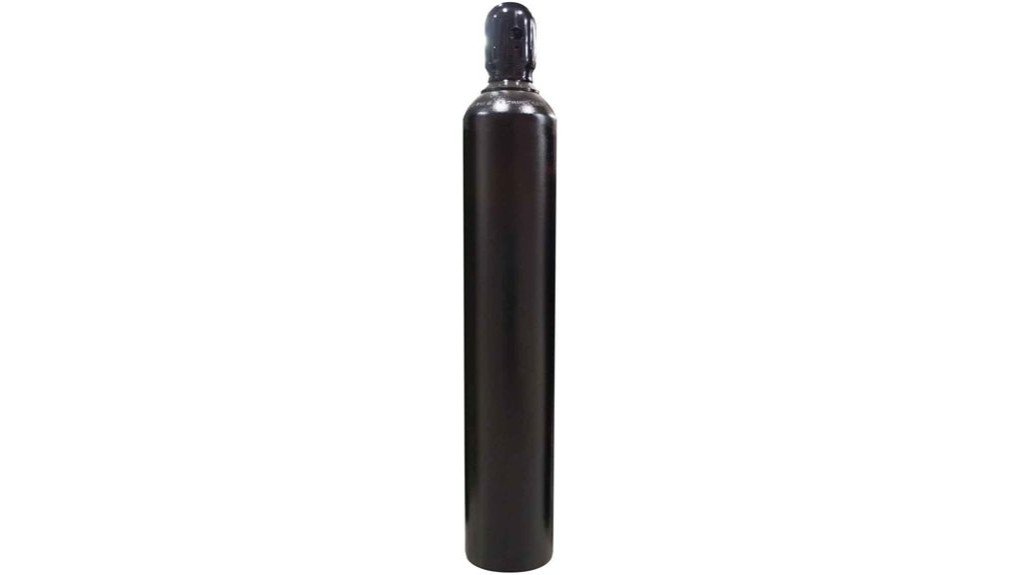
Choosing the right welding gas cylinder matters because the wrong mix, valve connection, or cylinder size can slow your work and affect weld quality. This 125 cu/ft welding gas cylinder tank is built around a 75% Argon and 25% CO2 shielding gas mix, which is commonly used for MIG welding mild steel. It is a practical size if you want more welding time than a small hobby bottle without stepping into the largest shop cylinders. The main tradeoff is that you still need to confirm local refill rules, current hydrotest marking, shipping limits, and gas compatibility before you buy.
Quick Verdict
Rating: Recommended with caveats
Best For: MIG welders who use 75/25 Argon/CO2 shielding gas for steel projects and want a mid-size cylinder with a CGA 580 connection.
Bottom Line: The 125 cu/ft size gives you useful capacity for garage, farm, light shop, and DIY welding without needing constant refills. It is not the right choice if your welder, refill supplier, or welding process requires a different gas mix, valve, or cylinder exchange program.
| Specification | Detail |
|---|---|
| Product type | Welding shielding gas cylinder tank |
| Cylinder capacity | 125 cu/ft |
| Gas mixture | 75% Argon and 25% CO2 |
| Connection | CGA 580 connection, according to the source article |
| Best use | MIG welding mild steel where 75/25 Argon/CO2 shielding gas is specified |
| Compliance notes | Source article states DOT and ISO compliance with stamped markings |
| Hydrotest note | Source article states a recent hydrotest date stamped within the last two years |
| Full weight estimate | Original article estimates about 120 to 150 lb when full, depending on cylinder design |
| Shipping note | Source article states shipping is limited to the Continental United States, Lower 48 states |
| Safety note | Secure upright, use the correct regulator, confirm refill acceptance, and follow all cylinder handling instructions |
What Is the 125 cu/ft Welding Gas Cylinder Tank?
The 125 cu/ft welding gas cylinder tank is a compressed shielding gas cylinder filled with a 75% Argon and 25% CO2 blend. This blend is often called C-25 or 75/25, and it is commonly used for MIG welding mild steel because it helps provide a stable arc and smoother bead control than straight CO2 for many small-shop jobs.
The source article identifies a CGA 580 connection, which matters because your regulator must match the cylinder valve. If your current regulator does not fit CGA 580, you will need the correct regulator or professional help from a welding gas supplier before use.
The 125 cu/ft capacity makes the tank more useful than very small portable bottles for longer welding sessions. It is still heavy when full, so you should plan for upright storage, a secure cart or wall chain, and careful handling during delivery or refill exchange.
Key Takeaways
- The 125 cu/ft capacity gives you more run time than small hobby cylinders, which helps when you weld several steel parts in one session.
- The 75% Argon and 25% CO2 mix is best suited for MIG welding mild steel when your wire, machine, and project call for that shielding gas.
- The CGA 580 connection is useful only if your regulator and gas setup are compatible.
- The source article states DOT and ISO compliance, plus a stamped hydrotest date, but you should still inspect markings before filling or exchanging the cylinder.
- Lower 48 shipping is useful for online ordering, but refill and exchange rules can vary by local welding gas supplier.
Before You Buy: Confirm that your local gas supplier will refill or exchange this cylinder. Some suppliers prefer their own leased or exchange cylinders, and that can affect the real long-term value.
Who Should Buy It?
Best For
- DIY and garage welders using MIG wire on mild steel.
- Small-shop users who want more capacity than a compact disposable or small refillable bottle.
- Buyers who already use a CGA 580 regulator and 75/25 Argon/CO2 shielding gas.
Skip If
- You need pure argon for aluminum MIG welding or TIG welding.
- Your local supplier will not refill or exchange customer-owned cylinders bought online.
- You need a lighter cylinder that is easy to lift into a vehicle by yourself.
Specifications and Features
The key feature is the 125 cu/ft gas capacity. At common shielding gas flow settings, this gives you several hours of welding time, though the exact run time depends on your flow rate, weld length, joint type, and how often you stop and restart.
The 75% Argon and 25% CO2 mixture is a practical blend for short-circuit MIG welding on mild steel. Argon helps arc stability and bead appearance, while CO2 helps penetration. That balance is why this blend is popular for auto body, farm repair, home fabrication, and general steel work.
The CGA 580 connection helps match the tank with standard argon-style welding regulators. You should still check the regulator inlet before ordering because using the wrong fitting, adapter, or pressure equipment can be unsafe.
Gas Mix and Welding Performance
The 75/25 Argon/CO2 mix is the main reason to consider this cylinder. For mild steel MIG work, it can produce a smoother arc and less spatter than straight CO2 in many setups. That can save time when you want cleaner beads and less cleanup after welding.
This mix is not universal. It is not the right gas for TIG welding, and it is not the right choice for aluminum welding that calls for pure argon. It also may not match every flux-cored wire, stainless wire, or specialty welding procedure.
Before welding, check your machine chart, wire label, and project requirements. A gas cylinder is only useful when the mix, regulator, and welding process all match the job.
CGA 580 Connection and Compatibility
The source article lists a CGA 580 connection. This is an important buying detail because it affects the regulator you can use. If your regulator is made for a different valve outlet, it should not be forced onto the cylinder.
For most buyers, compatibility comes down to three checks: your welder supports gas-shielded MIG welding, your regulator fits CGA 580, and your welding wire is designed for use with 75/25 Argon/CO2. If one of those checks fails, this tank may not solve your setup problem.
Pro Tip: Before ordering, take a photo of your current regulator inlet and welder setup, then confirm the connection and gas mix with your local welding gas supplier. This can prevent buying a cylinder your shop cannot refill or connect.
Compliance and Safety Standards
The source article states that the cylinder meets DOT and ISO requirements and includes stamped markings. Those markings matter because refill stations use cylinder stamps, pressure ratings, and hydrotest dates to decide whether a tank can be filled safely.
The article also states that the hydrotest date is stamped within the last two years. A current hydrotest date is useful because it gives you more time before the next required test, but you should still inspect the cylinder shoulder stamp when it arrives.
Always store and transport compressed gas cylinders upright, secured, and away from heat, sparks, or impact. Do not remove or modify cylinder markings, and do not try to repair a valve or cylinder yourself.
Shipping and Availability
The source article says this tank ships within the Continental United States, covering the Lower 48 states. That makes online ordering more convenient if you do not have a nearby welding gas supplier with the exact cylinder size and mix you want.
The original article also lists a typical delivery window of 5 to 10 business days, depending on location. Treat that as a general shipping expectation, not a guaranteed delivery date, because carrier rules, hazmat handling, seller stock, and location can change.
Before you order, check the current product page for shipping restrictions, delivery address rules, and return terms. Compressed gas cylinders can have stricter handling rules than ordinary shop tools.
How It Performs in Real Use
For Garage MIG Welding
For a home garage setup, the 125 cu/ft size is a useful middle ground. It gives you enough shielding gas for small fabrication, brackets, panels, mower decks, and repair jobs without needing a refill after every short project.
For Auto Body and Thin Steel
The 75/25 Argon/CO2 mix can work well for thin mild steel when your welder settings, wire size, and technique are correct. It can help reduce spatter compared with harsher gas choices, but it will not fix poor surface prep, wrong voltage, or bad wire feed speed.
For Small-Shop Work
In a small shop, this cylinder can support repeated tack welds, short beads, and repair jobs without taking up as much floor space as larger industrial cylinders. The tradeoff is that heavy users may still prefer a larger bottle or a local exchange plan.
For Occasional Use
If you weld only a few times each month, the 125 cu/ft size may last a long time. You should still close the cylinder valve after each use, check for leaks, and store the tank secured upright so gas is not wasted between projects.
Setup Tips Before First Use
- Check the cylinder label, shoulder stamp, and hydrotest date before connecting it.
- Confirm that your regulator fits the CGA 580 valve connection listed in the source article.
- Use leak-check solution after connecting the regulator, especially if the cylinder was shipped.
- Start with the flow setting recommended by your welder, wire, and welding conditions, then adjust only as needed.
- Keep the cylinder chained or strapped upright during storage and use.
- Ask your gas supplier about refill or exchange rules before the cylinder runs empty.
Common Mistakes to Avoid
Do not buy this tank just because the capacity looks right. The gas mix must match your process. If your job calls for pure argon, tri-mix, straight CO2, or another specialty gas, this 75/25 blend is the wrong choice.
Do not assume every local supplier will refill a customer-owned cylinder purchased online. Some suppliers may inspect the cylinder, require certain markings, or only exchange cylinders from their own program.
Do not leave the regulator pressurized after welding. Close the cylinder valve, bleed the line, and follow your regulator instructions so the equipment is not left under pressure between jobs.
Pros and Cons
Pros
- 125 cu/ft capacity supports longer welding sessions than small hobby cylinders.
- 75% Argon and 25% CO2 blend is useful for many mild steel MIG welding jobs.
- CGA 580 connection matches many argon-style welding regulator setups.
- Source article states DOT and ISO compliance with stamped cylinder markings.
- Recent hydrotest date, as described in the source article, can make refill approval easier.
Cons
- Not suitable for every welding process or metal type.
- Heavy when full, so moving and storing it takes care.
- Local refill or exchange acceptance may vary by supplier.
Is It Worth the Price?
This cylinder is worth considering if you already know you need a 125 cu/ft 75/25 Argon/CO2 tank for MIG welding steel. The value comes from capacity, convenience, and fewer refill trips compared with smaller cylinders.
It is likely a mid-range to premium purchase for a home shop because compressed gas cylinders cost more than basic welding accessories. You get the most value if you weld often enough to use the larger capacity and if your local supplier will refill or exchange the cylinder without extra hassle.
It is not the best fit if you weld rarely, need a lighter portable tank, or cannot confirm local refill support. In those cases, a smaller cylinder or a local supplier exchange program may be easier.
How It Compares to Alternatives
Compared with a small 40 cu/ft or 80 cu/ft cylinder, this 125 cu/ft tank gives you more welding time between refills, but it is heavier and harder to move. Compared with larger shop cylinders, it is easier to fit in a garage or mobile cart, but high-volume welders may still outgrow it.
Compared with straight CO2, a 75/25 Argon/CO2 blend can give smoother arc behavior for many mild steel MIG jobs. Compared with pure argon, this blend is better suited to mild steel MIG work, not aluminum MIG or TIG applications that require pure argon.
Frequently Asked Questions
What is this 125 cu/ft welding gas cylinder best used for?
It is best used for MIG welding mild steel when your setup calls for 75% Argon and 25% CO2 shielding gas. It is useful for garage fabrication, auto body work, farm repairs, and general steel projects.
Can I use this tank for TIG welding?
No, not if it is filled with 75/25 Argon/CO2. TIG welding commonly requires pure argon or another process-specific shielding gas, so you should follow your welder manual and filler metal requirements.
Will the CGA 580 connection fit my regulator?
It will fit only if your regulator is made for a CGA 580 inlet. Check the regulator label or ask a welding gas supplier before connecting the cylinder.
How long does a 125 cu/ft cylinder last while welding?
Run time depends on your flow rate and how much arc-on time you use. As a simple estimate, a 125 cu/ft cylinder lasts about 6.25 hours at 20 CFH or about 5 hours at 25 CFH, before losses from purging, leaks, and setup time.
How heavy is the cylinder when full?
The original article estimates about 120 to 150 pounds when full, depending on the cylinder design. Because of that weight, you should plan to move it with proper lifting help, a cart, or supplier support.
Can I refill this cylinder anywhere?
Not always. Refill rules vary by supplier, and some companies refill only approved customer-owned cylinders or exchange only their own tanks.
What storage temperature is recommended?
The original article recommends storing the tank between 32°F and 120°F. Keep it upright, secured, dry, and away from heat sources or places where it could be struck.
Who should skip this welding gas cylinder?
Skip it if you need pure argon, a different valve connection, a smaller portable cylinder, or a supplier-managed exchange tank. You should also skip it until you confirm refill support in your area.
The Bottom Line
The 125 cu/ft 75% Argon and 25% CO2 welding gas cylinder tank is a strong fit for MIG welders working on mild steel who want useful capacity, a CGA 580 connection, and a practical shop-size cylinder. Skip it if your process needs a different gas mix, your supplier will not refill it, or you need a lighter tank for frequent transport.