Choosing a welding gas cylinder size is not as simple as picking the tallest bottle. The right choice depends on the gas, welding process, flow setting, trigger-on time, refill access, storage space, and how safely you can move the cylinder. Supplier size names are only a starting point, so confirm the actual capacity, valve, dimensions, and ownership terms before paying.
Quick Answer
An 80 cf high-pressure shielding-gas cylinder is a practical starting point for many home welders because it balances runtime and portability. Choose 40 cf for short, occasional work and 125 cf for longer or frequent sessions. Confirm the supplier’s actual dimensions, gas quantity, valve connection, and exchange rules first.
Key Takeaways
- Cylinder size labels such as 40, 80, and 125 are supplier designations, not universal physical standards.
- At 20 cubic feet per hour, nominal trigger-on runtime is about 2 hours for 40 cf, 4 hours for 80 cf, and 6.25 hours for 125 cf.
- Argon and argon blends are commonly sold by cubic-foot capacity, while carbon dioxide is a liquefied gas commonly sold by weight.
- The cylinder label, gas type, valve connection, and compatible regulator matter as much as capacity.
- Secure cylinders upright, protect the valve, provide ventilation, and follow the gas supplier’s handling instructions.
At a Glance
| Time Required | About 10–15 minutes to compare sizes and calculate runtime |
| Difficulty | Easy |
| Tools Needed | Welder manual, expected flow rate, calculator, tape measure, and supplier size chart |
| Cost | Varies by gas, cylinder size, local refill price, deposit, lease, and exchange program |
What’s in This Article
- Common Sizes of Welding Gas Cylinders
- Argon, CO2, and Other Welding Gas Cylinder Specs
- Why Cylinder Capacity Matters for Flow Rate
- Choosing the Right Cylinder Size for MIG and TIG Welding
- Matching Shielding Gas to the Welding Process
- Safety Considerations When Handling Gas Cylinders
- Cost Implications of Welding Gas Cylinder Sizes
- Best Practices for Maintaining Welding Gas Cylinders
- Frequently Asked Questions
- Conclusion
- Sources
Common Sizes of Welding Gas Cylinders
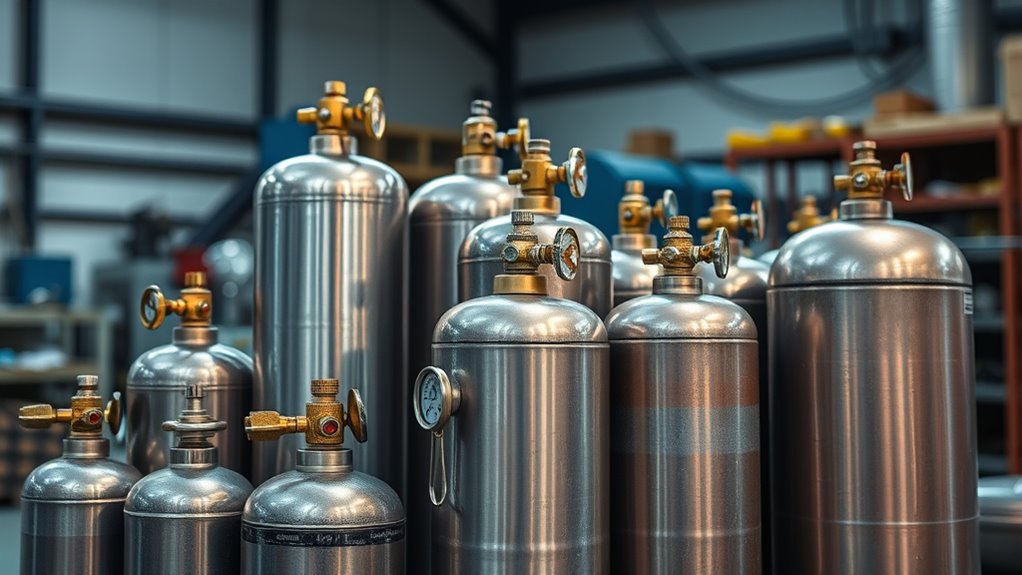
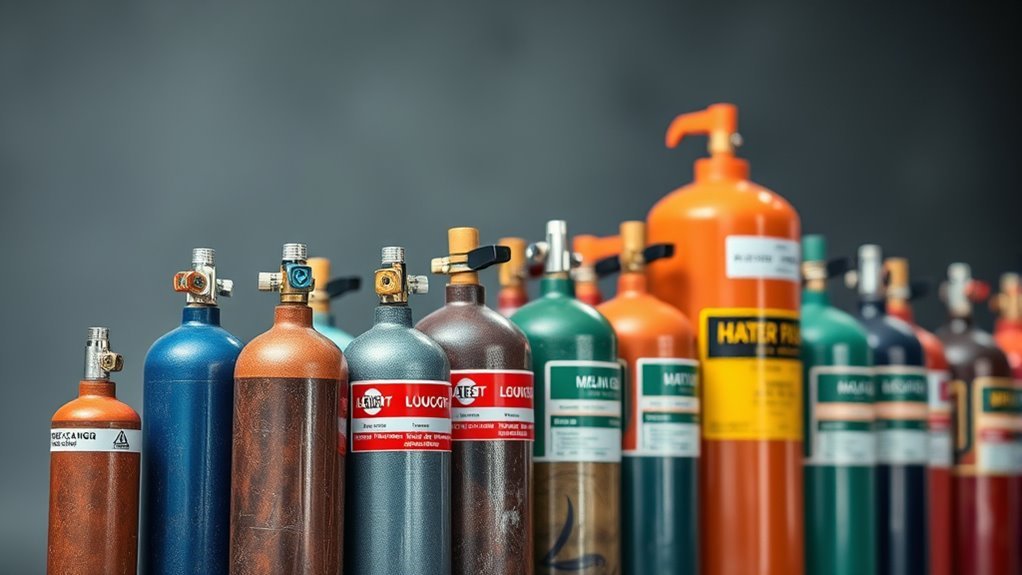
For home and small-shop MIG or TIG welding, the most commonly discussed high-pressure shielding-gas sizes are 40 cf, 80 cf, and 125 cf. The “cf” number refers to a nominal amount of free gas in cubic feet, not the cylinder’s internal water volume or its physical size.
These labels are not fully standardized across suppliers. A cylinder called “80” by one company may contain slightly more or less gas than another supplier’s version, and valve guards can change the overall height. The chart below uses one major supplier’s carbon-steel cylinder specifications as an example, not as a universal standard.
| Nominal Supplier Size | Example Body Size* | Example Average Tare Weight* | Runtime at 20 cfh | Best Fit |
|---|---|---|---|---|
| 40 | About 7 × 19 in | About 26 lb before gas | About 2 hours | Practice, short repairs, easy storage |
| 80 | About 7 × 33 in | About 57 lb before gas | About 4 hours | Regular garage welding and moderate portability |
| 125 | About 7 × 43 in | About 62 lb before gas | About 6.25 hours | Frequent work, longer projects, fewer exchanges |
*Example nominal dimensions exclude the valve and cap, and tare means the empty cylinder’s weight. Filled weight changes with the gas and cylinder design. Verify the exact bottle offered by your supplier. See the Airgas cylinder specification chart.
A cylinder’s size name is a supplier label—not a promise of universal height, weight, pressure, or exact gas quantity.
A 40 cf cylinder works well when portability matters more than refill frequency. An 80 cf cylinder is heavier but gives roughly twice the nominal gas time at the same flow. A 125 cf cylinder lasts longer, yet it may be awkward to lift or fit beneath a workbench. Plan your welding protective clothing, cylinder cart, restraints, and storage area together rather than treating the bottle as an afterthought.
Products Worth Considering

Argon/CO2 Regulator with Flowmeter: Designed for MIG and TIG welding with argon, CO2, and argon/CO2 mixed gas tanks; CGA-580 inlet fits standard gas cylinders

CGA580 Inlet Connection: Welding gas regulators connects easily to argon and Co2 tanks, note that a CGA-320 adapter is required for use with Co2 cylinders. This product comes standard with the CGA-580 connector only

Compatible with CGA-580 tanks: Easily attach this Gas Pressure Regulator/Flowmeter to your Argon, Helium, and CO2 tanks with its CGA-580 inlet connector
Argon, CO2, and Other Welding Gas Cylinder Specs
Gas type changes how a cylinder is filled, labeled, measured, regulated, and monitored. Argon and common argon-based shielding-gas blends are nonliquefied compressed gases in typical shop cylinders. Carbon dioxide is stored as a liquefied compressed gas, and acetylene is stored dissolved in a solvent within a porous mass. Those differences make a single “welding bottle size chart” incomplete unless it identifies the gas.
High-Pressure Gas Versus Liquefied Gas
- Argon and argon blends: Commonly sold by nominal cubic-foot capacity. Cylinder pressure generally falls as usable nonliquefied gas is withdrawn, although temperature affects the reading.
- Carbon dioxide: Commonly sold by pounds of product, such as a 20 lb CO2 cylinder. Pressure remains largely tied to temperature while liquid remains, so weighing is the reliable way to estimate contents.
- Oxygen: Commonly supplied as a high-pressure gas and labeled by nominal cubic-foot capacity or a supplier size code.
- Acetylene: Uses special cylinders containing a porous filler and solvent. Withdrawal rate, upright use, and manufacturer guidance matter in addition to nominal capacity.
Valves, Regulators, and Cylinder Markings
The regulator must be designed for the gas, inlet connection, pressure range, and required flow. Common U.S. shop connections often include CGA 580 for argon and many inert-gas blends, CGA 320 for carbon dioxide, CGA 540 for oxygen, and CGA 510 or another approved connection for some fuel-gas cylinders. Do not rely on color, thread appearance, or a remembered connection number. Read the cylinder label and match it to the regulator manufacturer’s instructions.
A shoulder marking such as DOT-3AA2015 identifies a cylinder specification and service pressure; it is not the same as the nominal cubic-foot size. A larger-capacity cylinder does not automatically have a higher service pressure. Capacity also depends on the cylinder’s water volume and allowable fill.
Note: Ask the supplier to show you the product label, valve connection, nominal gas quantity, tare weight, test markings, and exchange terms. Never identify a gas only by cylinder paint color.
Why Cylinder Capacity Matters for Flow Rate
Cylinder capacity affects how long shielding gas can flow before the bottle needs an exchange or refill. The basic planning formula is:
Nominal runtime in hours = cylinder capacity in cf ÷ flow rate in cfh
This is gas-on time, not total time spent in the shop. Setup, fit-up, grinding, and cooling do not use shielding gas, while preflow, postflow, purging, leaks, and repeated test starts do. Use the formula as a planning estimate rather than a promise.
| Cylinder Capacity | At 15 cfh | At 20 cfh | At 25 cfh |
|---|---|---|---|
| 40 cf | About 2.7 hours | About 2 hours | About 1.6 hours |
| 80 cf | About 5.3 hours | About 4 hours | About 3.2 hours |
| 125 cf | About 8.3 hours | About 6.25 hours | About 5 hours |
For example, an 80 cf argon cylinder at 20 cfh provides about four hours of theoretical gas-on time. A 125 cf cylinder at the same setting provides about 6.25 hours. You can use the same method to calculate MIG gas consumption, but use the capacity printed on the supplier’s product record rather than assuming the size code is exact.
Choose Flow for the Weld, Not the Cylinder
Do not lower flow just to make a small bottle last or raise flow because a large bottle can supply it. Follow the welder, torch, gas-lens, nozzle, and filler-metal guidance. Miller lists about 25–35 cfh as a common starting range for short-circuit MIG and about 10–35 cfh as a typical TIG range, but the correct setting depends on cup or nozzle size, joint geometry, drafts, and the equipment manual. Excess flow can waste gas and pull air into turbulent shielding.
Why a Cylinder Empties Faster Than Expected
- A loose regulator, hose, solenoid, torch fitting, O-ring, or valve connection is leaking.
- The flowmeter was set without gas flowing, so the actual welding flow is higher.
- Long preflow or postflow settings use gas between welds.
- Wind or a fan strips shielding gas away, leading the operator to raise flow instead of controlling the draft.
- A damaged flowmeter or regulator gives an incorrect reading.
- The supplier cylinder contains a different nominal quantity than the size name suggests.
- A CO2 pressure gauge is being treated like a fuel gauge even though the cylinder should be weighed.
Pressure-test connections with a leak-detection product approved for the gas and equipment. Never look for a leak with a flame.
Choosing the Right Cylinder Size for MIG and TIG Welding
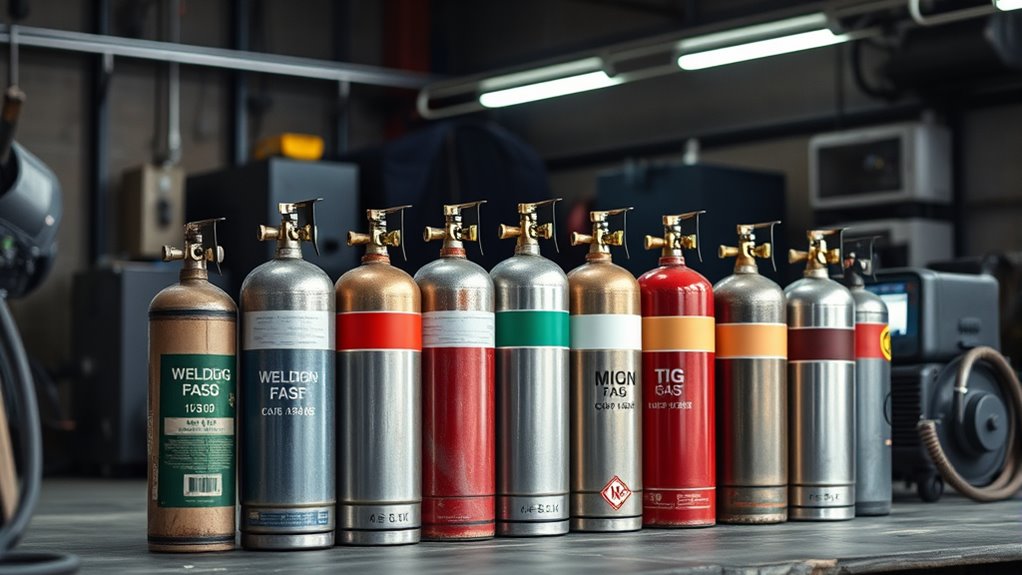
Selecting the right cylinder takes about 10–15 minutes once you know your normal process and flow. Start with the gas your weld requires, then calculate runtime and check whether the bottle can be stored and moved safely.
Products Worth Considering
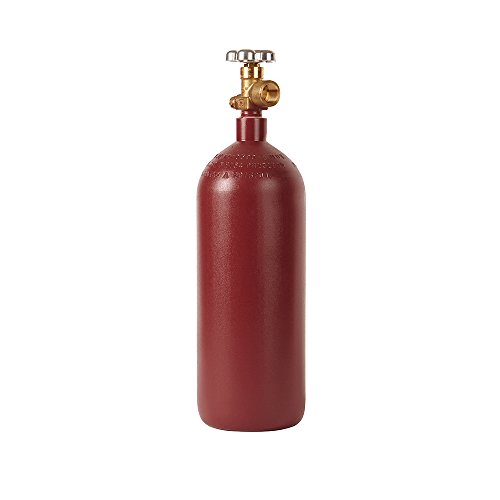
20 CU FT ARGON CYLINDER - Compact steel argon tank perfect for TIG welding, MIG welding, and hobby/small shop fabrication. 2015 PSI service pressure. Ultra-portable with 5.25" diameter x 18" height, 13.67 lb tare weight. Ideal for mobile welders, small shops, automotive repair, and DIY metalworking projects


【Argon Hose Material & Fittings】5FT Argon hose designed for inert gas welding hose systems, compatible with Miller/Lincoln TIG/MIG welders and argon/CO2/Helium mixtures. Fits standard welding gas hose regulators, flow meters, and welding accessories, ensuring seamless integration with argon regulator setups
Before You Begin
Gather these details before calling a welding-gas supplier:
- Your welding process: MIG, flux-cored with gas, TIG, oxy-fuel welding, or cutting
- The base metal and filler wire or rod
- The gas or gas mix listed in the welder or filler-metal guidance
- Your normal flow rate while gas is flowing
- Your expected trigger-on or purge time per project
- Maximum cylinder height, diameter, and weight your cart and storage area can handle
- How often you can reach the supplier for an exchange or refill
Steps to Choose the Right Cylinder Size
- Identify the required gas. Choose the shielding gas from the welder, wire, electrode, or process instructions before choosing the bottle.
- Ask what your supplier actually stocks. Record each option’s nominal quantity, body dimensions, tare weight, valve, deposit or lease, and exchange policy.
- Confirm the normal flow rate. Set and read a flowmeter while gas is flowing. Do not use a generic online number when your equipment manual specifies another value.
- Estimate gas-on time. Add the welding, tacking, preflow, postflow, and purging time expected between supplier visits.
- Calculate nominal runtime. Divide cubic-foot capacity by cfh for argon and similar high-pressure shielding gases.
- Check handling limits. Make sure the cylinder fits an approved cart or stand and can be moved without lifting beyond your ability.
- Compare ownership options. Include the bottle deposit or purchase, refill price, recurring lease, delivery fee, and the value of fewer trips.
- Confirm compatibility before connection. Match the cylinder label and valve to a regulator approved for that gas and pressure.
Practical Size Starting Points
- 40 cf: A reasonable starting point for practice beads, emergency repairs, and users who value easy storage over refill economy.
- 80 cf: A practical middle size for many home garages, maintenance jobs, and moderate MIG or TIG use.
- 125 cf: Better for frequent welding, longer TIG postflow, back-purging, or work where running out of gas would stop a paid job.
- 150–300 size or cylinder pack: Usually better suited to stationary, higher-volume work where delivery, floor space, and professional handling are already planned.
These are planning ranges, not hard rules. A TIG job with a large cup and long postflow may use more gas than brief MIG tack welding. If your shop also has a separate cutting process, review the risks of a shared TIG welder and plasma cutter setup and keep gas cylinders clear of cords, hot metal, and traffic paths.
Matching Shielding Gas to the Welding Process
Cylinder size cannot correct the wrong gas. Verify the gas recommendation for the exact wire, electrode, base metal, transfer mode, and welder. The choices below are common starting points, not substitutes for the manufacturer’s procedure.
| Process and Material | Common Starting Gas | What to Know |
|---|---|---|
| Short-circuit MIG on mild steel | 75% argon / 25% CO2 or another approved argon/CO2 blend | Often chosen for a stable arc and lower spatter than straight CO2. |
| MIG on mild steel where cost and penetration are priorities | 100% CO2 when the wire and machine permit it | Usually more spatter and a different arc than an argon-rich blend. |
| MIG on aluminum | 100% argon for many common applications | Check wire, thickness, and transfer-mode guidance. |
| TIG on steel, stainless steel, or aluminum | 100% argon is the common all-around choice | Specialized helium or mixed-gas procedures may be used for certain jobs. |
| Stainless MIG | Wire- and transfer-specific tri-mix or argon-based blend | Do not assume the mild-steel blend is correct. |
See Miller’s current guidance on MIG shielding-gas selection and TIG shielding-gas practices. Surface coatings can add separate hazards and weld-quality problems, so use a qualified procedure for work such as MIG welding galvanized steel.
Safety Considerations When Handling Gas Cylinders
A compressed-gas cylinder can become a high-energy projectile if its valve is broken. Shielding gases can also displace oxygen, oxygen can intensify combustion, and fuel gases can ignite. Treat an “empty” cylinder with the same handling care as a full one because it can retain pressure and product.
Warning: Do not use a cylinder with an unreadable label, damaged valve, severe dent, heavy corrosion, heat exposure, suspected leak, or overdue test marking. Isolate the area when necessary and contact the gas supplier; never repair, refill, transfer, or alter the cylinder yourself.
Proper Cylinder Storage Techniques
- Store and use cylinders upright unless the gas supplier specifically approves another orientation.
- Secure the upper part of each cylinder with a chain, strap, rack, or approved stand that prevents tipping.
- Install the valve-protection cap when the cylinder is not connected for use and when the valve design accepts a cap.
- Keep storage dry, well ventilated, and away from heat, flames, sparks, hot slag, and electrical circuits.
- Separate oxygen cylinders from fuel-gas cylinders and combustible materials by at least 20 feet or by an approved noncombustible barrier meeting applicable workplace rules.
- Keep oil and grease away from oxygen cylinders, valves, regulators, hoses, and fittings.
- Do not store cylinders in unventilated lockers, boxes, closets, or other enclosures where released gas can collect.
- Keep full and empty cylinders identified and organized so the wrong gas is not connected.
OSHA’s workplace rules provide detailed requirements for oxygen-fuel gas welding and cylinder storage. Home users should also follow the supplier’s safety data sheet and local fire-code requirements.
Safe Cylinder Transport
- Close the valve, remove the regulator when required, and install the protective cap before transport.
- Use a cylinder hand truck or cart designed for the bottle; do not drag, roll, drop, or lift a cylinder by the cap.
- Secure cylinders against movement in the vehicle and follow the supplier’s required orientation.
- Do not leave cylinders in a hot vehicle or carry them in an unventilated passenger compartment or trunk.
- Unload promptly, keep ignition sources away, and comply with state, local, carrier, and hazardous-material transport rules.
Connecting and Leak-Checking a Cylinder
- Read the label. Confirm the gas, hazards, and valve before removing the cap.
- Secure the cylinder. Do this before attaching a regulator.
- Inspect the connection. Stop if threads, sealing surfaces, the regulator, or the valve appear damaged or contaminated.
- Back out the regulator adjustment. Follow the regulator manual so delivery pressure is not applied suddenly.
- Stand to the side. Keep your face and body out of the regulator’s path while opening the valve as directed by the gas and equipment supplier.
- Check for leaks. Pressurize the system and use an approved leak-detection solution on the connections. Never use a flame.
- Set flow while gas is moving. Trigger the machine’s gas test or torch control and adjust to the procedure.
- Shut down correctly. Close the cylinder valve after use, relieve trapped pressure according to the equipment manual, and back out the regulator adjustment.
Regular Inspection and Requalification
Before each use, check the label, valve, cap, cylinder body, foot ring, regulator, gauges, hose, and fittings. Look for leaks, dents, bulges, gouges, rust, fire damage, contamination, and unreadable markings. A pressure reading on an argon cylinder can help track remaining nonliquefied gas, but it is not an accurate contents gauge for liquefied CO2.
DOT cylinders require periodic requalification based on the cylinder specification, test method, markings, and applicable rules. The supplier normally manages this for exchange or leased cylinders. Owners should use a facility approved by the Pipeline and Hazardous Materials Safety Administration.
Personal Protective Equipment and Ventilation
Wear safety glasses and suitable work gloves while moving or connecting cylinders. Use flame-resistant clothing, welding gloves, and the correct welding helmet during hot work. Ventilation is essential because argon and carbon dioxide can displace oxygen without warning. A respirator is not a substitute for ventilation or a qualified confined-space program.
Do not take cylinders into a confined space unless a trained, authorized safety plan specifically permits the setup and controls the hazards. Keep the work area clear of cords, scrap, and traffic that could strike a cylinder. The same housekeeping principles apply when creating a clutter-free workspace for cutting equipment.
Acetylene Withdrawal and Pressure Limits
The familiar “1/7 rule” should not be treated as the only current instruction. OSHA incorporates CGA G-1-2009, which treats one-seventh of cylinder capacity per hour as a generally acceptable maximum for many welding and cutting uses while recommending lower rates—about one-tenth for intermittent withdrawal and one-fifteenth for continuous withdrawal—to reduce solvent carryover. Follow the cylinder and torch supplier’s limit, use a larger cylinder or manifold if demand is too high, keep the cylinder upright, and never use acetylene above 15 psig.
Cost Implications of Welding Gas Cylinder Sizes
The smallest cylinder is not always the least expensive over time. Compare the total cost per usable cubic foot or pound, how often you must travel, and whether downtime matters. Prices vary too much by region, gas grade, supplier, and contract to support one national cost chart.
Buy, Rent, Lease, or Exchange?
| Option | Advantages | Questions to Ask |
|---|---|---|
| Customer-owned cylinder | No recurring lease when the supplier accepts it; useful for low-volume ownership | Will the supplier fill or exchange this brand and size? Who pays for requalification? |
| Deposit or exchange program | Fast swap and supplier-managed cylinder condition | Is the deposit refundable? Must you keep the receipt? Can sizes be upgraded? |
| Rental or lease | Access to larger bottles, delivery, or business accounts | What are the monthly or annual fees, minimum usage, delivery charges, and loss fees? |
Pricing Versus Usage Volume
A small cylinder can have a lower starting cost yet a higher gas cost per unit and more frequent travel. A 125 cf cylinder may reduce exchanges for steady users, while a 40 cf bottle can still be economical when it lasts many months and storage is limited. Ask for a written quote showing the gas charge, cylinder charge, hazmat or handling fee, delivery fee, tax, and contract terms.
Long-Term Cost Savings
Calculate how many fills you expect each year. Then include travel time and the cost of stopping work. A paid shop may justify a larger bottle or a full spare even when the raw gas price difference is small. A hobby user who welds twice a year may save more by avoiding a recurring lease.
Pro Tip: Before buying a used cylinder, ask your intended supplier whether it will fill or exchange that exact ownership type, size, gas service, valve, and test status. A cheap bottle is poor value if no local supplier will accept it.
Best Practices for Maintaining Welding Gas Cylinders
Cylinder users do not perform structural maintenance or valve repair. Your job is to inspect, secure, keep equipment clean, prevent contamination, shut down correctly, and return questionable cylinders to the supplier.
Before Each Welding Session
- Read the cylinder label and confirm the gas matches the procedure.
- Check that the bottle is upright and restrained.
- Inspect the valve, regulator, gauges, hose, and torch connections.
- Verify the regulator and flowmeter are rated for the gas and inlet pressure.
- Leak-check the pressurized connections with an approved product.
- Set flow while gas is flowing and control fans or drafts.
After Each Welding Session
- Close the cylinder valve.
- Relieve downstream pressure and back out the regulator adjustment as directed by the manufacturer.
- Coil hoses where they will not be cut, crushed, burned, or tripped over.
- Replace the cap before moving or storing a disconnected cylinder.
- Mark an empty bottle according to supplier practice and keep it separate from full cylinders.
- Record unexpected gas use so a leak can be found before the next job.
For high-pressure nonliquefied gases such as argon, the cylinder-pressure gauge can show a general depletion trend after temperature has stabilized. For CO2, determine remaining product by weight using the stamped or tagged tare weight. Keep the rest of the shop on the same inspection schedule, including leads, torches, ventilation, and plasma cutter consumables.
Pro Tip: Keep a properly stored spare full cylinder when a gas shortage would stop paid work or a time-sensitive repair. Rotate stock and verify both bottles are accepted by the same supplier program.
Frequently Asked Questions
What are the different sizes of welding gas bottles?
Common high-pressure shielding-gas labels include 40, 80, 125, 150, 200, and 300. The label is supplier-specific, so compare the actual cubic-foot quantity, dimensions, tare weight, valve, and filled weight. CO2 cylinders are often sold by pounds rather than the same cubic-foot size system.
How long does an 80 cf welding gas cylinder last?
An 80 cf cylinder provides about four hours of nominal gas-on time at 20 cfh, about 5.3 hours at 15 cfh, or about 3.2 hours at 25 cfh. Actual use is lower after preflow, postflow, purging, leaks, and supplier capacity variation are considered.
Is a 40 cf cylinder enough for home welding?
Yes, a 40 cf cylinder can be enough for short repairs, practice beads, and occasional hobby work. At 20 cfh, it offers about two hours of theoretical gas-on time. An 80 cf cylinder is usually more convenient when you weld often or live far from the supplier.
Can I use the same regulator for argon and CO2?
Not unless the regulator manufacturer specifically approves it for both gases, inlet connections, pressures, and flow ranges. Argon cylinders commonly use a CGA 580 connection, while CO2 commonly uses CGA 320 in the United States. Use the regulator or approved adapter arrangement specified by the equipment manufacturer; never force mismatched fittings.
How do I know how much CO2 is left?
Weigh the cylinder and subtract its stamped or tagged tare weight, plus any known valve or guard allowance included in that tare. CO2 pressure stays mostly related to temperature while liquid remains, so the high-pressure gauge does not work like a steady fuel gauge.
What is the 1/7 rule for acetylene?
The traditional rule limits withdrawal to one-seventh of cylinder capacity per hour. Current CGA guidance incorporated by OSHA treats that as a generally acceptable maximum for many welding and cutting uses but recommends about one-tenth for intermittent withdrawal and one-fifteenth for continuous withdrawal to reduce solvent carryover. Follow the supplier and torch-tip demand chart, and never use acetylene above 15 psig.
What is a Type 1, 2, 3, or 4 cylinder?
Those terms usually describe pressure-vessel construction, especially composite cylinders: all-metal, metal-lined and wrapped, or nonmetal-lined and fully wrapped designs. They are not the normal 40, 80, or 125 capacity labels used when a home welder orders shielding gas. Follow the cylinder’s DOT or UN marking and supplier documentation.
How much oxygen does each tank size hold?
The supplier’s oxygen capacity is normally listed as a nominal amount of free gas in cubic feet or liters. A cylinder sold as 40 cf is intended to contain roughly that nominal quantity under the supplier’s stated conditions, but supplier size codes and actual fills vary. Use the product label or invoice rather than estimating from physical dimensions.
Should I buy a larger cylinder or keep a spare?
Choose a larger cylinder when you can move and store it safely and the supplier’s refill terms improve your total cost. Keep a spare when uninterrupted work matters or the supplier is far away. Compare two smaller bottles against one larger bottle because deposits, leases, test status, and exchange availability can change the better option.
Safety Disclaimer: This article provides general information and does not replace hands-on training, the cylinder and equipment manuals, a safety data sheet, local fire codes, workplace rules, or guidance from a qualified gas supplier. Stop and seek professional help whenever a cylinder’s identity, condition, connection, or safe handling is uncertain.
Conclusion
The best welding gas cylinder size is the smallest one that safely provides enough gas between supplier visits without creating handling or storage problems. A 40 cf bottle suits light use, an 80 cf bottle balances runtime and portability for many home shops, and a 125 cf bottle reduces exchanges for longer or frequent jobs.
Choose the gas first, calculate trigger-on runtime at the correct flow, confirm the supplier’s actual cylinder specifications, and match the valve to an approved regulator. Then compare ownership costs and plan upright restraint, transport, ventilation, inspections, and shutdown. That process gives you a safer, more useful cylinder than choosing by size name alone.
Sources
- Airgas Gas Cylinder Specifications — example nominal cylinder dimensions, tare weights, DOT specifications, and supplier-ownership notes.
- OSHA 29 CFR 1910.253 — workplace storage, separation, handling, valve, regulator, and oxygen-fuel safety requirements.
- OSHA 29 CFR 1910.102 — current acetylene standard and incorporated CGA guidance.
- Miller: Gas for MIG Welding — common shielding-gas choices and MIG flow guidance.
- Miller: Shielding Gas in TIG Welding — argon selection, flow range, and turbulence guidance.
- Matheson Safe Handling of Compressed Gases — cylinder identification, regulator selection, leak checks, and weighing liquefied-gas cylinders.