Does Plasma Arc Welding Use Filler Material?
What’s in This Article
- Understanding Plasma Arc Welding
- The Role of Filler Material in Welding
- When to Use Filler Material in PAW
- Advantages of Using Filler Material
- Challenges and Considerations
- Omission of Filler Material in PAW
- Comparing Weld Quality: With and Without Filler
- Common Applications Requiring Filler Material
- Best Practices for Effective Welding
- Frequently Asked Questions
Plasma arc welding can make clean, narrow welds, but filler material still matters in many jobs. You may need filler when the joint is thick, the fit-up has gaps, or the base metals need extra support. In this guide, you’ll learn when plasma arc welding uses filler material, when it can skip it, and how filler affects weld quality.
Quick Answer
Plasma arc welding can use filler material, but it does not always need it. You often use filler for thicker joints, dissimilar metals, wide gaps, or welds that need more strength. You may skip filler for thin materials or autogenous root-pass welds when the base metal can form a sound joint by itself.
Key Takeaways
- Plasma arc welding can work with or without filler material.
- Filler material helps when you weld thick sections, open joints, or dissimilar metals.
- Autogenous plasma arc welding can suit thin materials and some root-pass welds.
- Filler choice should match the base metal, service conditions, and joint design.
- Clean material, correct gas flow, and tight parameter control help prevent weld defects.
Understanding Plasma Arc Welding
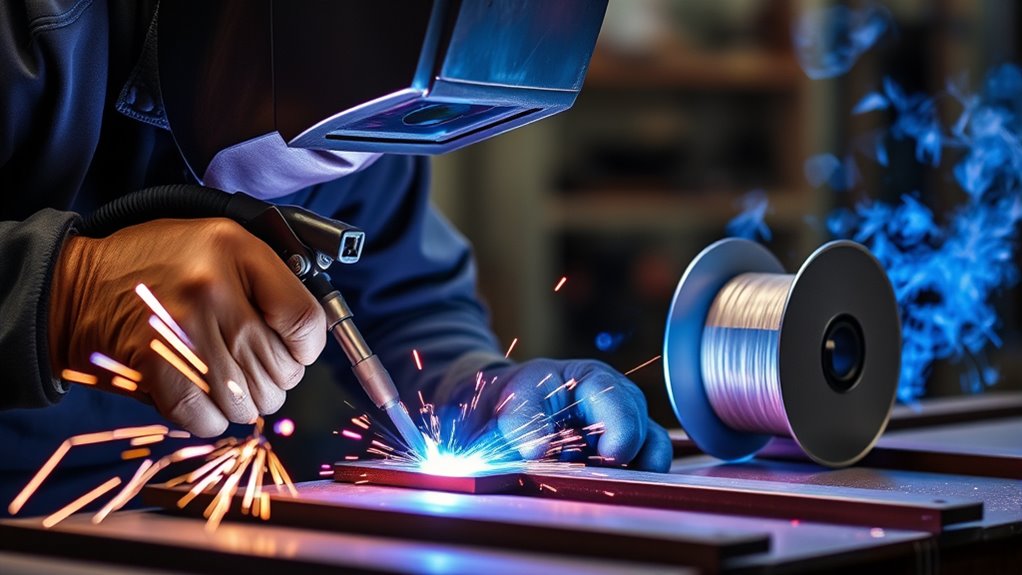
Plasma arc welding (PAW) uses a focused electric arc to melt metal and form a weld. A fine-bore nozzle constricts the arc, which creates a narrow plasma jet with strong heat concentration.
This focused arc gives you strong control over the weld pool. You can adjust current, travel speed, gas flow, and arc length to match the metal and joint shape.
PAW can reach very high arc temperatures, so it can create deep, narrow welds with low distortion when you use correct settings. This control makes it useful for precise work in fields such as aerospace, marine fabrication, electronics, and medical device manufacturing.
Plasma arc welding may use filler metal, but it can also join some parts without filler. The right choice depends on material thickness, joint fit-up, strength needs, and service conditions.
The Role of Filler Material in Welding
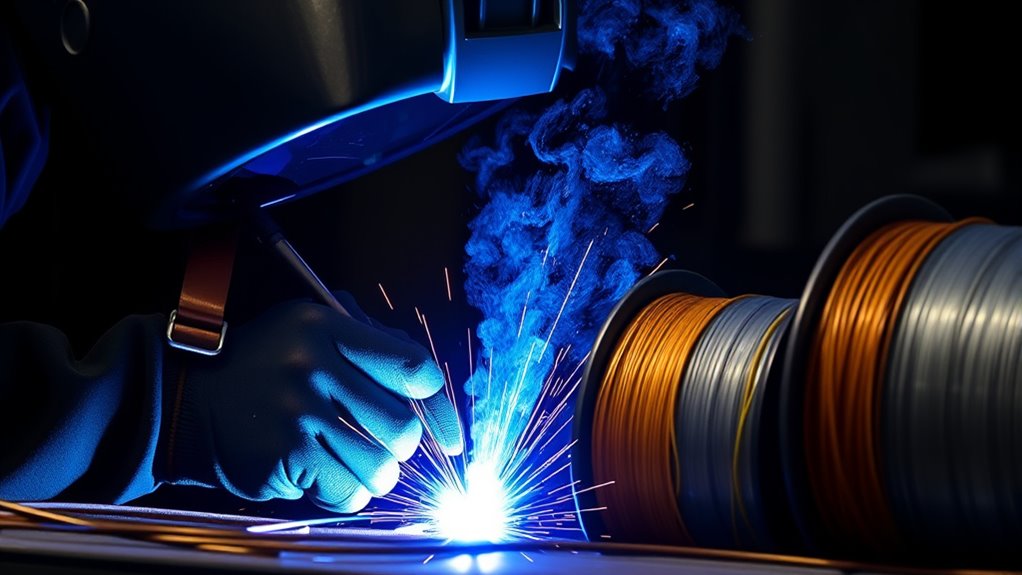
In plasma arc welding, filler material adds metal to the weld pool. This added metal can fill joint gaps, reinforce the bead, and help you control the final weld shape.
You often use filler in butt joints, fillet welds, groove welds, and repair welds where the base metal alone may not give enough volume. Filler can also help when the joint needs better corrosion resistance, wear resistance, or strength.
Good filler selection matters. You should choose a filler that matches the base metal, joint design, and working environment.
Filler Material Necessity
Plasma arc welding can create strong penetration without filler in some cases. Thin materials and well-fitted root-pass welds may only need the melted base metal to form the joint.
Filler becomes more useful when you weld thicker joints, wider gaps, or dissimilar metals. It helps you bridge the joint and improve control over weld size, shape, and strength.
Filler selection also affects corrosion resistance, toughness, hardness, and service life. Stainless steel, nickel-based, cobalt-based, aluminum, and titanium fillers may suit different base metals and service needs.
Clean filler also helps reduce defects. Dirty, mismatched, or damp filler can increase the risk of porosity, cracking, or poor fusion.
Filler Types and Applications
When you choose filler material for plasma arc welding, start with the base metal and the job requirements. The filler must support the joint without creating a weak zone.
Common filler forms include:
- Wire form: Supports steady feeding into the weld pool.
- Powder form: Supports overlay, surfacing, and some automated applications.
- Matching alloy filler: Helps preserve similar strength and corrosion behavior.
- Higher-alloy filler: Helps join dissimilar metals or improve corrosion resistance.
- Hardfacing filler: Adds wear resistance where the surface faces abrasion.
You should avoid choosing filler by name alone. Check the base metal grade, joint design, heat input, and final service condition before you weld.
When to Use Filler Material in PAW
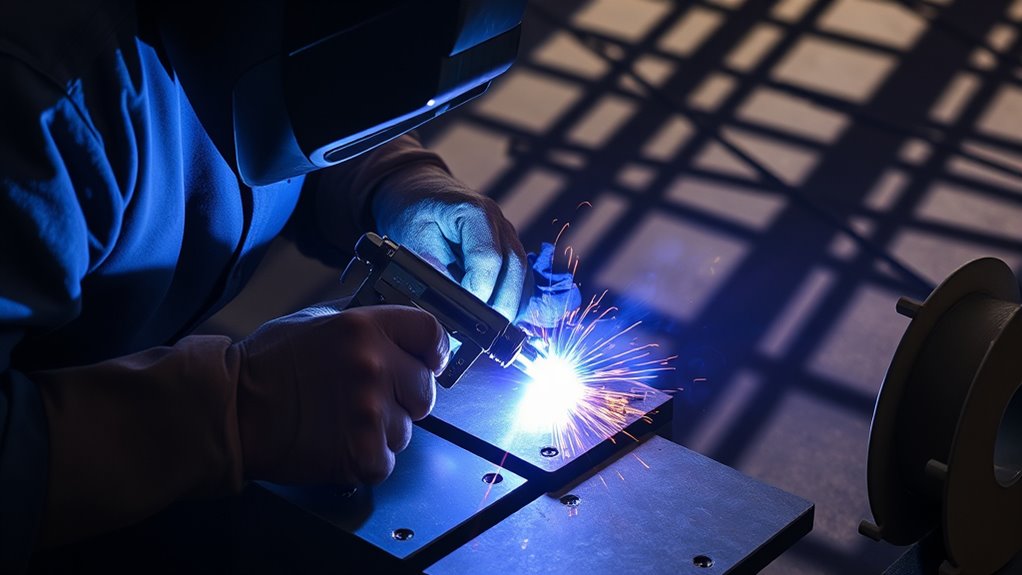
You should use filler material in PAW when the joint needs more weld metal than the base material can provide. This often happens with thick sections, open roots, groove joints, and parts that must carry high loads.
In plasma arc welding, filler material helps you control weld size, strength, and compatibility when the base metal alone is not enough.
Filler can help in square butt, J-groove, V-groove, and fillet joints where joint geometry creates space to fill. It also helps when the joint needs reinforcement beyond a simple fusion bond.
You usually add filler at the leading edge of the weld pool. This position helps the filler melt into the pool and blend with the base metal.
You may not need filler for thin sheet welding, tight-fit autogenous welds, or some root-pass welds. In those cases, too much added metal may create excess bead size or distortion.
Note: Joint fit-up can change the filler decision as much as material thickness.
Products Worth Considering
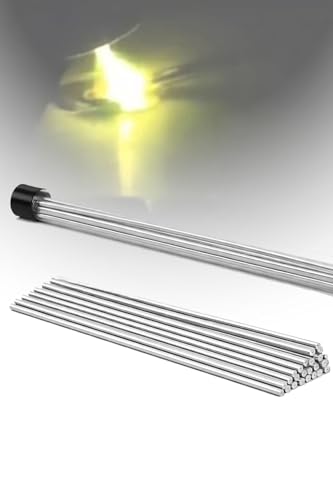
【Easy To Use】ER5356 Aluminum tig welding rod provides smooth arc stability and minimal spatter for clean weld seams, making it easier to achieve precise and visually appealing results.

ER4043 TIG WELDING ROD: ER4043 is a 5% silicon -containing aluminum and silicon alloy welding rod. It has high silicon content, good liquidity, and strong heat resistance

ER4043 TIG WELDING ROD: This TIG welding rod has 5% added silicon, This can improve the liquidity of the melt pool.
Advantages of Using Filler Material
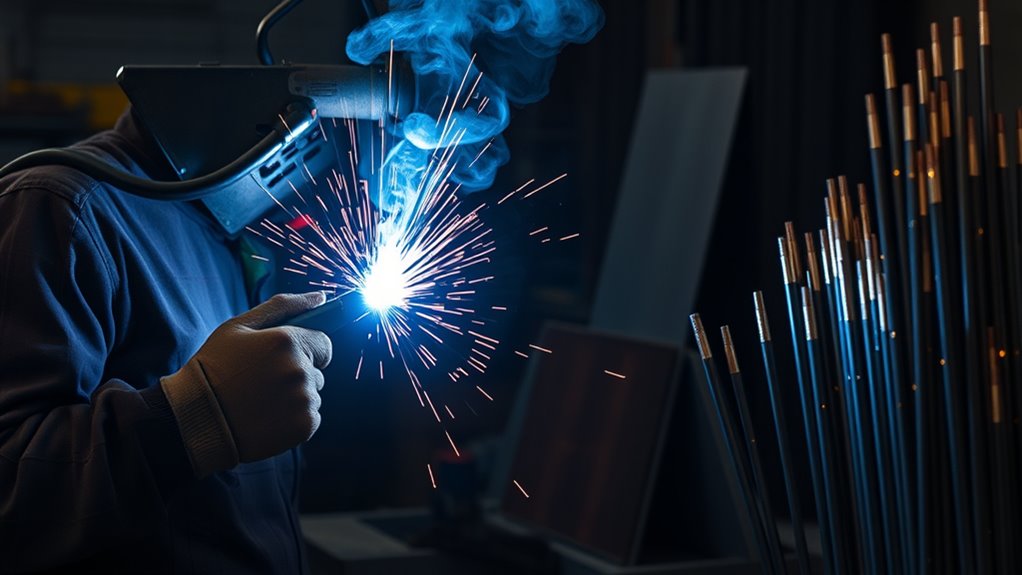
Filler material can improve joint strength, weld shape, and metal compatibility. It gives you more control when the joint needs more volume or specific mechanical properties.
The main benefits include stronger reinforcement, better bead profile, and improved service performance. These benefits depend on correct filler choice and clean welding practice.
Products Worth Considering

ER308L STAINLESS STEEL: ER308L is a low-carbon stainless steel TIG welding rod for general-purpose welding where moderate corrosion resistance and cryogenic performance are required.

Model: ER70S-6 TIG Welding Rod The ER70S-6 is a gas-shielded, copper-plated carbon steel welding rod (welding wire) designed for low-alloy and carbon steel. Perfect for TIG welding, it ensures strong, durable welds and is a must-have in your welding supplies.
Enhanced Joint Strength
Filler material can strengthen a plasma arc weld by adding controlled weld metal to the joint. This extra metal helps bridge gaps and reinforce the weld bead.
Filler can also help you match the weld metal to the base metal. This improves the chance of getting the needed strength, toughness, and corrosion resistance.
- Compatibility: Choose filler that suits the base metal and service environment.
- Defect control: Use filler to reduce undercut, poor fusion, and weak bead shape.
- Weld pool control: Add filler at a steady rate to support bead size and penetration.
- Wear resistance: Use hardfacing fillers where the surface needs more durability.
- Structural support: Add filler where the joint must handle load or vibration.
Improved Weld Appearance
Filler material can improve weld appearance when you feed it smoothly and control heat input. It helps create a more even bead and can fill small gaps or edge mismatch.
A smoother bead can matter in visible parts, precision assemblies, and welds that need a clean finish. It can also reduce grinding or finishing work when the weld profile meets the job standard.
Poor filler feeding can harm the finish. Uneven feed speed, dirty filler, or poor torch angle can create lumpy beads, porosity, or undercut.
Greater Material Compatibility
Filler material can help you join metals that do not weld well with a simple autogenous pass. This matters when you weld dissimilar metals or alloys with different chemistry.
The right filler can reduce cracking risk and support a more stable weld pool. It can also improve corrosion resistance when the base metals need a compatible transition alloy.
- Dissimilar metal welding: Helps join metals with different chemistry.
- Tailored properties: Supports corrosion resistance, strength, or toughness goals.
- Defect reduction: Helps reduce porosity, cracking, and lack of fusion.
- Heat control: Supports bead shape without excess heat input.
- Better weld pool behavior: Helps you control deposition and final bead size.
Challenges and Considerations

Filler material can improve a weld, but it also adds more variables. You must control filler type, cleanliness, feed rate, heat input, and shielding gas.
Poor filler selection can weaken the weld or change corrosion resistance. Contaminated filler can also cause pores, inclusions, or pin-hole leaks.
You should clean the base metal and filler before welding. You should also protect the weld pool from drafts, moisture, oil, paint, and oxide buildup.
Filler feed rate needs steady control. Too little filler can leave undercut or poor fill, while too much filler can create a high bead and trap defects.
Warning: Use proper ventilation, eye protection, gloves, and respiratory protection when welding or handling welding consumables.
Omission of Filler Material in PAW
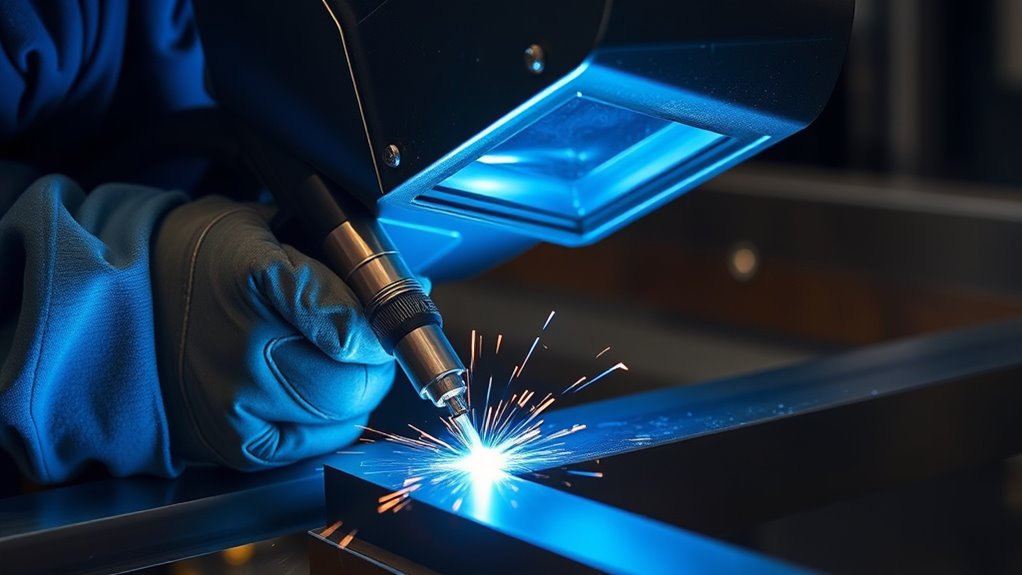
You can omit filler material in PAW when the base metal can form the full weld by itself. Welders call this autogenous welding.
Autogenous plasma arc welding can give clean, precise welds when the joint fit-up and material thickness support it.
Autogenous welding often suits thin sheets, tight seams, and some root-pass welds. It reduces the chance of filler contamination and keeps the weld chemistry close to the base metal.
This method can also reduce distortion because you add less metal and often use a narrow heat zone. But it does not suit every job.
Consider these benefits of omitting filler in PAW:
- Lower contamination risk: You add no separate filler metal to the pool.
- Cleaner weld chemistry: The weld stays closer to the base metal composition.
- Less distortion: Thin materials may stay flatter with less added metal.
- Simpler setup: You do not need filler feed control.
- Precise bead shape: Tight joints can form narrow, clean welds.
You should avoid autogenous welding when the joint has gaps, needs reinforcement, or must meet strength requirements that call for filler.
Comparing Weld Quality: With and Without Filler
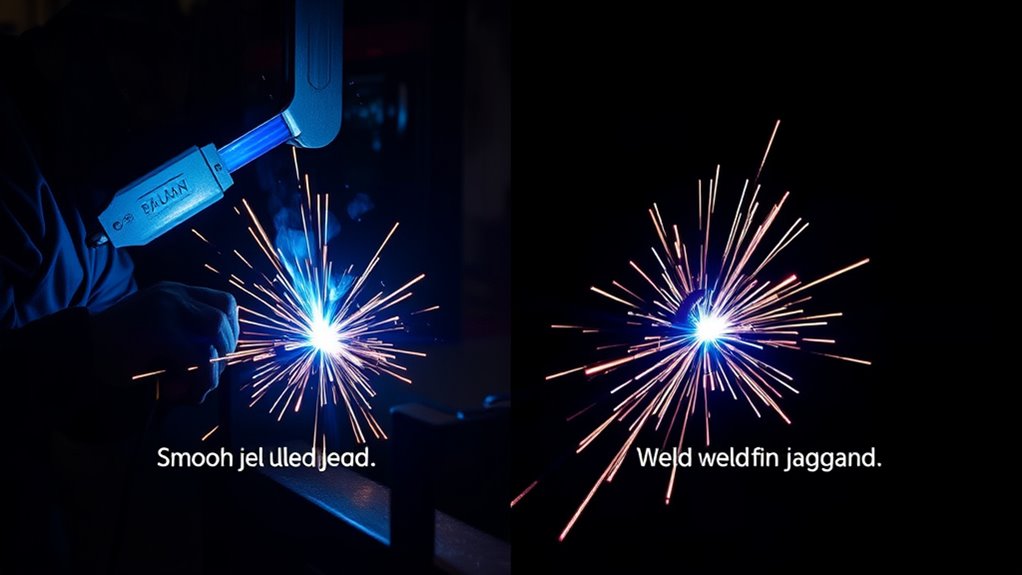
Weld quality in plasma arc welding depends on the project, not only on the use of filler. A weld with filler can perform well, and an autogenous weld can also perform well when it suits the joint.
Filler material helps when you need more weld metal, better gap filling, or specific alloy properties. It can improve strength, reduce undercut, and support fatigue resistance in high-stress parts.
Autogenous welding helps when you need a clean, narrow weld with low added material. It can suit thin parts and tight joints, but it may not provide enough reinforcement for heavy loads.
| Welding Approach | Best Use | Main Benefit | Main Risk |
|---|---|---|---|
| With filler material | Thick joints, gaps, dissimilar metals, high-stress parts | More control over weld volume and properties | Wrong filler or contamination can cause defects |
| Without filler material | Thin materials, tight joints, selected root-pass welds | Clean weld chemistry and less added material | Poor fit-up can reduce strength or create incomplete fill |
Common Applications Requiring Filler Material
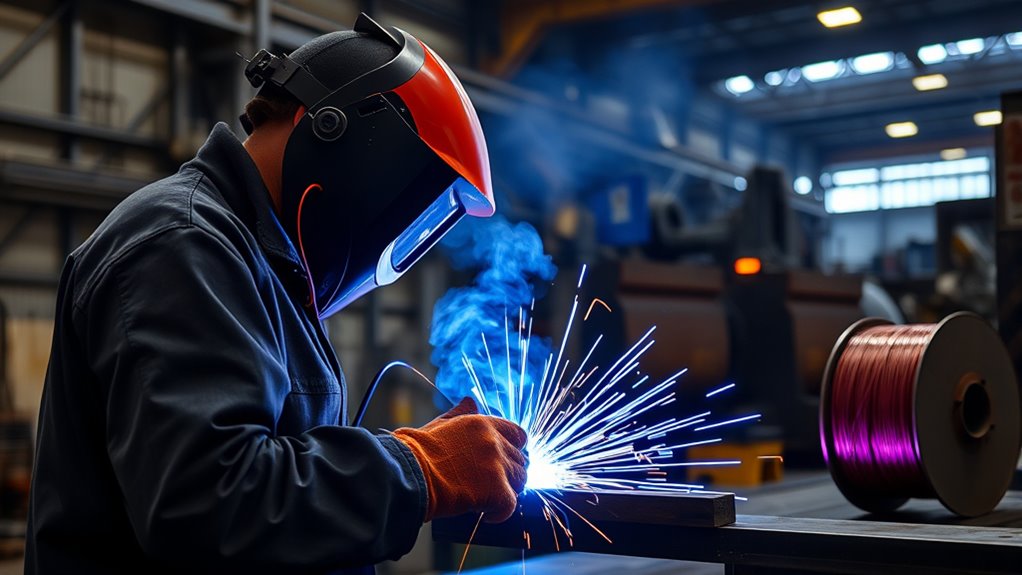
Many PAW applications use filler because the joint needs more strength, corrosion resistance, or bead control. Filler becomes more important when the part must handle stress, heat, pressure, or chemical exposure.
You may use filler for thicker joints, dissimilar metals, repair welds, and surfacing work. You may also use it where the weld must meet a specific code or performance target.
Common applications include:
- Thicker joints that need complete fill and reinforcement
- Dissimilar metal joints that need a compatible transition filler
- Automotive frames, brackets, and suspension-related components
- Medical devices that need clean and corrosion-resistant welds
- Industrial parts that need hardfacing or wear-resistant overlays
Each application needs the right filler type. A filler that works well in one job may fail in another if the base metal or service condition changes.
Best Practices for Effective Welding
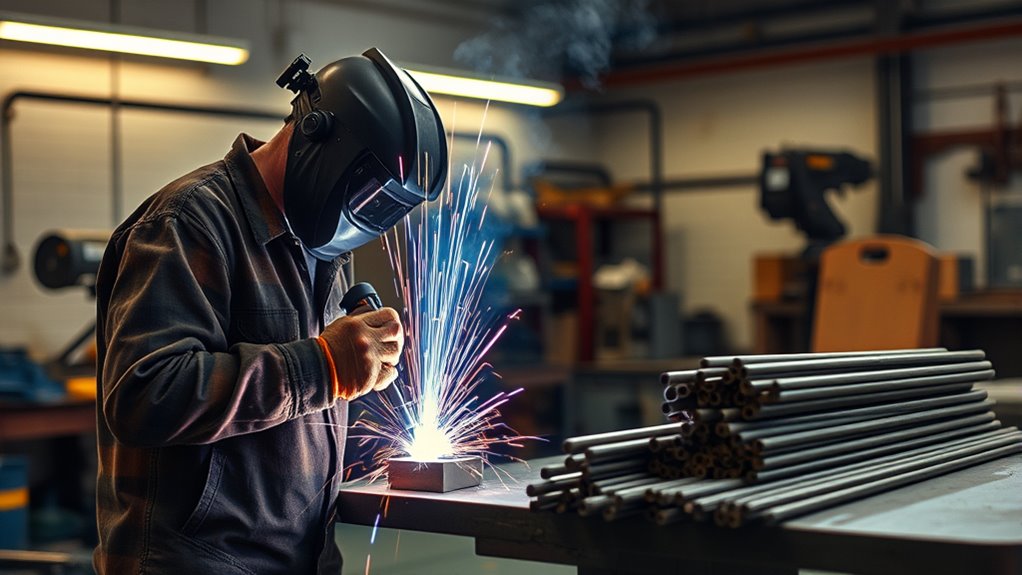
Good plasma arc welding starts with clean metal, correct setup, and steady control. Filler material only helps when you use it with the right technique.
Choose filler that matches the base metal, joint design, and service environment. Check filler diameter, alloy grade, storage condition, and feed method before you start.
Control current, plasma gas, shielding gas, travel speed, and torch angle. These settings affect penetration, bead shape, and the way filler blends into the weld pool.
Use these best practices for better results:
- Clean the base metal and filler before welding.
- Set the joint gap and alignment before striking the arc.
- Feed filler into the leading edge of the weld pool.
- Keep shielding gas steady and protect the weld from drafts.
- Run test welds when you change material, thickness, or filler type.
Pro tip: Test a short sample weld first when you change filler alloy or joint thickness.
Frequently Asked Questions
What Types of Filler Materials Are Compatible With PAW?
You can use filler materials such as stainless steel, nickel alloys, aluminum alloys, titanium alloys, and hardfacing alloys in PAW. The right choice depends on the base metal, joint design, and service environment.
How Does Filler Material Affect PAW Energy Use?
Filler material can change energy use because you must melt both the base metal and filler. Good filler selection and steady feed control can reduce rework, shorten arc time, and help you avoid wasted heat.
Can Filler Material Influence the Color of the Weld?
Yes, filler material can affect weld color because it changes the weld metal chemistry. Heat input, shielding gas, oxidation, and base metal type also affect the final color.
Are There Specific Safety Concerns When Using Filler Material in PAW?
Yes, filler material can create safety risks if it contains coatings, contaminants, or alloying elements that produce hazardous fumes. You should use proper ventilation, personal protective equipment, and clean materials before welding.
Does Filler Material Impact PAW’s Environmental Footprint?
Yes, filler material can increase material use, waste, and consumable handling. You can reduce waste by choosing the correct filler size, setting the right feed rate, and avoiding unnecessary rework.
Conclusion
Plasma arc welding uses filler material when the joint needs more strength, better fill, or improved metal compatibility. You can skip filler when a thin, tight-fitting joint can form a sound autogenous weld. Match your filler choice to the base metal, joint design, and final service conditions. Before you weld a critical part, test your settings and confirm the weld meets the required standard.