Disclosure: As an Amazon Associate, we earn from qualifying purchases. If you click a link on this page and make a purchase, we may receive a small commission at no extra cost to you.
Working near open flame, hot metal, grills, ovens, or welding sparks can put your hands and forearms at risk fast. The Fire Heat Resistant Gloves are built for high-heat tasks with cowhide leather, flame-resistant cotton, reinforced Kevlar stitching, and a long 14-inch design. This review helps you decide whether they offer enough protection, grip, comfort, and coverage for your work. They look like a strong fit for grilling, welding, baking, and furnace-style tasks, but you still need to check sizing, inspect them often, and use them within the product instructions.
Quick Verdict
Rating: 8.2/10, Recommended with caveats
Best For: Grill users, welders, bakers, and DIY users who need long hand and forearm coverage around heat.
Bottom Line: These gloves stand out for their 14-inch coverage, cowhide leather shell, flame-resistant cotton layer, and reinforced Kevlar stitching. The main tradeoff is that exact sizing, warranty terms, and certification details are not confirmed in the source article, so you should verify those details before buying.
| Specification | Detail |
|---|---|
| Product type | Fire heat resistant gloves |
| Model | Not stated in the source article |
| Design | 14-inch extended glove design for hand, wrist, and forearm coverage |
| Heat resistance claim | Up to 932°F, as stated in the supplied article |
| Outer material | Durable cowhide leather |
| Inner/contact layer | Cotton-lined interior for comfort and airflow |
| Construction | Triple-layer build with flame-resistant cotton and insulation |
| Stitching | Reinforced Kevlar stitching |
| Grip | Textured leather surface for handling hot tools and equipment |
| Best use | Grilling, welding, baking, open-flame work, and furnace-related tasks |
| Safety note | Inspect before use, avoid wet gloves around heat, and follow the product instructions. |
What Are the Fire Heat Resistant Gloves?
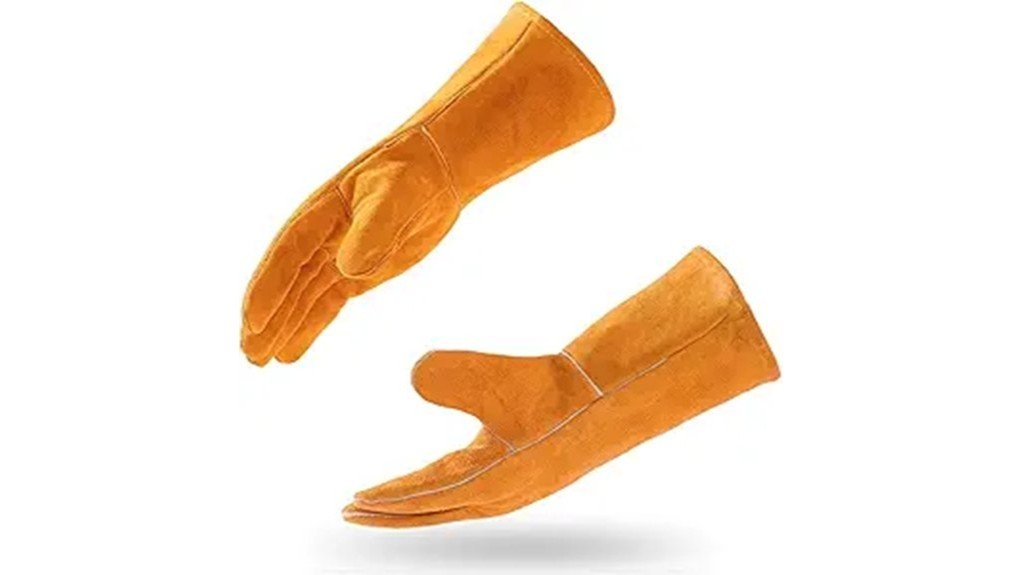
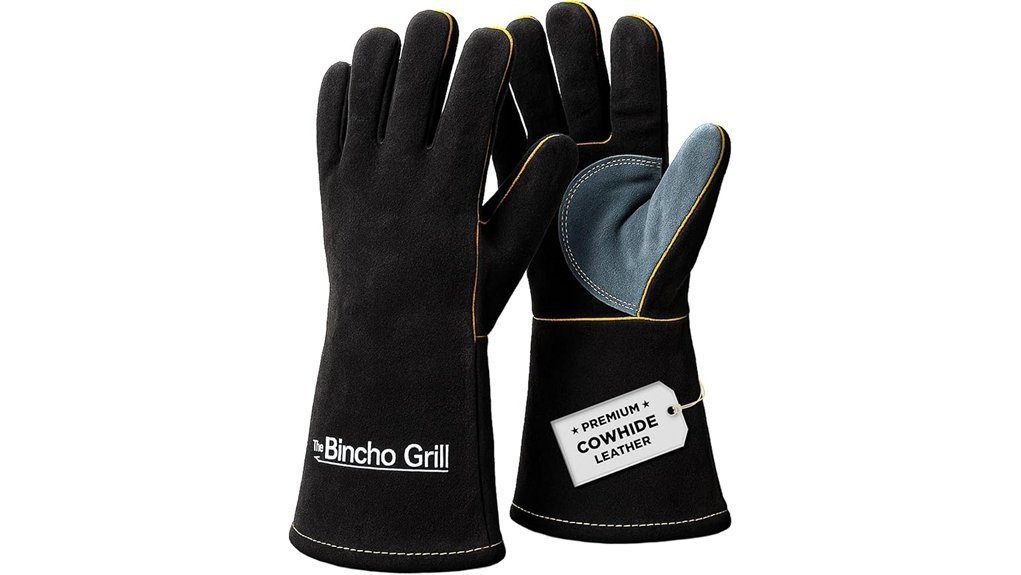
The Fire Heat Resistant Gloves are protective gloves made for tasks where your hands may face high heat, sparks, hot cookware, or heated tools. The article describes a triple-layer construction that combines cowhide leather, flame-resistant cotton, and heat insulation.
The 14-inch length is one of the most useful details because it covers more than your palms and fingers. It also helps shield your wrists and lower forearms, which can matter when you reach into a grill, handle a welding project, or move hot pans from an oven.
The gloves also include reinforced Kevlar stitching and a textured leather surface. That combination supports durability and grip, especially when you need more control around hot tools or rough materials.
Before You Buy: The source article does not confirm the brand, exact model, certifications, or full warranty terms. Check the Amazon listing details and size options before you rely on these gloves for a specific job.
Who Should Buy It?
Best For
- Grill users who need longer coverage when handling hot grates, trays, or food tools.
- Welders and metalworkers who want leather gloves with reinforced stitching for spark-prone tasks.
- Home users who need one pair of gloves for baking, open-flame cooking, and general high-heat handling.
Skip If
- You need verified safety certifications for regulated workplace use.
- You need exact fit details before buying and the size chart is not clear on the product page.
- You want lightweight gloves for fine-detail work, since thicker heat protection can reduce fingertip feel.
Key Features of Fire Heat Resistant Gloves
These gloves focus on three practical needs: heat protection, extended coverage, and grip. The article states that they withstand temperatures up to 932°F, which makes them suitable for many high-heat household and workshop tasks when used correctly.
The triple-layer build matters because heat-resistant gloves need more than a tough outer shell. Cowhide leather helps with abrasion and spark exposure, flame-resistant cotton adds a protective layer, and the inner lining supports comfort during longer use.
The textured leather surface gives your hand more control when holding hot tools, grill accessories, baking pans, or metal pieces. That grip is important because slipping near heat can cause damage or injury fast.
Materials and Build Quality
The article lists durable cowhide leather as a main material. Cowhide is a common choice for heat-related work gloves because it offers toughness, abrasion resistance, and a natural barrier against sparks.
Reinforced Kevlar stitching improves the durability of the seams, which often take stress when you grip tools or bend your fingers. This is useful for welding, grilling, and repeated handling of hot equipment.
The cotton-lined interior is also important. It can make the gloves more comfortable than bare leather inside, while helping airflow during long sessions near heat.
Heat Protection and Coverage
The 932°F heat-resistance claim is the headline feature, but you should treat any heat rating as a usage limit, not a reason to hold hot items longer than needed. Heat can still transfer through gloves over time, especially with direct contact and heavy metal objects.
The 14-inch length gives these gloves a clear advantage over short oven mitts or basic work gloves. Longer coverage helps protect your wrists and forearms from sparks, grill flare-ups, oven racks, and brief contact with hot surfaces.
This makes the gloves useful for tasks where your forearm gets close to the heat source. Examples include adjusting charcoal, moving a Dutch oven, handling welding pieces, or reaching into a hot oven.
Grip, Flexibility, and Comfort
The textured leather surface helps you keep control of hot tools and equipment. That matters most when you are holding items with weight, uneven edges, or smooth handles.
The gloves are built for protection first, so you should not expect the same dexterity you get from thin mechanic gloves. For larger tools, cookware, and metal pieces, the thicker design can be a strength. For small screws, thin wire, or delicate assembly, it may feel bulky.
The cotton lining improves comfort during longer tasks. It also helps reduce the rough feel that some leather work gloves can have inside.
Ideal Applications for Fire Heat Resistant Gloves
These gloves fit a wide range of high-heat tasks. For grilling, they can help you handle hot tools, move grates, adjust trays, and work near flare-ups with more forearm coverage.
For welding, the cowhide leather, Kevlar stitching, and long cuff design help protect against sparks and brief heat exposure. They are also useful for metalwork tasks where you handle hot parts after cutting, grinding, or heating.
For baking and oven work, the longer design gives more coverage than many short mitts. This can help when you pull out heavy pans, cast iron, pizza stones, or roasting trays.
How It Performs in Real Use
For Grilling and Barbecue
During grilling, the 14-inch design helps protect your lower forearm while you work near hot grates and flare-ups. The textured leather can also help when you grip tongs, pans, trays, or smoker accessories.
For Welding and Metalwork
For welding, the leather shell and reinforced stitching are useful because sparks and rough surfaces can wear out weak gloves quickly. These gloves make the most sense for general welding protection, but you should still use proper welding PPE for your full body and eyes.
For Baking and Cast Iron
For baking, the longer cuff helps when you reach into the oven or handle cast iron cookware. The gloves may feel bulkier than a soft oven mitt, but the added coverage can be helpful with heavy pans.
For Furnace, Fireplace, and Open-Flame Tasks
For open-flame setups, these gloves can help with short handling tasks around heat. Do not hold burning material directly, and avoid using wet gloves near fire because moisture can transfer heat faster.
How to Use It Correctly
Start by checking the gloves for holes, loose seams, thin spots, or stiff damage before each use. Heat-resistant gloves lose value quickly if the leather cracks or the stitching opens.
Use the gloves for controlled handling, not long-duration direct heat contact. Even gloves with a high heat claim can become uncomfortable or unsafe if you hold a hot object too long.
Keep the gloves dry when using them around high heat. Wet gloves can conduct heat faster and may increase burn risk.
Pro Tip: Store the gloves flat or hanging in a dry area after use. This helps the leather keep its shape and makes it easier to spot seam wear before your next high-heat task.
Cleaning and Maintenance
Clean the gloves gently and avoid harsh chemicals unless the product label says otherwise. For light dirt, wipe the leather surface with a dry or slightly damp cloth, then let the gloves air dry fully.
Do not put leather heat-resistant gloves in a dryer or expose them to direct high heat for drying. Too much heat can stiffen the leather and weaken comfort.
Inspect the gloves after messy jobs like welding, charcoal grilling, or furnace work. Replace them if you see holes, burned areas, torn seams, or insulation that feels thin.
Material Safety and Comfort
These gloves touch your skin, so comfort and material condition matter. The article describes a cotton-lined interior, which can reduce rubbing and improve breathability during longer sessions.
The gloves are not a substitute for complete safety gear. If you weld, use proper eye protection, protective clothing, and ventilation. If you work around open flame or furnaces, follow the instructions for your equipment and your workplace safety rules.
The source article does not confirm formal certifications. If your job requires certified hand protection, verify that information before you buy.
Pros and Cons
Pros
- Triple-layer construction supports high-heat tasks when used correctly.
- 14-inch length protects more of your wrist and forearm than short gloves.
- Cowhide leather shell adds durability for grilling, welding, and metal handling.
- Reinforced Kevlar stitching helps the seams hold up under demanding use.
- Textured leather grip improves control with hot tools and equipment.
Cons
- Exact brand, model, certifications, and warranty terms are not confirmed in the source article.
- Thicker heat protection may reduce dexterity for fine-detail tasks.
- You need to confirm sizing before buying because glove fit affects safety and control.
Benefits of Using Heat Protection Gloves
Heat protection gloves help you work with more control around hot surfaces. They reduce direct contact with heat, sparks, and rough materials, which makes them useful for both home and workshop tasks.
The biggest benefit of these gloves is the combination of coverage and grip. You get protection for your hands, wrists, and forearms, while the textured leather helps you hold tools more securely.
The cotton-lined interior also helps with comfort. That matters when you need gloves for more than a quick oven task, such as a long grilling session or a welding project.
Is It Worth the Price?
These gloves are worth considering if you need one protective pair for several high-heat tasks. The cowhide leather, Kevlar stitching, and extended 14-inch design make them more practical than basic short oven mitts for many jobs.
They offer strong value for buyers who care about forearm coverage, grip, and durability. They make the most sense if you grill, weld, bake with heavy cookware, or handle hot tools often.
They are not the best fit if you need verified workplace certifications or very precise fingertip control. In that case, compare them with gloves made for your exact safety standard or task.
How It Compares to Alternatives
Compared with silicone grill gloves, these leather gloves should feel more workshop-friendly and better suited to sparks and rough surfaces. Silicone gloves may be easier to rinse clean, but they often lack the same leather feel and long welding-style coverage.
Compared with short oven mitts, the Fire Heat Resistant Gloves offer better forearm protection. Compared with dedicated professional welding gloves, they may need closer verification for certifications, exact fit, and job-specific safety requirements.
Frequently Asked Questions
How heat resistant are these gloves?
The supplied article states that the gloves withstand temperatures up to 932°F. Treat that as a product claim and still avoid long direct contact with hot metal, flame, or cookware.
Can you use these gloves for welding?
Yes, the article lists welding as an intended use and mentions cowhide leather, Kevlar stitching, and extended coverage. Use them with proper welding PPE, including eye protection, sleeves, and safe ventilation.
Are they good for grilling and barbecue?
They are a strong fit for grilling because the long cuff helps protect your wrists and forearms. The textured leather surface also helps when handling hot grill tools, pans, and grates.
Do these gloves fit left-handed users?
The source article states that the gloves can work for left-handed and right-handed users. Check the product page for sizing and hand-fit details before buying.
How should you clean and maintain them?
Use gentle cleaning and avoid harsh chemicals unless the product label allows them. Air dry the gloves fully and inspect the leather, seams, and lining before each high-heat task.
Can you use them in cold weather?
They may offer some warmth because of the leather and lining, but they are designed for heat protection first. For long cold-weather use, choose gloves made specifically for insulation and outdoor comfort.
What should you check before buying?
Check the current Amazon listing for size options, included quantity, warranty terms, and any listed certifications. Also make sure the 14-inch design suits your task and does not feel too bulky for your tools.
Who should skip these gloves?
Skip them if you need verified certified gloves for regulated professional work and the listing does not provide that proof. You may also want a thinner glove if your task requires fine fingertip control.
The Bottom Line
The Fire Heat Resistant Gloves are a practical pick if you need long leather gloves for grilling, welding, baking, and other high-heat handling tasks. Their main strengths are the 14-inch coverage, cowhide leather, cotton lining, Kevlar stitching, and textured grip, while the main limitation is the lack of confirmed brand, model, certification, and warranty details in the source article.
Buy them if you want broader hand and forearm protection for general high-heat tasks. Skip them if you need certified professional PPE or a thin glove for detail work.