Disclosure: As an Amazon Associate, we earn from qualifying purchases. If you click a link on this page and make a purchase, we may receive a small commission at no extra cost to you.
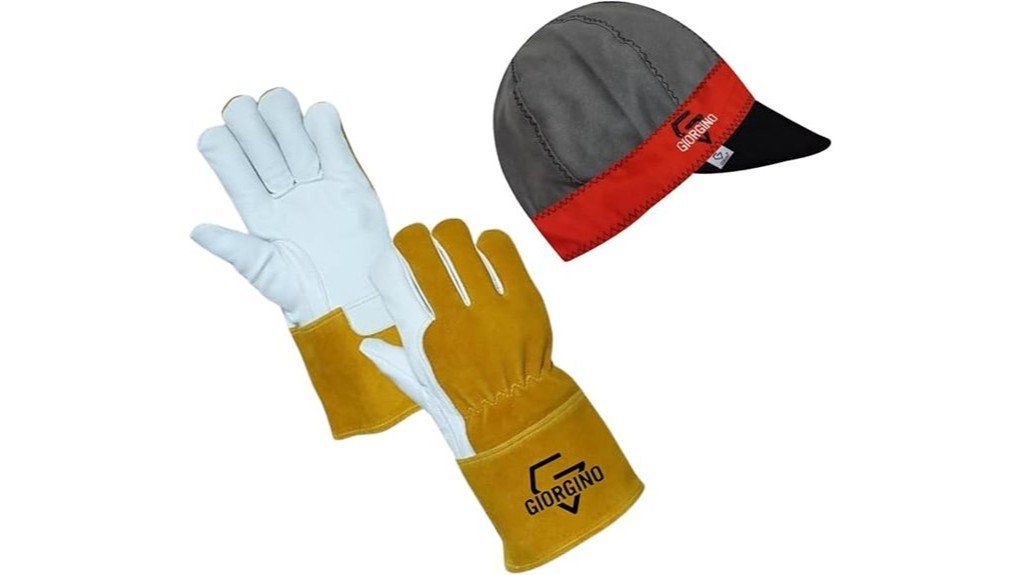
Good TIG welding gloves need to protect your hands without making the torch and filler rod feel clumsy. The Giorgino Premium TIG Welding Gloves are built around top grain goatskin leather, a straight thumb design, and a 4-inch cuff, so they focus on touch control as much as coverage. This review helps you decide if they fit your welding setup, especially if you want flexible gloves for TIG work and light fabrication. The main strength is the soft, responsive leather, while the main limitation is that they are not listed as chemical-resistant or machine washable.
Quick Verdict
Rating: Recommended with caveats
Best For: TIG welders who want goatskin feel, better hand control, and light forearm coverage from a 4-inch cuff.
Bottom Line: The Giorgino Premium TIG Welding Gloves make sense if you value dexterity, touch sensitivity, and a flexible leather feel. Skip them if you need gloves specifically rated for chemical exposure, machine washing, or heavy-duty heat handling beyond normal TIG use.
| Specification | Detail |
|---|---|
| Brand | Giorgino |
| Model | Premium TIG Welding Gloves |
| Product type | TIG welding gloves |
| Material | Top grain goatskin leather |
| Design | Straight thumb design for grip and control |
| Cuff | 4-inch cuff for extra wrist and forearm coverage |
| Construction note | Reinforced stitching is listed as a durability feature |
| Size range | Article-supported range: small to extra-large |
| Included accessory | Complimentary assorted welding cap |
| Care note | Hand washing recommended, not machine washable |
| Best use | TIG welding, light fabrication, torch control, and detail-focused welding tasks |
What Are the Giorgino Premium TIG Welding Gloves?
The Giorgino Premium TIG Welding Gloves are leather welding gloves made for welders who need heat protection, hand feel, and control during TIG work. The article-supported material is top grain goatskin leather, which is commonly valued in TIG gloves because it can feel softer and more responsive than heavier leather styles.
The design centers on a straight thumb, a 4-inch cuff, and reinforced stitching. Those details matter because TIG welding often requires you to hold a torch steady while feeding filler metal with small, controlled movements.
These gloves are described as suitable for both men and women, with sizes from small to extra-large. Since glove fit affects safety and control, you should check the seller’s current size selector before ordering.
Who Should Buy It?
Best For
- TIG welders who want flexible goatskin leather instead of bulky work gloves.
- Fabricators who need better torch and filler rod control during detail work.
- Buyers who want wrist and lower forearm coverage from a 4-inch cuff.
Skip If
- You need gloves specifically rated for chemical resistance.
- You want gloves that can be cleaned in a washing machine.
- You need very heavy gloves for prolonged contact with hot metal or rough grinding work.
Before You Buy: These gloves are reviewed here as TIG welding gloves, not as chemical-resistant gloves, machine-washable gloves, or a substitute for heavy-duty gloves used for prolonged direct contact with hot parts.
Material Quality and Build
The strongest feature is the top grain goatskin leather. For TIG work, that matters because you need a glove that can protect your hand while still letting you feel the torch and filler metal. A glove that is too stiff can make small movements harder, especially when you are working around thin material or tight joints.
The article also lists reinforced stitching, which is a practical durability point. Stitching can be one of the first areas to wear on welding gloves, so reinforcement is useful if you use them for daily fabrication, repeated torch handling, and regular shop work.
Goatskin is still leather, so care matters. Keep the gloves away from unnecessary soaking, oils, harsh cleaners, and sharp edges when possible. If they get dirty, hand cleaning is the safer care route listed in the original article.
Grip, Dexterity, and Touch Sensitivity
The straight thumb design is meant to help you hold a torch, rod, clamp, or small tool with better control. This is especially helpful during TIG welding because your hand position can affect weld consistency, filler placement, and comfort.
Touch sensitivity is another major reason to consider these gloves. The article describes them as maintaining good hand feel for intricate tasks. That benefit is most useful when you need to make fine adjustments instead of just shielding your hands from sparks.
The tradeoff is that gloves built for feel are usually not the same as thick, rigid gloves built for the harshest heat exposure. You should still use the right glove type for the task and avoid grabbing hot workpieces unless your glove and the job conditions support it.
Cuff Coverage and Heat Protection
The 4-inch cuff gives extra coverage around the wrist and lower forearm. That can help when sparks, spatter, or radiant heat reach past the hand area during welding.
This cuff length is a useful middle ground. It adds protection without making the glove feel like a long gauntlet. For many TIG welders, that balance is better than a glove that feels too restrictive around the wrist.
Still, cuff coverage does not replace safe welding habits. Wear proper sleeves, eye protection, and other welding PPE based on your process, amperage, work angle, and shop conditions.
Comfort During Longer Welding Sessions
Comfort matters when you are welding for more than a few minutes at a time. The article describes these gloves as ergonomically designed to reduce fatigue, and the goatskin leather should help the glove feel less bulky during repeated hand movement.
The key comfort benefit is control without constant hand strain. If a glove is too stiff, you may grip the torch harder than needed. That can tire your hand and make fine weld control harder.
Fit is still the deciding factor. A glove that is too loose can reduce control, while a glove that is too tight can make finger movement harder and may become uncomfortable during long use.
Included Welding Cap
The Giorgino gloves are listed with a complimentary assorted welding cap. That adds value if you want extra head coverage for shop use, especially around sparks and general fabrication tasks.
The cap should be treated as an added accessory, not the main reason to buy the gloves. Your buying decision should still come down to glove material, fit, dexterity, cuff coverage, and whether the limitations match your work.
How It Performs in Real Use
For TIG Welding Control
For TIG work, these gloves make the most sense when you need a better feel for the torch and filler rod. The goatskin leather and straight thumb design support more precise hand positioning than bulkier glove styles.
For Daily Shop Use
For daily fabrication, the reinforced stitching and 4-inch cuff are useful. You get added durability at stress points and extra coverage at the wrist, which can help during repeated setup, tacking, and light welding tasks.
For Longer Sessions
During longer sessions, the comfort-focused design can help reduce hand fatigue. The benefit depends heavily on choosing the right size, since poor fit can cancel out the dexterity advantage.
For Non-Welding Tasks
You can use these gloves for some shop tasks beyond TIG welding, such as handling tools or doing light fabrication work. Avoid treating them as chemical gloves, cut-proof gloves, or all-purpose heavy-duty gloves unless the task matches the protection they are designed to provide.
Fit Tips Before You Buy
Start by checking the current size options on the Amazon listing. The article-supported range is small to extra-large, but size availability can change by seller and stock.
For TIG welding, aim for a close but comfortable fit. Your fingers should not swim inside the glove, and the glove should not pull hard across your knuckles when you close your hand.
If you are between sizes, think about how you weld. A tighter fit may feel more precise, but too tight can reduce comfort. A larger fit may be easier to put on and remove, but too much extra material can make filler rod control harder.
Pro Tip: Before your first full welding session, wear the gloves while holding your torch and filler rod for a few minutes. If the fingertips bunch up or the palm pulls tight, exchange sizes before the leather breaks in around the wrong fit.
Care and Maintenance
These gloves are not described as machine washable. The safer care approach is hand cleaning, followed by air drying away from direct heat.
Do not soak the leather or use harsh cleaners unless the product label specifically allows it. Leather can stiffen, shrink, or lose comfort if it is cleaned too aggressively.
Inspect the gloves often. Look for worn fingertips, loose stitching, hardened leather, holes, or heat damage. Replace the gloves when they no longer give safe coverage or reliable control.
Material Safety and Comfort
Because these gloves touch your skin, comfort and material condition matter. The article identifies the main material as top grain goatskin leather, which is valued for a flexible feel in welding gloves.
The article does not claim chemical resistance, so do not use these gloves as your main protection against solvents, acids, oils, or other chemicals. If chemical exposure is part of your work, choose gloves rated for that hazard.
Also avoid using damaged welding gloves. Holes, separated seams, or thin spots can expose your hands to heat, sparks, and abrasion. Follow the product label and your shop safety rules for proper use.
Pros and Cons
Pros
- Top grain goatskin leather supports a softer, more flexible feel for TIG work.
- Straight thumb design helps with torch grip and filler rod control.
- 4-inch cuff adds wrist and lower forearm coverage from sparks and spatter.
- Reinforced stitching gives the gloves a more durable construction profile.
- Complimentary assorted welding cap adds useful shop value.
Cons
- Not listed as machine washable, so care requires more attention.
- Not specifically described as chemical-resistant.
- Fit can require trial and error if you are between glove sizes.
Is It Worth the Price?
The Giorgino Premium TIG Welding Gloves are worth considering if your priority is hand control, comfort, and a goatskin leather feel for TIG welding. They are a smart buy for everyday use if you want flexible gloves with a 4-inch cuff and reinforced stitching.
The included assorted welding cap adds value, but the gloves themselves should be the main reason you buy. They are better for buyers who care about dexterity and touch sensitivity than buyers who need the thickest glove possible.
The honest limitation is that the article does not support chemical resistance, machine washing, or advanced certification claims. If those are must-have features, compare other gloves before choosing this pair.
How It Compares to Alternatives
Compared with heavier stick or MIG welding gloves, these Giorgino gloves are more focused on feel and control. Heavier gloves may be better for harsher heat exposure, but they often reduce finger movement.
If you want TIG-specific dexterity, goatskin leather is a sensible feature to compare against other TIG gloves from brands such as Tillman, Lincoln Electric, and Revco. The Giorgino gloves make the most sense if you want a flexible TIG glove with a straight thumb, 4-inch cuff, and included cap.
Frequently Asked Questions
Are the Giorgino Premium TIG Welding Gloves machine washable?
No. The article states that they are not machine washable and recommends hand washing to help preserve the leather and protective qualities. Avoid soaking or using harsh cleaners unless the product label says otherwise.
What sizes are available?
The article lists sizes from small to extra-large. Check the current Amazon size selector before you buy because availability can change, and fit is important for TIG control.
Do these gloves work for TIG welding?
Yes, the gloves are positioned as TIG welding gloves. Their goatskin leather, straight thumb design, and touch-sensitive feel are useful for torch control and filler rod handling.
Do they provide chemical resistance?
The article does not claim chemical resistance. Use gloves rated for chemical exposure if your work involves solvents, acids, oils, or other hazardous liquids.
Can you use them for MIG or stick welding?
They may work for light shop tasks, but the article reviews them as TIG welding gloves. For heavier MIG or stick welding heat exposure, compare thicker gloves designed for that process.
How long should these gloves last?
Lifespan depends on how often you weld, how much heat they see, and how well you maintain them. Replace them when the leather thins, stitching fails, holes appear, or the glove no longer protects your hand well.
Is the included welding cap the same for every order?
The article describes it as a complimentary assorted welding cap. That means the exact cap style may vary, so treat it as a bonus accessory rather than the main product feature.
Who should skip these gloves?
Skip them if you need machine-washable gloves, chemical-resistant gloves, or very thick gloves for prolonged high-heat contact. They are a better fit for TIG welders who care about dexterity and controlled hand movement.
The Bottom Line
The Giorgino Premium TIG Welding Gloves are a good match if you want flexible goatskin gloves for TIG welding, light fabrication, and better hand control. Their main strengths are the top grain goatskin leather, straight thumb design, reinforced stitching, and 4-inch cuff.
Skip them if you need chemical resistance, machine washing, or heavier protection for prolonged contact with hot metal. For TIG welders who value dexterity and comfort, they are recommended with caveats.