Rust around a welded body seam is more than a paint problem. Corrosion can spread between overlapping panels, thin the steel, and weaken a previous repair where you cannot see it. A lasting fix requires you to find solid metal, follow the vehicle maker’s repair procedure, control welding heat, and rebuild every corrosion-protection layer that cutting and welding disturbed.
Quick Answer
To restore and seal a rusty welded seam, expose the damage, remove every weak or perforated section, and weld replacement metal only where the vehicle maker allows it. After the weld passes inspection, apply the specified primer, seam sealer, refinish coating, underbody protection, and cavity wax in the order required by the OEM and product instructions.
Key Takeaways
- Treat bubbling paint and rust stains as clues. The worst corrosion may be hidden between overlapping panels.
- Do not weld a structural seam until you have checked the vehicle-specific body repair manual for material, sectioning, joining, and corrosion-protection requirements.
- Remove coatings, foam, trim, wiring, and other heat-sensitive materials from the hot-work area before cutting or welding.
- Seam sealer blocks water only after the metal and coating system beneath it are sound.
- Protect both the visible face and the hidden cavity side of the repair whenever the repair procedure provides access.
At a Glance
| Time Required | Several hours for a small nonstructural patch, plus primer, sealer, paint, and cavity-wax drying or recoat time |
| Difficulty | Intermediate to professional; structural, restraint, suspension, high-voltage, or crash-management areas require qualified repair |
| Tools Needed | Inspection light, scraper, wire wheel, cutoff tools, spot-weld cutter as specified, sheet-metal tools, clamps, approved welder, PPE, fire extinguisher, primer, seam sealer, coatings, and cavity-wax applicator |
| Cost | Varies widely with panel access, metal type, repair size, required OEM materials, and whether professional structural work is needed |
Before You Begin
Start with the vehicle-specific body repair manual. Confirm the panel material, approved cut locations, joining method, weld type, adhesive requirements, corrosion-protection products, and any measuring or calibration steps. Modern vehicles may use mild steel, high-strength steel, ultra-high-strength steel, aluminum, adhesives, rivets, or mixed-material joints. A generic patch method is not safe for every seam.
Move the vehicle to a clean, dry, well-lit work area with enough access to inspect both sides of the seam. Follow the maker’s procedure for disconnecting the 12-volt battery, depowering the supplemental restraint system, and disabling a hybrid or electric vehicle’s high-voltage system. Remove or shield nearby trim, carpet, sound deadener, seam sealer, foam, wiring, modules, fuel and brake lines, glass, and other heat-sensitive parts.
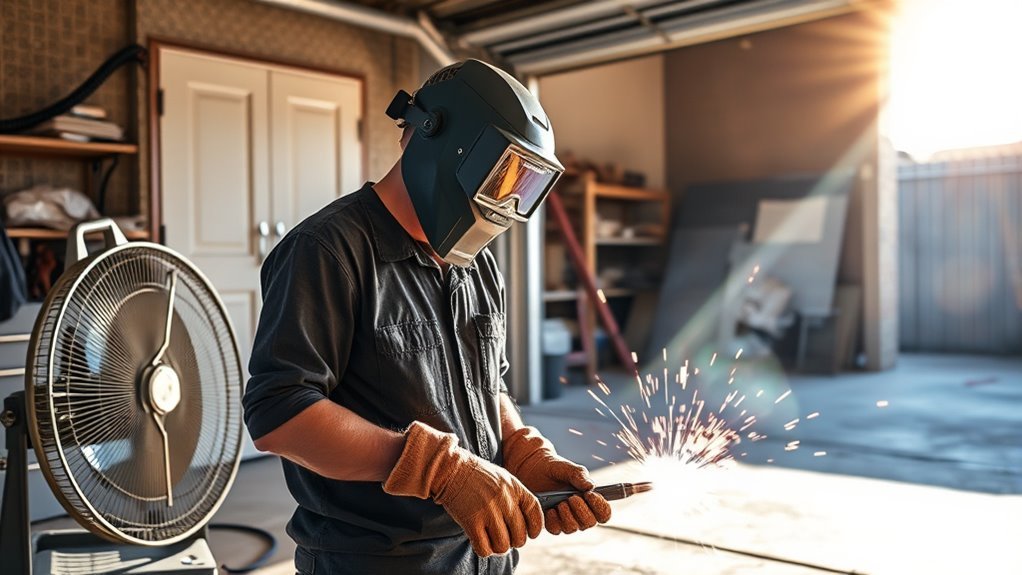
Wear eye and face protection, welding gloves, hearing protection, flame-resistant clothing, and suitable respiratory protection based on the coating and ventilation assessment. Review this guide to flame-resistant welding clothing before hot work.
- Inspection light, mirror, pick, scraper, and marker
- Angle grinder with wire wheel, abrasive discs, and cutoff wheel
- Spot-weld cutter or drill size specified by the repair procedure
- Panel-separation tool, air saw, or other controlled cutting tool
- Replacement sheet metal of the correct type and thickness
- Sheet-metal brake, shrinker-stretcher, hammer, dolly, and clamps as needed
- Welder, wire, shielding gas, electrodes, tips, and settings approved for the repair
- Weld-through primer, adhesive, or weld sealer only where the OEM procedure calls for it
- Compatible cleaner, 2K epoxy or urethane primer, seam sealer, paint, undercoating, and cavity wax
- Class ABC fire extinguisher, welding blanket, and a second person for fire watch when hidden combustibles may ignite
Warning: Do not perform a generic cut-and-patch repair on seams tied to suspension mounts, seat-belt anchors, airbag sensors, battery enclosures, frame rails, pillars, rockers, crush zones, or other crash structure. Have a qualified collision-repair technician inspect the vehicle and follow the exact OEM procedure.
Warning: Cutting and welding can ignite hidden foam, cavity wax, seam sealer, undercoating, carpet, fuel vapor, or wiring. Remove combustible material where possible, shield what remains, ventilate the area, keep an extinguisher ready, and inspect both sides repeatedly during and after hot work.
How to Assess Rust Damage in Welded Seams
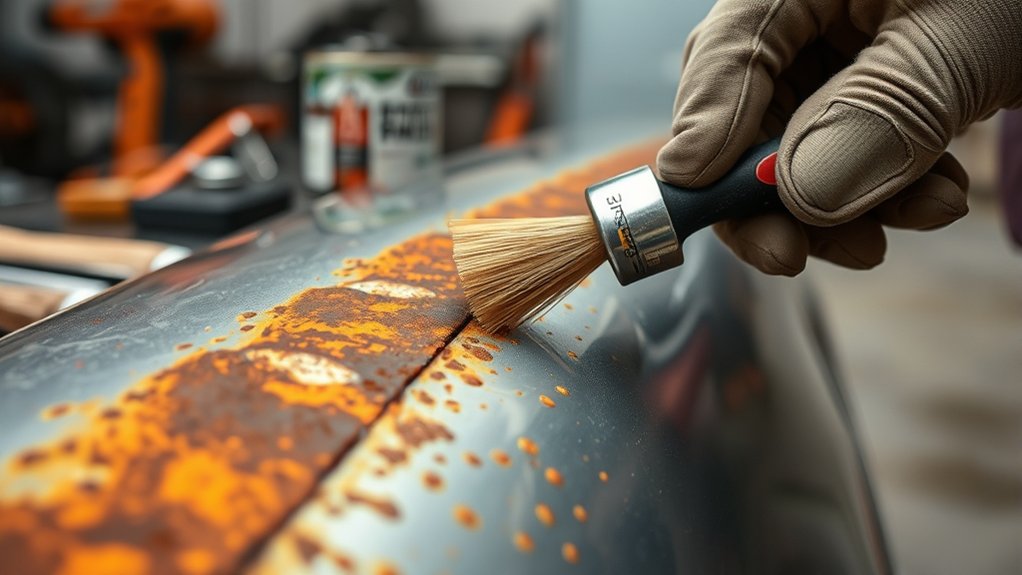
Start with visible clues such as chipped coating, brown staining, blistered paint, cracked seam sealer, swollen lap joints, or moisture marks. Probe suspicious areas gently after removing loose coating. Rust that looks small on the outer face may extend farther between panel layers.
Use a wire wheel or controlled abrasive to expose clean metal around the damaged area. Avoid thinning sound steel. If the seam is spot welded, locate the welds and use the cutter type and size required by the repair procedure rather than assuming one drill size fits every vehicle. Separate the panels carefully so you can inspect the mating flanges without stretching or tearing reusable metal.
Inspect inside cavities and around drain holes, body plugs, window channels, wheel housings, floor joints, rocker ends, and underbody seams. Find the moisture source before closing the repair. Common causes include blocked drains, failed weatherstrips, cracked seam sealer, missing plugs, damaged undercoating, and debris packed against the seam.
Classify the Damage Before You Cut
- Surface rust: The metal remains full thickness and solid after cleaning. The repair may need cleaning and refinishing rather than a patch.
- Deep pitting: The panel is still intact but has lost measurable thickness. Compare it with nearby sound metal and replace it if strength or weldability is doubtful.
- Perforation or delamination: Holes, flaking layers, swollen seams, or metal that breaks under light probing usually require removal back to sound material.
- Structural corrosion: Rust on a rail, pillar, rocker reinforcement, suspension mount, restraint anchor, or battery enclosure requires OEM-guided professional assessment.
The visible rust line is not the repair boundary. Keep exposing the seam until every cut and weld will land on clean, sound metal allowed by the vehicle maker.
Essential Tools for Rust Repair and Seam Restoration
Choose tools that let you expose the joint without removing more good metal than necessary. A wire wheel removes loose scale and coating, while a narrow abrasive belt, small blasting tool, hand brush, or compact grinder can reach tight corners. A vacuum is usually better than compressed air for collecting rust and abrasive dust because compressed air can push debris deeper into cavities.
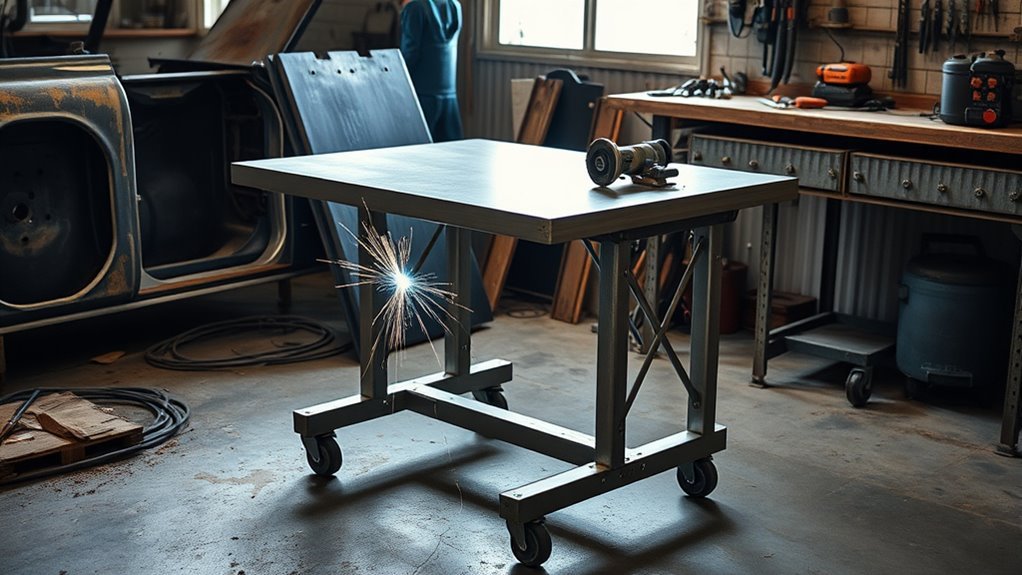
For sheet-metal patches, use clean replacement metal that matches the original material and thickness. Shape it until the fit and flange geometry match the original joint. Keep gaps consistent with the welding process and OEM instructions. Practice the planned weld on scrap of the same material and thickness before touching the vehicle.
Use an automotive seam sealer approved for the substrate and coating system. Many collision-repair sealers are designed for 2K epoxy primer, 2K urethane primer, or prepared OEM finishes, while some products permit direct-to-metal use. Follow both the vehicle maker and sealer maker because acid-etch primer, rust converter, or an incompatible cleaner can cause adhesion failure.
Clean steel with a method suitable for the coating system. This guide to cleaning mild steel before welding covers basic contamination removal. For zinc-coated panels, use the vehicle repair procedure and control zinc dust and fumes; this guide explains cleaning galvanized metal before coating.
Note: Rust converter is not a universal layer in an automotive repair stack. Do not place it in a weld zone or under primer and seam sealer unless the OEM, primer maker, and sealer maker all approve that combination.
Products Worth Considering
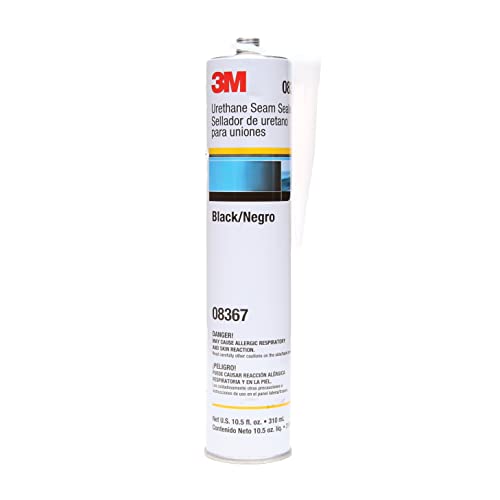
SINGLE COMPONENT FORMULA: Adheres well to bare metal, primed metal and painted surfaces
![[Black] 2 Pack Professional Automotive Seam Sealer, Paintable Quick-Set Polyurethane Auto Body Seam Sealer for Metal Surfaces of Cars, Trucks, Etc, Includes Gloves & Tip - Black RV Roof Sealant](https://m.media-amazon.com/images/I/51rYdoPRb-L._SL500_.jpg)
Bonds to All Surfaces: Our seam sealer automotive formula bonds strongly with primed, painted, or bare metal surfaces, offering a fast curing solution. Ready for paint in just 30 minutes, it serves as an effective RV roof sealant and polyurethane auto body filler without the need for sanding.

SINGLE COMPONENT FORMULA: Adheres well to bare metal, primed metal and painted surfaces
Cutting and Welding Rusted Sections: Step by Step
- Build the repair plan: Record the panel material, approved sectioning location, joint design, weld count and type, adhesive or weld-sealer requirements, corrosion-protection materials, and any scan, measurement, or calibration steps.
- Depower and expose the area: Follow the OEM electrical and restraint-system procedure. Remove trim and heat-sensitive material until you can see the front and back of the hot-work zone.
- Clean and mark the damage: Strip coating far enough to find sound metal. Mark the final cut only after you know the full rust boundary and approved repair location.
- Remove weak metal: Use a cutoff wheel, air saw, spot-weld cutter, or another controlled tool. Use a plasma cutter only when the procedure, access, and heat risk make it suitable. Protect wiring, glass, fuel lines, brake lines, modules, and the opposite panel from sparks and heat.
- Prepare mating flanges: Remove corrosion and old adhesive from reusable flanges without thinning them. Apply approved weld-through primer, adhesive, or weld sealer only where the OEM procedure requires it, and keep the direct GMA weld zone prepared as specified.
- Make and test-fit the patch: Match the original material, thickness, overlap, hole spacing, flange width, and contour. Clamp the patch without forcing it into position. Confirm panel gaps and vehicle dimensions before welding.
- Set the welder on scrap: Use coupons of the same material and thickness to confirm penetration, nugget size, burn-through control, and settings. Do not rely on a generic voltage or wire-speed chart alone.
- Tack and weld in sequence: Place spaced tacks to hold alignment, then use the specified plug welds, stitch welds, resistance spot welds, brazing, adhesive bonding, rivets, or combination process. Move around the repair and allow cooling time to limit distortion.
- Inspect the joint: Check alignment, weld penetration where visible, plug-weld fill, pinholes, cracks, porosity, excessive grinding, and missed corrosion. Correct defects before applying any sealer.
- Restore corrosion protection: Clean the cooled repair and rebuild primer, seam sealer, paint, undercoat, and cavity protection in the specified order. Reassemble only after required cure and recoat windows are met.
Pro Tip: Make the patch fit before raising the welding heat. Tight, consistent fit and verified settings reduce the temptation to bridge large gaps, overgrind the weld, or overheat thin sheet metal.
Control Fumes and Heat Around Coated Metal
Vehicle body steel may carry zinc coatings, primer, paint, undercoating, adhesive, or seam sealer. Remove coatings from the weld zone as directed, use effective local exhaust ventilation, and keep your breathing zone out of the plume. Zinc oxide fume can cause metal fume fever, and burning coatings can produce other hazardous gases. Stop work if you cannot identify the coating or provide suitable ventilation and respiratory protection.
How to Apply Primer, Seam Sealer, and Corrosion Protection
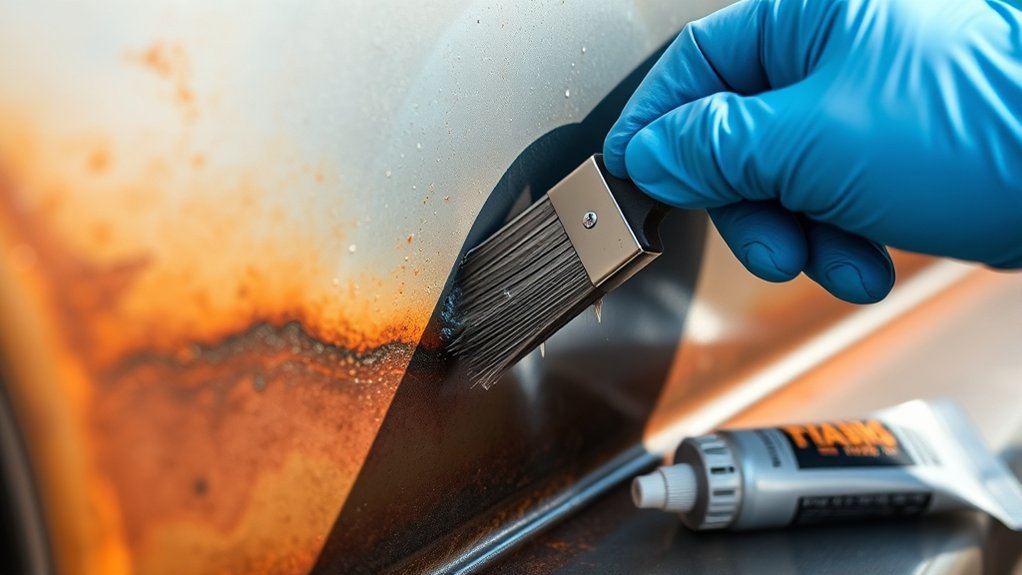
Do not start coating until the metal is cool and the weld has passed inspection. Remove grinding dust, oil, fingerprints, loose coating, and moisture with cleaners approved for the refinish system. Avoid soaking a closed seam with water or acid and then trapping residue inside it.
- Treat only approved residual corrosion: Ideally, cut or clean back to sound metal. Where a rust-treatment product is allowed on nonstructural residual staining, follow its preparation, neutralization, drying, and compatibility instructions exactly. Keep it away from future welds unless specifically approved.
- Prime exposed metal: Apply the OEM-specified or compatible automotive primer. Many seam-sealer systems favor a cured 2K epoxy or 2K urethane primer. Do not assume acid-etch primer is compatible with the sealer.
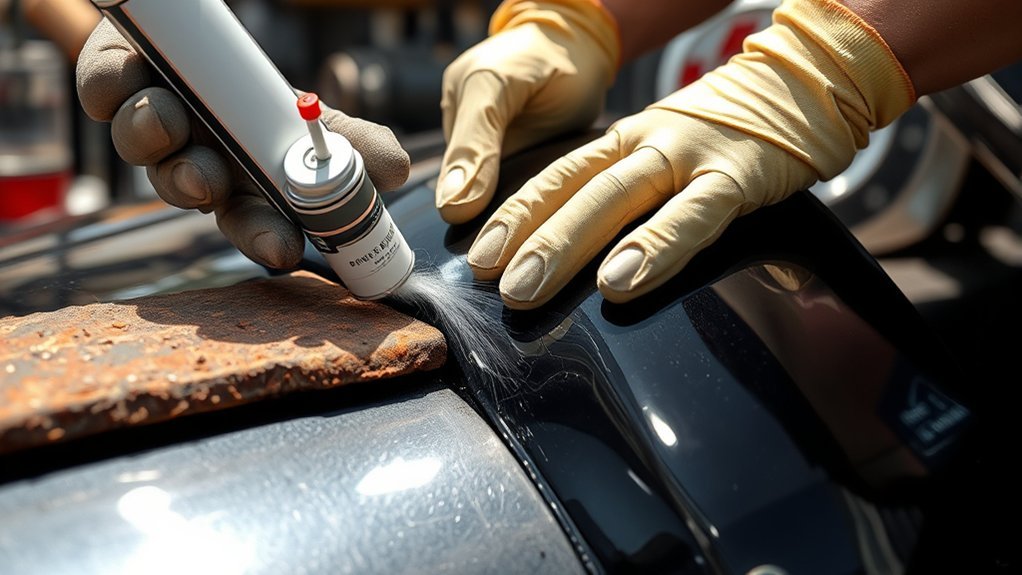
- Apply seam sealer: Seal every repaired overlap and factory-sealed location required by the body repair manual. Push the material into the joint, cover the seam edges, and tool the bead without trapping air. Match the factory function first and appearance second.
- Observe recoat and cure windows: Paint time ranges from minutes to many hours depending on the product, bead thickness, temperature, and humidity. Follow the exact technical data sheet rather than a universal waiting period.
- Restore exterior coatings: Apply the approved refinish system, stone-chip coating, underbody coating, or sound-deadening material where required. Keep drain holes, threaded mounts, electrical grounds, and service openings clear.
- Protect the hidden side: After the refinish process and when the product instructions call for it, apply cavity wax or approved internal corrosion protection to the back of welds, flanges, rockers, pillars, rails, and closed cavities. Use an applicator wand to reach the complete joint instead of drilling unapproved access holes.
Note: Seam sealer is a moisture barrier, not a rust repair. It should cover stable, properly prepared, compatible material and should never hide active corrosion, pinholes, or a weak weld.
Products Worth Considering

Rapid Paint & Superior Bond: Our seam sealer automotive Securely bonds bare, primed, or painted metalwith zero shrinkage. Ready for paint in just 30 minutes-no sanding or extra prep. Saves hours of shop time.Perfect as a RV roof sealant and polyurethane auto body filler
![[Black] Professional Automotive Seam Sealer, Paintable Quick-Set Polyurethane Auto Body Seam Sealer for Metal Surfaces of Cars, Trucks, Etc, Includes Gloves & Tip - Black RV Roof Sealant](https://m.media-amazon.com/images/I/41CSSWLKzxL._SL500_.jpg)
Bonds to All Surfaces: Our seam sealer automotive formula bonds strongly with primed, painted, or bare metal surfaces, offering a fast curing solution. Ready for paint in just 30 minutes, it serves as an effective RV roof sealant and polyurethane auto body filler without the need for sanding.

PROFESSIONAL AUTOMOTIVE SEAM SEALER — WON'T SHRINK OR CRACK — Polyurethane formula seals body panel seams, weld joints, and gaps with a durable, flexible compound that stays put. Unlike generic fillers, this seam sealer maintains flexibility through temperature extremes and road vibration without cracking or pulling away.
Common Mistakes That Cause Rust to Return
- Stopping at the visible edge: Corrosion remains between the panel layers and spreads under the new coating.
- Welding without OEM information: The repair may use the wrong sectioning point, process, filler metal, adhesive, or weld count.
- Leaving thin or heavily pitted metal: The patch is attached to steel that cannot carry the load or hold a durable weld.
- Applying converter or sealer over contamination: Dust, oil, acid residue, moisture, or incompatible primer weakens adhesion.
- Skipping flange protection: Bare mating surfaces begin corroding inside the closed joint.
- Overgrinding welds: Grinding removes base-metal thickness and can turn a sound weld into a weak seam.
- Ignoring the back side: The visible face looks finished while the heat-affected cavity remains bare.
- Coating before hot work is finished: Primer, sealer, foam, or cavity wax can burn, contaminate the weld, or ignite inside a closed section.
- Blocking drains: Seam sealer or undercoating traps water that the factory design was meant to release.
- Failing to fix the leak: Bad weatherstrips, body plugs, drainage, or underbody damage keep feeding moisture into the repaired seam.
Troubleshooting a Repaired Welded Seam
The Seam Sealer Lifts or Peels
Stop and remove the failed material back to a firmly bonded edge. Check for moisture, oil, dust, silicone contamination, uncured primer, acid-etch primer, missed scuffing, or an expired recoat window. Rebuild the coating stack with compatible products rather than applying another bead over the failure.
Rust Stains Return Along the Edge
Trace the stain to its highest or wettest point. Inspect the hidden side, drain path, plug welds, pinholes, weatherstrips, and nearby body plugs. Rust returning at the same seam often means corrosion or moisture remains behind the visible coating.
The Panel Warps During Welding
Stop adding heat. Let the panel cool naturally, then check fit and dimensions. Large gaps, long continuous welds, excessive amperage, poor clamping, or repeated grinding can increase distortion. Correct the cause before continuing.
You Find Pinholes After Grinding
Do not bury pinholes under seam sealer. Clean the area, confirm the surrounding metal is thick enough, and repair the defect with the approved welding process. Reinspect before priming.
Maintaining Your Welded Seams After Repair
Inspect the repair after its first exposure to heavy rain or a thorough wash, then include it in routine seasonal checks. Look for brown staining, coating chips, cracked sealer, bubbling paint, wet carpet, damp cavities, or blocked drains. Pay extra attention after winter road-salt exposure, off-road driving, underbody impact, or work near the repaired area.
- Keep the seam clean: Remove packed mud, leaves, and road salt without forcing high-pressure water into damaged seals or open cavities.
- Keep drains open: Confirm that drain slots and body plugs remain in their correct locations.
- Repair coating damage early: Clean and refinish chips before rust reaches the seam.
- Refresh cavity protection when required: Follow the product and OEM maintenance guidance, especially after another repair opens the cavity.
- Investigate new moisture: Do not assume a wet seam is normal. Find the leak before corrosion spreads under the coating.
A repaired seam lasts longest when the weld, coating stack, drain path, and hidden cavity protection all work together.
Frequently Asked Questions
Does WD-40 really remove rust?
WD-40 Multi-Use Product can displace moisture and help loosen light surface corrosion or stuck hardware, but it is not a substitute for removing rusted automotive sheet metal. Remove every oily residue with a coating-compatible cleaner before welding, priming, or sealing.
Will seam sealer stop rust?
No. Seam sealer blocks water at a prepared joint, but it cannot restore lost metal or stop corrosion trapped underneath it. Repair weak metal, inspect the weld, apply the compatible primer system, and then seal the seam.
Does white vinegar remove rust from a car seam?
Vinegar can dissolve light rust on removable parts, but it is a poor default for overlapping body seams. Liquid and acid residue can enter the joint, and the surface still needs controlled neutralizing, drying, priming, and sealing. Use the repair and coating system approved for the vehicle.
Will Dawn dish soap remove rust?
Dish soap can remove some dirt and grease, but it does not remove structural rust or replace an automotive surface-preparation cleaner. Soap residue can also interfere with coatings, so use the cleaner specified by the primer or sealer maker.
How long should seam sealer dry before painting?
There is no universal time. Some two-part products can be painted within minutes, while one-part products may need much longer. Check the exact technical data sheet for paint time, full cure, bead thickness, temperature, humidity, and maximum recoat window.
Should you seal both sides of a welded seam?
Protect both sides when the body repair manual and access allow it. The visible side may need primer, seam sealer, paint, and undercoating, while the hidden side often needs primer or cavity wax. Do not block drains or apply material where the OEM prohibits it.
Can you weld directly over rust?
No reliable repair starts by welding over rust. Corrosion and scale contaminate the joint, hide lost thickness, and make penetration unpredictable. Expose and remove the damage until the approved joint lands on sound, clean metal.
Should you use weld-through primer on every welded seam?
No. Vehicle makers differ on product type, location, and weld process. Use weld-through primer, weld sealer, or adhesive only when the vehicle-specific procedure requires it, and prepare the direct weld zone exactly as instructed.
When should a rusty seam be repaired by a professional?
Use a qualified collision-repair professional when corrosion reaches a structural member, restraint or suspension mounting point, high-strength or mixed-material panel, hybrid or EV battery enclosure, or any location where the OEM does not allow the planned sectioning or welding method.
Safety Disclaimer: This article is general information, not a substitute for vehicle-specific body repair procedures, product technical data sheets, hazard assessment, or qualified collision-repair training. Cutting and welding can affect crash structure, restraints, electronics, high-voltage systems, fuel systems, coatings, and corrosion protection.
Conclusion
Restoring a rusty welded seam comes down to fixing the metal and rebuilding the protection that the factory joint lost. Find the full corrosion boundary, follow the OEM repair plan, weld only to sound metal, inspect the joint before hiding it, and apply compatible primer, seam sealer, exterior coatings, and cavity protection in the correct sequence. Then keep the seam clean, dry, and open to its designed drainage path.
Sources
- I-CAR: When to Apply Corrosion Protection During the Repair Process — OEM guidance, coating sequence, hidden fire hazards, and cavity-wax timing
- I-CAR: Ford/Lincoln Corrosion Protection Guidelines — vehicle-specific repair manuals and restoration of seam sealer, undercoat, and cavity protection
- 3M OEM Match Seam Sealer — compatible substrates, 2K-primer recommendation, surface preparation, and product-specific paint time
- 3M Collision Repair Corrosion Protection Resources — cavity wax, undercoating, weld sealing, and OEM-specific process considerations
- OSHA: Welding, Cutting, and Brazing Hazards and Solutions — fume, radiation, burn, electrical, and PPE hazards
- NIOSH Pocket Guide: Zinc Oxide — zinc oxide exposure routes and metal fume fever symptoms