
Cleaning galvanized metal before painting is more than wiping off dirt. You need to identify the type and condition of the zinc coating, remove oil and loose corrosion products, create only the amount of surface profile the coating requires, and apply a paint system that is approved for galvanized metal.
I have prepared galvanized gates, trailer parts, welded frames, and other shop projects where one missed contaminant caused the coating to peel. The most reliable approach is to work methodically and let the cleaner, primer, paint, and project specifications control the details.
Last updated: July 19, 2026
Quick Answer
Wash galvanized metal with a mild alkaline cleaner, rinse it with fresh water, remove loose white corrosion with a nylon brush, and lightly profile the clean zinc without grinding through it. Let the surface dry, then apply a coating specifically approved for galvanized metal as soon as the product instructions allow.
Key Takeaways
- Determine whether you have batch hot-dip galvanized steel, continuous galvanized sheet, electro-galvanized metal, or galvannealed steel before choosing a preparation method.
- Remove grease, loose zinc oxide or hydroxide, cleaner residue, sanding dust, and moisture before painting.
- Do not treat an angle grinder or coarse flap disc as a general galvanized-metal cleaning tool.
- Use only primers or direct-to-metal coatings whose technical data specifically lists galvanized zinc as an approved substrate.
- Welding galvanized steel requires separate fume controls, local exhaust, and procedure-based welding settings.
At a Glance
| Time Required | About 30–90 minutes for a small project, plus drying and coating time |
| Difficulty | Easy to moderate for small parts; professional specification work may require blasting and inspection |
| Tools Needed | Alkaline cleaner, nylon brush, clean water, lint-free cloths, fine abrasive pad or specified sandpaper, PPE, and a galvanized-compatible coating |
| Cost | Approximately $20–$75 for basic cleaning and profiling supplies, excluding paint, power tools, and respiratory equipment |
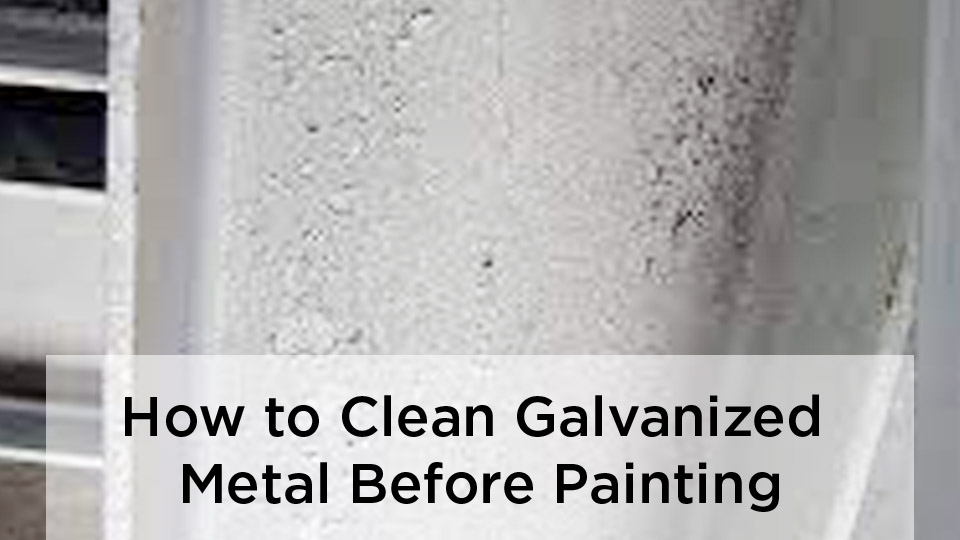
Image by hdgasa
Why Cleaning Galvanized Metal Matters
Galvanized steel has a zinc coating that protects the underlying iron or steel through barrier and sacrificial protection. That same zinc surface can be smooth, contaminated with oil, covered by loose weathering products, or treated with a temporary passivation coating that interferes with paint adhesion.
A coating may look fine when it first dries and still fail weeks or months later. Oils can cause fisheyes, loose zinc corrosion products can release from the surface, and excessive grinding can remove the zinc you were trying to protect.
A premium paint cannot compensate for oil, loose zinc corrosion products, trapped cleaner, moisture, or an improperly profiled surface.
For after-fabrication hot-dip galvanized products, ASTM D6386-22 is the active surface-preparation practice. It covers new and weathered hot-dip galvanized products that have not already been painted. Continuous galvanized sheet and electro-galvanized sheet fall under different guidance.
What Is Galvanized Metal?
Galvanized metal is iron or steel protected by a zinc coating. Hot-dip galvanizing immerses the steel in molten zinc, while continuous sheet galvanizing and electro-galvanizing apply thinner coatings during sheet production. Galvannealed steel receives additional heat treatment that creates a zinc-iron surface with different paintability.
The zinc reacts with the atmosphere over time. Newly galvanized zinc has few weathering compounds. Partially weathered zinc commonly develops zinc oxide and zinc hydroxide. A fully developed patina contains tightly adherent zinc carbonate, which normally should not be stripped from the surface.
Types of Galvanized Metal
Batch hot-dip galvanized steel: Fabricated parts, structural shapes, gates, pipes, and hardware are immersed after fabrication. Use ASTM D6386-22 and the project coating specification.
Continuous galvanized or electro-galvanized sheet: Sheet metal is coated on a production line. Use the paint manufacturer’s instructions and ASTM D7396-25 where applicable.
Galvannealed steel: Its zinc-iron surface is usually duller and more paint-friendly than bright galvanized sheet, but it still needs cleaning and a compatible coating system.
How Surface Age Changes the Preparation
- Newly galvanized: Generally exposed for no more than about 48 hours. The surface has few zinc compounds but may be very smooth or carry oil, quench treatment, or passivation.
- Partially weathered: Common from roughly two days to about one year, depending on exposure. Loose zinc oxide and hydroxide must be removed before painting.
- Fully weathered: Often develops after about one year of atmospheric exposure. The sound zinc-carbonate patina is tightly adherent and normally receives mild cleaning rather than aggressive removal.
Note: Surface age is only a guide. Climate, storage, airflow, humidity, salt, industrial pollution, and previous chemical treatment can change how the coating looks and behaves.
Why Paint Galvanized Metal?
Painting galvanized metal creates a duplex coating system. The paint acts as an additional barrier while the zinc continues to protect the steel at small scratches or damaged areas. This combination can improve appearance and extend corrosion protection when the preparation and coating system are compatible.
Paint also lets you match building finishes, equipment colors, fleet branding, or architectural specifications. The actual service life depends on exposure, zinc thickness, surface preparation, coating chemistry, film thickness, application quality, and maintenance.
Step-by-Step Guide to Cleaning Galvanized Metal Before Painting
This process works as a practical framework for small shop and DIY projects. Structural, industrial, marine, or specification-controlled work may require documented cleaning, sweep blasting, environmental readings, coating inspection, and adhesion testing.
Products Worth Considering

Polishes as it cleans to beautify and protect stainless steel, chrome, and aluminum appliances and metal surfaces

Cleans, polishes & protects stainless steel: Our stainless steel cleaner for appliances, which won a 2026 Good Housekeeping Cleaning Award, helps clean delicate, hard-to-clean surfaces. This appliance cleaner removes grease, fingerprints, water spots and residue while restoring a polished, like-new shine.
A quick and safe method of cleaning and stain removal. Cleans and brightens aluminum and metal surfaces on your boat, RV and trailer
Before You Start: Identify the Surface and Coating System
- Confirm whether the part is batch hot-dip galvanized, continuous sheet, electro-galvanized, or galvannealed.
- Check whether the zinc is new, partially weathered, fully weathered, or affected by wet storage stain.
- Ask the supplier or galvanizer whether oil, wax, chromate, quench treatment, or another passivation was applied.
- Read the primer and topcoat technical data sheets before choosing a cleaner or abrasive.
- Test the complete preparation and coating system on a small hidden area when the previous treatment is unknown.
Step 1: Safety First
Wear chemical-resistant gloves, safety glasses, long sleeves, and footwear suitable for wet work. Read the cleaner’s safety data sheet and label before use. Keep mineral spirits and other flammable solvents away from arcs, flames, heaters, sparks, and smoking materials.
When sanding or grinding, use dust collection where practical and select respiratory protection for the actual dust hazard. Workplace respirator use may require medical evaluation, fit testing, training, and a written program under OSHA requirements.
Warning: Cleaning PPE does not make welding galvanized steel safe. Welding can generate zinc-oxide fume and other hazardous metals and gases. Use local exhaust, adequate ventilation, safe positioning, and task-appropriate respiratory protection based on a hazard assessment. Never weld in a confined space without the required controls and authorization.
Step 2: Remove Surface Oils, Dirt, and Shop Contamination
Start by rinsing loose dust, dirt, mud, and salt from the metal. Use a nylon-bristle brush for deposits that water alone does not remove.
What you will need: A mild alkaline cleaner approved for zinc, warm water, a nylon brush, clean lint-free cloths, and fresh rinse water. TSP or a TSP substitute should be used only when local rules and the product label allow it and when it is compatible with the planned coating.
How to do it:
- Dilute the alkaline cleaner according to its label. Do not assume every product uses the same ratio.
- Brush or wipe the cleaner over the entire surface, including seams, corners, fasteners, welds, and handling areas.
- Keep the cleaner wet for the label-specified contact time, but do not let it dry on the zinc.
- Rinse thoroughly with clean water.
- Repeat the cleaning if rinse water beads heavily or visible grease remains.
For stubborn oil, solvent cleaning may be permitted. Use a clean-cloth method and change cloths often so you lift contamination instead of spreading it. Confirm that the solvent does not leave a film and that the primer manufacturer accepts it.
Pro Tip: After cleaning, mist the surface with clean water. A generally clean surface lets water sheet more evenly. Persistent isolated beading can point to remaining oil, wax, or passivation, although the coating manufacturer’s inspection method should control professional work.
Step 3: Address White Rust and Wet Storage Stain
White, chalky deposits can form when newly galvanized parts remain wet without enough airflow. This is commonly called wet storage stain. Before painting, remove loose corrosion products that could release under the coating.
For light deposits: Wash the surface and scrub it with a nylon-bristle brush or a nonmetallic abrasive pad. Rinse and inspect again.
For more stubborn deposits: A mild cleaner approved for galvanized zinc may be used. The American Galvanizers Association identifies white vinegar among products that have removed wet storage stain without unnecessarily dulling the coating.
If you use vinegar or another mild acidic cleaner, test a small area first, keep the contact time short, do not let it dry, and rinse immediately with plenty of fresh water. A second freshwater rinse helps remove remaining acid. Never use hydrochloric, muriatic, sulfuric, or another strong acid as a casual cleaning shortcut.
For severe damage: Black areas, deep pitting, or exposed base steel can indicate substantial zinc loss. The affected area may require professional assessment, localized mechanical cleaning, and repair under ASTM A780/A780M-20, or stripping and regalvanizing.
Step 4: Profile the Surface Without Stripping the Zinc
A clean galvanized surface can still be too smooth for the selected paint. Profiling creates a controlled texture that helps the coating grip.
For small DIY parts: Follow the primer manufacturer’s specified abrasive grade. When the instructions do not give a grit, a fine nonmetallic abrasive pad or light hand sanding with approximately 180–220 grit is a conservative starting point. Test first and stop as soon as the surface becomes uniformly dull.
For large or specification-controlled work: Sweep blasting is often preferred. It is not the same as ordinary aggressive blast cleaning. Abrasive hardness, particle size, pressure, angle, stand-off distance, and operator technique must be controlled to avoid removing the zinc. Refer to ASTM D6386-22 and AMPP/SSPC-SP 16 where the project requires blast profiling.
For bumps, runs, drips, or weld-zone preparation: A grinder, sander, or flap disc may be used carefully. Do not press hard enough to strip the zinc from surrounding areas. AGA guidance notes that controlled surface grinding may remove up to about 1 mil, but the project specification and zinc thickness should determine what is acceptable.
Warning: Do not use a coarse flap disc across the whole part simply because the zinc looks shiny. Once the zinc is removed, the underlying steel loses that local protection and may need an approved zinc-repair system.
Step 5: Rinse, Remove Dust, and Dry Completely
Remove all cleaner, acid, abrasive dust, and loose debris. Rinse the metal with fresh water. If you used a mild acidic cleaner, rinse it twice unless the product instructions specify another verified procedure.
Do not add an alkaline cleaner only to “neutralize” the acid unless the cleaner or coating manufacturer calls for that process. Adding another chemical can leave another residue that must be removed.
Dry the surface with clean lint-free cloths or clean, dry, oil-free compressed air. Pay close attention to seams, bolt heads, tubes, pockets, and overlapping parts where water can remain hidden.
Step 6: Choose a Compatible Primer or Direct-to-Metal Coating
Do not select a primer only because its label says “metal.” The technical data must specifically list galvanized metal, zinc, or properly prepared galvanized steel as an approved substrate.
Depending on the product and exposure, the coating system may use:
- A waterborne acrylic primer approved for galvanized metal
- A two-component epoxy primer approved for galvanized zinc
- A wash primer or pretreatment used as part of a compatible system
- A direct-to-metal coating that the manufacturer approves for properly prepared galvanized surfaces
For small DIY projects, Rust-Oleum’s Stops Rust Latex Aluminum Primer, SKU 8781502, is one manufacturer-listed option for aluminum and galvanized surfaces. It is an example, not a universal recommendation for every exposure or topcoat.
Apply the coating as soon as possible after the clean, profiled surface has dried. AGA preparation guidance recommends minimizing the delay and keeping it to no more than about 12 hours. Use a shorter window whenever the primer, specification, humidity, or site conditions require it.
Check the product’s requirements for air temperature, surface temperature, humidity, condensation, film thickness, induction time, recoat window, and topcoat compatibility. Never paint a surface that is damp or close to forming condensation.
Step 7: Apply a Test Patch When Compatibility Is Uncertain
Apply the complete primer and topcoat system to a small representative area when the zinc treatment, previous cleaner, or coating compatibility is uncertain. Let it cure for the full manufacturer-specified period, then inspect for lifting, wrinkling, softness, bubbling, or poor adhesion.
Commercial projects may require a documented adhesion test or inspection method. Do not use an improvised destructive test on finished structural work unless the specification allows it and any damaged coating will be repaired.
How to Know the Surface Is Ready for Primer
- No visible grease, wax, fingerprints, dirt, salt, or cleaner residue remains.
- Loose white corrosion products have been removed.
- Sound zinc carbonate on fully weathered metal has not been needlessly stripped.
- The surface has a uniform, coating-appropriate profile rather than deep grinder marks.
- No bare steel is exposed unless the approved system includes zinc repair or treatment for the exposed area.
- Seams and pockets are dry.
- The selected coating explicitly allows use on galvanized metal.
- Weather and surface conditions fall inside the coating manufacturer’s application limits.
Tools and Materials for Cleaning Galvanized Metal
These are the supplies I keep available for routine galvanized-metal preparation. The exact cleaner, abrasive, primer, and PPE still need to match the project and product instructions.
| Tool or Material | Purpose | Selection Notes |
|---|---|---|
| Gloves and safety glasses | Protects skin and eyes | Select materials compatible with the cleaner or solvent |
| Mild alkaline degreaser | Removes oil, grease, and handling contamination | Must be suitable for zinc and fully rinsable |
| TSP or TSP substitute | Optional heavy-duty cleaning | Use only when legal, label-approved, coating-compatible, and thoroughly rinsed |
| Mineral spirits or approved solvent | Removes stubborn oil | Flammable; use fresh cloths, ventilation, and no ignition sources |
| White vinegar or approved mild acidic cleaner | Helps remove some wet storage stain | Use a test patch, short contact time, and immediate freshwater rinsing |
| Nylon-bristle brush | Scrubs dirt and loose white deposits | Less likely than aggressive steel wire brushing to damage zinc |
| Wire brush | Localized mechanical cleaning when specified | Avoid uncontrolled carbon-steel brushing that may scratch or contaminate the zinc |
| Fine abrasive pad or specified sandpaper | Creates a light profile on small parts | Use the coating manufacturer’s specified grade and avoid exposing steel |
| Flap disc or grinder | Removes zinc drips, weld contamination, or localized high spots | Not a general cleaning tool; use light pressure and controlled removal |
| Lint-free cloth or approved tack cloth | Removes final dust | Avoid cloth treatments that leave wax or resin unless approved by the coating maker |
| Clean fresh water | Removes cleaner and acid residue | Use a second rinse after mild acidic cleaning |
| Galvanized-compatible primer or DTM coating | Provides adhesion and corrosion protection | Confirm substrate approval, exposure rating, topcoat compatibility, and recoat window |
Products Worth Considering

THREE DISH SCRUBBERS: This pack of Scotch-Brite Stainless Steel Scrubbers includes 3 scrubbers

Built with the highest quality galvanized steel
DURABLE METAL CONSTRUCTION: Crafted from sturdy metal, this galvanized bucket is built to withstand heavy use for cleaning, gardening, or storage. Rust-resistant finish ensures long-lasting performance.
Welding Galvanized Metal: Prep Considerations
If you are welding galvanized steel before painting, treat welding as a separate hot-work operation. Zinc can vaporize in the arc and form zinc-oxide fume, while paint, solvent residue, oil, and other coatings can create additional hazardous fumes and weld defects.
For a deeper process overview, see my guide to MIG welding galvanized steel.
Safety for Welding Galvanized Steel
- Remove contamination: Clean oil, paint, and solvent residue from the hot-work area before welding.
- Control the plume: Use local exhaust close to the source and position yourself so fume does not pass through your breathing zone.
- Do not rely on outdoor work alone: Wind can carry the plume back toward you or other workers.
- Use appropriate respiratory protection: Respirator selection must reflect the hazard assessment, exposure level, required protection factor, and applicable OSHA program requirements.
- Remove zinc locally when required: Grind or otherwise remove the zinc from the weld zone according to the WPS or project procedure. Here is my method for how to remove zinc coating safely.
- Protect others: Keep exhaust discharge and drifting fume away from nearby workers.
OSHA advises cleaning coatings that may create toxic exposure, using adequate ventilation or local exhaust, and using respiratory protection when work practices and ventilation do not reduce exposure sufficiently. NIOSH identifies zinc-oxide fume as a cause of metal fume fever and provides exposure-based respirator recommendations.
Welding Process and Settings
Process: MIG/GMAW and Stick/SMAW are common choices for galvanized carbon steel. TIG/GTAW can also be used in suitable applications. The correct process depends on material thickness, joint design, position, production needs, coating condition, and the governing welding procedure.
Filler metal: ER70S-6 wire and E7018 electrodes may be appropriate for some common carbon-steel applications, but they are not universal selections. Match the filler to the base metal, required mechanical properties, applicable code, and WPS.
Machine settings: Use the welding-machine chart, consumable data, joint requirements, and qualified WPS where required. There is no single correct voltage, amperage, wire speed, travel speed, or contact-tip-to-work distance for all 1/8-inch galvanized steel.
The Miller Weld Setting Calculators and my MIG wire speed and voltage chart can provide starting references, but a chart does not replace a procedure or sound weld evaluation.
Warning: Do not simply turn the heat down to avoid zinc fumes or porosity. Settings that are too low can cause lack of fusion. Remove zinc where required, control the fume, and use parameters that produce an acceptable weld under the applicable procedure.
Post-Weld Cleaning
After welding, remove slag, spatter, soot, and sharp projections. Feather the transition between intact galvanizing and the weld zone without needlessly enlarging the bare area. Degrease, rinse, profile, and dry the area before coating.
If welding or grinding removed the hot-dip galvanized coating, repair may be required before painting. ASTM A780/A780M-20 describes recognized repair methods using zinc-based solder, zinc-rich paint, or sprayed zinc. The contract documents should determine the accepted method and repair extent.
Pros and Cons of Painting Galvanized Metal
| Pros | Cons |
|---|---|
| Adds a barrier over the protective zinc coating | Requires careful cleaning and coating compatibility checks |
| Allows custom colors and architectural finishes | Oil, passivation, or loose zinc compounds can cause premature failure |
| Can improve service life in aggressive environments | Over-grinding can remove the zinc coating |
| Can meet project appearance and identification requirements | Some systems require blasting, environmental readings, or inspection |
| Makes future maintenance coating easier to plan | Welded areas may require separate zinc repair before painting |
Common Mistakes and How to Fix Them
Mistake: Skipping degreasing because the metal looks clean. Fix: Wash the entire surface, including handling areas and edges, with a zinc-safe cleaner and rinse it thoroughly.
Mistake: Treating every white or gray zinc compound the same way. Fix: Remove loose oxide and hydroxide from partially weathered or stained zinc, but do not aggressively strip sound zinc carbonate from a fully weathered surface.
Mistake: Leaving vinegar or another acidic cleaner on the surface for an arbitrary period. Fix: Use a test area, follow the cleaner’s directions, keep contact brief, and rinse immediately with fresh water.
Mistake: Using an 80-grit flap disc across the entire part. Fix: Use light hand abrasion or specification-controlled sweep blasting. Reserve grinding for localized high spots and weld preparation.
Mistake: Using a generic metal primer. Fix: Confirm that the primer or direct-to-metal coating specifically lists galvanized zinc as an approved substrate.
Mistake: Painting over a damp seam or pocket. Fix: Dry hidden areas and confirm that the surface is not approaching condensation.
Mistake: Waiting until the next day after preparation. Fix: Coat the dry, prepared surface as soon as possible and within the coating or project window.
Mistake: Assuming AWS D1.1 controls the paint preparation. Fix: Use the applicable welding code for the weld and ASTM D6386, D7396, AMPP standards, manufacturer data, and contract documents for coating preparation.
Troubleshooting Paint Problems on Galvanized Metal
| Problem | Likely Cause | Correction |
|---|---|---|
| Fisheyes or craters | Oil, wax, silicone, or solvent contamination | Let the coating cure or remove it as directed, degrease thoroughly, rinse, profile, and recoat with a compatible system |
| Peeling in sheets | Poor surface profile, passivation, loose zinc compounds, or incompatible primer | Remove failed coating, identify the surface treatment, prepare a test patch, and use an approved galvanized-metal system |
| Bubbles or blisters | Trapped moisture, cleaner residue, solvent, or application outside environmental limits | Allow full drying, remove affected coating, clean and rinse again, then apply within the product limits |
| Rust bleed near welds | Zinc removed by welding or grinding, exposed steel, or missed crevices | Remove corrosion, repair the zinc where required, seal the area with the specified coating system, and restore film thickness |
| Paint stays soft | Wrong mix ratio, low temperature, incompatible layers, excessive film thickness, or missed induction time | Check the technical data, cure conditions, batch mixing, and recoat compatibility before adding another layer |
Real-World Applications
Preparation details change with the surface, exposure, and coating system. These examples show how the same core process applies to different projects.
DIY Project: Backyard Fence
You are building or refinishing a galvanized steel fence and want a black exterior finish. Wash the frame with a mild alkaline cleaner, remove loose white deposits with a nylon brush, rinse, and let every joint dry. Lightly profile the surface according to the primer instructions, then use an exterior coating system approved for galvanized metal.
If welding removed zinc at the joints, clean and repair those areas before applying the finish. Do not assume exterior enamel can go directly over bright zinc without an approved primer or direct-to-metal rating.
Professional Job: Structural Steel Beams
For structural galvanized beams, separate the welding and coating requirements. AWS D1.1/D1.1M:2025 may govern qualifying structural-steel welds, but the coating specification should identify the required cleaning, profiling, environmental conditions, primer, topcoat, dry-film thickness, inspection, and repair method.
ASTM D6386-22 is the primary preparation practice for after-fabrication hot-dip galvanized products. AMPP/SSPC-SP 1 may govern solvent cleaning, while AMPP/SSPC-SP 16 may be specified for controlled brush-off blast cleaning of galvanized or other non-carbon-steel surfaces.
Hobby Project: Custom Motorcycle Frame
For a galvanized motorcycle-frame component, remove oil and road contamination, rinse, profile the zinc lightly, and apply an automotive coating system whose manufacturer approves galvanized metal. Clean welds and repair exposed steel before primer.
A motorcycle frame is safety-critical. Welding, heating, grinding, straightening, or altering structural members should be handled by a qualified fabricator who understands the base metal, zinc coating, joint design, heat effects, and inspection requirements.
Industry Standards and Best Practices
ASTM D6386-22: The active practice for preparing new and weathered after-fabrication hot-dip galvanized iron and steel products for liquid paint.
ASTM D7396-25: Guidance for preparing new continuous zinc-coated sheet surfaces, including hot-dip and electroplated sheet.
ASTM A123/A123M-24: Requirements for hot-dip galvanized coatings on iron and steel products. It governs the zinc coating rather than serving as the main painting procedure.
ASTM A780/A780M-20: Recognized methods for repairing damaged and uncoated areas of hot-dip galvanized coatings.
AMPP/SSPC-SP 1: Solvent-cleaning requirements for removing oil, grease, dirt, and similar contaminants.
AMPP/SSPC-SP 16-2020: Brush-off blast-cleaning requirements for coated or uncoated metals other than carbon steel, including galvanized surfaces when specified.
AWS D1.1/D1.1M:2025: Structural welding requirements for commonly used carbon and low-alloy constructional steels. It does not replace the project’s coating-preparation specification.
Always use the edition named in the contract documents. A legally binding project specification may require a different edition, additional inspection, or a coating-manufacturer procedure that is stricter than this general guide.
Conclusion
To clean galvanized metal before painting, first identify the zinc coating and its condition. Remove oil and dirt with a zinc-safe cleaner, treat loose white corrosion without attacking the zinc, rinse thoroughly, create only the profile the coating requires, and let the surface dry completely.
Apply a primer or direct-to-metal coating that specifically approves galvanized metal, and do it as soon as practical within the product and project requirements. For welded or structural work, keep the welding procedure, fume controls, zinc repair, and paint-preparation requirements separate. That approach gives you a much better chance of avoiding peeling, bubbling, rust bleed, and expensive rework.
Frequently Asked Questions
Why does paint peel off galvanized metal?
Paint commonly peels because oil, wax, passivation, loose zinc corrosion products, moisture, or an overly smooth surface prevented adhesion. The primer may also be incompatible with zinc. Remove failed coating, clean and profile the surface correctly, and use a coating system specifically approved for galvanized metal.
Can I paint galvanized metal without sanding it?
Sometimes. A wash primer, acrylic pretreatment, sweep blast, or manufacturer-approved direct-to-metal system may provide the required preparation. Small DIY projects often benefit from light hand abrasion. Follow the selected coating’s technical data rather than assuming sanding is always required or always unnecessary.
Can I paint galvanized metal without primer?
Only when the topcoat manufacturer lists properly prepared galvanized metal as an approved direct-to-metal substrate. Many systems still require a galvanized-compatible primer. Using a generic metal paint directly over zinc can lead to poor adhesion or early failure.
What is the best primer for galvanized metal?
The best primer is one whose current technical data explicitly approves galvanized zinc and matches the topcoat and exposure. Depending on the project, that may be a waterborne acrylic, two-component epoxy, wash primer, or another manufacturer-approved system. Rust-Oleum Stops Rust Latex Aluminum Primer is one consumer example for galvanized surfaces.
How do I remove white rust from galvanized metal?
Wash the surface and scrub light deposits with a nylon brush or nonmetallic abrasive pad. A mild cleaner approved for zinc may help with more stubborn wet storage stain. If using vinegar or another mild acid, test first, keep contact short, rinse immediately, and rinse a second time. Black areas or exposed steel may need zinc repair.
Can vinegar damage galvanized metal?
Yes, acidic cleaners can attack zinc when they are too strong or remain on the surface too long. White vinegar has been used successfully for some wet storage stain, but it should be tested first, kept wet for only a short period, and rinsed off immediately. Never substitute strong muriatic, hydrochloric, or sulfuric acid.
How soon should I paint after cleaning galvanized metal?
Apply the coating as soon as the cleaned and profiled surface is fully dry. AGA guidance recommends minimizing the delay and keeping it to no more than about 12 hours. Follow any shorter limit in the primer data sheet or project specification.
Can I weld galvanized steel before painting?
Yes, but welding requires local fume extraction or other adequate ventilation, removal of contamination from the hot-work area, and welding parameters based on the material and applicable procedure. Zinc may need to be removed from the weld zone. After welding, clean the joint and repair damaged galvanizing where the project requires it.
Is it safe to clean galvanized metal indoors?
Routine washing may be done indoors when the space has suitable ventilation, spill control, PPE, and safe chemical handling. Solvents require additional fire and vapor precautions. Grinding needs dust control. Welding galvanized metal is a separate hot-work operation and may require local exhaust, exposure assessment, respiratory protection, and confined-space controls.
Sources
- ASTM D6386-22 — scope and current practice for preparing after-fabrication hot-dip galvanized products for liquid paint
- American Galvanizers Association: Preparing Hot-Dip Galvanized Steel for Paint — surface-condition, cleaning, profiling, and coating timing guidance
- American Galvanizers Association: Cleaning Hot-Dip Galvanized Steel — dirt, wet storage stain, acid, rinsing, and cleaner guidance
- OSHA: Controlling Hazardous Fume and Gases During Welding — ventilation, local exhaust, hot-work cleaning, and respiratory-control principles
- NIOSH Pocket Guide: Zinc Oxide — zinc-oxide exposure effects and exposure-based respirator recommendations
- Rust-Oleum Stops Rust Latex Aluminum Primer — manufacturer confirmation of use on galvanized surfaces


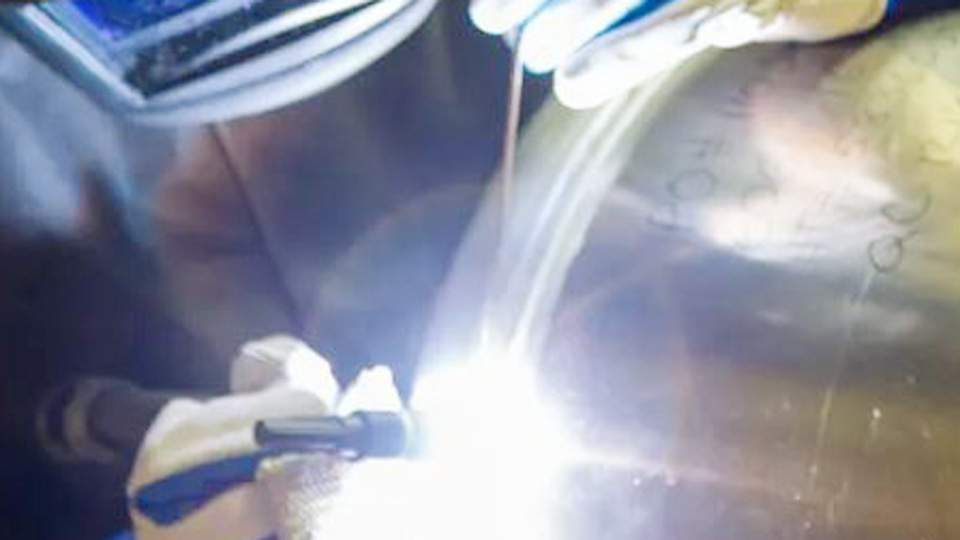
[…] on galvanized steel without removing the zinc coating is a mistake most of us only make once. The fumes are harsh, the […]