If you’ve ever tried to clean up a rusted piece of metal for a project, you know how stubborn it can be. You scrub, sand, maybe even hit it with a grinder, and somehow the rust still comes back.
That’s why learning how to use Rust-Oleum on rusted metal the right way changes everything. It stops the rust instead of just hiding it and leaves you with a clean, tough finish that lasts.
Whether you’re fixing an old trailer, touching up welded joints, or refinishing mild steel or stainless parts, good prep and coating make all the difference. In this guide I walk through the exact steps I use in the shop to turn rusty junk into solid, protected work.
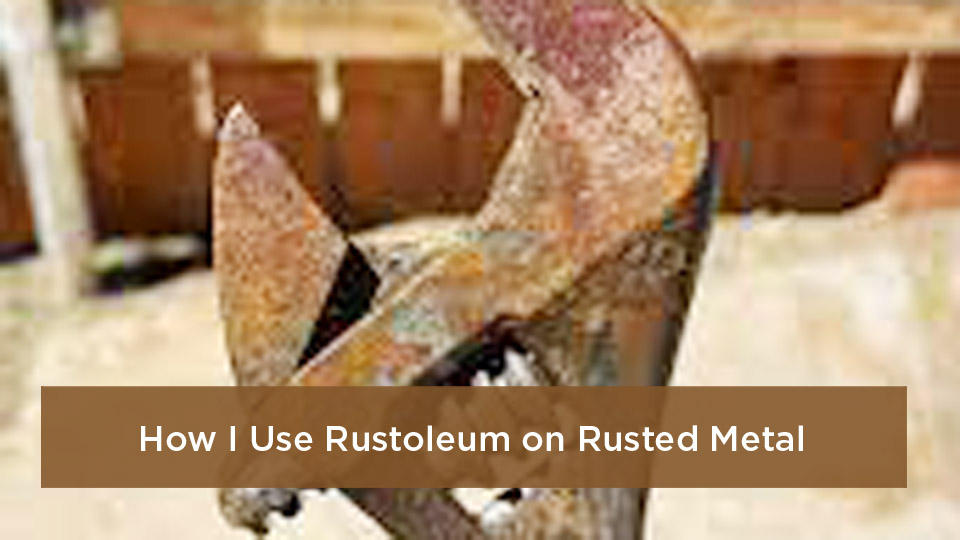
Image by tt
Quick Answer
Using Rust-Oleum on rusted metal the right way stops corrosion and preps your piece for strong welds. Here’s the quick rundown:
- Scrape off loose flakes and wipe everything with degreaser.
- Apply thin coats of the right converter or primer for your rust level.
- Let it cure 24 to 48 hours.
- Grind weld joints back to bare shiny metal.
- Re-treat heat zones after you weld for full protection.
What Is Rust-Oleum and Why Does It Fit Right Into Your Welding Workflow?
Rust-Oleum is the can or brush-on product we all grab at the hardware store for quick fixes. At its core it’s a lineup of rust converters and primers that bond with oxidized metal and turn a grinding nightmare into a workable surface.
For us in the trades the appeal is huge during long fab sessions. Say you’re building a gate from scrap angle iron. Full rust removal could eat half your day with a wire wheel.
Instead a quick Rust-Oleum coat locks down the corrosion so you can focus on the cut and tack. I used it on a customer’s rotted workbench leg last summer. Without it the rust would have flaked into my flux core wire and left pinholes everywhere.
It works through simple chemistry. The formula reacts with iron oxide (the rust) to form a stable, paintable layer. No magic, just a polymer shield that flexes with the metal under heat or vibration.
And compatibility is spot on for mild steel, the bread-and-butter of most welding jobs. Just don’t expect it to fix deep structural pits. That’s still grinder territory.
When Should You Reach for Rust-Oleum on Rusted Metal in a Welding Project?
Not every rusty spot needs a converter. I learned the hard way that slapping it on thick corrosion without checking first causes more problems than it solves. Start by looking at the damage.
Light surface rust, like that orange film on stored tubing, is perfect for Rust-Oleum. It converts fast without stripping to bare metal.
Heavy pitting is different. Deep rust weakens the base material. In those cases Rust-Oleum works as a temporary stabilizer while you grind out the bad stuff.
I prepped a junkyard I-beam for a shop overhead crane once. The flanges were pitted like Swiss cheese. I hit the high spots with converter, then flap-disc’d the lows. It saved hours and kept the piece from crumbling under the torch.
Why bother in welding? Time and integrity. AWS codes like D1.1 hammer home clean joints for good fusion, but real-world rust fights back. Rust-Oleum buys you breathing room, especially on outdoor repairs where humidity turns clean metal rusty overnight. It’s cheap too. A $10 can covers what a rental sandblaster would charge for an afternoon.
Spotting the Right Scenarios: Light Rust vs. Scale Buildup
Light rust looks like a powdery orange film you can rub off with your thumb. Rust-Oleum shines here and prevents flash rust during downtime. That’s perfect for tack welding sequences.
Scale buildup, that chunky black layer from mill rolling, laughs at converters. Scrape it first, then treat.
Pro tip from the field: test a small area. Dab on the product, wait 24 hours, and see if it holds under a light grind. If it flakes, dig deeper. This saved me on a bridge repair job where what looked like surface rust hid mill scale underneath.
Step-by-Step Guide: Applying Rust-Oleum to Rusted Metal Like a Pro
This process is the same shop prep I use on every fabrication run: methodical, no shortcuts. It works on rebar trellises, engine stands, you name it.
First, safety check. Gloves, goggles, respirator. Rust dust and VOCs are no joke in tight spaces. Work in a ventilated area with a fan and drop cloths. That overspray sticks.
Step 1: Assess and clear the deck. Knock off loose flakes with a plastic scraper or chisel. No metal tools yet. Wipe with mineral spirits to remove oils or old paint. I once skipped this on a muffler hanger and the residue bubbled the converter. Wasted the whole coat.
Step 2: Rough up if needed. For spray cans a quick wire brush pass evens things out. Brush-on? Stir well. Work between 50 and 90 °F. Colder and it dries gummy.
Step 3: Apply the first coat. Hold the can 10-12 inches away and sweep even passes. Light mist first to avoid runs. For brush-on use thin layers and feather the edges. One can covers about 10 square feet on moderate rust. Let it tack up 20 minutes.
Step 4: Second coat and cure. Once it’s dry to the touch (about an hour), hit it again for full bond. Full cure takes 24-48 hours. Don’t rush. I tack-welded too soon once and the heat softened the layer, contaminating the bead.
After it cures you’ll see that flat black finish. Buff lightly if you’re adding paint. For welding, grind back to bare metal at the joints.
Tools You’ll Need for a Smooth Application
Keep it simple: spray can or quart brush-on, wire brush, rags, and a respirator. For big jobs an airless sprayer speeds things up. The classic aerosol is still my budget pick. Portable and foolproof.
Integrating Rust-Oleum into Rusted Metal Welding Prep
Treating the rust is half the battle. The real win is welding over it without issues. Once the Rust-Oleum sets, expose clean metal at the joint while protecting the rest. This hybrid approach works great when you’re up against a deadline.
Mark your weld lines with soapstone. Then use a 40-grit flap disc on an angle grinder to feather the treated area. Aim for shiny base metal about ¼ inch wide on each side. Vacuum the dust. Residue means slag inclusions.
Clamp up, tack, and run your bead. Flux-cored wire handles any trace converter better than solid MIG. I remember a shop meltdown where we didn’t grind deep enough on a treated tank seam. The arc wandered and we got porosity everywhere.
Lesson learned: bevel if the plate is over ⅛ inch thick. That gets you to virgin steel. After the weld, reapply Rust-Oleum to the heat-affected zones. It bonds fresh and seals out moisture before your final enamel.
Choosing the Right Welding Process After Treatment
Stick welding? 6010 rods dig through light residue. MIG? ER70S-6 wire at 18-20 volts and 150 amps for ¼-inch plate. Flux core is my go-to for field work on treated rust. The self-shielding flux neutralizes contaminants.
Top Rust-Oleum Products for Welders Tackling Rusted Metal
Rust-Oleum’s lineup packs options for every shop setup. Here’s a quick rundown in table form. I’ve tested them all on real builds.
| Product | Best For | Application Method | Dry Time | Pros | Cons |
|---|---|---|---|---|---|
| Rust Reformer | Converting light-medium rust before grinding | Spray or brush-on | 24 hours full cure | No sanding needed, direct bond to rust | Not for heavy pits, black finish only |
| Rusty Metal Primer | Self-etching on flaky surfaces, pre-weld protection | Spray | 1-2 hours to touch | Adheres to oily/dirty metal, fish oil base for flexibility | Strong odor, needs ventilation |
| Stops Rust Enamel | Post-weld topcoat over treated areas | Spray | 24 hours | Durable chip resistance, 12 color options | Thicker build-up, can run if over-applied |
| Automotive Rust Reformer | Trailer/vehicle frames with vibration | Brush-on | 48 hours | Bonds under flex, heat-resistant to 200°F | Pricier for large areas |
My go-to is Rusty Metal Primer for its grip on shop-grimed steel. Paired with a 7018 rod it turned a rusted-out go-kart chassis into a runner.
Common Mistakes with Rust-Oleum on Rusted Metal and How to Dodge Them
Early in my apprenticeship I drowned a gate panel in Reformer thinking more was better. It cured like tar and grinding took forever. Fix? Thin coats, always.
Another trap is ignoring humidity. Apply in a muggy garage and you get blisters. Solution: dehumidify or wait for a dry day. And skipping PPE? Those fumes hit hard. Respirator every time.
On the welding side, not feathering the edges causes delamination under heat. Blend it smooth or your bead cracks at the line. One crew treated a beam but welded green. Fumes everywhere and the job stopped cold. Wait it out.
Quick Fixes for Goofs
Runs? Sand lightly once cured. Poor adhesion? Scuff and recoat. Test welds on scrap to catch arc issues early.
Optimizing Your Welder Settings for Rust-Oleum Treated Joints
Treated metal acts a little different because of the conversion layer. Dial in accordingly. For MIG on 3/16-inch treated mild steel: 19 volts, 180 amps, 75% argon/25% CO2. Travel speed 12-15 inches per minute to burn through without blow-through.
Stick? 1/8-inch 6011 at 100 amps, DCEP polarity. It handles residue like a champ. Flux core self-shielded: 0.035 wire, 22 volts, no gas needed for outdoor jobs.
Joint prep tip: V-groove at 60 degrees for full penetration. Filler matches the base. Run stringers first, then weaves to fill.
Safety Essentials When Mixing Rust-Oleum and Welding on Rusted Gear
Rust-Oleum solvents plus welding arcs make a volatile mix. Always ventilate. Shop exhaust or open bays. Respirator with organic cartridges for application and P100 for fumes during welds.
Heat can off-gas the coating, so grind slow. Eye protection is mandatory. Sparks bounce off treated surfaces. Ground directly to bare metal, not the coating.
OSHA watches particulates in fab shops. I’ve seen metal fume fever sideline crews. Hydrate and rotate shifts. In the field, like pipeline tie-ins, pair it with fire watch. Safe habits mean lasting work.
Wrapping It Up: Your New Edge on Rusted Metal Welding
From spotting rust types to dialing in the perfect MIG bead over a treated joint, using Rust-Oleum on rusted metal levels up your game. Assess first, apply thin, grind smart, and always prioritize clean fusion. You’re now ready to tackle that rusted relic in the corner and turn scrap into solid builds with confidence. No more worrying about porosity or rework.
FAQs
Can I Weld Directly Over Rust-Oleum Without Grinding?
Short answer: No, not for structural work. Grind back to bare metal at the joint to avoid contamination and weak fusion. For non-critical tacks, light residue might slide with flux core, but test it first.
Is Rust-Oleum Safe for Galvanized Steel in Welding Prep?
Yes, but strip the zinc first. The fumes are toxic. Use Rusty Metal Primer on cleaned galvy for protection, then grind joints clean. Follow AWS D1.1 for coated metals.
How Long Does Rust-Oleum Last on Outdoor Welded Structures?
Up to 5-7 years in mild climates with topcoats, less in salt air. Reapply to heat zones post-weld for max hold. I’ve seen it shrug off winters on farm gates.
What’s the Difference Between Rust Reformer and Rusty Metal Primer?
Reformer converts active rust to a stable base. Primer etches and seals existing flakes. Use Reformer for fresh corrosion and Primer for pre-weld shielding.
Can Rust-Oleum Cause Weld Porosity?
Only if you don’t remove it at the joints. Residue traps gases. Proper grinding eliminates the risk and keeps your beads clean and strong.