Disclosure: As an Amazon Associate, we earn from qualifying purchases. If you click a link on this page and make a purchase, we may receive a small commission at no extra cost to you.
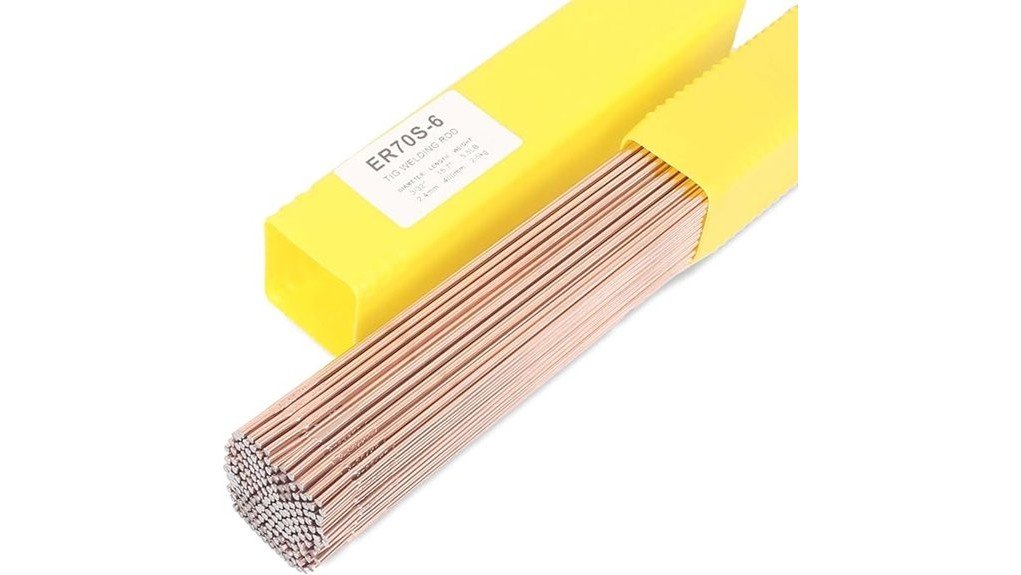
Choosing TIG filler rod is not just about matching a diameter. You also need a rod that fits your base metal, welding process, storage habits, and cleanup expectations. The 5.5LB ER70S-6 TIG Welding Rod is a mild steel filler option for welders who want a 3/32-inch rod for plain carbon steel, mild steel, and some low-alloy steel work. It is a practical choice for repair and fabrication tasks, but it is not the right filler for aluminum, stainless steel, or every high-spec structural job.
Quick Verdict
Rating: 8.1/10, Recommended with caveats
Best For: DIY welders, farm repair, shop fabrication, and mild steel TIG work where a 3/32-inch filler rod makes sense.
Bottom Line: This ER70S-6 TIG rod gives you a useful 5.5 lb supply, a common 3/32-inch diameter, and good versatility on mild steel. Skip it if you need aluminum filler, stainless filler, certified project documentation, or a different diameter for thin sheet metal.
| Specification | Detail |
|---|---|
| Product type | TIG welding filler rod for steel |
| Classification | ER70S-6 |
| Package weight | 5.5 lb |
| Rod length | 15.7 inches, based on the source article |
| Diameter | 3/32 inch |
| Material | Low carbon steel filler wire |
| Best use | Mild steel, plain carbon steel, and compatible low-alloy steel TIG welding |
| Not for | Aluminum welding, stainless welding, or projects that require a different filler classification |
| Storage note | Keep rods dry, clean, and protected from contamination before use |
What Is the 5.5LB ER70S-6 TIG Welding Rod?
The 5.5LB ER70S-6 TIG Welding Rod is a steel filler rod package made for TIG welding jobs where ER70S-6 filler is a suitable match. The article-supported specs list a 5.5 lb package, 15.7-inch rod length, 3/32-inch diameter, and low carbon steel construction.
ER70S-6 filler is commonly chosen for mild steel and plain carbon steel because it can handle everyday repair and fabrication work. It can also be more forgiving than some cleaner-only filler choices when you are working with light mill scale or less-than-perfect base metal, although you should still clean the joint before welding.
This rod makes the most sense for welders who already know their project calls for ER70S-6 and want a useful quantity for repeated shop work. It is less ideal for occasional welders who only need a few rods, or for anyone who needs a rod with full certification paperwork for code-controlled work.
Key Takeaways
- The 5.5LB ER70S-6 TIG Welding Rod is intended for mild steel, plain carbon steel, and compatible low-alloy steel work.
- The article lists a 3/32-inch diameter and 15.7-inch rod length, which suits many common shop and repair welds.
- The 5.5 lb package gives you more working supply than a small trial pack, which helps if you weld often.
- Clean base metal still matters. ER70S-6 can be forgiving, but it should not be treated as a shortcut around proper prep.
- It is not suitable for aluminum welding, and it should not be used when your project requires stainless filler or a different filler classification.
Before You Buy: Match the filler rod to your base metal, welding procedure, and project requirements. This ER70S-6 rod is for steel TIG work, not aluminum, stainless, or every certified structural application.
Who Should Buy It?
Best For
- Welders working on mild steel repairs, brackets, frames, and general shop projects.
- Farm, garage, and maintenance users who want a larger 5.5 lb filler rod supply.
- Buyers who already use 3/32-inch TIG filler and want an ER70S-6 option.
Skip If
- You need filler for aluminum, stainless steel, cast iron, or another non-matching base metal.
- Your work requires a different rod diameter for very thin sheet or tight control.
- Your job requires documented certifications that are not shown with the product listing.
Features and Specifications
The strongest spec here is the practical size combination. A 3/32-inch rod is common enough for many TIG setups, while the 5.5 lb package gives you enough filler for repeated practice, repair, or fabrication jobs.
The 15.7-inch length can be comfortable for bench work and general hand feeding. It gives you enough rod to work with without feeling as bulky as longer filler lengths in tighter spaces.
The low carbon steel composition supports the intended mild steel use. Since the brand and full listing data could not be independently confirmed during editing, the revised review avoids unsupported claims about certifications, warranty terms, exact chemistry, or manufacturer guarantees.
Materials and Build Quality
For a TIG filler rod, build quality mainly comes down to consistent diameter, clean surface condition, and correct material match. The article-supported 3/32-inch diameter should feed predictably by hand when your cup angle, torch distance, and puddle control are steady.
ER70S-6 is also known as a practical steel filler choice for general fabrication. It is often used where the base metal is not perfectly bright and polished, but you should still remove oil, paint, heavy rust, and moisture before welding.
The rod itself does not make a weak joint strong if the base metal, joint design, machine settings, or shielding gas are wrong. Treat it as one part of the welding setup, not a fix for poor preparation.
Welding Applications and Benefits
This rod fits common mild steel and plain carbon steel tasks, including shop brackets, small repairs, general fabrication, and farm equipment touch-ups. It can also help with projects where you need a hand-fed filler rather than a spool of MIG wire.
The main benefit is versatility within its correct material range. If your project calls for ER70S-6, you get a familiar filler classification, a useful 3/32-inch diameter, and enough rod weight for more than a few short welds.
It can also be helpful when the steel is not perfectly clean, but that does not mean you should weld through dirt or heavy corrosion. Better prep usually gives you cleaner puddle behavior, fewer defects, and less post-weld cleanup.
Performance and User Experience
In real use, this TIG rod should feel straightforward if your machine setup and base metal match the filler. The 3/32-inch size is large enough for many moderate steel welds but may feel too heavy for very thin sheet metal.
The low carbon steel filler helps you create solid welds on compatible steel when your technique is controlled. You still need correct amperage, clean fit-up, proper tungsten prep, and a suitable shielding gas for TIG welding.
One article claim was corrected during editing: 100% CO2 is not a standard TIG shielding recommendation for this type of TIG use. Follow your welder manual, filler guidance, and project procedure. For TIG, argon is commonly used, with helium or argon-helium blends used in some applications.
Pro Tip: Before starting a visible weld, run a short test bead on scrap steel of the same thickness. It helps you confirm rod size, amperage, travel speed, and shielding coverage before you touch the final part.
How It Performs in Real Use
For General Workshop Repairs
For brackets, tabs, patch pieces, and everyday mild steel repairs, the 3/32-inch ER70S-6 format is practical. It gives you enough filler volume for common joints without forcing you into a very thin rod that takes longer to build a bead.
For Farm and Equipment Fabrication
Farm repair often involves steel that has seen paint, rust, oil, and outdoor exposure. This rod can be useful in that setting, but you should grind, wipe, and dry the weld area first. Heavy contamination can still cause porosity, poor fusion, or ugly bead appearance.
For Beginner TIG Practice
Beginners can use this rod to practice puddle control on compatible mild steel. The 5.5 lb package is helpful if you plan to run many practice beads, but new welders should also buy scrap steel in several thicknesses to learn how rod size changes the puddle.
For Better-Finish Steel Projects
When your weld appearance matters, this rod can produce a clean bead if your setup is right. It will not hide poor hand feeding or bad torch angle, so steady rhythm and clean prep still matter more than the filler label alone.
How to Use It Correctly
Start by confirming that the base metal is compatible with ER70S-6 filler. Do not use this rod just because it is available. Aluminum, stainless steel, cast iron, and specialty alloys need different filler choices.
Next, clean the joint area. Remove paint, oil, grease, moisture, heavy rust, and loose mill scale. ER70S-6 can be forgiving on less-than-perfect steel, but clean metal still gives you the best chance of a strong, neat weld.
Store unused rods in a dry container so they stay clean. If the rod surface picks up oil, dirt, or moisture, wipe it before welding and avoid feeding contaminated filler into the puddle.
Safety, Compatibility, and Storage
Welding filler rod safety starts with matching the material and process. This rod is made for compatible steel TIG work, and it should not be used as a universal filler for every metal in your shop.
Use proper welding PPE, ventilation, eye protection, gloves, and fire-safe work habits. Welding can expose you to fumes, ultraviolet light, hot metal, and fire risks, so follow your welder manual and shop safety procedures.
Storage is simple but important. Keep the rods dry, covered, and away from grinding dust, oil, and moisture. Contaminated filler can hurt puddle behavior and weld quality.
Pros and Cons
Pros
- 5.5 lb package gives frequent welders a useful amount of filler rod.
- 3/32-inch diameter works for many common mild steel TIG jobs.
- ER70S-6 classification suits mild steel, plain carbon steel, and some low-alloy steel work.
- Useful for shop repair, fabrication, farm equipment work, and practice beads.
- Can be more forgiving than some filler choices when steel is not perfectly bright, as long as you still prep the joint.
Cons
- Not suitable for aluminum, stainless steel, or mismatched base metals.
- 3/32-inch diameter may be too large for some thin sheet metal work.
- Listing verification was incomplete, so buyers should confirm brand, packaging, and any certification needs before ordering.
Is It Worth the Price?
The 5.5LB ER70S-6 TIG Welding Rod looks like a strong value for the price if you weld mild steel often and want more than a small starter quantity. The 5.5 lb package is especially useful for practice, repair work, and shop jobs where you do not want to run out of filler quickly.
It is a smart buy for everyday use if the 3/32-inch size matches your welding style and base metal thickness. It is not the best fit if you only need a few rods, require another diameter, or need verified documentation for regulated work.
How It Compares to Alternatives
Compared with smaller ER70S-6 TIG rod packs, this 5.5 lb package makes more sense for repeat use. A smaller pack may be better if you are testing a filler type for the first time or only have one short project.
Compared with ER70S-2 filler, ER70S-6 is often chosen when mild steel prep is not perfect, though the right choice depends on your procedure and base metal. Compared with stainless or aluminum filler rods, this product is much more limited because it is meant for compatible steel work.
Frequently Asked Questions
Can this ER70S-6 TIG rod be used for aluminum welding?
No. This rod is intended for compatible steel work, not aluminum. Aluminum welding requires an aluminum filler that matches the base metal and welding procedure.
What metals is this TIG filler rod best for?
It is best for mild steel, plain carbon steel, and compatible low-alloy steel jobs where ER70S-6 is an appropriate filler. Always match the filler to your base metal and project requirements.
Is 3/32 inch a good TIG rod size?
A 3/32-inch rod is a common, useful size for many moderate mild steel TIG welds. It may feel too large for very thin sheet metal, where a smaller rod can give you better control.
Do I need to clean the rod before welding?
Yes, clean filler and clean base metal help you get better weld quality. Wipe off oil, dust, and moisture before use, and do not feed dirty rod into the weld puddle.
What shielding gas should I use with this TIG rod?
Use the shielding gas recommended by your TIG welder manual, filler guidance, and welding procedure. For TIG welding, argon is commonly used, while helium or argon-helium blends may be used in some applications.
How should I store these welding rods?
Store them in a dry, covered container away from moisture, oil, and grinding dust. Good storage helps keep the rod surface clean and reduces avoidable weld problems.
Who should skip this welding rod?
Skip it if your base metal is aluminum, stainless steel, cast iron, or another metal that needs a different filler. You should also skip it if your project requires certified filler documentation that is not provided with the product.
The Bottom Line
The 5.5LB ER70S-6 TIG Welding Rod is worth considering if you want a practical 3/32-inch filler rod for mild steel TIG welding, shop repair, and regular practice. Its main strength is versatile steel use in a larger package, while its main limitation is material compatibility.
Buy it if ER70S-6 matches your base metal and project needs. Skip it if you need aluminum, stainless, another diameter, or verified certification details before purchase.