Disclosure: As an Amazon Associate, we earn from qualifying purchases. If you click a link on this page and make a purchase, we may receive a small commission at no extra cost to you.
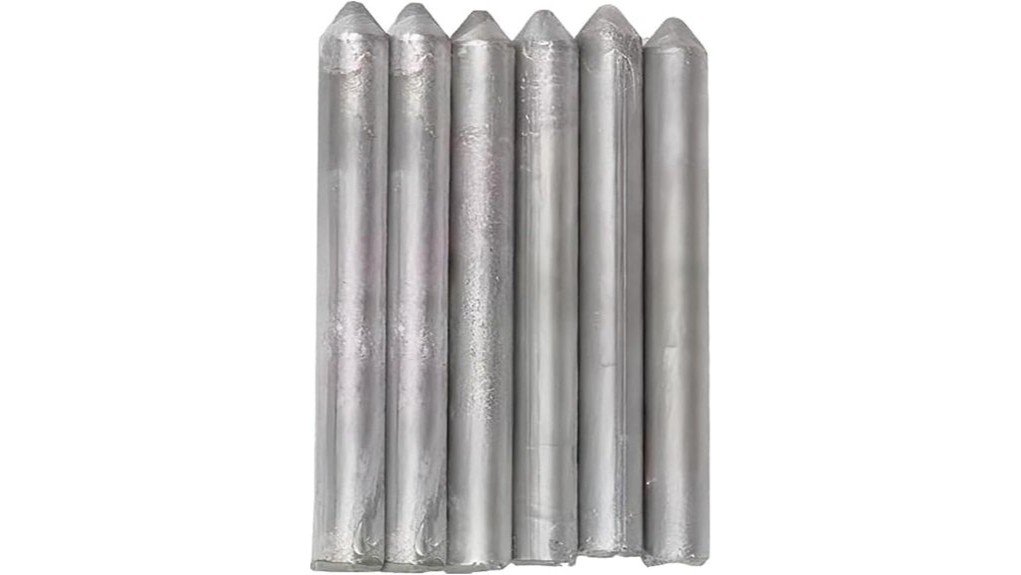
Small jewelry joints and metal craft repairs often need a filler that is thin enough to control without forcing you to buy a full spool in one diameter. The 4pcs Gold Silver Copper Welding Rods set gives you four copper rods in 0.5mm, 0.7mm, 1.0mm, and 1.5mm diameters, which makes it easier to match the amount of filler to the size of your work. The rods are flexible and intended mainly for jewelry making, metal soldering, and brazing-style applications. The main caution is that you should not assume a specific melting temperature or ordinary electronics-soldering compatibility because a dependable temperature specification is not provided.
Quick Verdict
Rating: Recommended with caveats
Best For: Jewelry makers and hobbyists who want four copper filler diameters for small metal projects.
Bottom Line: You get four useful diameters in one compact set, and the copper rods are flexible enough for controlled shaping. The tradeoff is limited technical documentation, especially around exact melting temperature, flux requirements, and heat-source compatibility.
Features and Specifications
| Specification | Detail |
|---|---|
| Product type | Copper welding, soldering, and brazing rods/wire for craft use |
| Quantity | 4 rods |
| Diameters | 0.5mm, 0.7mm, 1.0mm, and 1.5mm |
| Material | Copper |
| Form | Flexible round rods/wire |
| Primary use | Jewelry making and small metal craft work |
| Other listed uses | Gold and silver work, K-gold work, soldering, and brazing |
| Surface | Smooth copper surface designed to be easy to shape |
| Temperature specification | No dependable exact melting or working temperature confirmed |
| Important note | Confirm your base metal, filler, flux, and heat-source compatibility before heating |
What Are the 4pcs Gold Silver Copper Welding Rods?
This is a four-piece set of copper filler rods supplied in four different diameters. Despite the words “Gold Silver Copper” in the product name, the supported material description identifies the rods themselves as copper. The gold and silver wording refers to the types of jewelry and metalworking applications associated with the product rather than proof that each rod is made from precious metal.
The main advantage is simple sizing flexibility. Instead of trying to use one thick wire for every joint, you can choose among 0.5mm, 0.7mm, 1.0mm, and 1.5mm material. That can make the set more practical for jewelry work where the amount of filler and the size of the joint can change from one project to another.
Before You Buy: Do not purchase this set on the assumption that it is conventional electronics solder or that it melts below a specific temperature. Check the current product details and make sure the filler is compatible with your metal, flux, and heat source before starting a project.
Key Takeaways
- You receive four copper rods in 0.5mm, 0.7mm, 1.0mm, and 1.5mm diameters.
- The thinner sizes give you better control for small jewelry work, while the thicker rods provide more filler material for larger joints.
- The rods are flexible and can be shaped before you apply heat.
- The product is primarily suited to jewelry making, metal craft work, soldering, and brazing-style applications.
- An exact working or melting temperature is not clearly documented, so you should match your equipment and process carefully.
- This is a simple filler-material set, not a complete soldering or brazing kit.
Who Should Buy It?
Best For
- Jewelry makers who want several filler diameters in one small set.
- Hobbyists doing copper-based craft, brazing, or small metal-joining projects.
- Users who value flexible wire that can be shaped before heating.
Skip If
- You need solder with a published alloy composition and precise melting or flow temperature.
- You specifically need verified electronics or PCB solder.
- Your work requires a documented certification, specification sheet, or clearly stated warranty.
Build Quality and Materials
The main supported material is copper. The rods have a smooth surface and enough flexibility to bend into useful shapes before you work on the joint. That flexibility matters most when you need to position a small piece of filler precisely instead of fighting a stiff rod around a delicate jewelry part.
The four diameters also make the set more useful than a single-size sample. The 0.5mm and 0.7mm rods give you less material per feed, which can help when you are working around small joints. The 1.0mm and 1.5mm rods provide more material and may be easier to handle when the joint or craft piece is larger.
Keep in mind that rod diameter alone does not determine whether a filler is right for a joint. Your base metal, joint design, heat source, surface preparation, and any required flux also affect the result.
Performance and Usability
The strongest usability feature is the ability to select a diameter that better matches the job. A thin rod can give you more control over how much material reaches a small jewelry joint. A thicker rod feeds more material and may feel easier to control with gloved hands during larger craft work.
The smooth, flexible construction also lets you pre-form a short section when that makes positioning easier. For example, you may be able to bend a piece to follow a small curve instead of trying to hold a straight rod against an awkward joint while heating it.
What you should not expect is a guaranteed result with every metal or every soldering tool. The product information does not provide enough dependable technical detail to promise a particular flow temperature, so testing on scrap material is a sensible step before you work on a finished piece.
Pro Tip: Start with the thinnest diameter that supplies enough filler for your joint. It is usually easier to add a controlled amount of material than to manage excess filler around a small jewelry detail.
Applications and Versatility
The four diameters give you more flexibility across small jewelry and craft projects, but each size is best treated as a different feeding option rather than a guaranteed match for a particular metal.
| Rod Diameter | Practical Role | Buyer Consideration |
|---|---|---|
| 0.5mm | Fine filler control | Useful when you want to feed a small amount at a time |
| 0.7mm | Fine to medium work | Balances handling with relatively controlled feeding |
| 1.0mm | General craft use | Supplies more filler per length than the thinner rods |
| 1.5mm | Heavier filler feed | Better suited when a thicker rod is easier to handle or more material is needed |
How It Performs in Real Use
For Fine Jewelry Work
For small jewelry parts, the 0.5mm and 0.7mm rods give you the most controlled starting point. Their smaller diameter means you can introduce less material at once, which is useful when excess filler would be difficult to clean up around a small detail.
For Larger Craft Joints
The 1.0mm and 1.5mm sizes give you more material with each section of rod. They can be more convenient when the workpiece is larger and you do not need the same fine feed control required for delicate jewelry.
For Pre-Shaping Around a Joint
Because the copper wire is flexible, you can cut and form a short piece before heating when your process allows it. This can help you place filler around curves or confined areas without constantly repositioning a long straight rod.
For Occasional Hobby Use
The four-size format makes sense when you work on different small projects and do not want a large spool of every diameter. You get several sizes to experiment with, but the set is less suitable when you need a large quantity of one specific diameter for repetitive production work.
How to Use It Correctly
Start by identifying the base metal and deciding whether the joint calls for soldering, brazing, or another joining process. The product name uses several metalworking terms, but those processes are not interchangeable. Your heat source, filler material, flux, and joint preparation need to match the process you are actually using.
Clean the work surfaces before applying heat, and select a rod diameter that gives you enough filler without overwhelming the joint. For a small project, beginning with 0.5mm or 0.7mm can give you more control. Move to a thicker rod only when you need more material or easier handling.
If your process requires flux, use a flux that is compatible with the base metal and filler. Do not assume flux is built into these rods. Follow the instructions supplied with your heat source, flux, and work material.
When possible, test the filler on scrap made from the same material before working on the final piece. This gives you a chance to confirm how the rod behaves with your equipment without risking a finished jewelry component.
Compatibility and Safety
Any soldering or brazing process can expose you to hot metal, flame, fumes, and hot workpieces. Use suitable eye protection, heat-resistant handling tools, and a fire-resistant work area. Keep combustible materials away from the heating zone and make sure your workspace has appropriate ventilation.
Do not rely on color alone to judge whether a metal is safe or compatible. The rods are described as copper, while the product name references gold and silver applications. If the value or composition of your jewelry is important, confirm that your chosen filler and process are suitable for that exact alloy before applying heat.
The absence of a dependable published melting-temperature specification is also important. Avoid selecting a soldering iron, torch setting, or process temperature based on an assumed “<400°C" limit. Use documented information for the materials and equipment in your actual setup.
Pros and Cons
Pros
- Includes four useful diameters from 0.5mm to 1.5mm.
- Copper construction is clearly identified.
- Flexible wire can be shaped before use.
- Thin sizes give you better control over filler quantity.
- Compact four-piece format suits occasional jewelry and craft projects.
Cons
- No dependable exact melting or working temperature is provided.
- The product naming can make the material and intended joining process confusing.
- It is only a four-rod filler set, so you may still need compatible flux, heat equipment, and preparation tools.
Is It Worth the Price?
The set makes the most sense as a value-focused craft consumable when you want several diameters without buying four separate full-size spools. Its value comes from variety rather than advanced packaging, detailed technical documentation, or a complete joining system.
You will get the most value if you regularly switch between fine and larger jewelry joints and can use the supplied copper filler with your existing process. It is less attractive if your work requires a precisely documented alloy, certified filler, a known flow temperature, or a large quantity of one diameter.
Because online pricing can change, compare the current price against dedicated jewelry solder or brazing filler that clearly states its alloy and working range. A slightly higher-priced alternative may be a better purchase when technical documentation is more important than getting four diameters in one package.
How It Compares to Alternatives
A dedicated jewelry solder wire or sheet can be the better choice when you need a known alloy and published flow temperature for precious-metal work. A documented brazing filler rod can also be preferable when you need clear compatibility information for a specific base metal and torch process.
For electronics, conventional electronics solder with clearly stated alloy and flux specifications is a more appropriate category to compare. The 4pcs copper rod set makes the most sense when your priority is a small assortment of flexible copper filler diameters for jewelry or craft-metal work rather than a highly specified soldering consumable.
Frequently Asked Questions
Are these rods suitable for beginners?
The flexible rods and four diameters can be useful for learning small jewelry and craft-metal tasks. You still need to understand the joining process, base-metal compatibility, flux requirements, and safe use of your heat source before starting.
Which rod diameter should you use?
The 0.5mm and 0.7mm rods are useful when you want finer control over filler quantity. The 1.0mm and 1.5mm rods supply more material and may be easier to handle for larger craft joints.
Can you use these rods with a normal electronics soldering iron?
You should not assume that you can. A dependable melting-temperature specification is not confirmed, and the set is primarily positioned for jewelry and metalworking applications rather than documented PCB soldering.
Can these rods be used with gold, silver, or other metals?
The product is marketed for gold, silver, K-gold, and brazing applications, but that does not guarantee compatibility with every alloy. Check the composition of your base metal and confirm that copper filler is suitable for the joint before applying heat.
Does the package include flux?
The supported package information confirms four rods but does not establish that flux is included. Plan on checking the current package details and obtaining a compatible flux separately if your joining process requires one.
How should you store the rods?
Keep the rods clean, dry, and protected from contamination. A closed container or labeled storage sleeve also helps you keep the four diameters separated so you can identify the size you need later.
What safety precautions should you take?
Use suitable eye protection, heat-resistant handling tools, ventilation, and a fire-resistant work surface. Keep flammable materials away and follow the instructions for your torch, soldering equipment, flux, and base metal.
Is there a warranty or guarantee?
A specific manufacturer warranty was not confirmed for this four-rod set. Check the current Amazon listing and seller terms before purchasing if warranty coverage or returns are important to you.
The Bottom Line
The 4pcs Gold Silver Copper Welding Rods are worth considering when you want a compact set of flexible copper filler in four diameters for jewelry and small craft-metal projects. The useful size range is the main strength, while the lack of a dependable exact working temperature and detailed technical documentation is the main limitation. Skip it if you need a precisely specified solder alloy or verified electronics solder.
Ready to Buy?
Check the latest price and current product details before you decide.