Plasma cutters can make clean, fast cuts, but the same electrical power that forms the arc can also injure you. Many units use open-circuit voltages above typical welding output, so shock risk rises if you ignore grounding, moisture, damaged cables, or worn torch parts. This guide explains how plasma cutter voltage affects safety and cut quality, and how you can reduce risk before you strike an arc.
Quick Answer
Plasma cutter voltage matters because it helps create and hold the arc that cuts metal. That same voltage can create a serious shock hazard, especially around wet surfaces, poor grounding, or damaged parts. You can lower the risk by inspecting the cutter, grounding the workpiece, wearing dry insulated gear, and keeping the area clean and dry.
Key Takeaways
- Check cables, clamps, torch parts, and connections before each plasma cutting job.
- Ground the workpiece and cutter correctly so current follows the intended path.
- Keep your gloves, boots, floor, and work surface dry to reduce shock risk.
- Match amperage, air supply, and consumables to the metal thickness you plan to cut.
- Clear flammable materials from the area before sparks or molten metal reach them.
Understanding Plasma Cutter Voltage and Its Implications

To understand plasma cutter voltage, start with the arc. The cutter uses electrical energy and compressed gas to create a hot plasma stream that cuts electrically conductive metals.
Many plasma cutters use open-circuit voltages in a high range, often around 100 to 200 volts depending on the unit. Check your machine’s nameplate and manual because voltage, duty cycle, and output limits vary by model.
Higher voltage helps start and maintain a stable arc. A stable arc can improve cutting precision, reduce edge roughness, and make the cut easier to control.
You still need the right full setup, not just more voltage. Use the correct amperage, air pressure, ground clamp placement, torch height, and consumables for the metal you plan to cut.
Note: Your plasma cutter manual gives the safest voltage, amperage, air pressure, and duty cycle limits for your exact model.
Key Safety Risks Associated With High Voltage

Plasma cutters create several safety risks because they combine electricity, heat, compressed air, sparks, fumes, and molten metal. The main voltage hazard comes from electric shock if current passes through your body.
Shock risk rises when you touch live parts, work on wet surfaces, use damaged cables, or lose a reliable ground path. Poor grounding can also make the cutter perform worse because the arc becomes less stable.
Plasma cutters can expose you to higher open-circuit voltage than many common welding setups, so you need strict shock controls.
Watch for these common hazards before you cut:
- Damaged cables, loose connections, or cracked torch parts that expose live conductors.
- Poor grounding that forces current to find an unsafe path through equipment or your body.
- Wet gloves, damp floors, or metal surfaces that increase electrical conductivity.
- Nearby cardboard, rags, sawdust, or solvents that can ignite from sparks.
- Metal fumes and fine particles that can harm your lungs without enough ventilation.
Warning: Do not cut if your gloves, boots, floor, or workpiece are wet, because moisture raises shock risk.
Essential Protective Measures for Safe Operation

Safe plasma cutting starts before you turn on the machine. Inspect the torch, cables, ground clamp, plug, air line, and consumables before each use.
Wear dry insulated gloves and boots. Use eye and face protection rated for plasma cutting, flame-resistant clothing, and hearing protection when your setup creates high noise.
Ground the workpiece and cutter as the manufacturer directs. Place the ground clamp on clean metal, close to the cut, so current has a short and reliable return path.
Set up a safe workspace before you start cutting:
- Remove flammable materials from the spark path.
- Keep a suitable fire extinguisher within reach.
- Use dry insulating mats when you need extra shock protection.
- Keep bystanders away from sparks, glare, fumes, and hot metal.
- Ventilate the area and use respiratory protection when airflow can’t control fumes.
If you cut painted, coated, galvanized, or unknown metal, take extra care. Coatings can create harmful fumes, so clean the metal first when the job allows it.
Products Worth Considering
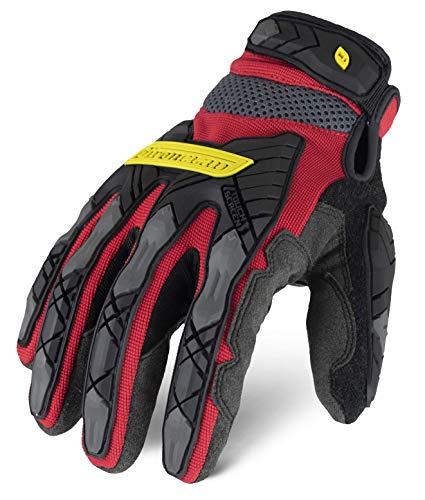
CUT PROTECTION - HPPE Blend, 360 Cut-Resistant ANSI A5 Liner

4X MORE CUT-RESISTANT THAN LEATHER — Safety gloves made from the highest level of cut resistant material on the market. These mandolin gloves cut prooft are 4X better at protecting you than leather and 10X better than steel. These cutting gloves or kevlar gloves are designed to dramatically reduce the risk of nicks and slices from kitchen knives, mandolines and graters when accidents happen.

Protect Your Hand - Throw away the normal gloves and try to use our THOMEN cut resistant gloves. It is made from level 5 cut resistant material, protect your hands from injury, stronger than normal gloves. Let you enjoy cooking time.
How to Match Voltage, Amperage, and Air Supply to the Job

Good cut quality depends on the full system. Voltage supports arc stability, but amperage, torch height, air quality, travel speed, and consumable condition also control the result.
Choose a plasma cutter with enough output for your material thickness. Some machines cover light sheet metal, while larger systems can cut much thicker plate when paired with the right power and air supply.
Use an air compressor that meets your cutter’s required flow and pressure. Moisture or low air flow can shorten consumable life, widen the kerf, and leave rough edges.
Use these equipment checks before each job:
- Match cutting amperage to the metal thickness.
- Set air pressure within the range listed in the manual.
- Replace worn electrodes, nozzles, shields, and swirl rings before cut quality drops.
- Use clean, dry air to help protect consumables and maintain the arc.
- Keep the torch at the correct height for the cut mode.
Computer numerical control (CNC) plasma systems add more variables. If you use one, set torch height control, pierce delay, travel speed, and arc voltage according to the table for your consumables.
Products Worth Considering
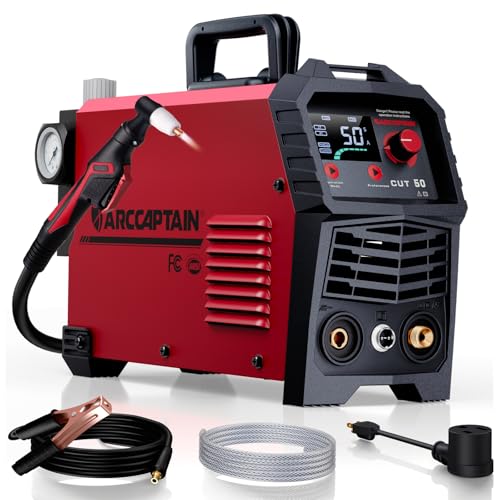
【Powerful Cutting Ability】Switch effortlessly between 110V and 220V for home or workshop use. Achieve professional 1/2" clean cuts on steel, aluminum, and copper with advanced LGBT technology. Perfect for DIY projects and heavy-duty tasks. Recommended maximum cutting thickness: 12mm @ 35A / 110V / 55 PSl; 18mm @ 50A / 220V / 75 PSI. Note: Requires compressed air (compressor sold separately).
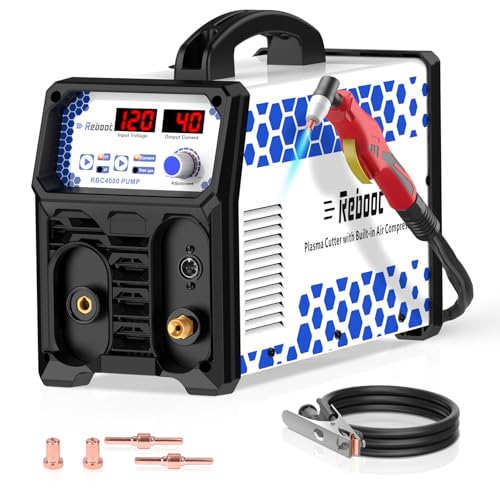
𝐁𝐔𝐈𝐋𝐓-𝐈𝐍 𝐀𝐈𝐑 𝐂𝐎𝐌𝐏𝐑𝐄𝐒𝐒𝐎𝐑, 𝐙𝐄𝐑𝐎 𝐄𝐗𝐓𝐄𝐑𝐍𝐀𝐋 𝐔𝐍𝐈𝐓𝐒 𝐍𝐄𝐄𝐃𝐄𝐃: Integrated high-efficiency air pump eliminates the need for separate air compressors. Start cutting immediately with simplified setup

CUTTING THICKNESS UP TO 20MM: Featuring a brand-new MCU technology upgrade, the plasma cutter machine has a high degree of internal integration, combining full digitalization for more precise control of cutting parameters such as current and voltage. This results in better cutting effects and improved stability. Cutting thickness: Quality 12mm (1/2"), maximum 20mm (3/4").
How Voltage Changes Affect Cut Quality
Voltage changes can alter arc length and cut shape. If arc voltage runs too high or too low for the setup, you may see bevel, dross, rough edges, or an unstable arc.
Do not treat voltage as the only quality control. First check consumables, ground contact, air pressure, torch height, and travel speed because those issues often cause poor cuts.
Use test cuts on scrap metal when you change thickness, material type, or consumables. A short test helps you tune settings without wasting the real workpiece.
Lessons Learned From Real-Life Incidents

Small mistakes can turn into serious incidents during plasma cutting. Sparks can ignite nearby cardboard, rags, or dust before you notice the flame.
Personal protective equipment (PPE) also matters after the cut. Hot metal can burn your hands even after the arc stops, so keep gloves on while handling fresh cuts.
| Incident Type | Lesson Learned |
|---|---|
| Fire Hazard | Maintain a clean workspace and move flammable items away from sparks. |
| PPE Negligence | Wear dry gloves, eye protection, flame-resistant clothing, and sturdy boots. |
| Equipment Faults | Inspect cables, clamps, plugs, and torch parts before each use. |
Regular inspections help you spot problems before they hurt you or damage the cut. Replace worn or cracked parts instead of trying to finish one more job with unsafe equipment.
Frequently Asked Questions
What Are Common Misconceptions About Plasma Cutter Voltage?
You might think higher voltage always means better performance, but that claim oversimplifies plasma cutting. The best cut comes from the right balance of voltage, amperage, air flow, torch height, travel speed, and consumable condition.
How Does High Voltage Affect Maintenance Schedules?
High voltage does not set the maintenance schedule by itself. You should inspect high-voltage components often because heat, vibration, dust, and wear can damage cables, torch parts, and connections over time.
Are There Environmental Factors Influencing Voltage Safety?
Yes. Moisture, dust, metal debris, poor ventilation, and cramped work areas can raise shock, fire, and fume risks. Keep the workspace dry, clean, and well ventilated before you cut.
What Alternative Technologies Exist for Safer Cutting?
You can consider laser cutting, mechanical shearing, sawing, or water jet cutting for some jobs. Water jet cutting can reduce heat and electrical arc hazards, but each method has its own safety rules and cost limits.
How Do Voltage Fluctuations Impact Cut Quality?
Voltage fluctuations can make the arc unstable, which may leave rough edges, bevel, or dross. Check the power supply, ground clamp, consumables, air pressure, and torch height when cut quality changes.
Safety Disclaimer: This article is for informational purposes only and does not replace the manufacturer’s manual, workplace safety rules, or training from a qualified professional. Always follow the instructions for your exact plasma cutter and stop work if equipment, conditions, or settings seem unsafe.
Conclusion
Plasma cutter voltage helps create a strong cutting arc, but it also demands careful shock control. Before you cut, inspect the equipment, ground the workpiece, dry the area, and put on the right protective gear.
Safe setup supports better cuts and fewer delays. Treat voltage as both a performance tool and a safety concern, and you’ll make cleaner cuts with more control.