Disclosure: As an Amazon Associate, we earn from qualifying purchases. If you click a link on this page and make a purchase, we may receive a small commission at no extra cost to you.
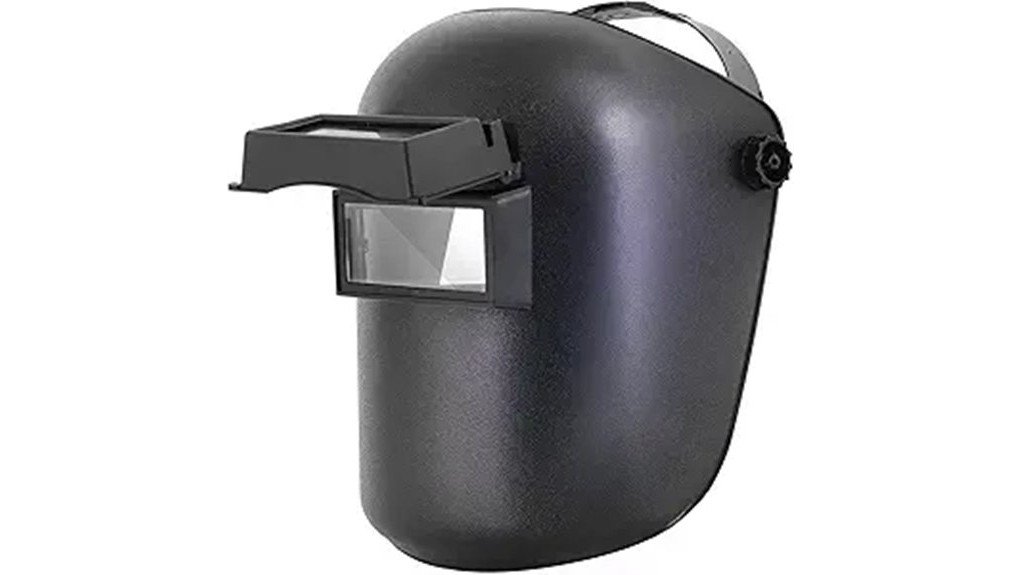
Choosing a welding helmet is not only about comfort. You need a lens shade that fits your work, a shell that covers your face well, and headgear that does not distract you while you weld. The TOPDC Welding Helmet is a flip-front helmet with a fixed Shade 11 filter lens, a 3.86″ x 1.61″ viewing area, and adjustable headgear for basic MIG, TIG, MMA, and some plasma cutting tasks. This review explains where it makes sense, where it may feel limited, and what you should confirm before you buy.
Quick Verdict
Rating: Recommended with caveats, 7.8/10
Best For: DIY welders, light shop users, and buyers who want a simple fixed-shade flip-front helmet.
Bottom Line: The TOPDC Welding Helmet is a practical pick if you want a lightweight helmet with Shade 11 protection, flip-front viewing, and adjustable headgear. The tradeoff is that the shade is not adjustable, so you must confirm Shade 11 is right for your welding process and amperage before relying on it.
| Specification | Detail |
|---|---|
| Brand | TOPDC |
| Product type | Welding helmet |
| Amazon ASIN | B0C77WGW24 |
| Design | Flip-front design with transparent and filter lens use |
| Viewing area | 3.86″ x 1.61″ |
| Shade rating | Fixed Shade 11 |
| Shade adjustment | No adjustable shade dial stated |
| Supported use | TIG, MIG, MMA, and plasma cutting when Shade 11 is suitable for the task |
| Headgear | Adjustable headgear with up and down positioning |
| Weight | 0.66 kg, about 1.46 lb |
| Care note | Clean the lens with a soft cloth and store the helmet in a protective case |
| Buyer note | Confirm replacement lens availability before buying if you expect heavy use |
What Is the TOPDC Welding Helmet?
The TOPDC Welding Helmet is a basic flip-front welding helmet built for users who want fixed Shade 11 protection without a complex control panel. Instead of an adjustable shade dial, the helmet uses a Shade 11 filter and a flip-front setup, so you can move between a clearer view and the filtered welding view as needed.
The 3.86″ x 1.61″ viewing area is not as large as many premium auto-darkening helmets, but it gives you a defined lens window for simple welding and cutting work. The helmet also includes adjustable headgear, which matters because a poor fit can make the helmet slide, pinch, or sit too low over your line of sight.
This helmet is best viewed as a simple protective tool for light shop work, repairs, hobby welding, and backup use. It is not the best fit if you need adjustable shade levels, grind mode, a larger viewing screen, verified replacement lens packs, or advanced auto-darkening controls.
Before You Buy: This is a fixed Shade 11 helmet based on the article-supported details. Check your welding process, amperage, workplace rules, and the current Amazon listing before you rely on it for any task.
Who Should Buy It?
Best For
- DIY welders who want a simple flip-front welding helmet.
- Users who prefer a fixed Shade 11 lens instead of digital controls.
- Light shop, garage, repair, and backup helmet use.
Skip If
- You need adjustable shade levels for different welding amperages.
- You want a large auto-darkening lens with sensitivity and delay controls.
- You need confirmed replacement lenses available before purchase.
Performance Features of the TOPDC Welding Helmet
The main performance point is the fixed Shade 11 filter. A fixed shade can be useful if your work fits that shade range, because there are fewer settings to adjust and fewer controls to learn. The downside is clear: Shade 11 is not right for every process, every amperage, or every work environment.
For MIG, TIG, and MMA welding, you should match the lens shade to the job. Lower-current work may need a different shade than higher-current work, and professional shops may have their own PPE rules. If you are unsure, follow the helmet instructions, your welder manual, and qualified safety guidance before starting.
The flip-front design is useful when you need to inspect your work, position a part, or check a tack without removing the entire helmet. It also keeps the helmet simple. There is no stated adjustable shade dial, so you are buying a straightforward helmet rather than a feature-heavy auto-darkening model.
Lens Clarity and Viewing Area
The helmet uses a 3.86″ x 1.61″ viewing area. That size gives you a focused view of the weld zone, but it is smaller than the wide viewing panels found on many higher-priced helmets. For occasional work, the lens size may be enough. For long beads, awkward positions, or production work, you may want a larger window.
Lens clarity also depends on care. Dust, fingerprints, scratches, and leftover protective film can make a good lens feel cloudy. Before your first use, remove the protective film from both sides of the lens if present. During use, wipe the lens gently with a soft cloth instead of using rough shop towels that may scratch the surface.
Pro Tip: Before welding, put the helmet on, lower it into working position, and look at a safe non-arc reference point. If the lens feels foggy or distorted, check for protective film, dust, or scratches before you strike an arc.
Comfort and Design Adjustments
Comfort matters more than many buyers expect. A helmet that shifts while you work can break your focus and make it harder to keep your weld line steady. The TOPDC helmet includes adjustable headgear, so you can tune the fit around your head and align the shell with your line of sight.
The up and down adjustment helps you position the helmet so the lens sits where your eyes naturally look. This is especially helpful if you switch between standing, bench work, and crouched positions. At 0.66 kg, or about 1.46 lb, the helmet is light enough for short to moderate sessions without feeling overly bulky for many users.
The flip-front design also helps reduce how often you need to remove the full helmet. You can lift the front section to inspect your setup, then lower it again when you are ready to weld. That simple motion can be helpful during small repairs, repeated tacks, and quick checks.
How It Performs in Real Use
For Garage and DIY Welding
For basic garage welding, the TOPDC helmet is strongest when you want simple protection with minimal setup. You do not have to learn sensitivity, delay, or digital shade controls. You still need to confirm that fixed Shade 11 fits the welding current and process you plan to use.
For TIG, MIG, and MMA Work
The article-supported use list includes TIG, MIG, and MMA welding. The helmet may suit users who often work in a range where Shade 11 is appropriate. If you move between very low-current TIG and higher-current welding, an adjustable auto-darkening helmet may give you more control.
For Plasma Cutting
The helmet is described as suitable for plasma cutting, but plasma cutting shade needs can vary by current and whether you can clearly see the arc. Treat this as a task where you should double-check your cutter manual and safety guidance before use. A fixed shade can be too dark or not suitable for some setups.
For Backup or Occasional Use
As a backup helmet, the TOPDC model makes practical sense because it is simple and light. It can be kept in a shop cabinet for occasional repairs or as a spare for a second user. For daily professional use, the lack of adjustable shade settings and uncertain replacement lens availability are bigger drawbacks.
Setup Tips Before First Use
Start by adjusting the headgear before you weld. The helmet should sit securely without needing to be overtightened. If it slides when you nod or turn, tighten the headband slightly and test again.
Next, check the lens area. Remove protective film from both sides of the lens if it is still attached. Inspect the lens for cracks, deep scratches, clouding, or loose fit. Do not use a damaged lens for welding.
Finally, test the flip-front movement before you begin. It should move smoothly and stay where you expect it to stay. If the front section feels loose or unstable, correct that issue before you use the helmet near sparks, heat, or an arc.
Compatibility and Safety Notes
A welding helmet protects your face and eyes only when the lens shade, fit, and condition are appropriate for the job. The fixed Shade 11 lens may be suitable for some welding and cutting work, but it is not a universal solution. Always match the shade to the process, amperage, and workplace rules.
Do not assume this helmet replaces other safety gear. You may still need safety glasses, gloves, flame-resistant clothing, respiratory protection, hearing protection, or other PPE based on the job. If you weld at work, follow your employer’s safety program and applicable standards.
The article does not confirm ANSI certification, warranty terms, shell material, battery details, or included accessories. Because those details are not confirmed here, check the current product listing and packaging before buying or using it for regulated shop work.
Cleaning and Maintenance
Clean the lens with a soft cloth to remove dust, fingerprints, and small debris. Avoid abrasive pads, rough rags, or harsh cleaners unless the product instructions allow them. Scratched lenses can reduce visibility and make it harder to watch your weld puddle.
Store the helmet in a protective case or a clean cabinet when it is not in use. This helps prevent scratches on the lens and damage to the shell or headgear. If the helmet has been dropped, exposed to heavy spatter, or stored under weight, inspect it carefully before the next use.
Replacement lens availability is a practical concern. If you weld often, compatible replacement lenses can matter more than the original lens itself. Confirm replacement options before buying if you expect regular shop use.
Pros and Cons
Pros
- Fixed Shade 11 design keeps the helmet simple to use.
- Flip-front layout helps you inspect work without removing the full helmet.
- 3.86″ x 1.61″ viewing area gives a clear, focused lens window.
- Adjustable headgear helps improve fit and line-of-sight alignment.
- Light 0.66 kg weight supports short to moderate welding sessions.
Cons
- No adjustable shade settings are stated, which limits flexibility.
- The viewing window is smaller than many premium helmets.
- Replacement lens availability may be limited or unclear.
Is It Worth the Price?
The TOPDC Welding Helmet is worth considering if you want a basic, fixed-shade helmet for occasional welding, repairs, or backup shop use. Its value comes from simplicity, a light stated weight, a flip-front design, and adjustable headgear rather than advanced electronics.
It is not the best fit if you want a premium helmet experience. Adjustable auto-darkening helmets often give you a larger viewing area, shade range control, sensitivity settings, delay settings, and sometimes grind mode. Those features matter more if you weld often or switch between different processes and amperages.
For the right buyer, this can be a smart buy for everyday light use. For professional work or frequent welding, compare it with helmets that clearly list certification details, replacement parts, and a wider range of lens controls.
How It Compares to Alternatives
Compared with many auto-darkening helmets from brands such as Lincoln Electric, ESAB, and 3M Speedglas, the TOPDC helmet is simpler and more limited. Those alternatives often focus on larger viewing areas, adjustable shade ranges, grind modes, and more refined headgear.
The TOPDC helmet makes the most sense if you want a straightforward flip-front helmet and do not need digital controls. If you weld often, do low-current TIG, or need a shade range for mixed tasks, an adjustable auto-darkening helmet is worth comparing before you decide.
Frequently Asked Questions
Is the TOPDC Welding Helmet auto-darkening?
The article-supported details describe a fixed Shade 11 helmet with a flip-front design, not an adjustable auto-darkening helmet. If you need auto-darkening features, confirm the current product listing before buying.
What welding processes is it suitable for?
The source article lists TIG, MIG, MMA, and plasma cutting. You should still confirm that Shade 11 is appropriate for your process, amperage, and workplace requirements before use.
Can you adjust the shade level?
No adjustable shade settings are stated in the article. That makes the helmet simple, but it also means you cannot tune it for every welding process or current level.
How large is the viewing area?
The stated viewing area is 3.86″ x 1.61″. That is enough for basic work, but shoppers who want a wider view may prefer a larger auto-darkening helmet.
Is it comfortable for longer welding sessions?
The helmet weighs 0.66 kg, or about 1.46 lb, and includes adjustable headgear. For occasional use, that should help comfort, but daily users may still prefer a helmet with more refined headgear and a larger lens.
Are replacement lenses available?
The original product details note that replacement lens options were not currently listed. If you plan to weld often, confirm compatible replacement lenses before you buy.
What should you do before first use?
Adjust the headgear, check that the flip-front section works smoothly, and remove any protective film from both sides of the lens. Also inspect the lens and shell for cracks, scratches, or loose parts.
Who should skip this helmet?
Skip it if you need adjustable shade levels, a wide viewing panel, verified replacement lens packs, or professional-grade auto-darkening controls. It is better for simple use than for frequent mixed-process welding.
The Bottom Line
The TOPDC Welding Helmet is a reasonable choice if you want a simple fixed Shade 11 flip-front helmet for DIY, garage, and occasional shop work. Its biggest strengths are the light stated weight, adjustable headgear, and simple flip-front design, while its main limitation is the lack of adjustable shade control. Skip it if you need a premium auto-darkening helmet, a larger view, or confirmed replacement lens support.