Disclosure: As an Amazon Associate, we earn from qualifying purchases. If you click a link on this page and make a purchase, we may receive a small commission at no extra cost to you.
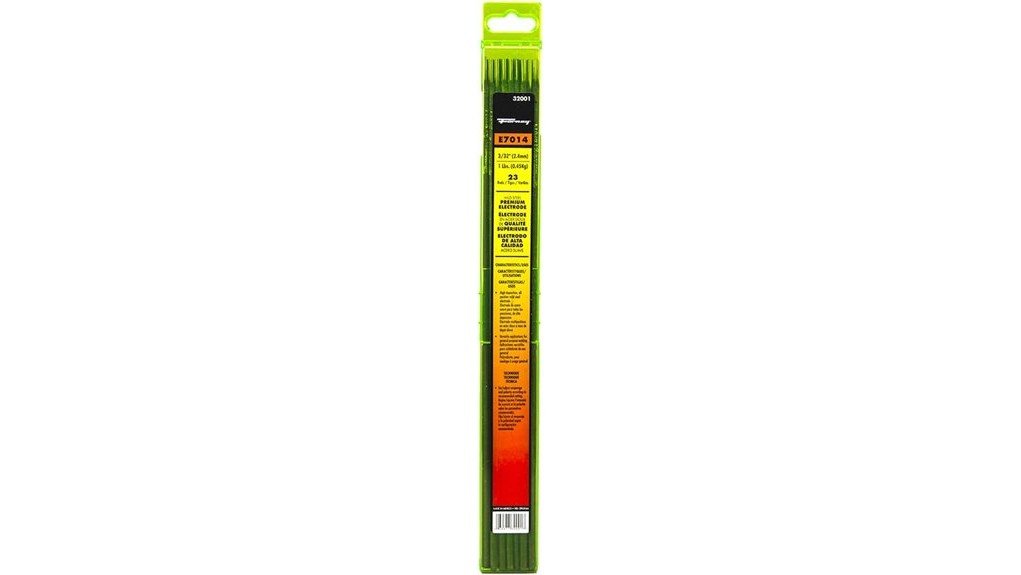
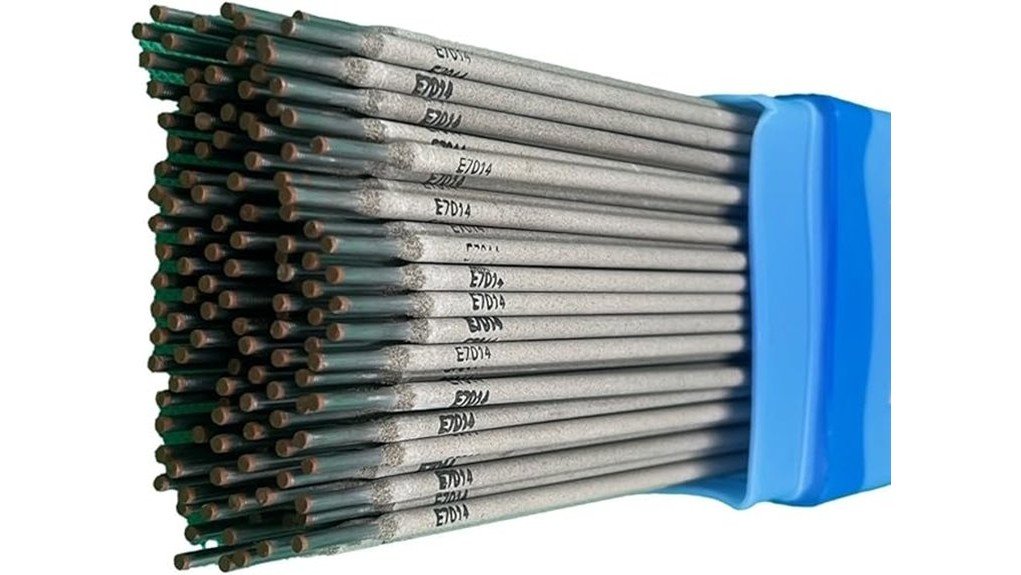
Choosing a stick electrode is not just about bead appearance. You need a rod that starts easily, runs smoothly on your machine, and matches the steel job in front of you. The STARTECHWELD/Victory Welding Alloys 7014 Welding Rod 3/32" is an E7014 SMAW electrode sold in a 5 lb box for general carbon and low alloy steel work. This review helps you decide whether it fits light fabrication, repairs, and shop projects, or whether a low-hydrogen rod like E7018 makes more sense.
Quick Verdict
Rating: 7.8/10, Recommended with caveats
Best For: Hobby welders, repair shops, farm maintenance, and mild steel fabrication where easy starts and smooth beads matter
Bottom Line: This E7014 rod offers a stable arc, low spatter, and clean bead appearance for everyday mild steel work. The tradeoff is that it should not replace a specified low-hydrogen electrode or approved welding procedure for critical structural, pressure, or code work.
| Specification | Detail |
|---|---|
| Product Name | STARTECHWELD/Victory Welding Alloys 7014 Welding Rod 3/32" |
| ASIN | B0CYPZQW23 |
| Product Type | SMAW stick welding electrode |
| AWS Classification | E7014 |
| Diameter | 3/32 inch |
| Package Size | 5 lb box |
| Flux Type | Iron powder, rutile-type coating |
| Current Compatibility | AC, DCEP, or DCEN for E7014 class electrodes |
| Typical 3/32" Amperage | Commonly around 70 to 90 amps. Follow the rod label and adjust for position and steel thickness. |
| Welding Positions | All positions for 3/32" rods, including flat, horizontal, vertical, and overhead |
| Best Use | Mild steel, carbon steel, low alloy steel, maintenance, frames, gates, brackets, and general repairs |
| Storage Note | Keep rods dry after opening and reseal the package when not in use. |
| Safety Note | Use proper PPE, ventilation, and the welding procedure required for your job. |
What Is the 7014 Welding Rod 3/32"?
The 7014 Welding Rod 3/32" is a stick welding electrode for carbon steel and low alloy steel. The E7014 classification uses an iron powder coating that helps increase deposition efficiency, improve arc stability, and produce smooth weld beads with fine ripples.
This 3/32" size works well on thinner mild steel, light fabrication parts, small brackets, repair work, and jobs where you want a clean bead without fighting the arc. The 5 lb box also makes sense if you weld often enough to need more than a small trial pack.
The main appeal is ease of use. You get good starts, good restrikes, and less cleanup than many rougher-running electrodes. You still need the right amperage, rod angle, joint prep, and safety setup to get reliable results.
Who Should Buy It?
Best For
- Beginners who want an easier rod for mild steel practice and shop repairs
- Farm, garage, and maintenance users working on gates, frames, brackets, and general steel parts
- Welders using AC or DC stick machines who want smooth starts and low spatter
Skip If
- Your project requires a certified welding procedure, pressure-rated weld, or specified low-hydrogen electrode
- You need deep penetration on heavy rust, painted steel, or poor surface prep
- You are welding stainless steel, cast iron, aluminum, or specialty alloys
Arc Starts, Restrikes, and Control
E7014 rods are known for easy starts and good restrike behavior. That helps when you are making short tack welds, stopping to reposition, or learning how to keep a steady travel speed.
The 3/32" diameter also gives you better control on lighter work than a larger 1/8" rod. It can be a good match for small repair welds where too much heat or too large a puddle would make the job harder.
Bead Appearance and Cleanup
The iron powder coating helps the rod run smoothly and lay a flatter, cleaner bead. When your amperage and travel speed are right, you can expect less spatter and a more consistent bead profile than you may get from rougher utility rods.
Slag removal is usually easier with E7014 than with some more demanding electrodes. That saves time on brackets, gates, frames, and visible repair work where grinding every weld would slow you down.
Deposition Speed and Travel
One reason welders choose E7014 is its higher deposition rate compared with lighter general-purpose rods such as E6013. You can put down filler metal efficiently, which helps on longer beads and repeat repair tasks.
That speed can also punish poor technique. Moving too slowly can leave an oversized bead, while running too cold can make the rod stick or leave a bead that sits on top of the joint. Test your settings on scrap before welding the final part.
Weld Positions and Machine Compatibility
The E7014 classification supports all-position welding in smaller diameters such as 3/32". You can use it for flat, horizontal, vertical, and overhead work when the machine settings and technique match the job.
It also works with common AC and DC stick welders. That flexibility helps if you use a small shop welder, an older transformer machine, or a portable repair setup. Always confirm the current range printed on the package before you start.
Penetration and Joint Fit
E7014 is not a deep-penetrating rod like E6011. It works best when you want light to moderate penetration, smooth wetting, and a clean bead on mild steel or low alloy steel.
That makes it useful for poor fit-up in some light fabrication work, but it does not remove the need for proper joint prep. Grind away heavy rust, paint, oil, and mill scale when the weld needs dependable strength.
Before You Buy: Do not choose this rod just because it is easy to run. For structural, pressure, trailer, lifting, or code-related work, use the electrode and welding procedure specified by the engineer, inspector, manufacturer, or job documentation.
How It Performs in Real Use
For Home and Shop Repairs
For brackets, mower decks, light frames, racks, and basic mild steel repairs, this rod gives you a stable arc without much fighting. It is forgiving enough for newer welders, but still useful for experienced users who want fast cleanup.
For Fabrication Projects
On gates, shelves, small frames, and fixture work, the rod produces a clean bead when the joint is fitted well. The smooth arc helps you keep a steady travel pace across longer welds.
For Outdoor or Less Clean Steel
The rod can handle lightly rusted or imperfect steel better than some delicate electrodes. Still, it should not be your first choice for heavy rust, paint, grease, or badly contaminated metal. Cleaning the joint first gives you a better weld and fewer defects.
For Vertical and Overhead Repairs
The 3/32" size can work in vertical and overhead positions, but puddle control matters. Use a controlled travel speed, keep the arc tight, and consider reducing amperage slightly for out-of-position welds.
Pro Tip: Start near the middle of the recommended amperage range, run a test bead on scrap, then adjust in small steps. If the rod sticks, increase amperage slightly. If the puddle sags or the bead looks too wide, lower amperage or increase travel speed.
Setup Tips for Better Results
Use clean, dry rods and set your machine before striking the arc. For 3/32" E7014, many welders start around 70 to 90 amps, then adjust for steel thickness, weld position, machine behavior, and the package instructions.
Keep a short arc length and use a slight drag angle on flat and horizontal welds. Avoid whipping the rod like you might with E6010 or E6011. E7014 usually performs better with a steady travel motion.
When welding vertical or overhead, reduce heat if the puddle becomes hard to hold. Make short practice beads first, especially if you are new to out-of-position stick welding.
Welding Safety and Storage Notes
Stick welding creates heat, sparks, UV exposure, fumes, and slag. Wear a properly rated welding helmet, gloves, flame-resistant clothing, and eye protection when chipping slag. Work with ventilation that matches the metal, coating, and welding environment.
Store the rods in a dry place after opening. Moisture can affect arc behavior and weld quality. If the rods become damp, follow the manufacturer’s storage or reconditioning instructions instead of guessing.
Do not weld containers, coated metals, galvanized parts, or unknown materials without the right safety steps. When a weld affects safety, load support, pressure, or public use, get qualified guidance before welding.
Pros and Cons
Pros
- Stable E7014 arc helps newer welders control the puddle
- Iron powder coating supports smooth beads and efficient deposition
- Low spatter can reduce grinding and cleanup time
- Works with common AC and DC stick welding machines
- 3/32" diameter fits lighter mild steel repairs and small fabrication jobs
Cons
- Not the right choice when a low-hydrogen electrode or approved WPS is required
- Does not dig through heavy rust or paint like a deep-penetrating E6011 rod
- Needs correct amperage and dry storage to avoid sticking, porosity, or poor bead quality
Is It Worth the Price?
The 7014 Welding Rod 3/32" sits in the practical value range for welders who need a general-purpose mild steel electrode. The 5 lb box makes sense if you regularly handle shop repairs, farm fixes, or fabrication projects and do not want to run out after a few practice sessions.
You get the most value if you care about stable arc behavior, easy starts, and clean bead appearance. It is less appealing if your main work involves heavy structural procedures, pressure pipe, deep penetration, or specialty metals.
For everyday carbon steel work, it is worth considering. For code-critical welds, the better value is the rod your procedure specifically requires.
How It Compares to Alternatives
Compared with E6013, E7014 usually offers higher deposition and a smoother, flatter bead. E6013 may still be useful for thin sheet and very light work, but E7014 feels more productive on general fabrication and repair jobs.
Compared with E7018, this rod is easier to start and restrike, but E7018 is the common choice when a low-hydrogen electrode is specified. Compared with E6011, E7014 gives a cleaner bead with less digging action, while E6011 is better for deeper penetration and rougher steel.
Frequently Asked Questions
What materials can I weld with 7014 rods?
E7014 rods are mainly used for carbon steel and low alloy steel. They are a good fit for mild steel repair and fabrication, but they are not meant for aluminum, stainless steel, cast iron, or unknown specialty metals.
What amperage should I use for 3/32" E7014?
A common starting range for 3/32" E7014 is about 70 to 90 amps. Your best setting depends on your machine, polarity, steel thickness, and weld position, so always check the rod package and run a test bead first.
Can I use this rod with AC and DC welders?
E7014 class electrodes can run on AC, DCEP, or DCEN. Check the product label and your welder manual before you start, especially if you are using a smaller machine with limited amperage output.
Is 7014 beginner-friendly?
Yes, it is beginner-friendly for many mild steel jobs because it starts easily, restrikes well, and produces a smooth bead. You still need proper safety gear, clean enough steel, and the right amperage to avoid sticking or weak welds.
Can I use 7014 rods for overhead welding?
Yes, 3/32" E7014 rods can be used for overhead welding. Keep the arc short, control heat carefully, and practice on scrap before welding a part where appearance or strength matters.
Can 7014 replace 7018?
Not when the job calls for E7018 or a low-hydrogen procedure. E7014 is easier to run for general repairs, but E7018 is often specified for structural work that requires low-hydrogen control.
Does it work on rusty or dirty steel?
It can handle lightly rusted or imperfect steel better than some smoother-running rods. For dependable welds, clean away heavy rust, paint, oil, and scale before welding.
How should I store the rods after opening?
Keep the rods dry and close the package tightly after use. If the rods are exposed to moisture, follow the manufacturer’s storage or reconditioning guidance before using them on important welds.
The Bottom Line
The 7014 Welding Rod 3/32" is a strong everyday choice for mild steel repair, shop fabrication, and maintenance work where you want easy starts, a stable arc, and smoother beads. Buy it if you need a practical E7014 rod for general carbon steel jobs.
Skip it for certified structural work, pressure welding, specialty metals, or jobs that require a specified low-hydrogen electrode. Its main strength is easy, clean usability, while its main limitation is that it cannot replace the procedure your project requires.