Grinding sparks can give you useful clues about a metal, but they are easy to misread. The most dependable clues are the spark stream’s length, density, branching, and burst pattern—not color alone. A spark test works best when you compare an unknown ferrous sample with a known sample under the same controlled conditions.
Quick Answer
Grinding sparks are glowing metal particles. Their length, color, density, and branching can help sort ferrous metals when an unknown sample is compared with a known grade under identical conditions. More carbon usually creates more branching bursts, but a spark test cannot confirm an exact alloy or steel grade.
Key Takeaways
- Low-carbon steel usually creates longer carrier lines with fewer branches than higher-carbon steel.
- High-carbon plain steel usually creates a denser, bushier stream with many fine bursts near the wheel.
- Chromium, nickel, tungsten, molybdenum, manganese, and other alloying elements can darken, shorten, suppress, or reshape the stream.
- Pure aluminum and copper often make little or no visible spark stream, but alloys and contamination can still spark.
- Use spark testing for preliminary sorting only. Confirm an exact grade with documentation or material-analysis equipment.
At a Glance
| Time Required | About 5–10 minutes for a controlled comparison |
| Difficulty | Moderate; accurate interpretation takes practice |
| Tools Needed | Guarded grinder, correct rated wheel, known reference sample, secure work support, dark noncombustible background, and required PPE |
| Cost | No added cost when suitable shop equipment and reference samples are already available |
Warning: Grinding can throw hot particles, break a wheel, ignite flammable material, and create hazardous dust. Do not spark-test near fuel, solvents, combustible dust, pressurized or sealed containers, unknown coatings, or an explosive atmosphere. Use the installed guard, a correctly rated wheel, ventilation, and the PPE required by the grinder manufacturer and your workplace.
How Grinding Sparks Form
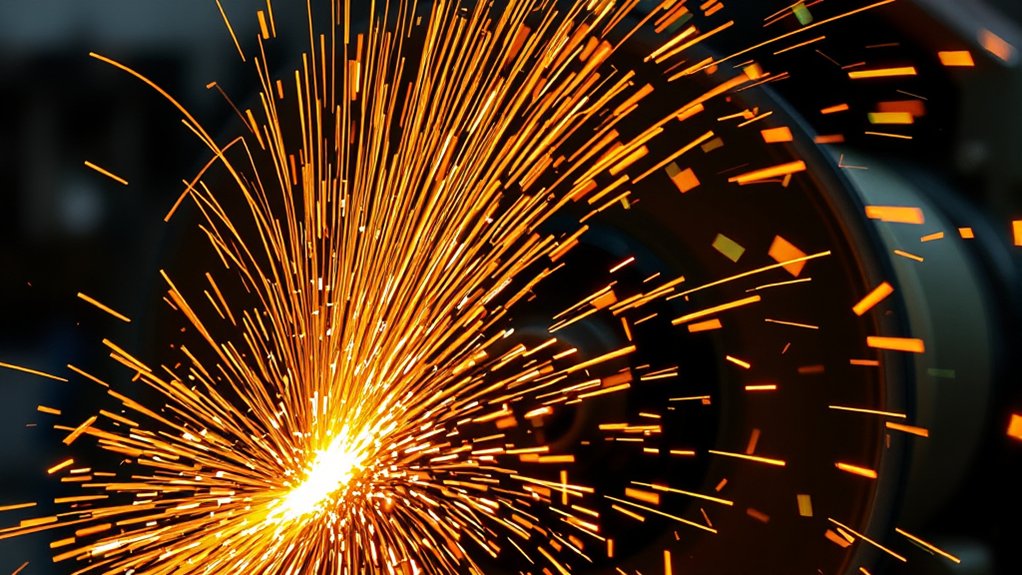
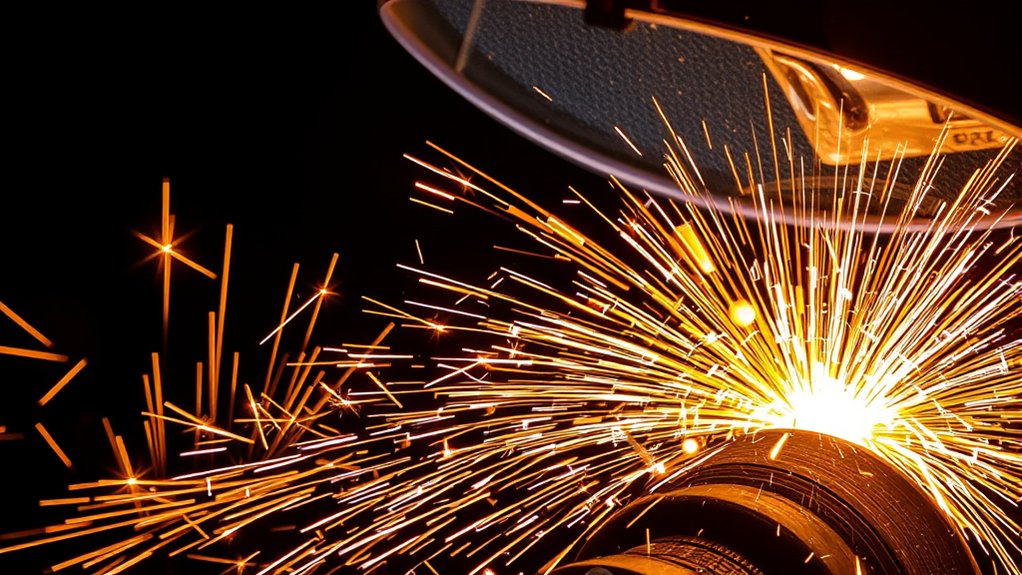
A grinding wheel tears tiny particles from the metal surface. Those particles are heated by the abrasive contact and then react rapidly with oxygen in the air. The oxidation adds heat, causing the particles to glow as they move away from the wheel.
In carbon steel, reactions within a hot particle can form carbon dioxide and possibly carbon monoxide. Pressure inside the oxidizing particle can break its oxide skin and create the small branches, stars, or bursts seen in the spark stream. The Bureau of Standards spark-testing study found that the number and intensity of these carbon bursts generally increased with carbon content.
This does not mean every fork represents a precise carbon percentage. Oxide behavior, alloying elements, particle size, wheel speed, pressure, and lighting all change what you see.
Use a spark test to compare and sort metals—not to certify an exact steel grade.
What Grinding Spark Colors and Patterns Can Reveal
Carbon content has a strong effect on plain carbon steel. Low-carbon steel usually produces long carrier lines with relatively few branches. As carbon increases, the stream generally develops more branches, stars, and compact bursts. High-carbon plain steel often looks bushy near the wheel and has finer, shorter carrier features.
Color can help, but it is not dependable by itself. A plain high-carbon steel should not automatically be labeled by a dull-red stream. Chromium, nickel, tungsten, silicon, and other alloying elements may darken or suppress sparks even when the steel contains substantial carbon.
| Metal Group | Typical Spark Clues | Important Limitation |
|---|---|---|
| Very-low-carbon iron or wrought iron | Long, fairly straight carrier lines with few bursts; tails may widen near their ends | Surface scale and modern low-carbon alloys can produce similar streams |
| Mild or low-carbon steel | Long stream with a limited number of small forks, sprigs, or terminal bursts | Brightness changes with pressure, wheel condition, and ambient light |
| Medium-carbon steel | More numerous branches, stars, and series bursts than low-carbon steel | Alloying elements can mask the expected carbon pattern |
| High-carbon plain steel | Dense, bushy stream with many fine carbon bursts, shorter tongues, and branching close to the wheel | Do not assume that every high-carbon sample must produce dull-red sparks |
| Cast iron | Often has dark carrier lines with lighter bursts and a relatively short stream | Different cast irons may be difficult to separate visually |
| Stainless and high-alloy steel | Often shorter, thinner, less dense, and more orange or red than plain carbon-steel streams | Stainless families and grades overlap; color alone cannot identify them |
| Tungsten or high-speed tool steel | Shorter, darker red carriers with suppressed bursts; some grades have curved or heavy tips | Tool-steel compositions vary widely and require a known comparison sample |
| Pure aluminum or copper | Usually little or no visible spark stream under ordinary conditions | Alloys, embedded steel, rust, and wheel contamination can create sparks; absence of sparks is not proof of identity |
How Alloying Elements Change the Spark Stream
Molybdenum may create small, detached spearpoint-like flares at the ends of some carrier lines. This can be a useful clue, but high carbon, chromium, or nickel may hide the feature.
Vanadium may also contribute terminal spearpoints in some steels. However, the Bureau of Standards found that this effect was not reliable enough to identify vanadium by itself. An inverted-umbrella shape should not be treated as a dependable vanadium signature.
Manganese can create bright, compact bursts with a visible jacket or halo. There is no universal rule that manganese steel must fork exactly twice.
Chromium, nickel, silicon, and tungsten can darken carrier lines, shorten the stream, or suppress ordinary carbon bursts. High tungsten content is especially associated with dark-red, reduced spark streams. These overlapping effects are why an exact alloy cannot be identified from one visual feature.
Note: Hardness and carbon content are not interchangeable. Heat treatment can make two pieces with similar chemistry feel very different while their spark patterns remain broadly similar. Case hardening, nitriding, coatings, and surface contamination can also make the surface spark differently from the metal beneath it.
Factors That Can Change a Spark Test
A useful comparison requires consistent test conditions. These factors can make the same metal appear different:
- Wheel speed and type: Different abrasives, grit sizes, wheel diameters, and RPMs remove different particle sizes.
- Applied pressure: Harder pressure usually creates more particles and a brighter stream, but it also adds heat and increases wheel-breakage and kickback risk.
- Contact angle: Changing the angle can change the direction, density, and apparent length of the stream.
- Surface condition: Rust, plating, paint, scale, weld metal, and hardened surface layers may hide the base-metal response.
- Lighting and background: A dark, noncombustible background makes fine branches easier to see. Never dim a work area so much that the grinder cannot be operated safely.
- Wheel contamination: A wheel used on both ferrous and aluminum materials can carry contamination and create a severe thermic-reaction hazard.
- Sample temperature: A hot sample or repeated grinding in one place can change brightness and increase the fire risk.
Grinding-Spark Safety Checklist
Grinding sparks are hot enough to ignite nearby combustibles. The wheel itself can also crack or shatter at high speed. Follow the grinder manufacturer’s instructions and applicable workplace rules before conducting a spark test.
- Use the correct wheel for the grinder and the material. The wheel’s rated speed must meet or exceed the grinder’s maximum RPM.
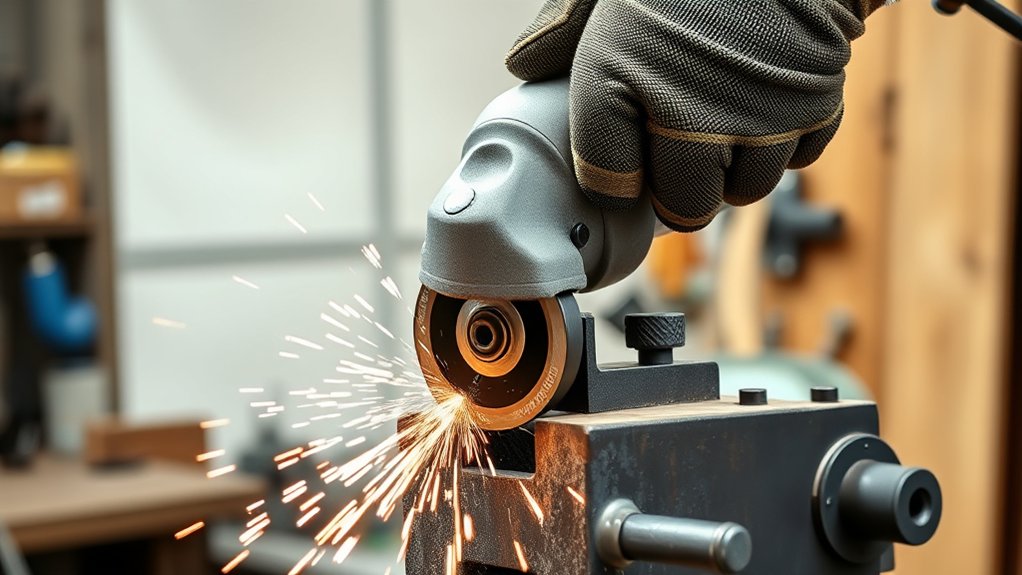
- Keep the supplied guard installed and adjusted to direct sparks and fragments away from the operator.
- Inspect the grinder, wheel, flange, handle, switch, cord, and battery before use. Do not use a damaged or vibrating wheel.
- Secure the workpiece. Never hold a small sample loosely in one hand while grinding it with the other.
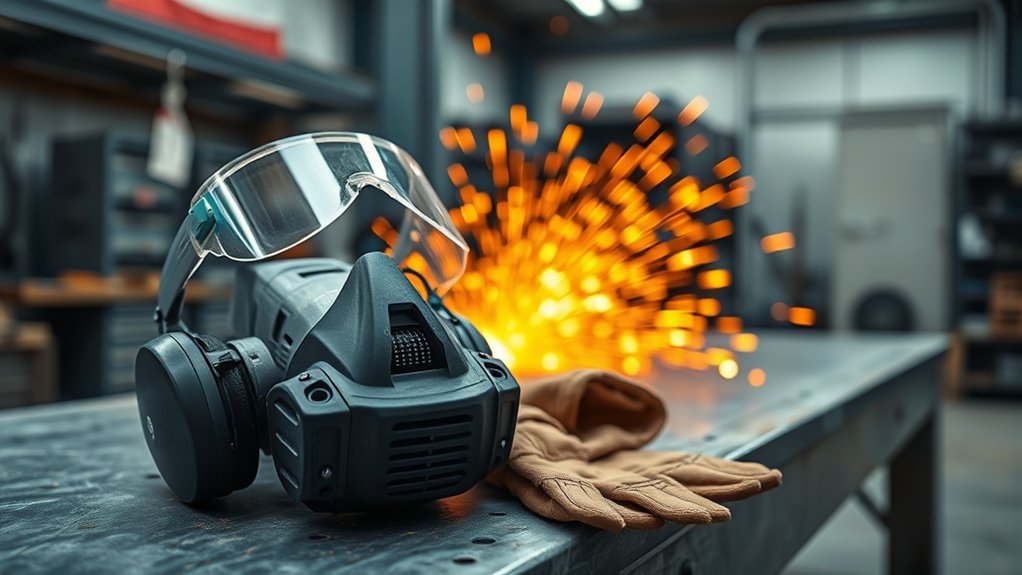
- Wear suitable eye protection and any additional face, hearing, hand, clothing, and respiratory protection required by the tool instructions and hazard assessment.
- Keep loose clothing, jewelry, hair, and cords away from rotating parts.
- Direct sparks away from yourself, other people, windows, hoses, vehicles, stored materials, and hidden wall or floor cavities.
- Remove flammable liquids, paper, sawdust, oily rags, fuel, gas cylinders, and other combustibles from the spark path.
- Do not grind where combustible dust has accumulated. Metal, wood, grain, plastic, and other fine dusts can ignite or explode.
- Use suitable local exhaust ventilation when grinding produces hazardous dust or fumes.
- Follow hot-work permit and fire-watch requirements when they apply.
- Allow the grinder to stop fully before placing it on a bench or floor.
OSHA’s angle-grinder guidance emphasizes guards, correct wheel speed, inspection, two-handed control, PPE, and removal of flammables. The Canadian Centre for Occupational Health and Safety also advises directing sparks away from people, preventing combustible-dust accumulation, and using appropriate ventilation.
Warning: Aluminum grinding needs special controls. Aluminum dust can burn or explode, and aluminum mixed with rust or ferrous grinding residue can produce a powerful aluminothermic reaction. Use material-specific equipment and dust-control systems designed for the metal being processed. Do not connect combustible aluminum dust to an ordinary dry collector that also receives steel sparks.
Products Worth Considering

HIGH IMPACT FACE SHIELD - Sellstrom's Advantage Face Shield is ideal for various types of machinery, welding, cutting, grinding, woodworking, and other types of work that present potential hazards to the face

SUPERIOR PROTECTION — Experience all-around face protection thanks to the curved design of this faceshield. The visor of this face guard is ANSI Z87+ certified, and up to 2x thicker for increased durability. Plus, you can comfortably wear your grinding face shield over prescription glasses.

INTERNATIONAL STANDARDS — Meets ANSI Z87.1 (US), CE EN166 (Europe), CSA Z94.3 (Canada), UKCA (United Kindom)
How to Perform a Grinding Spark Test
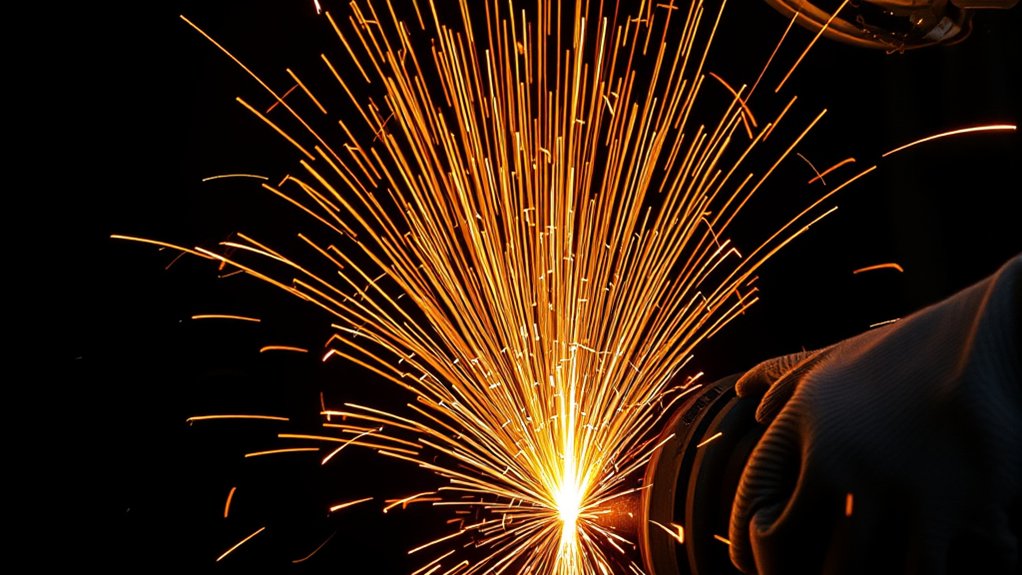
Spark testing is most useful for sorting ferrous metals when you already have a known reference sample. Do not use it as the only basis for selecting material for a structural weld, pressure system, lifting device, vehicle component, heat-treatment specification, or code-regulated repair.
- Confirm that the sample is safe to grind. Do not grind sealed, pressurized, fuel-contaminated, plated, painted, or chemically treated material until its hazards are known.
- Prepare the grinder and work area. Install the correct guarded wheel, confirm its RPM rating, inspect it, secure the sample, remove combustibles, and arrange suitable ventilation.
- Choose a known reference. Select a documented steel that is close to the suspected material. A reference sample is more useful than relying on a printed color chart alone.
- Use the same test conditions. Test the known and unknown samples on the same wheel, at the same contact point and angle, with light and steady pressure.
- Observe the whole stream. Look at its length, color, density, carrier lines, location of the first bursts, number of branches, terminal shapes, and whether the stream is continuous or broken.
- Repeat the comparison. Make several brief passes and avoid overheating one spot. If the pattern changes as the surface layer is removed, the sample may be coated, case-hardened, nitrided, or contaminated.
- Record a preliminary classification. Classify the sample only as a likely group, such as low-carbon steel, higher-carbon steel, cast iron, stainless/high-alloy steel, or a low-sparking nonferrous metal.
- Confirm the grade when it matters. Check the mill certificate, part specification, or material marking. Use optical emission spectroscopy or laboratory chemical analysis when carbon content or an exact grade must be verified.
Pro Tip: Photograph the known and unknown streams from the same fixed position using the same exposure. Comparing two images side by side makes differences in stream length, branch density, and burst location easier to see than relying on memory.
Products Worth Considering
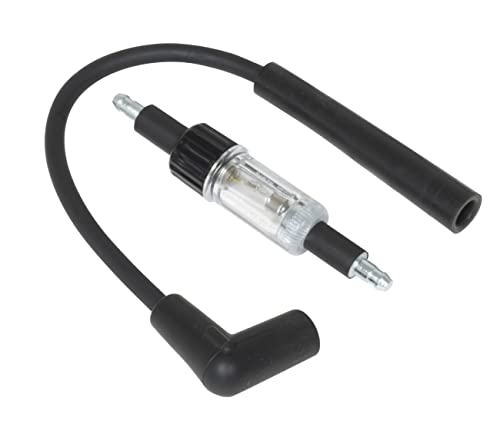
Gives a Visual Check of the Ignition System.

package height : 11.988 cm
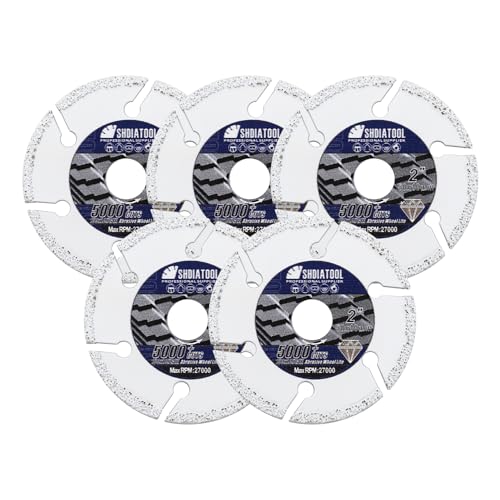
【5000+ Cuts Tested】Built for long-lasting performance, this 2-inch metal cutting disc delivered 5000+ cuts in testing, helping reduce frequent blade replacement compared with standard abrasive discs.
What a Spark Test Cannot Tell You
A spark test cannot reliably provide an exact carbon percentage or distinguish every steel grade. Different compositions can produce overlapping patterns, while surface treatment and test conditions can make identical materials look different.
The original Bureau of Standards research concluded that spark testing was suitable for inspection and sorting steels from groups of known composition, but it could not be depended upon to identify a completely unknown steel. Chemical analysis was required for that purpose.
Instrumental positive material identification is more suitable when a mistake could affect weldability, heat treatment, strength, corrosion resistance, or regulatory compliance. Handheld X-ray fluorescence can identify many alloying elements, but ordinary XRF does not directly measure carbon well. Optical emission spectroscopy or suitable laboratory testing is the better choice when carbon grade matters.
Common Myths About Grinding Sparks
- Myth: Every high-carbon steel has dull-red sparks.
Plain high-carbon steel is better recognized by dense branching and full carbon bursts. Dark-red, suppressed streams often point to alloy effects. - Myth: Spark length directly measures hardness.
Composition, wheel conditions, pressure, and surface treatment all affect spark length. Hardness alone does not control the stream. - Myth: Every fork corresponds to a precise carbon percentage.
Branching generally increases with carbon in plain steels, but a visual stream cannot provide a dependable laboratory carbon value. - Myth: Aluminum and copper can never spark.
Pure material often produces little or no visible stream, but alloys, embedded ferrous particles, rust, contaminated wheels, and thermic reactions can create sparks. - Myth: One unusual terminal shape proves which alloy is present.
Spearpoints, flower bursts, jackets, and dark carriers are clues. Other elements may hide or imitate them. - Myth: An experienced operator can certify an exact grade by eye.
Experience improves sorting, but exact grade verification still requires documentation or analytical testing.
Frequently Asked Questions
What Are the Sparks From Grinding Metal?
Grinding sparks are small metal particles removed by the abrasive wheel. The particles heat up and oxidize rapidly in the air, which makes them glow. Their paths, branches, and bursts depend on the metal’s composition and the grinding conditions.
What Are the White Sparks When Grinding?
A bright yellow-white stream often comes from plain carbon steel, but it does not automatically prove that the sample is mild steel. Wheel speed, applied pressure, surrounding light, surface condition, and alloying elements can all change the apparent color and brightness.
What Causes Sparks When Cutting Metal?
An abrasive cutting or grinding wheel removes small particles and heats them. Many ferrous particles then oxidize rapidly in the air and glow. Cutting speed, wheel type, contact pressure, particle size, and metal composition affect the number and brightness of the sparks.
What Is the Spark Test for Metal Identification?
The spark test is a preliminary method for comparing and sorting ferrous metals. An operator grinds a known reference and an unknown sample under the same conditions, then compares stream length, branching, bursts, color, and density. The result suggests a material group but does not certify an exact grade.
Can Spark Testing Identify an Exact Steel Grade?
No. It can help sort known groups and distinguish broad differences, but several grades can produce similar patterns. Use mill documentation, optical emission spectroscopy, or laboratory chemical analysis when the exact composition affects safety, welding, heat treatment, or code compliance.
Can Aluminum Produce Sparks When Grinding?
Pure nonferrous aluminum is normally non-sparking, but commercial alloys, embedded steel, rust, or a contaminated wheel can produce sparks. Aluminum grinding dust is also combustible. OSHA recommends controlling cross-contamination and recognizing grinding as hot work whenever the operation produces sparks or fire.
Conclusion
Grinding spark colors and patterns can help you sort ferrous metals, but the shape of the stream matters more than one color rule. Low-carbon steel generally has longer, simpler carriers, while higher-carbon plain steel develops denser branching and fuller bursts. Alloying elements can shorten, darken, or suppress those features.
Keep the test controlled, compare the unknown piece with a documented reference, and treat the result as a preliminary classification. When the exact grade affects welding, heat treatment, structural strength, pressure containment, corrosion resistance, or safety, confirm the material through records or analytical testing.
Sources
- National Bureau of Standards — The Utility of the Spark Test as Applied to Commercial Steels — spark-stream formation, carbon bursts, alloy characteristics, test setup, and limitations.
- Proceedings of the Royal Society A — Of Fiery Sparks and Glittering Spots — modern research on oxidation and particle formation during abrasion.
- OSHA — Angle Grinder Safety — guards, correct wheel speed, PPE, inspection, combustible dust, and fire controls.
- Canadian Centre for Occupational Health and Safety — Use of Portable Grinders — grinder inspection, spark direction, ventilation, wheel ratings, and work-area safety.
- OSHA — Hazards Associated With Aluminum Grinding — aluminum-alloy sparks, aluminothermic reactions, cross-contamination, and combustible aluminum dust.