Welding a coolant pipe on an automotive engine can work, but only when the pipe is metal, structurally sound, clean enough to repair, and safe to remove or isolate from the vehicle. In many cases, brazing or replacing the pipe is safer than trying to weld thin, corroded tubing. Before you strike an arc or light a torch, identify the pipe material, inspect the damage, drain the coolant, protect nearby parts, and plan how you will pressure-test the repair before driving.
Quick Answer
You can weld a metal coolant pipe if it is not badly rusted, oil-soaked, cracked through a seam, or too thin to hold heat. TIG welding is usually the cleanest choice for thin steel, stainless, or aluminum tubing, while brazing may be better for some copper, brass, or steel repairs. Always pressure-test the repair cold before driving.
Key Takeaways
- Replace the pipe instead of welding it if the metal is deeply corroded, paper-thin, plastic, composite, or cracked near a molded fitting.
- TIG welding gives the best heat control on many thin metal coolant pipes, but the filler rod must match the pipe material.
- Brazing can make a strong leak repair on some clean, close-fitting metal joints because the filler flows into the joint without melting the base metal.
- JB Weld or similar epoxy should be treated as a temporary or non-structural repair unless the product instructions and service conditions clearly fit the job.
- A finished repair must be cooled, cleaned, pressure-tested to the vehicle’s cap or service-manual rating, and checked again after a heat cycle.
At a Glance
| Time Required | 1 to 3 hours for removal, prep, repair, cooling, and pressure testing; longer if the pipe is hard to access |
| Difficulty | Intermediate to advanced; thin tubing and engine-bay access make this harder than a flat bench weld |
| Tools Needed | TIG welder or brazing torch, matching filler, grinder or abrasive pad, degreaser, clamps, coolant drain pan, PPE, fire extinguisher, and cooling-system pressure tester |
| Cost | Usually $20 to $150 in consumables and coolant if you already own the tools; replacement pipes may cost more but can be safer and faster |
Warning: Do not weld, braze, grind, or pressure-test a hot cooling system. Let the engine cool fully, relieve pressure safely, drain coolant into a suitable container, keep combustibles away, and use eye, hand, skin, and respiratory protection. OSHA’s welding, cutting, and brazing requirements call for fire prevention, eye protection, protective clothing, and ventilation controls during hot work.
Can You Weld a Coolant Pipe on an Engine?
You can weld a coolant pipe only if the pipe is made from a weldable metal and the damaged area still has enough sound material to support a repair. Many engine coolant pipes are steel, stainless steel, aluminum, copper, or brass, but some modern pipes and housings are plastic or composite. Plastic and composite coolant parts should be replaced, not welded.
A small crack, pinhole, or rubbed-through spot on clean metal may be repairable. A pipe with flaking rust, deep pitting, swollen metal, crushed bends, or multiple leaks is a poor candidate. If the pipe fails from corrosion in one spot, another weak spot may open after the repair.
When the pipe is removable, take it off the engine and repair it on the bench. You will get better access, better cleaning, and less risk to wiring, hoses, sensors, belts, paint, and fuel lines. If the pipe cannot be removed, shield everything nearby and place the welding ground as close to the repair area as practical to reduce the chance of current traveling through sensitive components.
When to Weld, Braze, Seal, or Replace the Pipe
The right repair depends on the pipe material, wall thickness, location, and how much pressure and heat the part sees in service.
- Weld it when the pipe is steel, stainless, or aluminum, the metal is clean and thick enough, and you can match the filler rod to the material.
- Braze it when the joint is clean, close-fitting, and made from a material that accepts the brazing filler. Brazing is often useful on copper, brass, and some steel repairs because it joins with filler metal below the melting point of the base metal. TWI explains that brazing uses molten filler metal that flows into the joint and depends on material compatibility and joint gap.
- Use epoxy only as a temporary or low-risk repair when the pipe is clean, dry, and not structurally failing. J-B Weld states that its original two-part epoxy sets in 4 to 6 hours and cures in 15 to 24 hours, but cure time alone does not make it the best fix for a pressurized coolant pipe.
- Use a hose splice only when appropriate for a straight metal section with enough bead or clamp area. Do not use a hose splice against exhaust heat, sharp edges, moving belts, or a location where the hose can kink.
- Replace it when the pipe is badly corroded, cracked at a bracket, crushed, inaccessible, plastic, or part of a critical assembly where failure could overheat the engine quickly.
Note: If you are repairing a customer vehicle, a race vehicle, or a vehicle that will travel far from help, replacement is often the better repair. A coolant pipe leak can overheat an engine before you have time to react.
Products Worth Considering
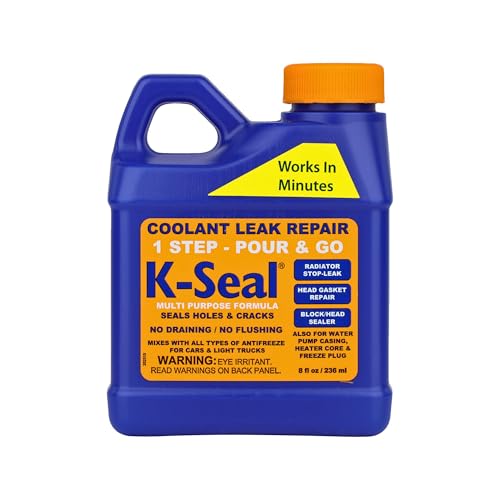
FIX IT FAST: Our multi-purpose solution works in minutes to quickly seal leaks in the radiator, head gasket, freeze plugs, block, heater matrix & water pump. Fixes most leaks in water-cooled engines

This radiator 1-1/4" hose barb coupler can be used for connect with two same 1-1/4" inside diameter hose

Fit: Designed for 3/4" inner diameter hoses, ideal for coolant, heater, or water line connections.
Addressing Common Issues in Welding Coolant Pipes
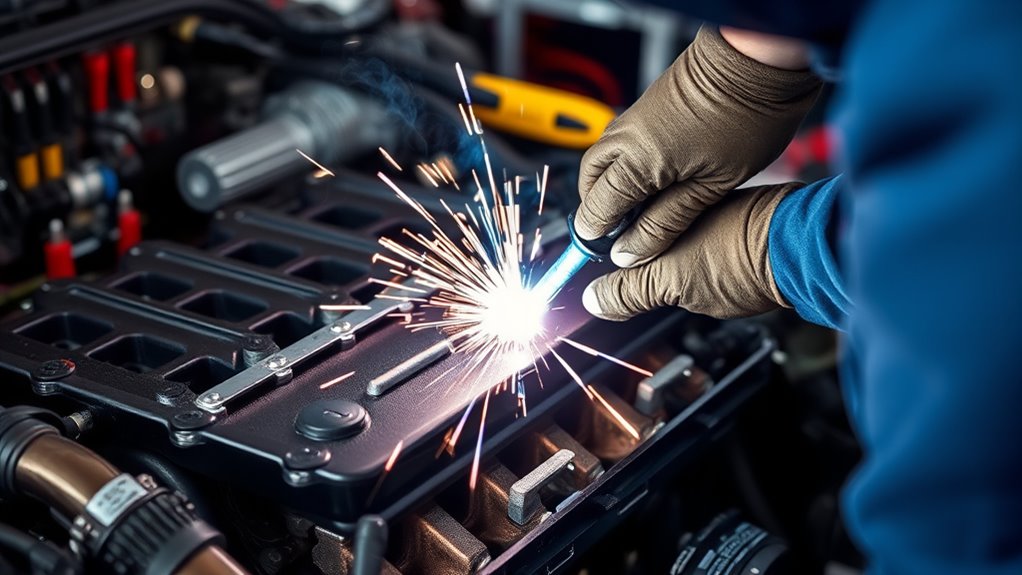
When you tackle the welding of coolant pipes, the most common problems are thin metal, hidden corrosion, contamination, poor fit-up, and heat damage to nearby engine parts.
Thin coolant pipes need careful heat control. Too much amperage, slow travel, or a wide gap can blow a hole through the tube. Too little heat can leave a cold, weak bead that looks sealed until pressure and heat expose the leak. TIG welding is often the best welding process for thin metal coolant tubes because you can control the puddle and filler rod separately.
MIG welding can work on some thicker steel pipes, but it is less forgiving on small, thin, curved coolant tubes. Flux-core welding is usually not the best choice for this repair because it adds slag cleanup, more spatter, and more heat than you want around a sealed cooling-system part.
A coolant pipe repair is only as good as the metal around it. If corrosion, oil, coolant residue, or old coating remains in the joint, even a clean-looking bead can seep after the engine reaches operating temperature.
Corrosion is another major factor. Rust and pitting reduce wall thickness, and coolant residue can contaminate the weld or braze. Clean both the outside and inside of the pipe near the repair area whenever possible. If you see black sludge, white crust, green residue, deep pits, or soft metal, stop and consider replacement.
Slip joints and sleeve repairs can help because they add overlap and extra thickness. A short sleeve over a straight section spreads load over a larger area and gives you more material to weld or braze. The sleeve must fit closely, and both pieces must be clean enough for the filler to bond.
Preparing the Pipe for Welding
Good prep does more for a coolant pipe repair than extra weld metal. Start with a cool engine. Remove the radiator cap only after pressure is gone, drain enough coolant to get below the damaged area, and catch coolant in a drain pan. Keep coolant away from pets and dispose of used coolant according to local rules.
- Disconnect or protect nearby parts. Move wiring, hoses, plastic covers, sensors, insulation, and fuel-related parts away from heat. Shield anything that cannot be moved.
- Remove the pipe if possible. Bench repair gives you cleaner prep, better visibility, and a lower fire risk.
- Clean the outside. Use degreaser, a stainless brush for stainless or aluminum, and abrasive pads or a small grinder to remove paint, rust, powder coating, oil, and coolant residue.
- Clean the inside near the repair. Coolant scale, oil, and corrosion inside the tube can boil out into the puddle and cause porosity.
- Inspect the damage. Look for cracks that continue under brackets, bends, weld seams, or clamps. Chase a crack to its end before deciding where to repair.
- Fit the joint tightly. Square cuts, close gaps, and stable clamping reduce burn-through and leaks.
- Choose the process and filler. Match filler to the pipe material. Do not guess between aluminum, stainless, mild steel, copper, and brass.
Pro Tip: Mark the leak before you clean the pipe. Once the surface is shiny, a pinhole or hairline crack can be hard to find unless you center-punch, scribe, or paint-mark the exact spot first.
Choosing the Right Materials and Tools for the Job
Choosing the right materials and tools is vital for a successful coolant pipe repair. The goal is not just to close the visible hole. The repair must survive coolant, vibration, heat cycles, engine movement, and system pressure.
Products Worth Considering
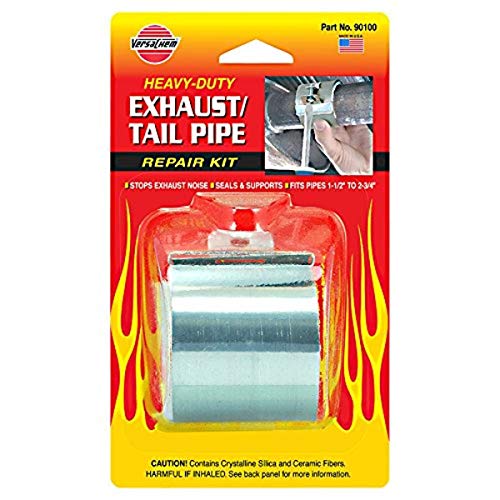
All-steel clamp with a high temperature gasket
Universal fit for a wide range of applications

Effortless Hose Removal: This professional hose clamp kit lets you release fuel, water, transmission, and coolant lines with a simple squeeze. The included hose remover pliers handle diameters from 4mm to 14mm, making it easy to detach hoses from tanks, pumps, and radiators
Selecting Suitable Materials
Before welding or brazing, identify the pipe material. A magnet, color, weight, spark test, service manual, or replacement-part listing can help, but do not rely on appearance alone.
- Mild steel: Often weldable with TIG or MIG if the wall is thick enough. Remove rust and coating completely before repair.
- Stainless steel: Use stainless-compatible filler. Keep heat controlled to avoid distortion and corrosion-prone overheated areas.
- Aluminum: Requires aluminum-compatible prep, filler, shielding gas, and AC TIG equipment. Remove oxide and contamination thoroughly.
- Copper or brass: Often better suited to brazing or silver brazing than fusion welding, depending on the joint and part design.
- Plastic or composite: Replace the part. Do not try to weld it with metal-welding equipment.
Make sure any sleeve, patch, or replacement section is compatible with the original pipe and coolant. Mixing dissimilar metals can increase corrosion risk in a wet, hot cooling system.
Essential Welding Tools
The exact tool list depends on whether you weld, braze, or replace the pipe, but a complete setup usually includes:
- TIG welder with proper tungsten, shielding gas, and matching filler rod for steel, stainless, or aluminum repairs
- Brazing torch, brazing rod, and compatible flux for suitable copper, brass, or steel joints
- Angle grinder, rotary tool, file, or abrasive pad for cleaning and beveling
- Dedicated stainless brush for stainless or aluminum to avoid cross-contamination
- Clamps, V-blocks, or a fixture to hold the pipe steady
- Coolant drain pan, fresh coolant, and hose clamps or seals needed for reassembly
- Cooling-system pressure tester for leak checks before road use
Safety Equipment Considerations
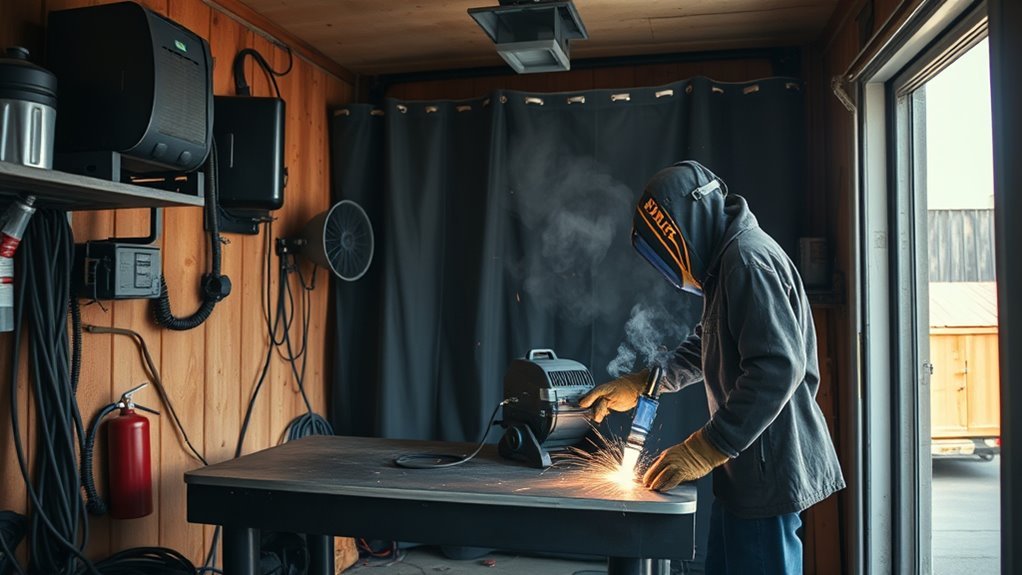
Use the same safety discipline you would use for any hot work, with extra care because engine bays contain plastic, rubber, wiring, insulation, fuel vapor risk, and coolant residue. Wear welding gloves, long sleeves, eye protection, and a welding helmet or brazing goggles with the correct shade. Keep a suitable fire extinguisher nearby.
Ventilation matters. NIOSH notes that welding fumes contain metals and that exposure can vary based on the base metal, wire, rod, flux, and work conditions. Confined spaces can increase fume exposure, so use local exhaust, outdoor airflow, or appropriate respiratory protection when needed. Review NIOSH’s welding fume guidance before welding in a tight or poorly ventilated area.
Best Practices for Welding and Soldering Techniques
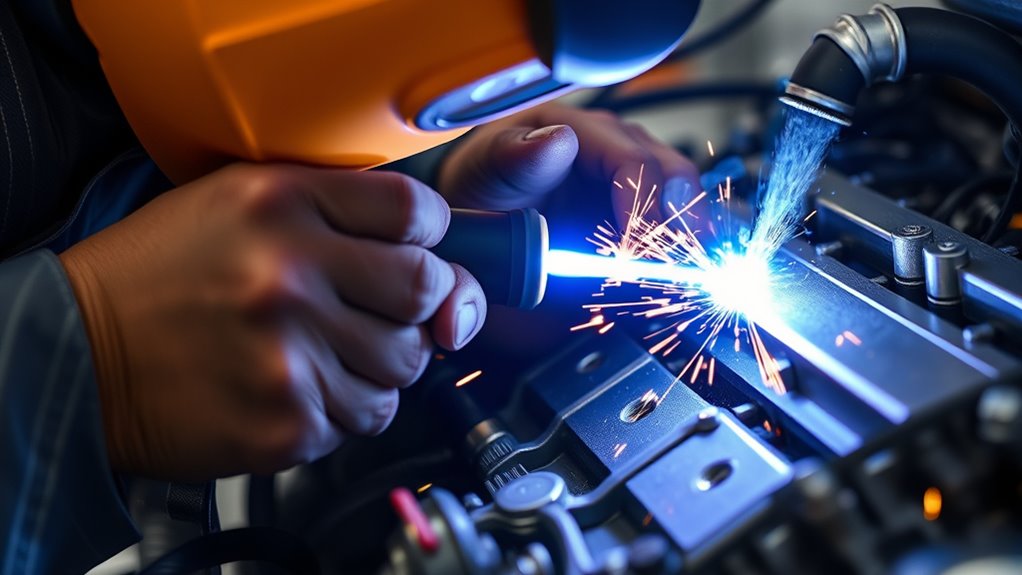
The best repair method depends on the metal, thickness, and access. Do not choose a process just because it is available. Choose the process that gives you a clean joint with the least heat damage.
TIG Welding a Coolant Pipe
TIG welding is usually the most controlled welding method for thin steel, stainless, and aluminum coolant pipes. Use low amperage, tight arc length, clean filler, and short weld sections. Tack the part in several spots before running a bead so the pipe does not pull out of alignment.
For a small pinhole, you may be able to fuse or add a tiny amount of filler. For a crack, stop-drill the end only if the pipe wall and location allow it, then weld the full crack after cleaning. For a rubbed-through area, a sleeve or patch is usually better than trying to pile filler into thin metal.
Brazing or Silver Brazing a Coolant Pipe
Brazing can be a strong option when the joint is clean and close-fitting. Unlike welding, brazing does not melt the base metal. The filler metal melts and flows into the joint. This can reduce distortion on thin tubing, but it still requires heat, clean metal, correct flux, and compatible filler.
Many people say “silver solder” when they mean silver brazing. The difference matters because soft solder, silver solder, and brazing fillers work at different temperatures and strengths. For a pressurized engine-coolant part, use a filler that is rated for the metal, temperature, and service conditions.
MIG and Flux-Core Limitations
MIG welding is not automatically wrong, but it is not the safest default for thin coolant pipes. It can add heat quickly, and it is easy to burn through a curved tube or leave a small leak at the edge of the bead. Flux-core welding is even less ideal for this repair because slag and spatter make leak-prone pinholes harder to catch.
If you only have MIG or flux-core equipment, replacement or professional repair may be the better choice.
What to Watch Out For When Welding
When welding, you need to consider material compatibility, heat control, contamination, and pressure testing. A coolant pipe may look simple, but it sees constant heat cycles, vibration, and coolant chemistry.
Material Compatibility Issues
Material mismatch can create weak joints or future corrosion. Do not weld stainless with random mild-steel filler, aluminum with steel filler, or copper/brass with a filler that is not designed for the joint. Also avoid trapping dissimilar metal scraps against the pipe where coolant or road spray can create corrosion.
- Inspect for rust, pitting, and soft spots before deciding to repair.
- Confirm the engine model and pipe design before ordering or fabricating a replacement section.
- Use a sleeve only when it fits closely and leaves room for clamps, brackets, and nearby hoses.
- Remove coatings from the repair zone, but restore corrosion protection after the repair cools and passes testing.
- Keep filler, brush, and grinding tools clean so you do not contaminate stainless or aluminum.
Heat Control Techniques
Proper heat control is vital for successful welding of coolant pipes. Excess heat can blow through the wall, distort the pipe, damage nearby parts, or create a brittle-looking, overheated repair zone.
| Technique | Why It Helps |
|---|---|
| Short tacks before the final bead | Keeps the pipe aligned and limits distortion |
| Low amperage and fast travel | Reduces burn-through on thin tubing |
| Tight joint fit-up | Needs less filler and less heat to seal |
| Heat sinks or wet rags away from the weld zone | Protects nearby hoses, paint, and brackets without contaminating the weld |
| Cooling between passes | Prevents the repair area from overheating and warping |
Do not chase a leak by piling bead on top of bead. If a pinhole opens during welding, stop, let the pipe cool, grind or file the bad area clean, and repair the defect properly. More heat on contaminated metal usually makes the problem worse.
Step-by-Step Coolant Pipe Repair Workflow
- Let the engine cool completely. Never open a hot pressurized cooling system.
- Drain coolant below the repair area. Catch the coolant safely and keep it away from children and pets.
- Remove the pipe if possible. If you cannot remove it, shield the engine bay carefully.
- Clean the damaged area to bright metal. Remove paint, rust, oil, coolant crust, coating, and loose metal.
- Inspect the pipe wall. If the wall is too thin, replace the pipe instead of repairing it.
- Fit the repair. Align cracks, fit a sleeve, or prepare the joint with minimal gaps.
- Tack and check alignment. Make sure the pipe still clears brackets, belts, pulleys, and hoses.
- Weld or braze with controlled heat. Use the correct filler and avoid overheating the joint.
- Let it cool naturally. Do not shock-cool the repair unless the procedure for that material specifically allows it.
- Clean and inspect the repair. Look for pinholes, undercut, missed edges, cracks, and flux residue.
- Reinstall with fresh seals if needed. Old O-rings, gaskets, or clamps can cause leaks that look like a failed weld.
- Pressure-test cold. Test to the cap or service-manual rating, not beyond it.
- Refill and bleed the system. Follow the vehicle’s bleed procedure so trapped air does not cause overheating.
How to Test Your Coolant Pipe Repair
Testing is not optional. A perfect-looking bead can still leak when the system is hot and under pressure.
- Start cold. Install the pipe, connect hoses, and make sure the system is cool and not pressurized.
- Use a cooling-system pressure tester. Pump only to the radiator cap rating or the service-manual test pressure.
- Watch the gauge. A falling pressure reading means the system is leaking somewhere, even if the repair looks dry.
- Inspect the repair with a light. Look for wetness around the bead, sleeve ends, clamps, O-rings, and nearby seams.
- Repair any seepage before driving. Do not rely on coolant residue to “seal itself.”
- Refill and bleed the cooling system. Use the correct coolant mix and bleed procedure for the engine.
- Heat-cycle the engine. Bring the engine to operating temperature, let it cool, then recheck coolant level and the repair area.
Warning: Never remove the radiator cap or expansion-tank cap when the engine is hot. Hot coolant can spray under pressure and cause severe burns. If the pressure test shows a leak, release pressure through the tester according to its instructions before touching the repair.
Troubleshooting Common Repair Problems
| Problem | Likely Cause | Fix |
|---|---|---|
| Pinholes in the bead | Coolant, oil, rust, flux, or coating contamination | Grind back to clean metal, clean inside and outside, then repair again with less contamination |
| Burn-through | Too much heat, too wide a gap, or metal that is too thin | Use a sleeve or replace the pipe; do not keep enlarging the hole with more heat |
| Leak at a hose end | Weak clamp, damaged bead, old hose, or rough sealing surface | Replace the hose or clamp and restore a smooth sealing bead |
| Repair cracks after cooling | Wrong filler, stress, poor fit-up, or overheated metal | Cut out the bad section and sleeve or replace the pipe |
| Pressure drops but repair stays dry | Leak elsewhere in the cooling system | Check radiator, cap, water pump, heater core, hoses, thermostat housing, and expansion tank |
Frequently Asked Questions
Can I use JB Weld on a coolant leak?
Yes, you can use J-B Weld or a similar epoxy on some small coolant leaks as a temporary or non-structural repair, but only if the area is cool, clean, dry, and roughened according to the product instructions. Do not use epoxy as a substitute for replacing a badly corroded pipe, a plastic part that has split under stress, or a pipe that supports a hose or bracket load.
How do you seal a leaking coolant pipe?
To seal a leaking metal coolant pipe, cool the engine, drain coolant below the leak, clean the pipe to bare metal, inspect wall thickness, then weld, braze, sleeve, or replace the pipe based on the material and damage. After repair, pressure-test the cooling system cold and recheck it after a full heat cycle.
How do you fix a broken coolant pipe without replacing it?
You may be able to fix a broken metal coolant pipe with TIG welding, brazing, a properly fitted sleeve, or a short hose splice if the pipe has enough sound material left. If the pipe is cracked at a bracket, deeply pitted, plastic, or too thin to hold heat, replacement is the safer repair.
How long does JB Weld take to cure on a radiator or coolant pipe?
J-B Weld Original sets in about 4 to 6 hours and fully cures in 15 to 24 hours. For a coolant pipe repair, wait for the full cure, keep the repair clean and dry during curing, and pressure-test the system before driving.
Is brazing better than welding for coolant pipes?
Brazing can be better for some thin copper, brass, or steel coolant pipes because it uses filler metal without melting the base metal. Welding can be better for steel, stainless, or aluminum when you need a fusion repair and have the right filler and heat control. The best choice depends on material, access, wall thickness, and service conditions.
Conclusion
Welding a coolant pipe can be a reliable repair, but it is not the right answer for every leak. Start by deciding whether the pipe is worth repairing at all. If the metal is clean, sound, and weldable, TIG welding or a properly planned brazed repair can seal the leak and restore strength. If the pipe is thin, rusty, plastic, or cracked in a stressed area, replacement is the safer choice.
Take your time with cleaning, material matching, heat control, and testing. The smallest pinhole can become a major coolant loss once the engine is hot, so never skip the cold pressure test and post-heat-cycle inspection.
Sources
- OSHA 1910.252 General Requirements — fire prevention, eye protection, protective clothing, ventilation, and pressure-testing safety considerations for welding, cutting, and brazing.
- NIOSH Welding Fumes and Manganese — welding fume composition, exposure risk, and confined-space concerns.
- TWI: What Is Brazing? — brazing definition, filler-metal behavior, material compatibility, and capillary action.
- J-B Weld Original Twin Tube — manufacturer cure time, set time, surface preparation, and product-use details.