If you work on cars, knowing which welding rods to reach for can save time, money and a lot of frustration. You want rods that match the metal, the heat source and the repair you plan to do, and a poor match can mean weak joints or ruined parts.
This guide helps you quickly find rods for aluminum brazing, stainless TIG, plastic bumper repairs and structural stick welding so you can pick the right tool for the job with confidence.
Top Picks
|
Category |
Product |
Score |
|---|---|---|
|
🔰 Best Flux Core Aluminum |
68/100 |
|
|
🏆 Best Stainless TIG |
94/100 |
|
|
🎯 Best For PP Repairs |
88/100 |
|
|
💼 Best Low-Hydrogen Stick |
90/100 |
|
|
💰 Best Budget Brazing |
72/100 |
|
|
🔥 Best Low Melt Aluminum |
80/100 |
|
|
🚀 Best All-Metal Brazing |
71/100 |
|
|
🎨 Best For Small Repairs |
58/100 |
|
|
🔧 Best Durable PP Rods |
89/100 |
|
|
🪙 Best Budget Pick |
50/100 |
How We Picked These Rods
You need rods that match the metal, the heat source and the repair scope, so we prioritized material compatibility, melting point and the intended application. We looked at user feedback for real-world reliability, packaging and value per quantity so you know what lasts in a shop.
We weighed specialist benefits like low-hydrogen chemistry for structural stick work, stainless filler for TIG stainless repairs, and polypropylene/plastic options for bumper and headlight tabs. Finally we considered how easy each rod is to use with common torches or welders and whether a product fits a hobbyist or pro budget.
You get a big pack of small flux-core aluminum sticks meant for light aluminum repairs and brazing. They work best when you clean and preheat the base metal, and they flow nicely once the workpiece is up to temperature.
For everyday small fixes like patching pontoons, mending trim or tacking thin panels these rods are a useful, low-hassle option, but you should plan on using a proper torch or induction heating for thicker stock. If you want a practical, wallet-friendly filler for routine shop jobs and DIY auto trim work, these are worth having in your kit as long as you match heat and prep to the task.
What People Say
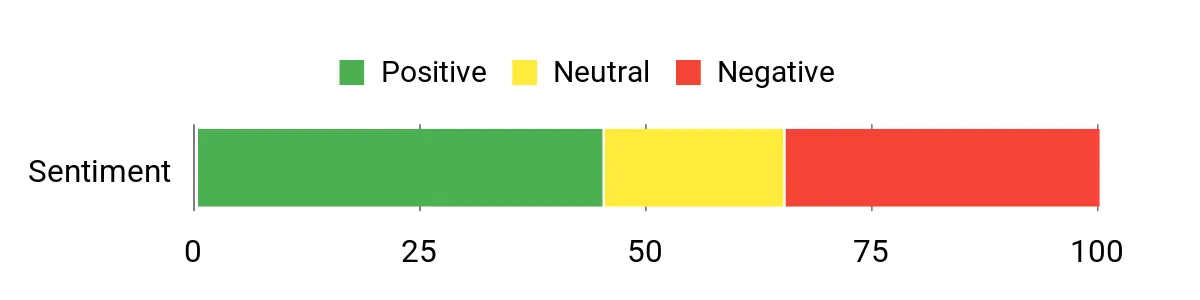
Users frequently praise the value and the number of rods in the pack, and many report success on thin aluminum repairs when the metal is prepped and heated properly. Common complaints center on the rods’ small size and the need for a hotter torch or longer preheat on thicker material, and a minority report inconsistent bonding when technique or heat is lacking.
Overall Sentiment: Neutral
Versatility
These rods suit small hobby and shop tasks: patching pontoons, fixing trim, filling light gouges and making quick non‑structural joins. They’re less suited to radiator repairs or thick plates unless you have a high‑output torch and patience for heavy preheating.
What It Solves
Good for cosmetic repairs, leaks above the waterline and general aluminum maintenance where a full TIG setup isn’t practical. They won’t replace TIG or MIG for structural aluminum work, and you should avoid critical cooling systems or high‑stress joints with these rods.
Key Benefits
- Flux-core formula so you don’t need separate solder powder or flux
- Large quantity in one pack keeps you stocked for multiple small jobs
- Designed for aluminum and aluminum‑magnesium alloys, good for thin panels
- Compact sticks are easy to handle for tacks and small fills
Rating: 3.7 (total: 612+)
If you do stainless TIG work, these ER308L rods are a solid everyday choice. You can use them for muffler and exhaust repairs, small fabrication, and stainless trim or bracket work, and they puddle reliably when you keep your tungsten and gas settings steady. The shorter sticks make tacking into tight spots easier and cut down on hassle when you only need a little filler, though some users prefer full‑length rods for long seams. Keep a pack handy for routine shop jobs and practice sessions, and consider longer rods if you do lots of continuous TIG runs.
What People Say
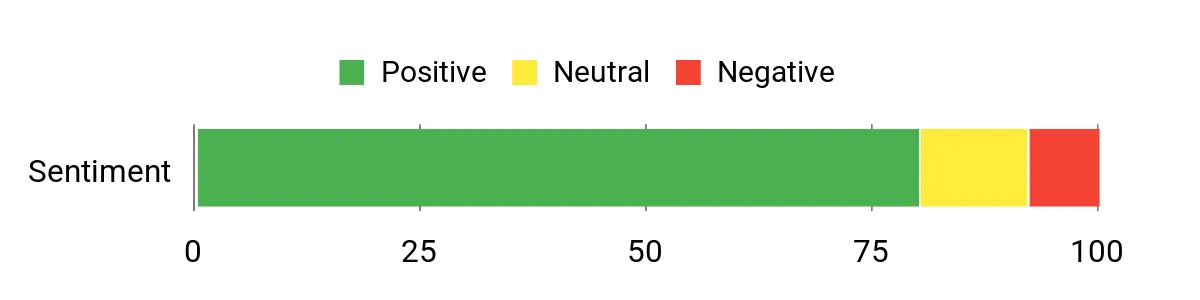
Most buyers note the rods weld as expected and produce clean filler when you prep parts properly. People like the convenience of the shorter lengths for small jobs, and many call out good material quality and reliable performance.
A few mention packaging that fell short of expectations and that the short sticks can run out quicker than full‑length rods.
Overall Sentiment: Positive
Versatility
These rods handle common stainless TIG needs: exhaust patches, brackets, small stainless panels and practice work. They adapt well to hobby use and shop touchups, but if your work includes long continuous seams you might prefer full‑length rods.
What It Solves
They solve the need for a dependable stainless filler without forcing you to buy bulky lengths—helpful for occasional TIG use and quick fixes. They are not the best choice for heavy structural stainless welding where longer rods or different filler alloys may be preferable.
Key Benefits
- ER308L chemistry for good corrosion resistance on stainless repairs
- Short 16″ sticks are easy to manage in tight spaces and for tacks
- Consistent puddle and good compatibility with TIG setups
- Well suited to hobbyists and light fabrication work
Rating: 4.7 (total: 901+)
You can keep this pack handy for common plastic repairs around cars and bikes. The rods melt and flow predictably with a hot air welder or plastic welding iron, and the black color helps patches blend on black bumpers and headlight tabs. They’re great for quick fixes, reinforced patches with mesh, and making parts usable again without a trip to the body shop.
If you do a lot of plastic repairs, these make routine touchups easier and cleaner.
What People Say
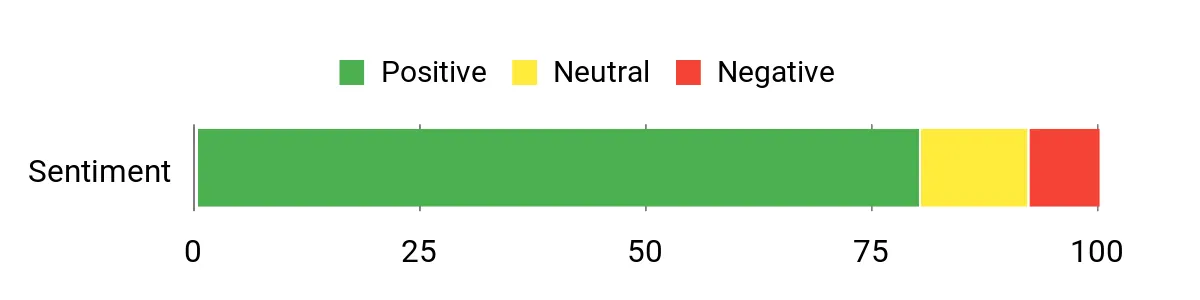
Buyers commonly say the rods perform well for bumper and headlight tab repairs and that the black color helps patches blend. People also note that using mesh or reinforcement improves durability, and many mention the rods melt cleanly with the right heat. A few users wish the pack size were larger, but most find them reliable for routine plastic fixes.
Overall Sentiment: Positive
Versatility
You can use these for bumper tabs, under‑hood plastic brackets, intake duct repairs and other polypropylene parts that accept PP filler. They suit both quick roadside fixes and shop touchups when you don’t need a full replacement.
What It Solves
These rods let you repair broken tabs and small cracks without replacing entire panels, saving time and keeping parts functional. They don’t replace structural fixes, but they solve cosmetic and practical problems so you can keep driving until a bigger repair is warranted.
Key Benefits
- Black pigment for discreet repairs on dark PP parts
- Long, consistent sticks that melt and flow well with hot air
- Works with common plastic welding irons and kits
- Good for bumper tabs, intake pieces and quick field repairs
Rating: 4.5 (total: 100+)
You’ll find these E7018 rods are a dependable choice when you need predictable stick welding performance on carbon steel. They handle everyday farm and shop repairs, structural touchups and maintenance on heavier parts where a low‑hydrogen electrode is important to reduce cracking. The rods strike and run cleanly when you have your amperage and technique set, and they’re a practical substitute for name‑brand electrodes if you want solid results without fuss.
What People Say
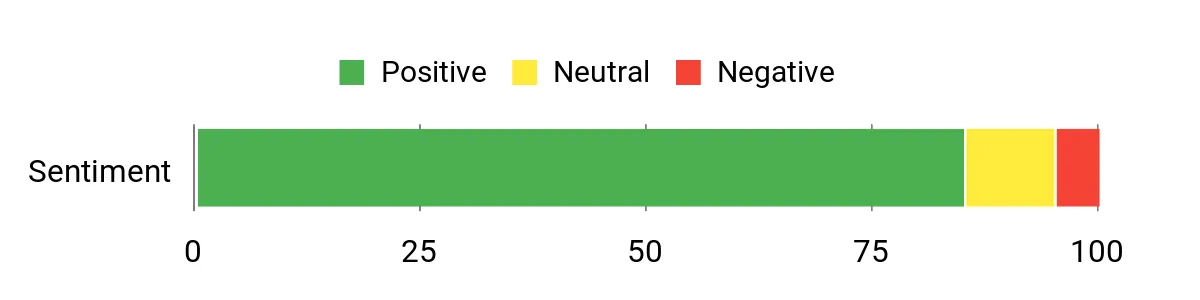
Most users praise the rods for consistent performance and good weld beads, especially for tractor, loader or farm repairs. Many note they match the behavior of brand‑name electrodes and appreciate the reliability, while a few remind you that correct heat and prep are essential for best results.
Overall Sentiment: Positive
Versatility
These electrodes work well for structural carbon steel, maintenance welding, farm equipment repairs and general shop use. They’re versatile enough for both pros and hobbyists who need dependable stick welds.
What It Solves
They solve the need for a forgiving, crack‑resistant filler when you’re repairing thick or load‑bearing parts. They won’t replace specialized consumables for exotic steels, but for standard structural work they get the job done.
Key Benefits
- Low‑hydrogen chemistry reduces the risk of weld cracking on critical joints
- Consistent, predictable bead for reliable structural repairs
- Good storage packaging and widely compatible with common stick rigs
- Preferred by users as a cost‑effective alternative to big brands
Rating: 4.6 (total: 1719+)
These 1/16″ aluminum brazing rods are aimed at DIYers and hobbyists who want a torch‑based way to join or seal aluminum without a full welder. You can use them for small panel work, seam sealing, and non‑structural repairs when you clean and preheat the base metal properly.
They flow once the workpiece reaches the right temperature, but because the rods are thin they need careful handling and sufficient heat to avoid balling or failing to bond. If you accept that they’re a brazing solution rather than a substitute for TIG or MIG, they’re a handy addition to your toolbox for quick fixes and prototyping.
What People Say
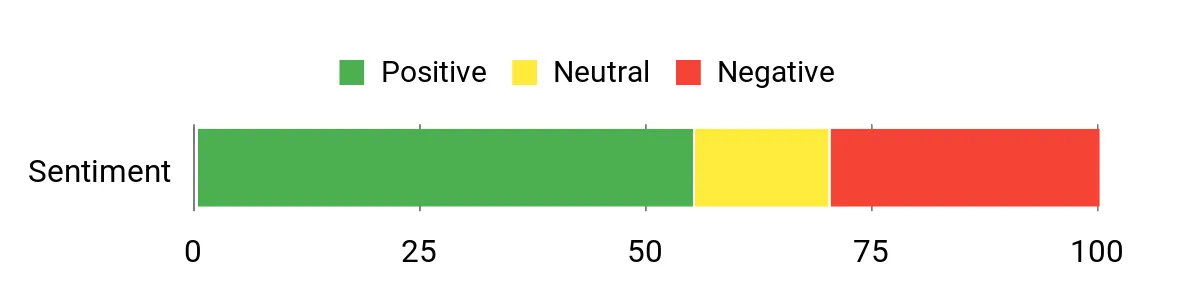
Customers tend to report good results when they thoroughly clean and preheat the aluminum and use a sufficiently hot torch. Many users praise the rods for small repairs and easy flow once conditions are right, while others struggled to get a reliable bond with propane or weaker torches and found the rods too thin for some tasks.
Overall Sentiment: Neutral
Versatility
Best suited to light brazing jobs, seam sealing and cosmetic or functional fixes on sheet aluminum. They work with a propane or MAPP torch if you can bring the workpiece up to temperature, but they aren’t ideal for thick plate or critical structural joins.
What It Solves
These rods solve quick repair needs where replacing a part isn’t practical, letting you seal leaks or join thin panels without a welder. They won’t replace TIG for high‑strength repairs and require proper heat and prep to avoid poor adhesion.
Key Benefits
- Designed for torch brazing so you don’t need extra solder powder
- Large pack keeps you stocked for multiple small repairs
- Thin rods melt and flow quickly when the workpiece is hot enough
- Good for seam sealing, small joins and non‑structural fixes
Rating: 3.8 (total: 275+)
These rods are made for torch brazing and light aluminum repairs where you need a filler that melts at lower temperatures. You can use them for seam sealing, patching thin sheet metal and small joinery when you clean and preheat the part properly.
They’re intended as a brazing solution rather than a TIG or MIG replacement, so they work best on non‑structural fixes and touchups. If you’re doing occasional aluminum work and want something that flows with a torch, these are worth trying while you learn proper prep and heat control.
What People Say
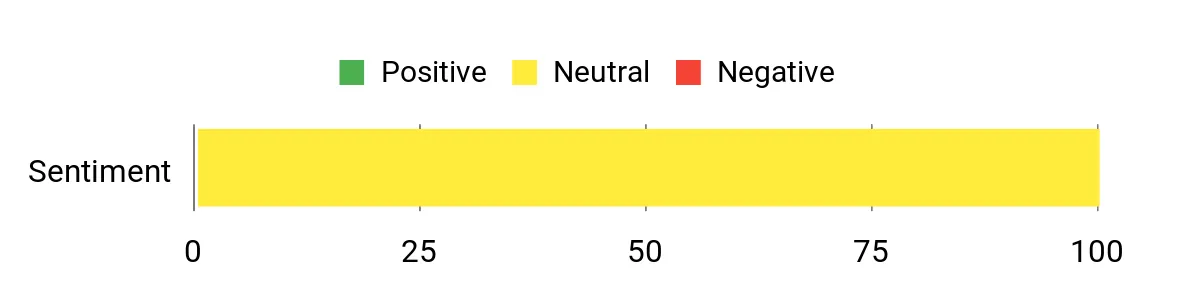
Public feedback for this exact listing is limited, so there isn’t a large sample of user comments to summarize. Based on how low‑melt, flux‑core aluminum rods typically perform, users usually highlight that thorough cleaning and sufficient preheat are important for good flow and adhesion.
Expect mixed experiences if you try to use weaker torches or skip surface prep.
Overall Sentiment: Neutral
Versatility
Good for seam sealing, light panel repairs, HVAC patching and other small aluminum joinery tasks where a torch is practical. Not designed for high‑stress structural welding or thick plate without a powerful heat source.
What It Solves
Helps you repair and seal thin aluminum parts without a welder, letting you keep panels and small components serviceable. It doesn’t replace TIG or MIG for strength-critical work and requires the right torch and prep to avoid bonding problems.
Key Benefits
- Lower melting range (716°F–752°F) for torch brazing
- Flux‑core design removes need for separate solder powder
- Thin diameter suited to sheet metal and seam work
- All‑position use for flexible repair angles
Rating: (total: +)
You can use these all‑metal brazing rods when you need a torch‑based way to join or seal thin metal without a full welder. They’re handy for sealing seams, patching sheet projects and tacking small pieces together when you clean and preheat the work. Expect a learning curve: they flow nicely when the base metal is at the right temperature, but they require careful heat control and practice to get a neat, durable result.
If you want a simple brazing option for occasional repairs and project work, these are a practical choice to keep in the toolbox.
What People Say
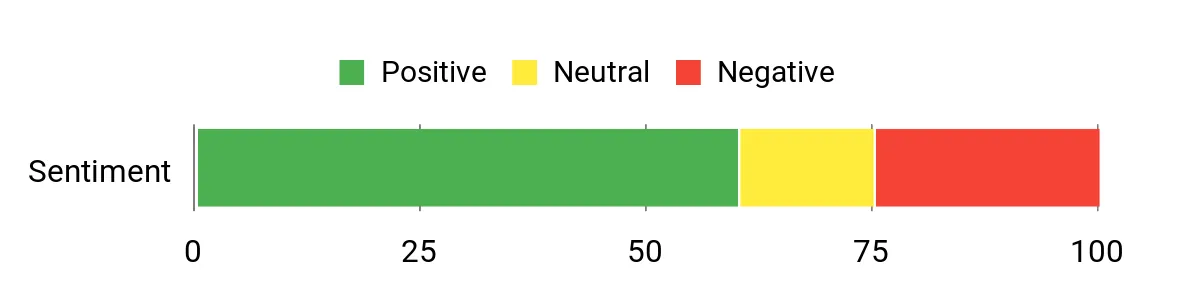
Customers often note the rods work well for seam sealing and small panel projects when parts are thoroughly cleaned and properly preheated. Many praise the convenience for DIY builds and quick fixes, while others report difficulty getting the rods to bond with weaker torches or without careful technique.
A handful of buyers recommend practicing the heat application to avoid the rod balling up.
Overall Sentiment: Neutral
Versatility
Good for seam sealing, small patches, hobby metalwork and non‑structural joins on thin panels. Not ideal for thick plate or load‑bearing welds without a high‑output heat source.
What It Solves
These rods let you repair and seal lightweight assemblies and stop leaks or gaps without bringing a welder to the job. They’re best for cosmetic and functional fixes rather than structural repairs and depend on proper prep and sufficient heat to deliver reliable bonds.
Key Benefits
- Flux‑core design so you don’t need separate solder powder
- Thin rods suitable for sheet metal and seam sealing
- Compact pack that’s handy for hobby projects and touchups
- Works with common propane or MAPP torches when heat is sufficient
Rating: 3.8 (total: 29+)
You get a set of thin, low‑melt brazing rods intended for torch work and light aluminum repairs. They’re meant for seam sealing, small patch work and situations where you don’t have a TIG rig handy, but they rely heavily on surface prep and sufficient heat to perform. Use them for thin sheet, trim fixes and cosmetic joins after scuffing and cleaning the metal, and expect a learning curve if you’re new to brazing.
If you understand their limits and match the heat source, they can save you a trip to the shop for minor jobs.
What People Say
You’ll notice reviewers split between those who got clean flow after careful cleaning and strong preheat, and those who struggled to get the rods to bond with a propane or weaker torch. Common praise centers on usefulness for small patches and seam sealing, while complaints focus on the rods being thin, prone to balling up and requiring more heat than advertised.
Overall Sentiment: Neutral

Versatility
These rods are useful for seam sealing, HVAC-style patches, thin‑panel repairs and hobby projects where a torch is practical. They’re not a substitute for TIG or MIG on thicker material or for structural joints.
What It Solves
They let you fix and seal thin aluminum parts without a welder, which works well for cosmetic and functional touchups. Their effectiveness depends on proper prep and a sufficiently hot torch, so they don’t solve problems where high strength or thick plate welding is required.
Key Benefits
- Lower melting range for torch brazing on thin aluminum
- Flux‑core design removes need for separate solder powder
- Thin diameter suited to seam sealing and delicate panel work
- All‑position use for flexible repair angles
Rating: 3.3 (total: 155+)
You can rely on these PP rods for common plastic repairs around vehicles. They heat and flow predictably with a hot air plastic welder or iron and work well when paired with a wire mesh or backing for stronger patches.
The rods’ shape and pigment help repairs blend on dark bumpers and trim, and they’re easy to use once you dial in the right heat. Keep gloves and eye protection handy and practice on scrap plastic to get the technique down before tackling visible panels.
What People Say
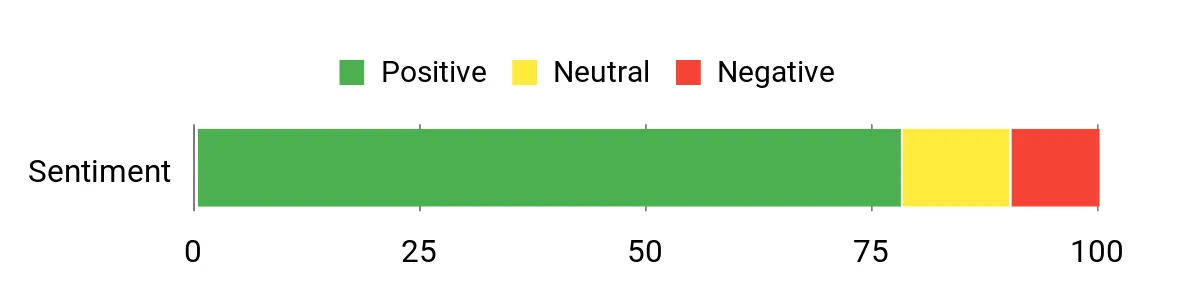
Buyers commonly report solid results when the rods are used with the right tool and technique, especially for bumper tabs and plastic panels. People appreciate the material compatibility and durability after a proper repair, while some mention packaging and quantity expectations.
Most recommend practicing heat control and using mesh reinforcement for the best, longer‑lasting patches.
Overall Sentiment: Positive
Versatility
Good for bumper tabs, under‑hood plastic brackets, intake ducts, storage bay patches and other PP components. They suit quick field fixes and shop touchups where replacement parts aren’t convenient.
What It Solves
These rods let you repair broken tabs and seal cracks so parts stay functional until you can do a full replacement. They don’t replace structural repairs, but they solve common plastic damage and reduce downtime when you need a practical fix.
Key Benefits
- Made for polypropylene so patches bond to PP parts
- High wear and impact resistance ideal for bumpers and storage bays
- Black pigment helps repairs blend on dark parts
- Works well with mesh reinforcement and hot air welders
Rating: 4.6 (total: 137+)
If you do occasional aluminum work, these low‑melt rods aim to give you a torch‑based option for seam sealing and small patch repairs without a welder. You’ll want to prep and clean the surface, then bring the base metal up to temperature so the rod flows and bonds.
They’re geared toward thin panels, HVAC patches and light automotive trim fixes, but they can be temperamental if your torch doesn’t put out enough heat. Keep expectations realistic: they’re a handy stopgap, not a substitute for TIG on structural jobs.
What People Say
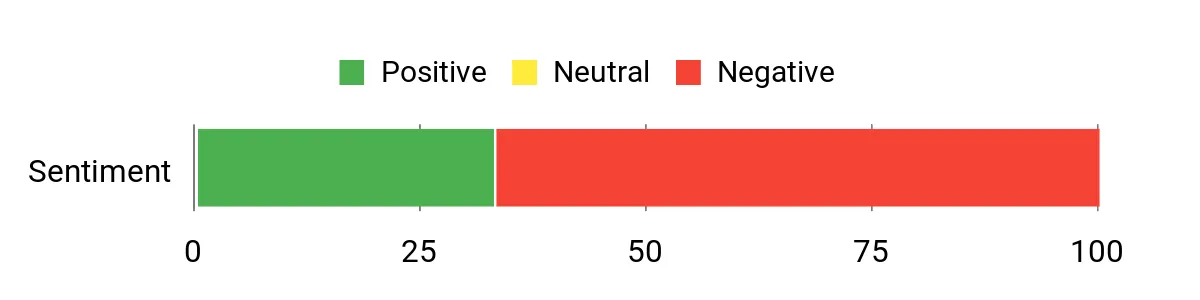
Users are split: some get good flow and adhesion when they thoroughly clean and aggressively preheat the workpiece, while others report the rods simply melt without bonding unless they use a much hotter torch. Common praise notes suitability for small patches and seam work, but many buyers warn about a steep learning curve and the need for the right heat source.
Overall Sentiment: Neutral
Versatility
You can use these for seam sealing, thin‑panel repairs, HVAC patches and light automotive fixes where a torch is practical. They’re not suitable for thick plate, high‑stress joints or jobs that require TIG‑level strength.
What It Solves
These rods help you make quick, non‑structural repairs and keep parts serviceable without a welder, provided you match technique and heat to the job. They won’t solve problems that need high‑strength welds or where access to a high‑output torch is limited.
Key Benefits
- Low‑melt formulation for torch brazing on thin aluminum
- Flux‑core style reduces the need for separate solder powders
- Thin diameter suited to seam sealing and delicate sheet work
- All‑position rods that work once the substrate is hot enough
Rating: 2.5 (total: 3+)
FAQ
How Do I Choose The Right Rod?
You want to match rod chemistry to the base metal and the job. Use E7018 or similar low‑hydrogen stick rods for structural carbon steel, ER308L filler for stainless TIG work, low‑melt aluminum brazing rods for thin sheet or seam sealing with a torch, and polypropylene rods for bumper tabs and other PP plastics.
Also think about rod diameter and length for the access you have, and whether your heat source can actually bring the workpiece up to the rod’s melting range. Choosing the right rod up front will save you time and prevent weak or failed joints.
Are Low‑Melt Brazing Rods Safe For Radiators?
Treat cooling systems with caution: radiators and pressurized cooling parts are safety‑critical and often need specialized filler and technique. Low‑melt brazing rods can work for some thin aluminum repairs, but if the rod’s flow temperature is too high or you overheat the part you can make things worse.
For radiator cores, intercoolers and other pressure vessels you’re usually better off using proper TIG welding or a professional repair to ensure strength and leak resistance rather than relying on general‑purpose brazing rods.
How Can I Get Consistent Results?
Consistent welds come down to prep, heat and technique. Start by cleaning and removing oxides, set your torch or welder so the workpiece—not the rod—is the primary heat sink, and bring the metal to the recommended temperature before applying filler.
For torch brazing, a hotter torch or longer preheat is often needed on thicker stock; for plastics use the correct welding iron and reinforce with mesh when possible. Practice on scrap to dial in heat and travel speed, and remember that thin or short rods require steady hands and patience to avoid balling or poor adhesion.
What Buyers Prefer
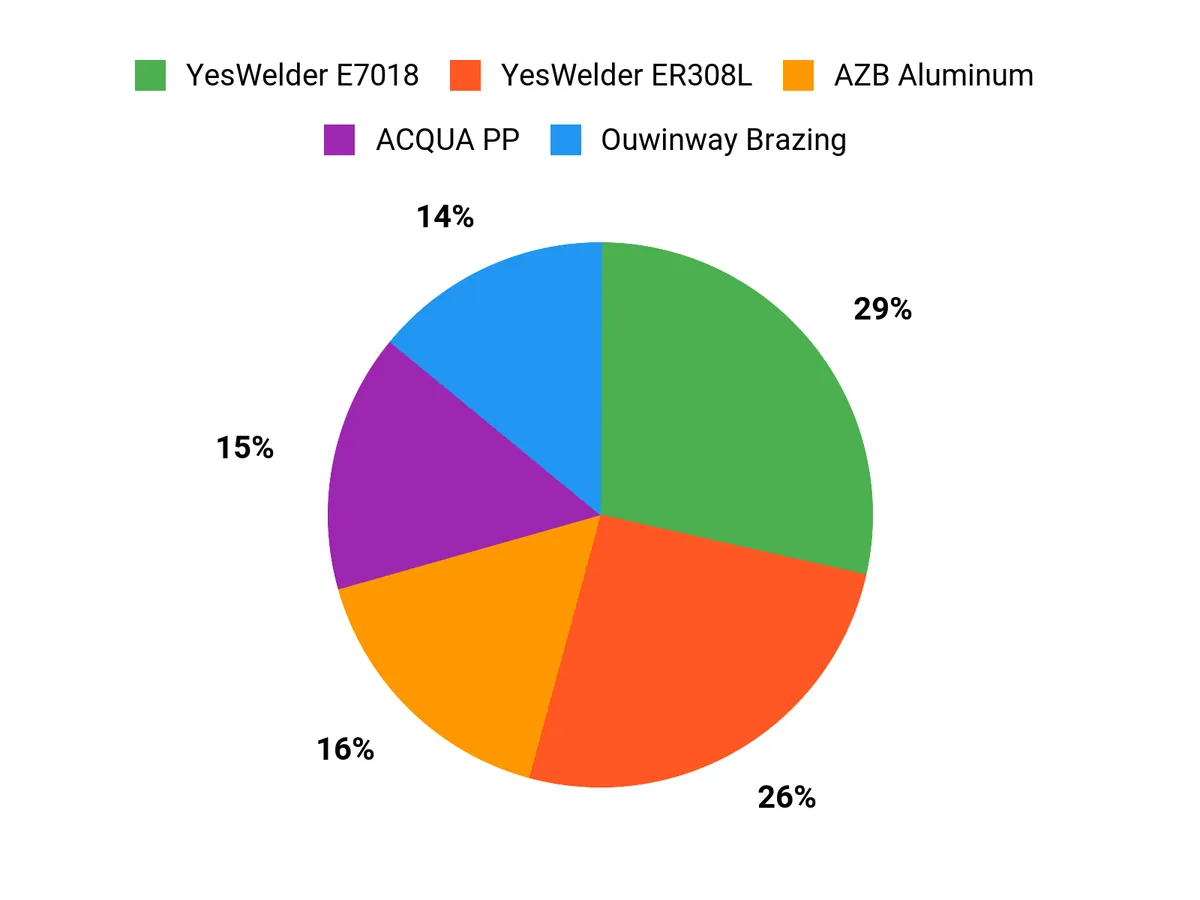
You tend to pick based on the job: if you’re doing aluminum brazing or thin‑panel repairs you look for rods that match the melting range and heat source, stainless TIG work steers you to ER308L for predictable puddle and corrosion resistance, and plastic bumper or tab repairs are where JOUNJIP PP wins for material compatibility and a discreet finish. You also care about practical details like rod length, packaging and whether your torch or welder can deliver the necessary heat, so you choose the option that fits the metal, the tool and the final appearance you want.
Wrapping Up
Picking the right rod makes repairs stronger and faster, whether you are patching an aluminum radiator, rebuilding a bumper tab or welding structural steel. If you need precision stainless work, choose a dedicated TIG filler like the YesWelder ER308L. For stick welding on thicker, structural parts choose a low-hydrogen E7018. For plastic repairs, polypropylene rods from JOUNJIP or ACQUA will match the substrate and give nearly invisible results on black parts.
Low-melt aluminum brazing rods are handy for light aluminum repairs with a torch, but pay attention to the stated melting point and your heat source. Use this list to match rod chemistry to metal and heat so you avoid wasted time and weak joints and get the right results for your next auto repair.
| Product Name | Image | Rating | Material | Size | Weight |
|---|---|---|---|---|---|
| 50 Pieces Flux Core Aluminum Rods Low Temperature Easy Melt Aluminum Welding Rods |
 |
3.7/5 (612 reviews) | Aluminum | 1.6 mm Diameter, 33 cm Length | 3.2 ounces |
| YESWELDER Stainless Steel TIG Welding Rod ER308L 1/16″x16″ 5LB |
 |
4.7/5 (901 reviews) | ER308L Stainless Steel | 1/16″ x 16″ | 5.13 pounds |
| JOUNJIP 40pcs Polypropylene (PP) Plastic Welding Rods |
 |
4.5/5 (100 reviews) | Polypropylene Plastic | 1/8 inch Diameter, 13 inches Long | 2.89 ounces |
| YESWELDER E7018 1/8” 5LB Welding Rod |
 |
4.6/5 (1719 reviews) | E7018 Low Hydrogen Carbon Steel | 1/8″ | 5.26 pounds |
| 50-Pack 1/16”x13” Aluminum Brazing Rods |
 |
3.8/5 (275 reviews) | Copper | 1/16” x 13” | 3.2 ounces |
| Aluminum Brazing Rods, 50PCS Low Melt Aluminum Welding Rods |
 |
N/A | Aluminum Welding Electrodes | 2/32″ x 13″ | 2.39 ounces |
| All Metal Brazing Rods, 1/16”x13” |
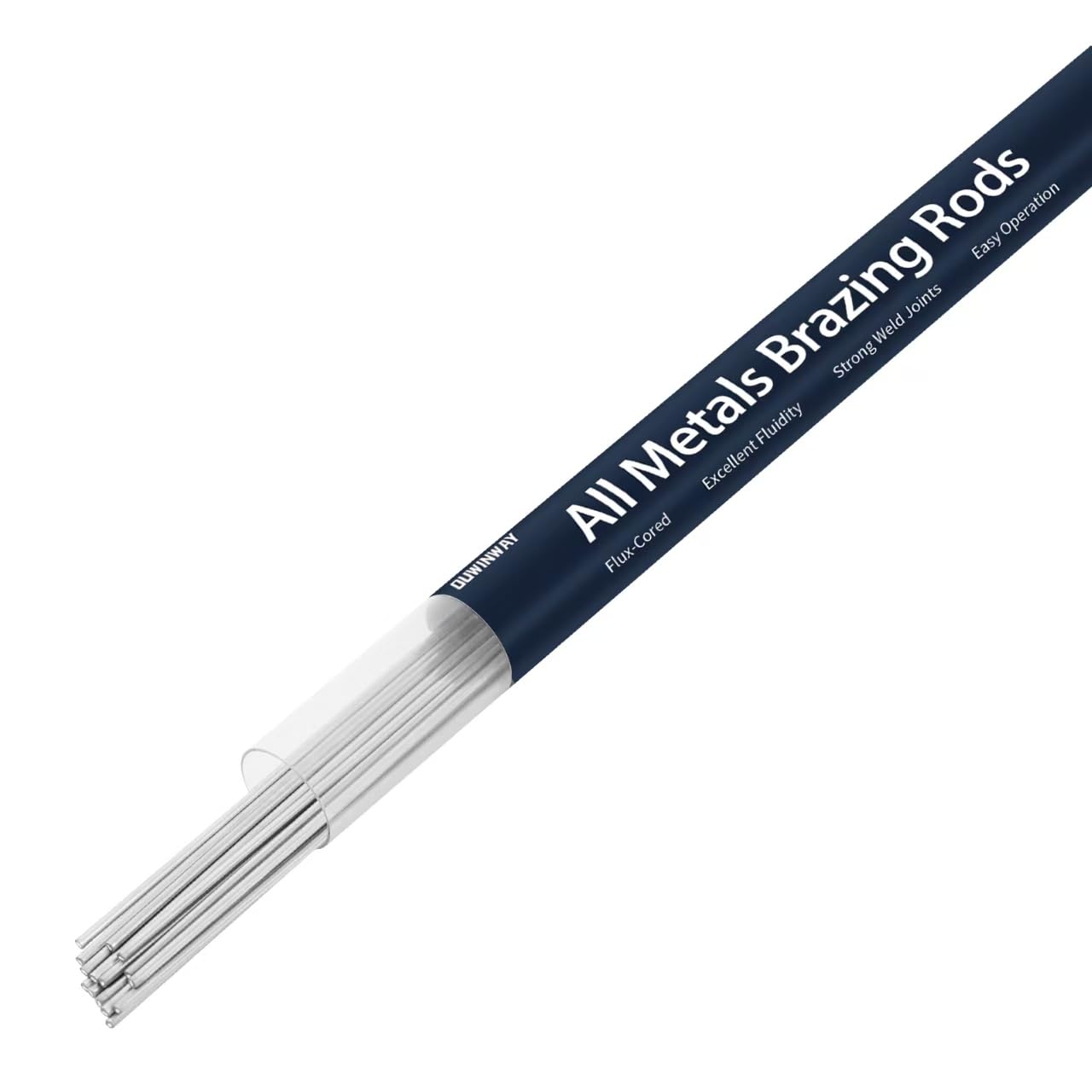 |
3.8/5 (29 reviews) | Metal | 1/16” x 13” | 1.44 ounces |
| Aluminum Brazing Rods, Aluminum Welding Rods, 30 pcs |
 |
3.3/5 (155 reviews) | Aluminum | 2/32″ x 13″ | 1.58 ounces |
| 9.8 Inch Black PP Plastic Welding Rods |
 |
4.6/5 (137 reviews) | Plastic | 9.8 inches | 3.2 ounces |
| 30 PCS Aluminum Welding Rods |
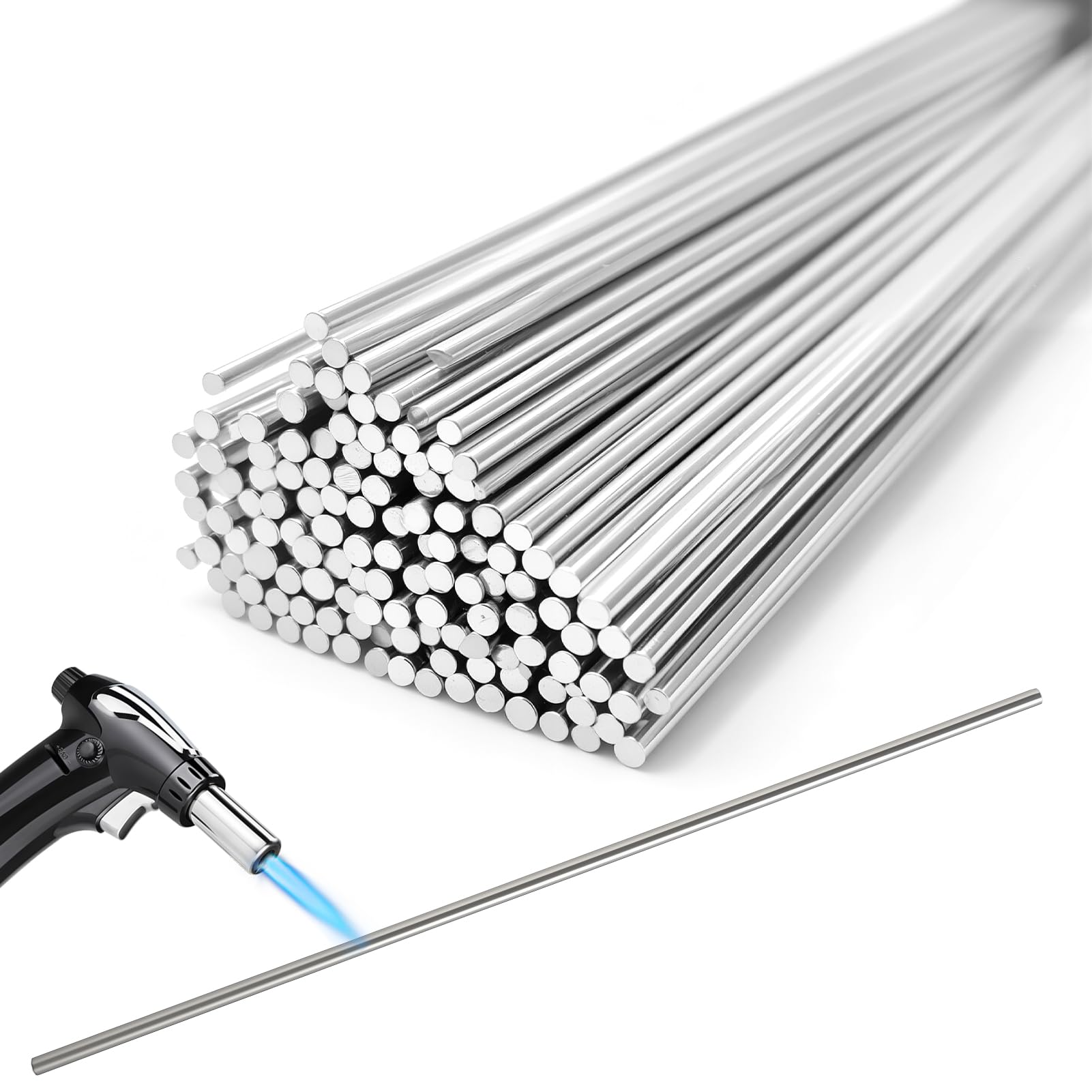 |
2.5/5 (3 reviews) | Aluminum | 2/32″ x 13″ | 2.39 ounces |
This Roundup is reader-supported. When you click through links we may earn a referral commission on qualifying purchases.