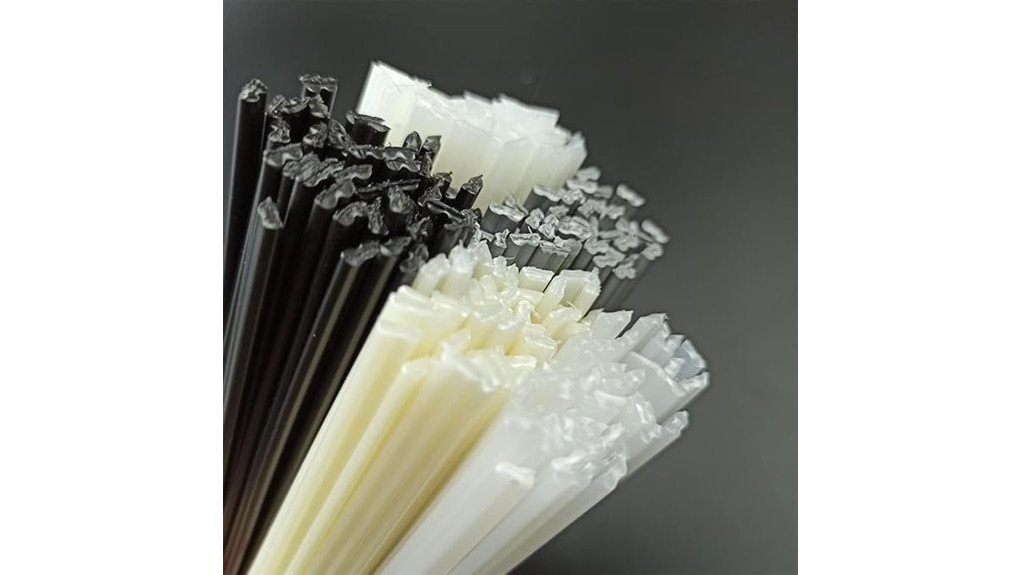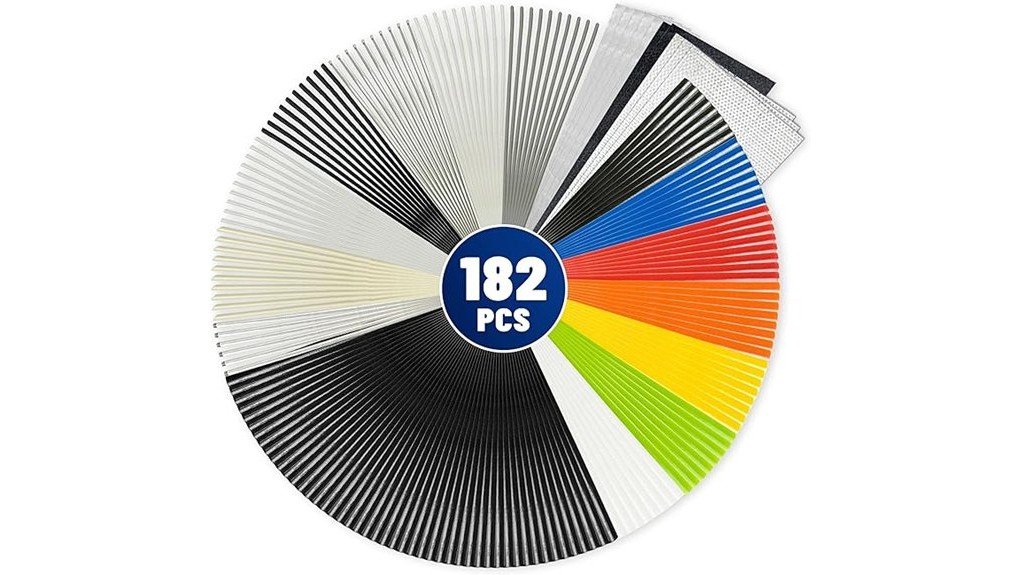
The Allturn 182 Pcs Plastic Welding Rods kit is made for plastic repair jobs where you need rods for several common materials. The listing details name compatibility with plastics such as PC, PP, ABS, HDPE, PUR, PA, TEO, TPO, and LDPE. It also mentions sandpaper and aluminum foil tape as included support items.
This review sticks to the product details available on the listing. Check the current Amazon listing and your plastic welder instructions before buying or starting a repair.
Verdict
The Allturn 182 Pcs Plastic Welding Rods kit is a practical choice if you want a mixed rod set for repairing different plastic types. It is best for users who already have the right plastic welding tool and can match each rod type to the material being repaired.
Key Specs
| Specification | Detail |
|---|---|
| Brand | Allturn |
| Product Type | Plastic welding rod kit |
| Piece Count | 182 pieces |
| ASIN | B0CB8C9BXW |
| Listed Compatible Plastics | PC, PP, ABS, HDPE, PUR, PA, TEO, TPO, and LDPE |
| Included Support Items | Sandpaper and aluminum foil tape are mentioned in the listing details |
| Required Tool | A compatible plastic welding tool is required |
What Are the Allturn 182 Pcs Plastic Welding Rods?
The Allturn 182 Pcs Plastic Welding Rods kit is a mixed set of plastic filler rods for repair work. The rods are intended to be melted with a suitable plastic welding tool so the filler material can bond with the damaged plastic surface.
The main benefit is variety. Instead of buying one rod type at a time, this set gives users several plastic options in one kit. That can help when repairing items made from different plastics.
Who It Is For
This kit is for DIY users, repair hobbyists, and shop users who already understand the basics of plastic welding. It may be useful for repairing cracked plastic parts, plastic panels, bins, housings, and similar items when the rod type matches the base plastic.
It is also useful for people who work with mixed plastic materials and want a small assortment on hand.
Who Should Skip It
Skip this kit if you do not have a plastic welding tool. The rods are not a glue substitute and will not work by themselves.
You should also skip it if you need a confirmed match for one exact engineering plastic and cannot verify the material of the broken part. Plastic welding works best when the filler rod and the base plastic are compatible.
Key Features
- 182-piece assortment: The kit provides a broad selection of rods for different repair situations.
- Multiple plastic types: The listing details name PC, PP, ABS, HDPE, PUR, PA, TEO, TPO, and LDPE compatibility.
- Support items included: Sandpaper and aluminum foil tape are mentioned as part of the kit.
- Useful for repair work: The rods can help restore damaged plastic parts when the material match and welding technique are correct.
How to Use the Rods
For best results, identify the plastic type before welding. Many plastic parts have a material stamp such as PP, ABS, or HDPE. Matching that marking to the correct rod type helps create a stronger repair.
Surface preparation also matters. Clean the damaged area, remove loose material, and roughen the surface where needed. The sandpaper mentioned in the kit can help with prep work before welding.
Plastic welding takes practice. Heat control, rod speed, and pressure all affect the final bond. Test on scrap plastic when possible before repairing an important part.
Matching Rods to the Plastic You Are Repairing
Look for the resin code stamped on the back of the part before you pick a rod. As a general rule, use a rod of the same plastic as the part. The listing names these types:
| Rod type (as listed) | Typical parts | Note |
|---|---|---|
| PP | Bumper covers, battery cases, bins | Match PP to PP. Often called polypropylene. |
| ABS | Interior trim, dash parts, housings | Match ABS to ABS. Clean thoroughly before welding. |
| HDPE / LDPE | Tanks, containers, fenders, liners | Polyethylene welds best with its own type and stays slippery, so work slowly. |
| PC | Lenses, covers, some housings | Match to PC. Test on scrap first. |
| PA (nylon), PUR, TPO, TEO | Mixed automotive and industrial parts | Confirm the part material first. These are less forgiving. |
If you cannot identify the plastic, practice on a hidden spot or scrap piece and pull-test the repair before you rely on it.
Safety When Welding Plastic
- Work with good ventilation. Hot plastic gives off fumes that can irritate your lungs.
- Wear safety glasses and heat-resistant gloves.
- Keep the heated tool away from fuel, solvents and other flammables.
- Do not use a DIY plastic weld on fuel tanks, pressure parts or other safety-critical components.
Pros and Cons
Pros
- 182-piece kit gives users several rods for different repair jobs
- Listing details name compatibility with common plastics such as PP, ABS, HDPE, and LDPE
- Sandpaper and aluminum foil tape are mentioned as included support items
Cons
- Requires a separate compatible plastic welding tool
- Repair strength depends on matching the rod to the base plastic
- Not ideal for users who cannot identify the plastic type they need to repair
Is It Worth the Price?
The value depends on how often you repair plastic and how many material types you handle. If you only need one rod type, a single-material pack may be simpler. If you often repair different plastics, the Allturn 182-piece assortment may offer better flexibility.
Do not judge value by piece count alone. Check the current Amazon listing for the exact rod types, quantities, and included items before buying.
Alternatives to Consider
If you are comparing options, look at similar mixed plastic welding rod kits from Polyvance, TruePower, and Harbor Freight. These alternatives are named for context only. Compare rod material, quantity, tool compatibility, and included accessories before choosing.
Related reading: another Allturn plastic welding rods kit, the Allturn PWG-100 hot stapler and the Allturn 110V-100W deluxe plastic welder.
Frequently Asked Questions
Can These Rods Be Used for Outdoor Repairs?
They may be used on outdoor plastic items if the rod material matches the plastic being repaired. Outdoor durability depends on the plastic type, repair quality, sun exposure, moisture, and stress on the repaired part.
What Is the Melting Point of the Welding Rods?
The melting point depends on the plastic type. The listing details mention several materials, so there is no single melting point for the whole kit. Check the rod label, the Amazon listing, or the product packaging before setting your welding temperature.
Are the Rods Colorfast After Welding?
We could not verify colorfastness details. If the look of the repair matters, test the rod on a hidden area or scrap piece first.
How Long Do the Repairs Last With These Rods?
Repair life depends on the plastic match, surface prep, weld quality, and how much stress the part receives after repair. A well-matched weld on a low-stress part should last longer than a poor material match on a flexible or load-bearing part.
Is Additional Equipment Required for Using These Rods?
Yes. You need a compatible plastic welding tool. Basic prep tools may also help, including cleaning supplies, sandpaper, clamps, and safety gear.
Can I Use Any Rod on Any Plastic?
No. Plastic welding works best when the filler rod matches the base plastic. Look for a material marking on the damaged part before choosing a rod.
Final Verdict
The Allturn 182 Pcs Plastic Welding Rods kit makes sense for users who want a mixed set of rods for common plastic repair work. Its main strength is variety. Its main limitation is that you still need to identify the plastic and use the right welding technique.
If you already have a plastic welding tool and want a broad rod assortment, this kit is worth considering. Check the current Amazon listing before buying to confirm the exact contents and material options.