Disclosure: As an Amazon Associate, we earn from qualifying purchases. If you click a link on this page and make a purchase, we may receive a small commission at no extra cost to you.
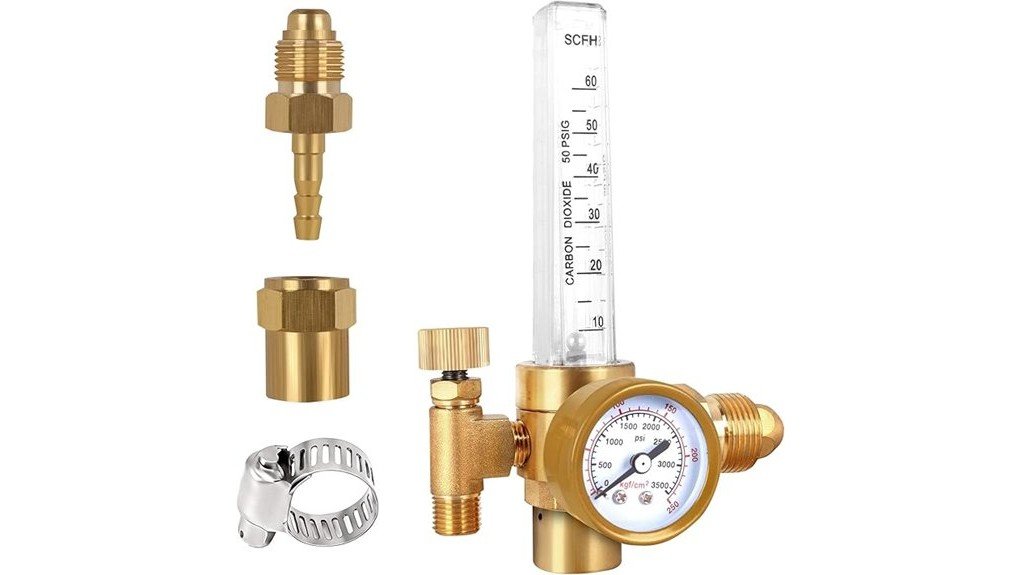
Poor shielding gas control can leave you chasing porosity, wasting gas, or losing coverage when a draft reaches the weld. The BOWELD Argon/CO2 MIG TIG Flow Meter Gas Regulator Gauge, model BO191, combines a visible 0 to 60 CFH flow tube with a 0 to 3500 PSI cylinder-pressure gauge. This review explains its confirmed specifications, fittings, setup needs, safety limits, and performance in common MIG and TIG jobs. It is a practical budget-style option, but only when its CGA-580 inlet and outlet fittings match your cylinder and hose.
Quick Verdict
Rating: 8/10, recommended with caveats
Best For: Home, garage, and small-shop welders who need a single-outlet CGA-580 flowmeter for compatible argon, helium, or argon-based shielding-gas cylinders.
Bottom Line: The BO191 gives you a readable 0 to 60 CFH ball flowmeter, a 3500 PSI cylinder gauge, and three listed outlet-connection options. Its main limitation is not performance range but compatibility, so you must verify the cylinder valve, gas service, and hose fitting before ordering.
| Specification | Detail |
|---|---|
| Brand | BOWELD |
| Model | BO191 |
| Part number | 191 |
| Product type | Single-outlet MIG/TIG shielding-gas flowmeter regulator |
| Gas flow range | 0 to 60 CFH |
| Pressure gauge range | 0 to 3500 PSI |
| Pressure gauge size | 1 1/2-inch diameter |
| Flow indicator | Square flow tube with a visible floating ball |
| Cylinder inlet | CGA-580 |
| Listed outlet connections | Female 9/16 x 18 nut, male 5/8 x 18 fitting, and standard 1/4-inch barbed fitting |
| Material | Copper, as listed by the manufacturer |
| Product dimensions | 3.86 x 2.17 x 5.91 inches |
| Item weight | 1.52 pounds |
| Package contents | 1 regulator, 1 hose clamp, and 1 mounting nut |
| Best use | Monitoring shielding-gas flow for compatible MIG and TIG welding setups |
| Safety note | Confirm the gas service, cylinder valve, hose thread, and outlet connection before installation. |
What Is the BOWELD BO191 Flow Meter?
The BOWELD BO191 is a compact gas regulator and flowmeter made for MIG and TIG shielding-gas systems. Instead of showing only delivery pressure, it uses a floating ball in a vertical tube to show gas flow in cubic feet per hour, or CFH.
Its 0 to 60 CFH scale covers the adjustment range used by many common shop welding setups. The separate 0 to 3500 PSI gauge shows cylinder pressure, which helps you check the bottle before a project and notice when the supply is running low.
Who Should Buy It?
Best For
- MIG welders who want a visible CFH reading instead of relying on a pressure-only gauge.
- TIG welders using a compatible CGA-580 argon or helium cylinder and a matching gas hose.
- Home, garage, and small-shop users who need one economical flowmeter for a single machine.
Skip If
- Your cylinder valve is not CGA-580 or your hose does not match one of the listed outlets.
- You need a dual-flow setup for a welding torch and a purge line at the same time.
- Your workplace requires documented certifications, calibration records, or a specified industrial regulator brand.
Before You Buy: Do not order by the words “Argon/CO2” alone. The BO191 uses a CGA-580 inlet. Argon and many argon-based shielding-gas cylinders commonly use CGA-580, while a pure CO2 cylinder may use a different valve such as CGA-320. Confirm the valve with your gas supplier and use only a properly rated connection.
Features and Specifications
0 to 60 CFH Flow Tube
The square tube uses a floating ball to show the current gas flow. You read the ball while gas is moving through the torch, which gives you a more useful setting than adjusting the control with the solenoid closed.
A 60 CFH maximum leaves room above the lower settings used in many indoor welding jobs. That extra scale range can help when you use a larger TIG cup or work in a situation that needs more flow, but turning the gas up too far can create turbulence and pull room air into the shielding envelope.
0 to 3500 PSI Cylinder Gauge
The 1 1/2-inch pressure gauge lets you check cylinder pressure at a glance. It does not tell you the exact usable time remaining, especially with liquefied CO2, but it helps you avoid starting a long repair or fabrication job without checking the bottle.
Copper Construction and Compact Size
The listing identifies copper as the main material and gives the regulator dimensions as 3.86 x 2.17 x 5.91 inches. At 1.52 pounds, it is compact enough for a garage cart or small welding station without adding much bulk around the cylinder valve.
Included Parts
The package is listed with one argon regulator, one hose clamp, and one mounting nut. A complete welding-gas setup may still require a compatible hose, machine-side connector, or approved adapter, depending on what you already own.
Compatibility and Usability
The cylinder inlet is the first fit check. BOWELD lists a CGA-580 connection for argon, helium, and compatible shielding-gas systems. Your cylinder label and valve type should match the regulator’s intended gas service before you attach it.
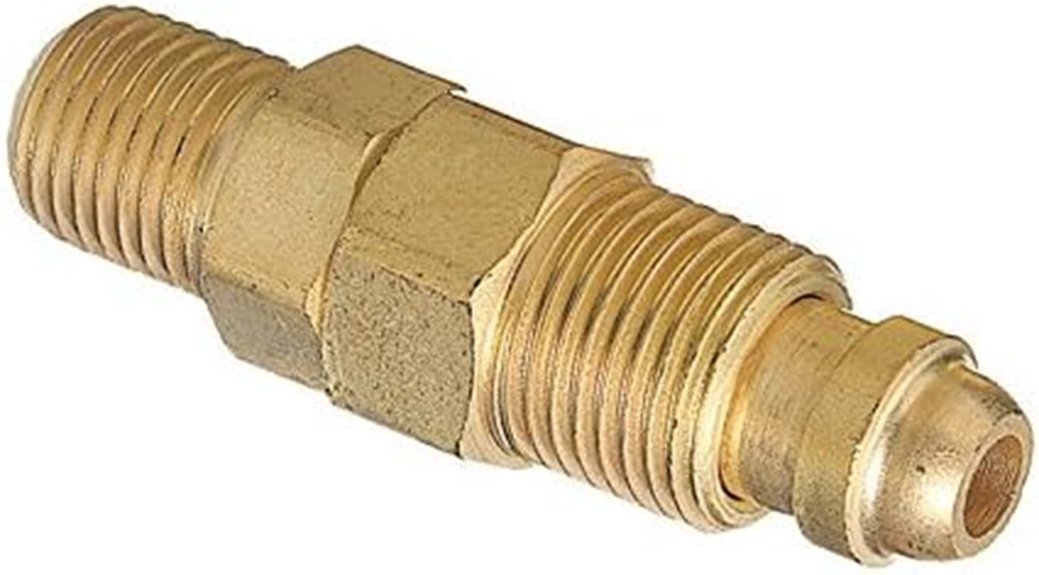
The outlet side supports a female 9/16 x 18 nut, a male 5/8 x 18 fitting, and a 1/4-inch barbed fitting. Those choices improve flexibility, but they do not make the BO191 universal. Confirm the hose thread, hose pressure rating, clamp method, and machine connection as one complete system.
Pro Tip: Photograph the cylinder label, valve outlet, old regulator markings, and both ends of your gas hose before ordering. Compare each connection with the BO191 listing so you can spot a CGA or thread mismatch before opening the package.
Setup Tips Before First Use
Secure the cylinder upright before installing the regulator. Close the cylinder valve, inspect the valve outlet and regulator connection for damage or contamination, and keep oil, grease, and damaged threads away from the connection.
Start the regulator nut by hand so you can feel whether the threads engage correctly. Tighten it with the proper wrench, but do not force a connection that binds or sits at an angle. Do not add improvised tape, sealant, or an unverified adapter to make incompatible fittings appear to fit.
Connect the gas hose and verify that any barbed fitting uses the correct hose size and clamp. Keep the flow control closed or at its lowest setting before pressurizing the system, then stand to the side of the regulator and open the cylinder valve slowly.
Check every connection with an approved gas-leak detection solution. Never test a gas connection with a flame. If you see bubbles, hear a leak, find damaged threads, or notice unstable gauge behavior, close the cylinder valve and stop using the setup until the fault is corrected.
Set the working flow while gas is moving through the torch. After welding, close the cylinder valve and release line pressure according to the welder and regulator instructions.
Performance in Welding Applications
The BO191’s main advantage is direct visual control. You can watch the ball rise as gas moves and make small adjustments instead of estimating flow from sound or using cylinder pressure as a substitute for CFH.
Correct flow can support stable shielding and reduce waste, but the meter cannot correct dirty metal, drafts, a loose gas hose, wrong polarity, contaminated tungsten, poor torch angle, or an incorrect gas blend. Treat the reading as one part of the welding setup, not as a guarantee of weld quality.
How It Performs in Real Use
For MIG Welding
On a MIG machine, the floating-ball scale makes it easier to repeat a gas setting after changing wire, material thickness, or torch position. It is especially useful when you move between short practice sessions and longer fabrication work and want to confirm that the flow did not drift.
For TIG Welding
TIG welding depends on steady shielding around the tungsten and hot weld area. The 0 to 60 CFH scale gives you room to work with common cup sizes and higher-flow setups, but the correct value still depends on cup diameter, gas lens, torch angle, amperage, and draft conditions.
For Garage and Small-Shop Use
The 3.86 x 2.17 x 5.91-inch body and 1.52-pound weight suit a compact cart or wall-side cylinder location. The single-flow design is easy to understand for one welder, though a shop that runs a second purge line will need a dual-flow alternative or a separate approved regulator.
For Checking Gas Supply Before a Job
The 3500 PSI gauge gives you a quick pre-job check. For high-pressure argon or mixed-gas cylinders, a falling reading can warn that the bottle is getting low. The gauge is less useful for estimating remaining liquid CO2 because cylinder pressure can stay relatively steady until much of the liquid is gone.
Compatibility and Safety
A pressurized gas regulator must match the cylinder, gas service, hose, and equipment. Use the BO191 only with components that your gas supplier or equipment manufacturer identifies as compatible. Never force a CGA connection or rely on thread appearance alone.
Keep the cylinder upright and secured with a chain, strap, or suitable cart. Open the valve slowly to reduce stress on the regulator. Keep the regulator away from impact, sparks, hot metal, and areas where the flow tube or gauge can be struck.
Inspect the union nut, valve seat, hose, clamp, and outlet fitting before each use. If the regulator leaks, sticks, has a cracked tube, shows a damaged gauge, or behaves differently from normal, close the cylinder and remove the unit from service. Regulator repair should be handled by a qualified person rather than attempted as a casual shop fix.
The listing does not provide a specific certification, calibration statement, or written manufacturer warranty term. Buyers in schools, production facilities, or regulated workplaces should confirm their organization’s equipment requirements before using this model.
Pros and Cons
Pros
- 0 to 60 CFH floating-ball scale provides a direct shielding-gas flow reading.
- 0 to 3500 PSI gauge helps you check high-pressure cylinder status before a job.
- CGA-580 inlet fits many argon, helium, and argon-blend welding cylinders.
- Three listed outlet connection options improve hose compatibility.
- Compact 1.52-pound body works well on a garage cart or small welding station.
Cons
- CGA-580 does not fit every cylinder, and pure CO2 tanks may require a different regulator connection.
- The single-flow design cannot run a torch and separate purge line independently.
- No specific certification, calibration record, or manufacturer warranty term is stated in the listing.
Is It Worth the Price?
The BOWELD BO191 is worth considering as a budget-oriented flowmeter when you need a clear CFH scale, a cylinder-pressure gauge, and flexible outlet choices for one compatible welder. Its compact size and included clamp and mounting nut add practical value for a home shop.
You get the best value when your cylinder already uses CGA-580 and your hose matches one of the listed outlets. The cost advantage becomes less clear if you must buy an adapter, replace a hose, or meet workplace requirements for documented calibration or a named industrial regulator line.
How It Compares to Alternatives
The BETOOLL CGA-580 flowmeter is a close alternative for buyers comparing another basic single-flow design. YESWELDER sells multi-interface regulator options that may appeal when outlet flexibility matters, while ARCCAPTAIN offers models with wider pressure or flow scales for users who need more range.
Frequently Asked Questions
Does the BOWELD BO191 work for both MIG and TIG welding?
Yes. BOWELD lists the BO191 for MIG and TIG shielding-gas applications. It will work only when the cylinder inlet, gas service, hose, and welder connection are compatible.
What gas flow range does the BO191 show?
The square flow tube reads from 0 to 60 CFH. Set the flow while gas is moving through the torch and follow the recommended range for your process, cup, nozzle, and shielding gas.
Will it connect directly to a pure CO2 cylinder?
Not necessarily. The BO191 uses a CGA-580 inlet, while many pure CO2 cylinders use CGA-320. Check the valve with your gas supplier and do not force the connection or use an unverified adapter.
Which outlet fittings are listed?
The listing states that the regulator fits a female 9/16 x 18 nut or a male 5/8 x 18 fitting and includes a standard 1/4-inch barbed fitting. Match the entire hose assembly, not just one end.
What comes in the package?
BOWELD lists one regulator, one hose clamp, and one mounting nut. A gas hose or machine-side connector may still be needed, depending on your existing setup.
How should I check it for leaks?
Secure the cylinder, open the valve slowly, and apply an approved gas-leak detection solution to each connection. Close the cylinder immediately if you find bubbles, damaged threads, or abnormal gauge behavior, and never use a flame for leak testing.
Can it run a TIG torch and purge line at the same time?
No independent second flow tube is listed. For simultaneous torch gas and purge gas control, compare a dual-flow regulator that lets you set each outlet separately.
What warranty does BOWELD provide?
The listing provides access to warranty information but does not state a specific manufacturer warranty term in the visible product details. Review the current seller policy, Amazon return terms, and package paperwork before purchase.
The Bottom Line
The BOWELD BO191 is a solid budget-style choice for a home or small-shop welder who needs a compact 0 to 60 CFH flowmeter and already has a compatible CGA-580 cylinder and hose. Skip it when your cylinder uses another valve, you need two independently controlled gas outlets, or your workplace requires documented certification. Its strongest feature is clear flow visibility, while its biggest limitation is setup-specific compatibility.
Ready to Buy?
Confirm your cylinder valve and hose fittings, then check the latest product details before you decide.