1.6mm Aluminum Welding Rods Review
By Garage Welding | Last updated: June 13, 2026
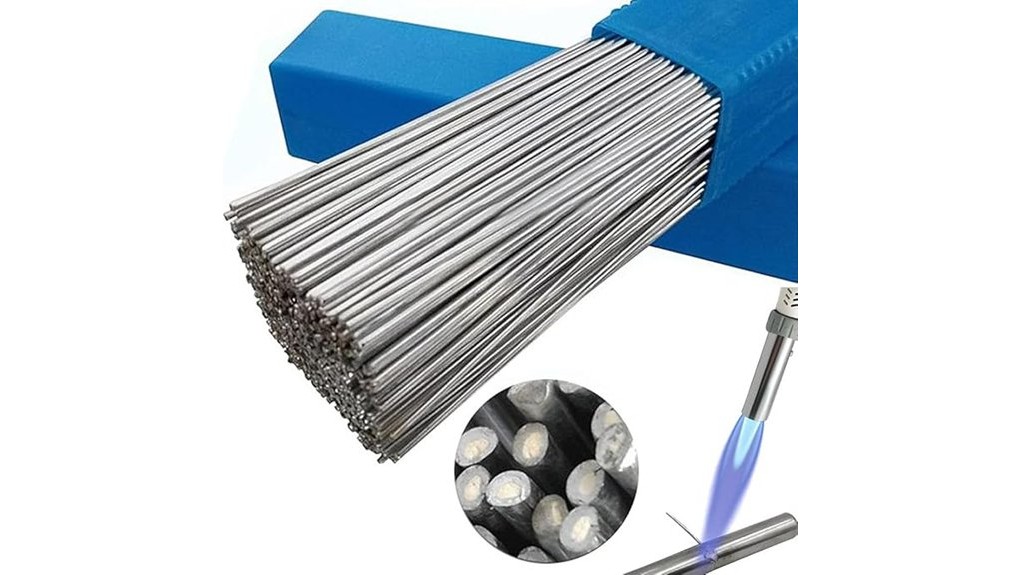
These 1.6mm aluminum welding rods are made for small aluminum repair jobs, light fabrication, and DIY metalwork. The supplied article describes them as flux-free rods with a salt-based coating, strong bonding performance, corrosion resistance, and compatibility with aluminum and aluminum alloys. Because this review uses only the supplied article details, check the current Amazon listing and product manual before buying or welding critical parts.
Verdict
These rods look best for simple aluminum repair work where a thin 1.6mm rod is useful and where the user wants a rod that does not require separate flux powder. The supplied details support broad aluminum use, but they do not confirm a brand, exact package quantity, temperature range, or certified applications.
Key Specs
| Specification | Detail |
|---|---|
| Product Type | Aluminum welding rods |
| Diameter | 1.6mm |
| ASIN | B0CXM83SM3 |
| Flux Requirement | Supplied article says no additional flux powder is needed |
| Coating | Salt-based coating, according to the supplied article |
| Main Materials | Aluminum and aluminum alloys |
| Claimed Benefits | Strong bonding, corrosion resistance, thermal conductivity, electric conductivity, and crack resistance |
| Best Use | Light aluminum repairs, DIY projects, and general metalworking tasks |
What Is This Product?
This product is a set of 1.6mm aluminum welding rods. The supplied article describes them as rods designed for aluminum and aluminum alloy work. It also says they use a coating that removes the need for separate flux powder.
The 1.6mm size makes these rods suited to smaller joints, thin repair areas, and detail work where a larger rod may add too much filler. For structural, pressure-bearing, automotive safety, or aerospace work, confirm the product specifications and follow the correct welding standard before use.
Who It Is For
These rods are for hobby welders, repair users, and DIY metalworkers who need a simple filler rod for aluminum repair tasks. They may also suit small workshop jobs where ease of use is more important than advanced process control.
They are also a practical option for users who want a flux-free setup based on the supplied article details. That can reduce setup steps and make small repairs easier to manage.
Who Should Skip It
Skip these rods if you need verified industrial certifications, a confirmed alloy grade, or full technical data before purchase. The supplied article does not provide the rod alloy number, package count, tensile strength, working temperature, or exact compatible welding process.
You should also skip them for safety-critical work unless the current product listing, manual, or manufacturer data clearly confirms that use. Aluminum repairs can fail if the wrong filler, heat, surface prep, or process is used.
Key Features
1.6mm Rod Diameter
The 1.6mm diameter is useful for smaller aluminum repair jobs. It gives the user more control than a thicker rod on light workpieces and narrow joints.
No Extra Flux Powder Needed
The supplied article says these rods do not require additional flux powder. That can simplify the process and reduce the number of materials needed at the bench.
Designed for Aluminum and Alloys
The article describes the rods as suitable for aluminum and aluminum alloys, including aluminum-magnesium combinations. Always check the current listing and manual for exact alloy compatibility before welding.
Corrosion and Crack Resistance
The supplied article claims corrosion resistance and resistance to cracking. These are useful traits for repair work, but real results still depend on surface cleaning, heat control, joint design, and the base metal.
Real-World Use
For small repairs, these rods may help with cracked aluminum parts, light brackets, thin panels, and general workshop fixes. The surface should be clean before welding. Remove oxidation, oil, paint, and dirt from the joint area.
Aluminum transfers heat quickly, so heat control matters. Work slowly, avoid overheating thin material, and test on scrap when possible. Let the welded area cool naturally unless the product instructions say otherwise.
The supplied article mentions use in automotive, aerospace, industrial repairs, and DIY projects. Treat those as broad application examples, not confirmed approvals. For regulated or load-bearing work, use a verified filler rod and process that matches the job requirements.
Performance of Aluminum Welding Rods
The supplied article describes the performance of these aluminum welding rods as focused on efficient bonding and clean weld quality. It also says the rods provide strong bonds in aluminum and aluminum alloys.
These rods are presented as a simple aluminum repair option with a 1.6mm diameter and no separate flux powder requirement.
The article also mentions thermal conductivity, electric conductivity, and corrosion resistance. Those traits can support better results, but the final weld depends heavily on prep work and welding technique.
Versatility in Welding Applications
The supplied article says these rods can be used with aluminum, cast aluminum, stainless steel, and aluminum alloys. Since stainless steel compatibility is not fully supported with detailed specifications in the article, verify the current listing before using these rods on non-aluminum metals.
The safest use case is general aluminum repair. For mixed-metal bonding, structural parts, or high-stress joints, check the product manual and test the material first.
Advantages of Using Aluminum Welding Rods
The main advantage is simplicity. The supplied article says these rods do not need extra flux powder, which can make setup easier for beginners and occasional users.
The rods are also described as durable, nontoxic, corrosion resistant, and resistant to cracking. These are useful qualities for repairs, but the article does not provide independent test data or exact material standards.
Pros and Cons
Pros
- 1.6mm diameter is useful for small aluminum repair work
- Supplied article says no extra flux powder is needed
- Described as suitable for aluminum and aluminum alloys
- Claimed corrosion resistance and crack resistance may help with repair durability
Cons
- Brand, package count, and alloy grade are not confirmed in the supplied article
- No verified rating or buyer review themes were available from the supplied HTML
- Compatibility claims should be checked before use on stainless steel or critical parts
Is It Worth the Price?
These rods may be worth considering if you need a simple 1.6mm aluminum repair rod and want to avoid using separate flux powder. The best value comes from small repairs where buying a more complex welding setup is not necessary.
Before buying, compare the current listing details with your project needs. Check the quantity, rod length, compatible metals, required heat source, and any safety instructions shown on the product page.
Alternatives
For context, you may also compare these rods with similar products such as Bernzomatic aluminum brazing rods, Blue Demon aluminum TIG rods, and Hobart aluminum welding rods. These alternatives are mentioned only for comparison and are not linked here.
Frequently Asked Questions
How Do I Store Aluminum Welding Rods Properly?
Store aluminum welding rods in a cool, dry place. Keep them away from moisture, oil, dirt, and other contaminants. Good storage helps reduce oxidation and protects the rod surface before use.
Can These Rods Be Used for Outdoor Welding?
They may be used outdoors if the work area is safe, dry, and protected from wind and contamination. Avoid welding in rain or on wet metal. Moisture can affect weld quality and safety.
What Safety Gear Is Recommended for Using Welding Rods?
Wear welding gloves, eye protection, a proper welding helmet or face shield, and flame-resistant clothing. Work in a well-ventilated area and keep flammable materials away from the welding area.
Are These Rods Suitable for Beginners?
The supplied article describes these rods as easy to use, which may make them suitable for beginners. New users should practice on scrap aluminum first and follow the product instructions closely.
How Do I Clean the Welded Surface After Use?
Let the welded area cool safely, then clean the surface with a suitable wire brush or approved solvent. Remove residue and inspect the joint. Use a brush that is dedicated to aluminum to avoid cross-contamination.
Can I Use These Rods on Stainless Steel?
The supplied article mentions stainless steel compatibility, but it does not provide detailed technical support for that claim. Verify the current Amazon listing or product manual before using these rods on stainless steel.
Final Verdict
These 1.6mm aluminum welding rods are a simple option for light aluminum repair work. The strongest points in the supplied article are the flux-free use, small rod diameter, corrosion resistance, and claimed compatibility with aluminum and aluminum alloys.
They are best treated as a practical DIY repair product, not a verified industrial filler rod. Check the current listing, package details, and safety instructions before buying, especially if the repair is structural or safety-related.