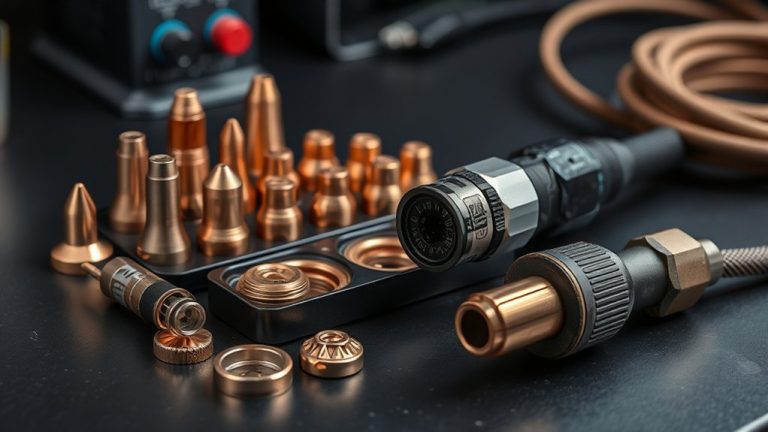
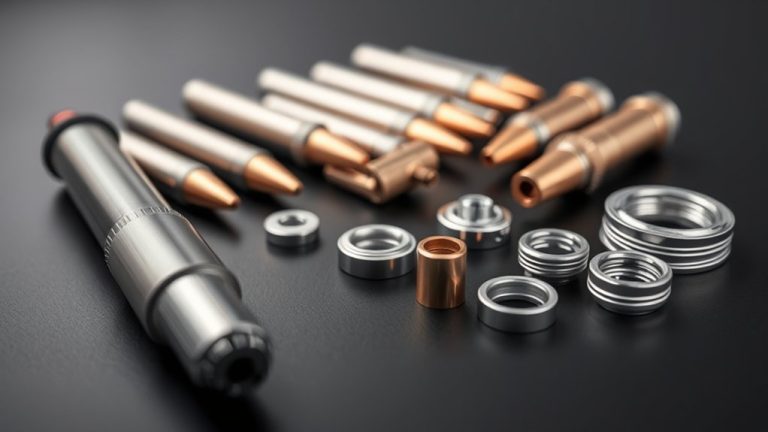
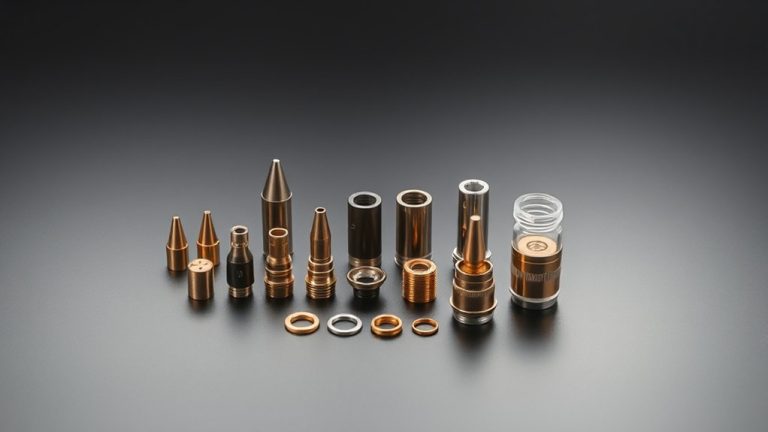
You might assume plasma cutter consumables swap freely, but they rarely do. Torch design, amperage rating, and manufacturer standards all dictate fit and performance. Using mismatched nozzles, electrodes, or shields causes arc instability, poor cut quality, and premature wear. OEM-matched parts protect duty cycle and safety compliance. You need to match by torch model and rating, verify geometry, and confirm gas and coolant requirements before your next cut exposes a costly mistake.
Quick Answer
- Plasma cutter consumables are not universally interchangeable. Each part must match your specific torch model, amperage rating, and ignition type.
- Mixing brands or torch families risks double-arcing, arc instability, and premature wear.
- Always cross-reference OEM part numbers, compatibility charts, and your torch manual before buying replacements.
- Aftermarket “direct-fit” parts can work, but you should verify them against the manufacturer’s compatibility guide and check warranty terms first.
- Replace consumables at the first signs of orifice enlargement, deep electrode pitting, or increased dross.
What Are Plasma Cutter Consumables?
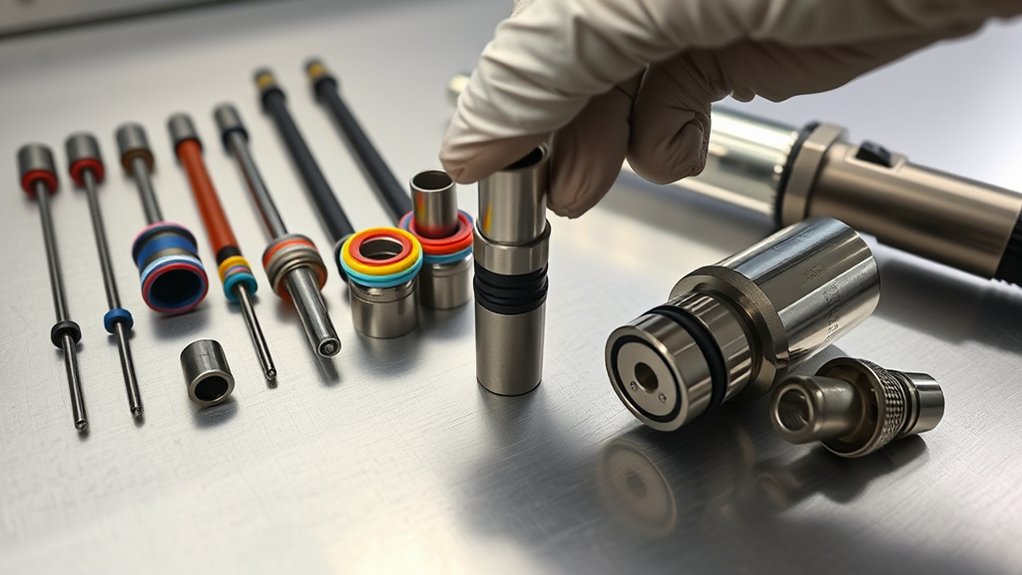
Consumables are the wear parts that let a plasma cutter generate and shape its arc. You rely on these replaceable components to start, stabilize, and focus the plasma stream.
The core consumables include the electrode (starts the arc and transfers current), nozzle (shapes the orifice and constricts the jet), swirl ring (controls the gas vortex), retaining cap (holds the assembly together), and shield cap (protects the tip and sets standoff). Each part has a defined role and a tight tolerance window.
Electrode, nozzle, swirl ring, retaining and shield caps—each with precise roles and tight tolerance windows.
Service life varies. Electrodes and nozzles typically last 1 to 3 hours under continuous duty. Shields, retaining caps, and swirl rings usually last longer.
Follow these maintenance tips: inspect orifices for erosion, measure standoff, verify gas quality and flow, and replace parts at the first signs of double-arcing, kerf widening, or increased dross.
Only use parts that match your system’s specifications and duty cycle ratings. Similar-looking items may seem like they fit, but they are not universally compatible.
Document part numbers and replacement intervals so you can repeat good results.
How Plasma Cutters and Torches Influence Compatibility
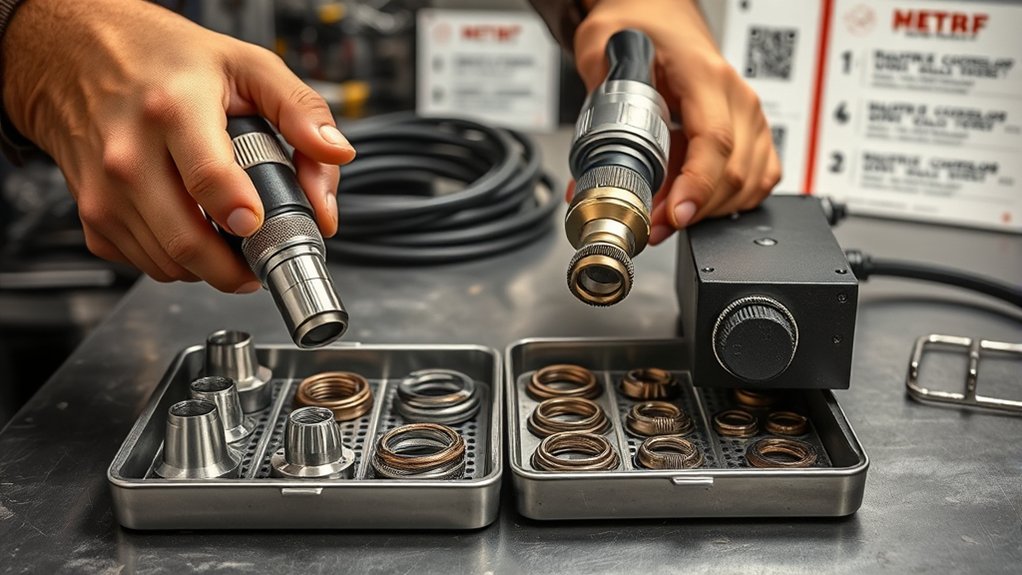
Even when part numbers look similar, the plasma cutter and torch you pair them with ultimately determine compatibility. You must align consumables with the cutter’s model, output range, and torch design.
Amperage rating is critical. Match nozzle and electrode ratings to the machine’s specified current to avoid misfires, double-arcing, or premature wear.
Manufacturer differences matter too. Proprietary interfaces, collet geometries, and swirl ring dimensions lock consumables to specific torches. Minor dimensional or material deviations in o-ring diameter, seating depth, or insulator composition can shift arc constriction, disrupt cooling, and damage the torch or power supply.
Don’t assume look-alike parts fit. Tolerances are tight, and airflow paths are engineered per torch design. Verify torch model codes, connector type, gas flow spec, and duty cycle against the cutter’s manual and the consumable catalog.
Follow manufacturer guidelines for amperage range, standoff method, and gas pressure. When in doubt, use approved cross-references or OEM kits from sources aligned with American Welding Society standards to maintain performance and safety.
Types of Consumables and Their Functions
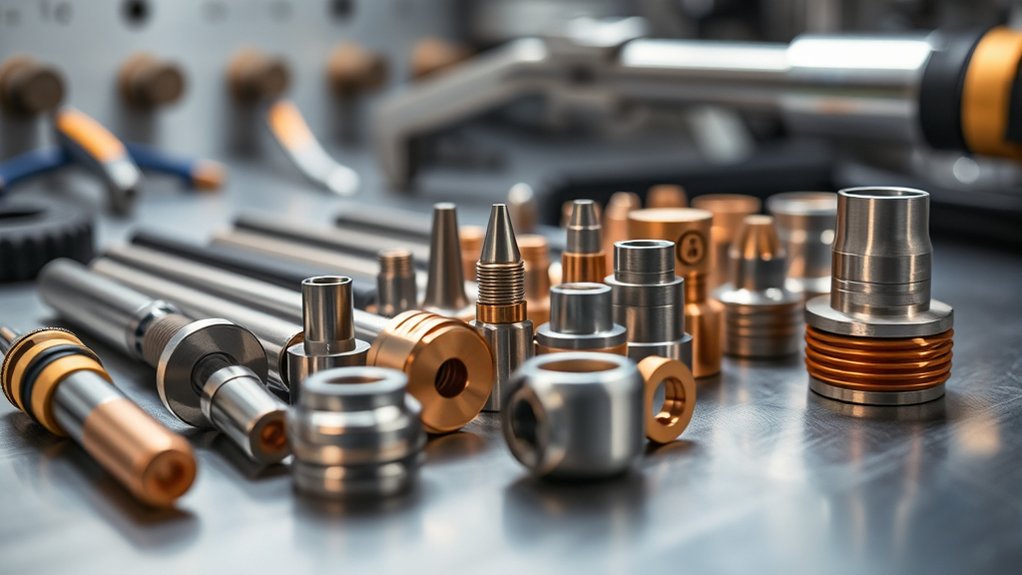
While models differ, every plasma torch relies on a core set of consumables: electrodes, nozzles, swirl rings, shield caps, and retaining caps. Each one plays a defined role in arc formation and control.
You select electrode types based on current range and gas. The electrode emits electrons to start and sustain the plasma column. Nozzle designs govern orifice diameter, constriction, and gas velocity, focusing and accelerating the jet to set kerf width and cut speed.
Swirl rings meter and spin the plasma gas, centering the arc, stabilizing attachment, and improving thermal efficiency. Shield caps create a protective gas envelope and physical barrier, limiting spatter impact and thermal shock on the nozzle. This extends service life and maintains edge quality.
Retaining caps align and clamp the stack-up, preserving electrode-to-nozzle concentricity and proper gas passages. Verify part identifiers and dimensional specs against your torch documentation to confirm correct fit, cooling paths, and gas routing.
Interchangeability: What Can and Cannot Be Swapped
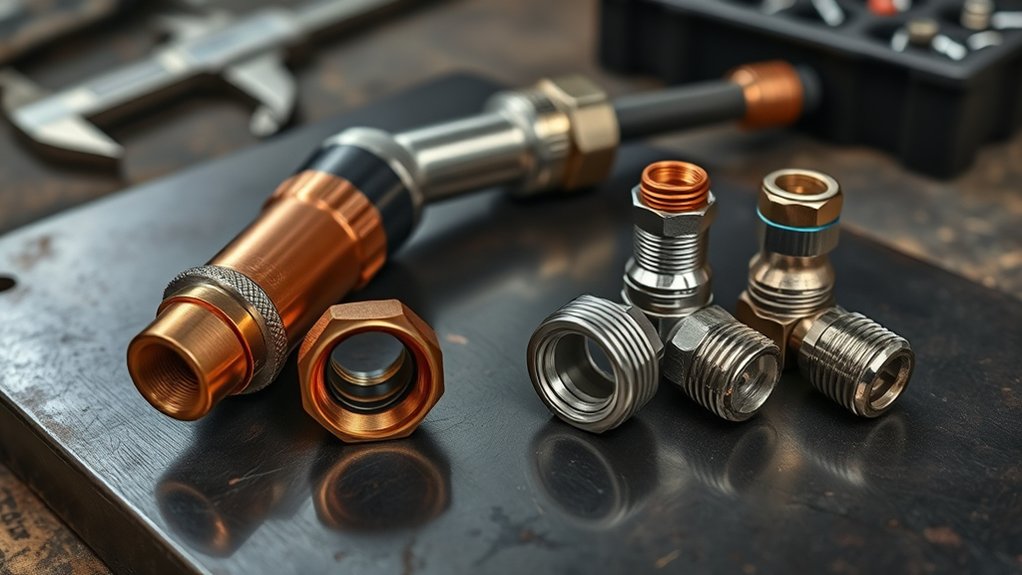
Before you swap parts across torches, treat compatibility as a hard requirement tied to torch model, interface, and amperage class. You can’t assume components are interchangeable just because electrodes or nozzles look alike.
Design geometry, cooling paths, gas flow, and thread forms differ by brand and torch family. These differences create real compatibility issues that affect arc stability, cut quality, and consumable life.
- What’s generally safe: OEM-matched electrodes, nozzles, and shields for the exact torch model and amperage rating. These preserve flow dynamics and electrical contact.
- What’s risky: Mixing brands or torch series. Slight dimensional shifts cause double-arcing, blowback erosion, and rapid wear.
- What’s conditional: Aftermarket kits labeled “direct-fit” for your torch. Validate part numbers against the manufacturer’s compatibility guide and warranty terms.
- What’s not swappable: Parts between drag and mechanized variants, different gas or coolant schemes, or different interface types (threaded vs. bayonet).
Use OEM consumables when possible. When in doubt, confirm with the manufacturer’s published compatibility tables.
OEM vs. Aftermarket Consumables
One of the most common questions is whether aftermarket consumables work as well as OEM parts. The short answer: it depends on the supplier and the part.
OEM consumables are manufactured to the exact tolerances your torch was designed around. They guarantee proper fit, cooling, and gas flow. Aftermarket parts can save money, and some reputable suppliers produce components that meet or approach OEM specs.
However, not all aftermarket brands are equal. Lower-quality options may use softer copper alloys, less pure hafnium inserts, or slightly off dimensions. These small differences can shorten consumable life, degrade cut quality, or void your warranty.
If you go aftermarket, choose suppliers that publish dimensional specs and material certifications. Cross-reference their part numbers against the OEM compatibility chart. And always test a new brand on scrap material before committing to a production run.
Identifying Compatible Parts by Model and Amperage
Start by matching the exact torch model so consumables align with the torch design and brand standards.
Verify the consumable’s amperage rating against the cutter’s specified output range to maintain cut quality and prevent damage.
Finally, check the ignition type (HF start vs. blowback) to guarantee electrode, nozzle, and retaining cap compatibility.
Match Torch Model
Because plasma cutter consumables aren’t universal, you need to match parts by torch model and machine amperage for correct fit and performance.
Start with torch specifications and note model variations that change swirl ring geometry, nozzle orifice, and electrode design. Manufacturer guides map exact part numbers to torch families. Use them to avoid misfits that cause arc instability, double-arcing, and rapid wear.
1) Identify the torch make, model, and connector style. Record the serial or revision number if listed.
2) Cross-reference the torch’s illustrated parts list. Select electrodes, nozzles, shields, and rings by the specified series.
3) Confirm the consumable’s duty rating aligns with the machine’s output range to maintain stable arc density.
4) Inspect physical cues like seat depth, thread pitch, and o-ring placement to verify mechanical compatibility before installation.
Using precise matches preserves cut quality and tool life.
Verify Amperage Rating
Why does amperage matter? Because plasma cutter consumables are engineered for specific current ranges. Each model lists a rated output. Your nozzle, electrode, and swirl ring must match that amperage to maintain arc stability, cooling capacity, and nozzle orifice integrity.
Mismatched parts create amperage discrepancies that cause oversized kerfs, double arcing, rapid erosion, and thermal stress. These are classic compatibility challenges.
Verify the machine’s nameplate and manual for the rated and duty-cycle amperage. Cross-reference the consumable kit’s stated amp range (e.g., 30 to 40 A, 60 to 65 A).
If your cutter operates at 45 A, don’t install 60 A tips or 30 A electrodes. Both degrade performance and risk component damage. Before purchasing, validate part numbers and amp windows in the manufacturer’s specifications.
Match model, then match amperage. Consistent compliance ensures reliable, efficient operation.
Check Ignition Type
How do you confirm consumable compatibility beyond amperage? Start by verifying ignition types. Plasma cutters typically use high-voltage (HV, pilot arc) or blowback start. Each ignition system dictates torch design, electrode geometry, and swirl ring configuration. Mixing consumables across ignition types can cause hard starts, double-arcing, or rapid wear.
Cross-check the torch model, brand, and rated amperage against the manufacturer’s chart to validate ignition compatibility and part numbers.
- Identify your torch: Note the model, series, and manufacturer. Check the manual for HV or blowback designation.
- Match consumables to ignition type: Select electrodes, nozzles, swirl rings, and retaining caps specified for that start method.
- Verify amperage rating: Align nozzle/orifice size and electrode spec with your machine’s output.
- Confirm with OEM documentation: Use compatibility tables, exploded views, and approved kits.
Signs You Need to Replace Consumables
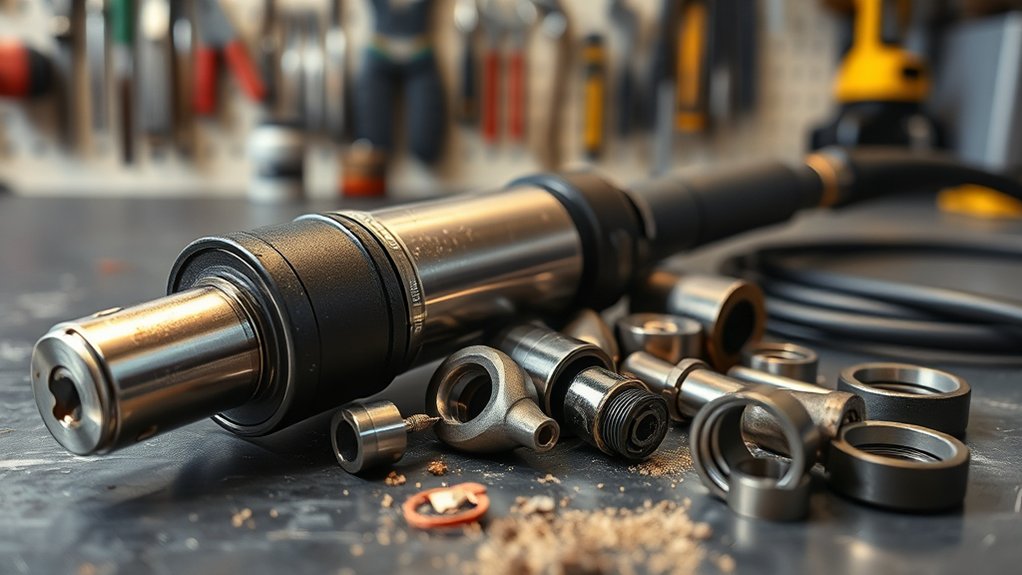
Monitor your nozzle orifice diameter. Enlargement means gas flow is distorted and cutting efficiency is dropping. That nozzle needs replacing.
Inspect electrode pit depth regularly. Excessive pitting signals depleted hafnium and coming arc instability.
Replace these consumables promptly to maintain start reliability, straight kerfs, and compliance with OEM duty-cycle specifications.
Enlarged Nozzle Orifice
Although small at first, an enlarged nozzle orifice quickly degrades plasma arc focus and velocity. This reduces cut quality and efficiency.
You’re seeing nozzle wear that directly impacts cutting efficiency, consumable life, and operating cost. Inspect the orifice diameter against the OEM spec. When it exceeds tolerance, replace the nozzle to restore arc constriction and kerf precision. Delaying replacement risks collateral damage and downtime.
- Visual cues: Widened orifice, ovalization, rough kerf edges, dross buildup, and increased taper beyond normal limits.
- Arc indicators: Unstable arc, sluggish pierce, slower travel speeds, and a faint green glow that signals copper erosion.
- Metrology: Verify diameter with pin gauges or a microscope. Compare to the manufacturer’s maximum wear limit.
- Maintenance action: Replace the nozzle, confirm correct amperage/nozzle size pairing, recalibrate gas pressure and flow, and log wear intervals to prevent recurrence.
Deep Electrode Pitting
Deep electrode pitting signals end-of-life for the electrode and an immediate need for replacement. If pit depth exceeds 1/16 inch, you’ll see arc instability, tapering kerfs, and reduced cut speed. Replace the electrode to protect nozzle geometry, maintain quality, and control operating costs. Routine inspections support electrode longevity and pitting prevention, preserving system precision and consumable life.
| Indicator | Threshold/Action | Impact if Ignored |
|---|---|---|
| Pit depth | > 1/16 in, replace | Erratic arc, poor edge quality |
| Arc behavior | Hesitation or wandering | Dross, bevel, rework |
| Cut metrics | Slower speed, higher amperage draw | Increased cost per part |
| Nozzle wear | Accelerated erosion | Torch damage risk |
Document pit measurements, amperage, and hours run. Standardize inspection intervals and swap consumables as a matched set when warranted.
Best Practices for Installing and Maintaining Consumables
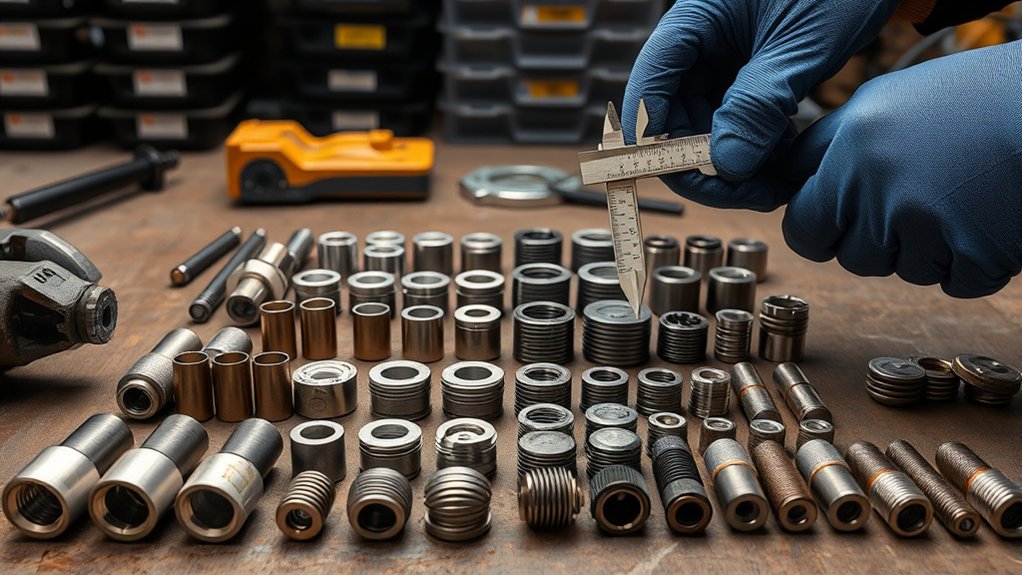
While consumables seem straightforward, disciplined installation and maintenance keep the plasma system within spec and extend service life. Use these installation tips and maintenance routines to control variables, preserve cut quality, and prevent premature wear.
- Verify fit: Match electrode, nozzle, shield, and swirl ring to your torch model and amperage. Cross-check part numbers. Mixed brands or torch families can misalign arc geometry.
- Inspect seals: Examine o-rings for nicks, flattening, or hardening. Lightly lubricate if specified by the OEM and replace worn seals to stop air leaks that destabilize the plasma column.
- Control torque: Seat parts by hand. Avoid overtightening threads or retaining caps, which distorts orifices, crushes insulators, and degrades starting reliability.
- Clean and gauge: Remove spatter and debris from the torch body and cap. Monitor electrode pit depth and nozzle orifice growth. Replace at published limits to maintain kerf quality and pierce performance.
Document part changes, hours, and cut parameters. A simple log tightens intervals, predicts replacements, and keeps your process repeatable.
Where to Get Reliable Compatibility Information and Support
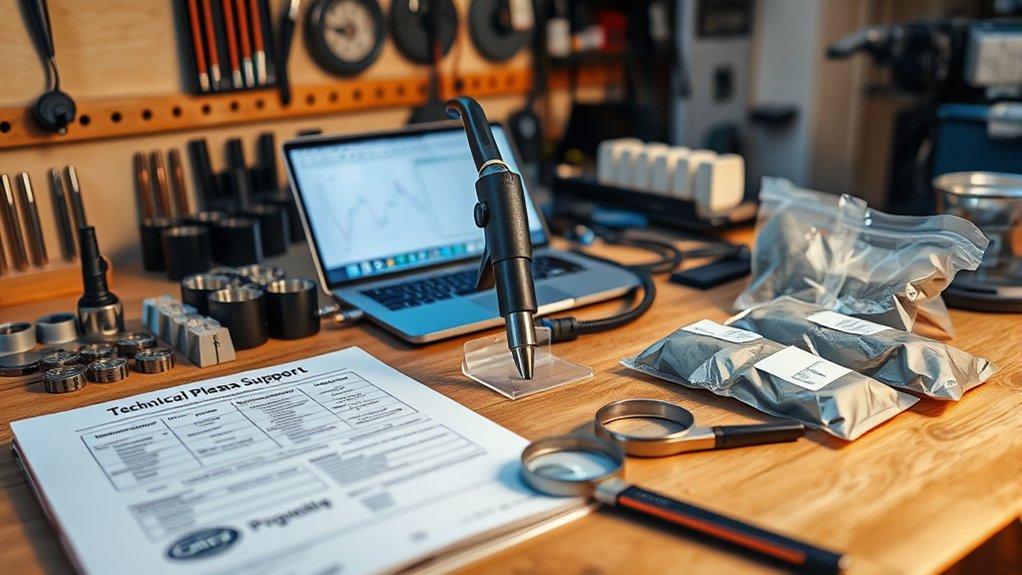
Where do you get definitive answers on consumable fit? Start with manufacturer resources. Your user manual specifies torch model, electrode/nozzle series, amperage ranges, gas types, and part numbers.
Cross-check those identifiers on the OEM website. Most host compatibility charts, bill-of-materials breakdowns, and engineering notes. Use their online tools like model selectors, exploded views, and part cross-references to validate kits and individual items.
Cross-check identifiers on the OEM site using charts, BOMs, and cross-references to validate every kit and part.
If anything’s unclear, contact technical support. Provide the torch SKU, serial number, and current process parameters. Request written confirmation of compatible consumables and approved alternates. Document firmware or torch-revision dependencies.
Leverage professional distributors and local welding supply stores. Knowledgeable counter staff can match consumables by torch family and duty cycle, and flag counterfeit or misfit parts. Ask them to verify stock against OEM part numbers.
Round out your research with user communities and forums. Seek field feedback on wear life and cut quality for specific combinations, then compare anecdotal advice with official data before purchasing.
Frequently Asked Questions
Do Aftermarket Consumables Void Torch or Machine Warranties?
They can. Using aftermarket consumables may void torch or machine warranties depending on the manufacturer. Review OEM warranty terms carefully. Maintain documentation, verify aftermarket quality, confirm ISO/IEC conformity, match part numbers, and record operating parameters to support compliance and reduce the risk of warranty denial.
Can Mixed-Brand Consumables Meet OSHA and CE Safety Requirements?
Yes, but only if each component independently meets OSHA and CE directives. You must verify markings, declarations of conformity, material specs, and electrical ratings. Mixed-brand safety depends on documented compliance standards, validated testing, and maintaining manufacturer-specified assemblies.
How Does Ambient Humidity Affect Consumable Lifespan and Performance?
Ambient humidity shortens consumable lifespan and degrades arc stability. Moisture causes gas contamination, micro-arcing, and oxide formation. You should implement humidity controls: dry air supply, desiccant dryers, purge protocols, sealed storage, and routine consumable maintenance per manufacturer guidelines and ISO 8573 compressed air quality standards.
What Travel Speed Changes Indicate Incorrect Consumable Selection?
If travel speed must slow significantly to maintain cut quality, or you outrun arc stability, your consumable selection is wrong. You’ll see increased dross, bevel, arc blowout, and kerf widening that require corrective speed adjustments.
Are There Compatibility Risks When Using CNC Torch Height Control?
Yes. You risk incompatibilities if torch height control parameters don’t match the plasma system’s specs. Misconfigured voltage sampling, pierce delay, or arc transfer signals degrade cutting accuracy. They can also cause nozzle crashes, erratic arc behavior, and premature consumable wear. Verify interface standards before running.
Conclusion
You want plug-and-play, but your torch demands precision. One nozzle off-spec, and cut quality drops. One OEM-matched set, and kerf stays tight. Mixing brands feels convenient, but matching by torch model and amperage preserves arc stability. Guesswork risks double-arcing and blowbacks. Spec-verified parts keep electrodes cool and swirl rings intact. Skipping manuals speeds setup, but consulting charts prevents misfires. Verify torch model, amperage, and part numbers. Inspect fit and orifices. Install per standards. That’s how you get reliable cuts with minimal downtime.