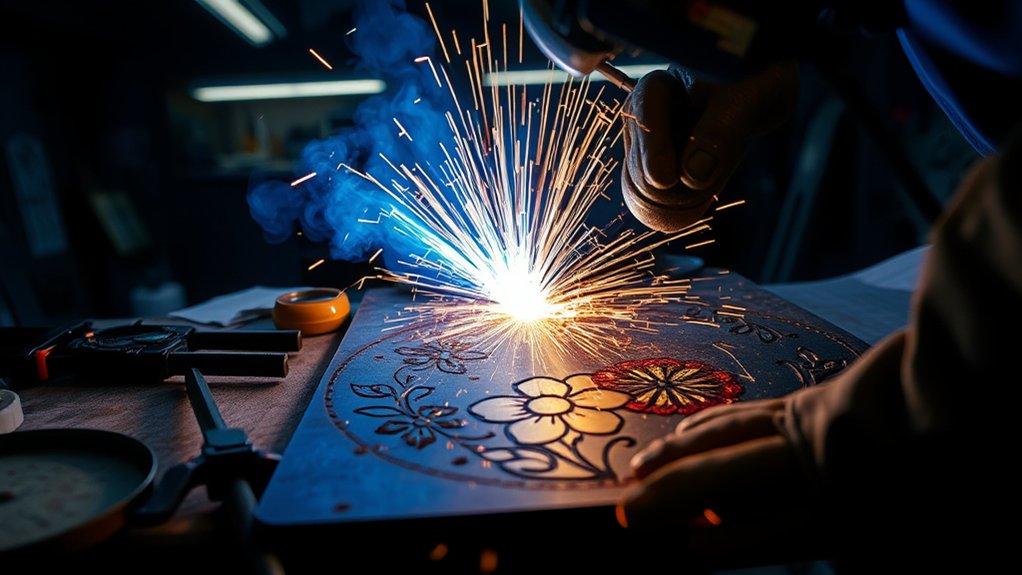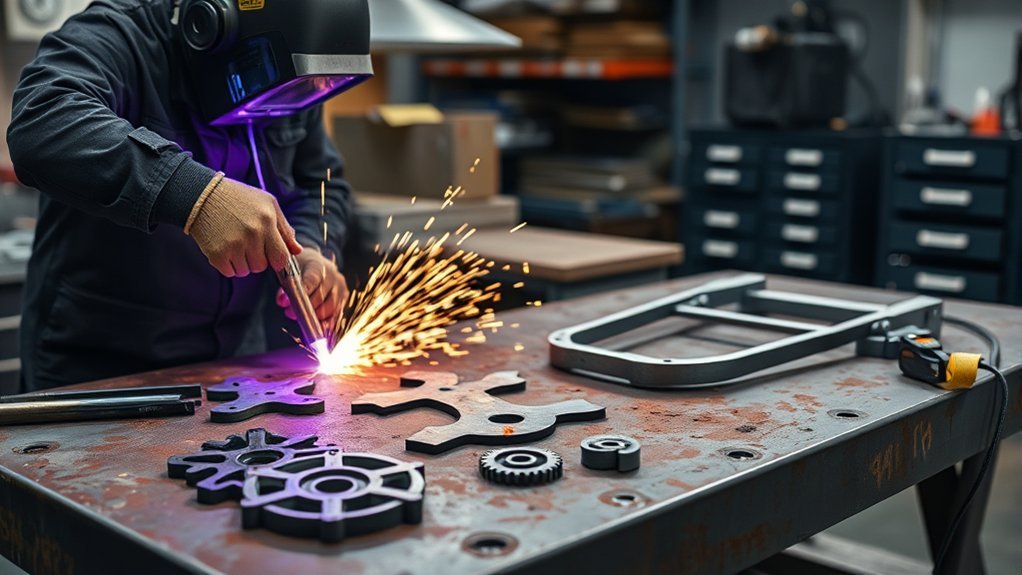
You’ll use a plasma cutter when you need fast, clean cuts on conductive metals such as mild steel, stainless steel, aluminum, copper, or brass. A good setup comes down to matching amperage, air pressure, torch height, travel speed, and consumables to the metal and thickness. Plasma cutting works well for fabrication, auto repair, construction, HVAC ductwork, art, and home-shop projects, but it is still hot work that requires grounding, PPE, ventilation, and fire control.
Quick Answer
Plasma cutters are used to cut electrically conductive metals quickly and accurately. Common uses include CNC fabrication, brackets, gussets, auto body panels, exhaust parts, structural plate, pipe fitting, HVAC ductwork, signs, sculptures, gates, and DIY metal projects. The best results come from dry air, correct amperage, steady torch height, and proper safety controls.
Key Takeaways
- Plasma cutting works on conductive metals, not wood, plastic, glass, masonry, or insulated materials.
- CNC plasma is best for repeatable parts, while hand plasma is best for repair, trimming, field work, and fast shop cuts.
- Cut quality depends on the manufacturer cut chart, consumable condition, air quality, torch height, travel speed, and work clamp contact.
- Treat plasma cutting as hot work: control sparks, remove combustibles, ventilate fumes, protect your eyes, and keep fire suppression nearby.
At a Glance
| Best Materials | Mild steel, stainless steel, aluminum, copper, and brass |
| Common Uses | Fabrication, repair, brackets, panels, pipe, ductwork, signs, art, and DIY metal projects |
| Not For | Wood, plastic, glass, masonry, painted parts without fume control, closed containers, or fuel-contaminated parts |
| Safety Baseline | Eye and face protection, gloves, flame-resistant clothing, hearing protection, ventilation, grounding, and fire control |
Warning: Plasma cutting throws sparks, produces intense arc light, and can create hazardous fumes. Before cutting, remove or shield combustibles, keep a suitable extinguisher nearby, use proper PPE, and follow your cutter manual plus applicable hot-work rules such as OSHA 1910.252. Do not cut sealed containers, fuel tanks, or fuel-contaminated parts unless they have been professionally cleaned, vented, and approved for hot work.
Understanding CNC Plasma Cutting
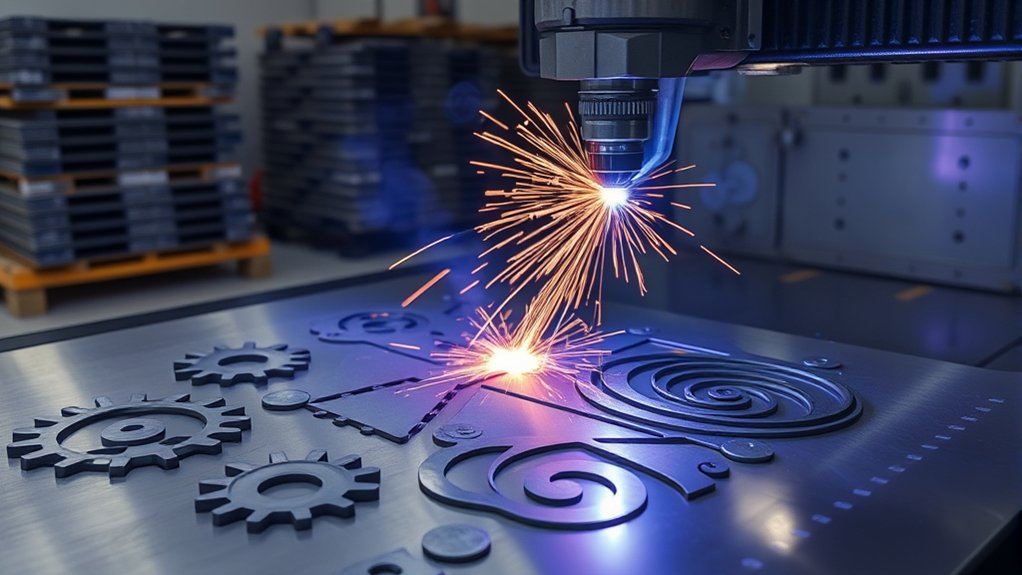
CNC plasma cutting turns a digital design into a controlled toolpath. You start with a CAD file, use CAM or nesting software to create cut paths, then send machine code to the CNC controller. The controller moves the torch while the plasma arc melts the metal and a high-speed gas stream blows the molten material out of the kerf.
You rely on CNC control when you need repeatable brackets, plates, panels, signs, or production parts. The table can control motion, pierce delay, lead-ins, kerf compensation, and torch height. That improves repeatability, but it does not replace setup. Worn consumables, wet air, poor grounding, incorrect standoff, and warped stock can still create bevel, dross, missed cuts, or inconsistent holes.
Before each run, check the work clamp, torch leads, cable routing, consumables, air pressure, air dryness, and material flatness. Run a dry pass when the part is complex or when clamps, slats, or raised scrap could create a collision.
For safety, secure the workpiece, protect nearby workers from arc glare, use proper eye and face protection, and control fumes with ventilation or local exhaust. OSHA lists minimum protective filter shades for plasma arc cutting, but your helmet or face shield should match the actual amperage and visibility of the arc.
Manual vs. CNC Plasma Cutting
A manual plasma cutter is the better choice for repair work, trimming, demolition cuts, field fabrication, and one-off parts. You guide the torch by hand, often with a straightedge, circle guide, drag shield, or template. Manual cutting is flexible, but cut quality depends heavily on your hand speed and standoff.
A CNC plasma table is better when you need repeatable shapes, nested parts, tight layout control, and consistent production. It is common in fabrication shops, sign shops, HVAC shops, and small manufacturing. CNC also helps reduce material waste because you can nest multiple parts on one sheet.
Use manual plasma when speed and access matter most. Use CNC plasma when shape accuracy, batch consistency, and clean repeatability matter most.
Common Applications in Metal Fabrication
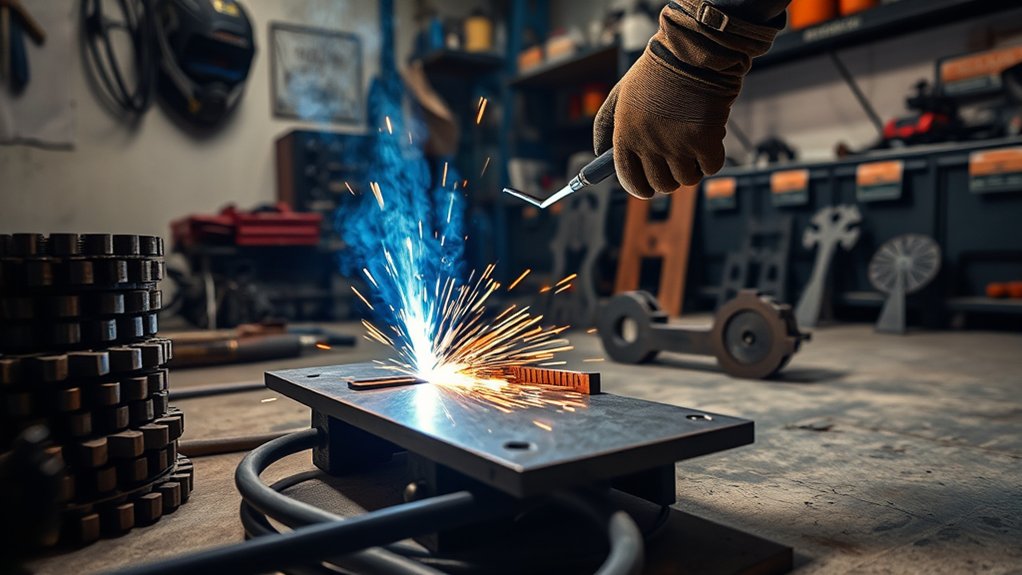
In metal fabrication, plasma cutting is used to cut brackets, gussets, base plates, frames, housings, tabs, flanges, signage blanks, and repair patches. It is especially useful when you need a faster process than sawing or grinding and a lower-cost setup than many laser systems.
You can cut mild steel, stainless steel, aluminum, copper, and brass when the machine is rated for the metal and thickness. For clean results, match amperage, gas or air supply, torch height, pierce delay, and travel speed to the manufacturer’s cut chart.
Plasma cutting is also useful for roughing out parts before welding, shaping reinforcement plates, trimming stock, cutting slots, and preparing parts that will be bent, drilled, or machined later. For precision holes, fine decorative detail, or very tight tolerance parts, you may still need drilling, machining, laser cutting, or waterjet cutting after the plasma operation.
Pro Tip: If the edge shows heavy bottom dross, slow-speed dross, or top spatter, do not guess blindly. Change only one setting at a time: air pressure, travel speed, torch height, amperage, or consumable condition. Test coupons save full sheets.
Products Worth Considering

Fit for: IPT45 IPT53 IPT60 Plasma cutter torch head and Bestarc BTC500XP, BTC650XP, BTC800XP, CUT55XP, CUT60XP, Also fit other Model CUT-65DS PRO CUT-60DS PRO, CUT-55DS PRO

Crafted from high-quality durable materials, copper components offer excellent electrical conductivity and heat resistance, stable for high-frequency, high-intensity cutting. .045"/1.1 aperture ideal for 50-60A current.

Fit for : AG-60 AG-60P SG-55 WSD-60 Plasma cutter torch head
Automotive and Auto Body Repair
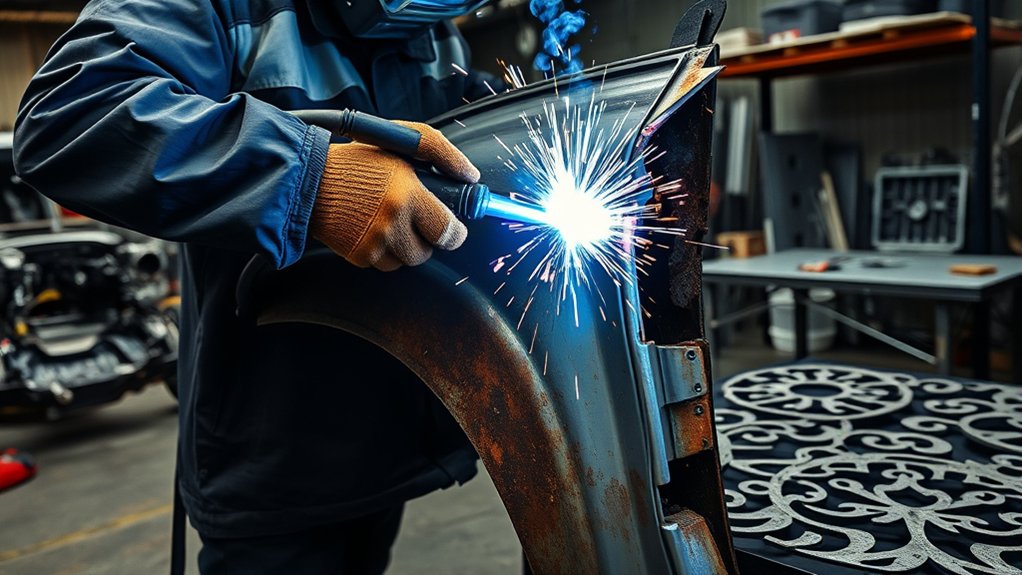
In auto repair, you’ll use a plasma cutter to remove rusted sheet metal, trim patch panels, cut brackets, open seized exhaust sections, and make controlled cuts in chassis or fabrication work. The main goal is speed without spreading too much heat into nearby panels, wiring, glass, fuel lines, trim, or coatings.
Auto work needs extra caution because vehicles contain paint, seam sealer, undercoating, adhesives, fuel residue, plastic clips, wiring, and sound-deadening material. Shield nearby parts, disconnect sensitive electrical components when required by the service information, and keep a fire watch after the cut.
Products Worth Considering

fit SG-55 AG-60 WSD-60 Plasma Cutter Torch
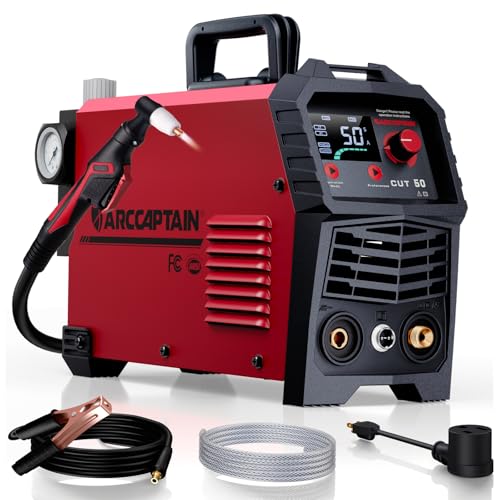
【Powerful Cutting Ability】Switch effortlessly between 110V and 220V for home or workshop use. Achieve professional 1/2" clean cuts on steel, aluminum, and copper with advanced LGBT technology. Perfect for DIY projects and heavy-duty tasks. Recommended maximum cutting thickness: 12mm @ 35A / 110V / 55 PSl; 18mm @ 50A / 220V / 75 PSI. Note: Requires compressed air (compressor sold separately).

CUTTING THICKNESS UP TO 20MM: Featuring a brand-new MCU technology upgrade, the plasma cutter machine has a high degree of internal integration, combining full digitalization for more precise control of cutting parameters such as current and voltage. This results in better cutting effects and improved stability. Cutting thickness: Quality 12mm (1/2"), maximum 20mm (3/4").
Rusted Panel Removal
Even on heavily corroded sheet metal, a properly set plasma cutter can remove damaged sections quickly. Mark cut lines beyond the corrosion margin so you reach solid metal. Test the settings on scrap of similar thickness, then use a straightedge or guide where you need a clean seam.
Keep travel speed steady and avoid dwelling in one spot. Thin auto body steel warps easily, so short cuts, cooling pauses, and careful panel support help preserve shape. Before cutting, clear seam sealer, paint, undercoating, trapped moisture, and nearby flammable material as much as practical.
After cutting, deburr the edge, treat bare metal, check for pinholes or thin spots, and dry-fit the replacement panel before welding. A tight fit reduces weld heat and makes the final repair cleaner.
Custom Bracket Fabrication
Because accuracy affects both fit and strength, you’ll use a plasma cutter to produce custom automotive brackets, tabs, gussets, and reinforcement plates. Start by confirming the bracket material, thickness, load path, bolt size, slot clearance, bend allowance, and finish requirements.
For a one-off bracket, scribe the layout and cut with a guide. For repeatable work, build a CAD file and use a CNC table. Make a test coupon to confirm kerf width and hole size before cutting the final part.
After cutting, deburr edges, chase holes as needed, check flatness, and dry-fit the bracket to the chassis or component. Confirm clearance to belts, steering, suspension travel, exhaust heat, and moving parts before welding or bolting it in place.
Exhaust System Repairs
For exhaust system repairs, plasma cutting helps you section damaged pipe, remove rusted mufflers, trim flanges, open O2 sensor bung holes, and fit replacement tubing. Let the system cool first, then shield nearby wiring, fuel lines, brake hoses, plastic shields, and underbody coatings.
Use a fine-cut setup where available, keep the torch square, and cut just outside your final mark so you can dress the edge. Square the pipe ends, clean the cut edge, test-fit the replacement section, and tack before final welding to maintain alignment and flow.
After assembly, check hanger load, clearance to heat-sensitive parts, and leaks. A clean plasma cut can reduce grinding, but exhaust work still needs careful fit-up to avoid stress cracks and rattles.
Construction and Structural Work
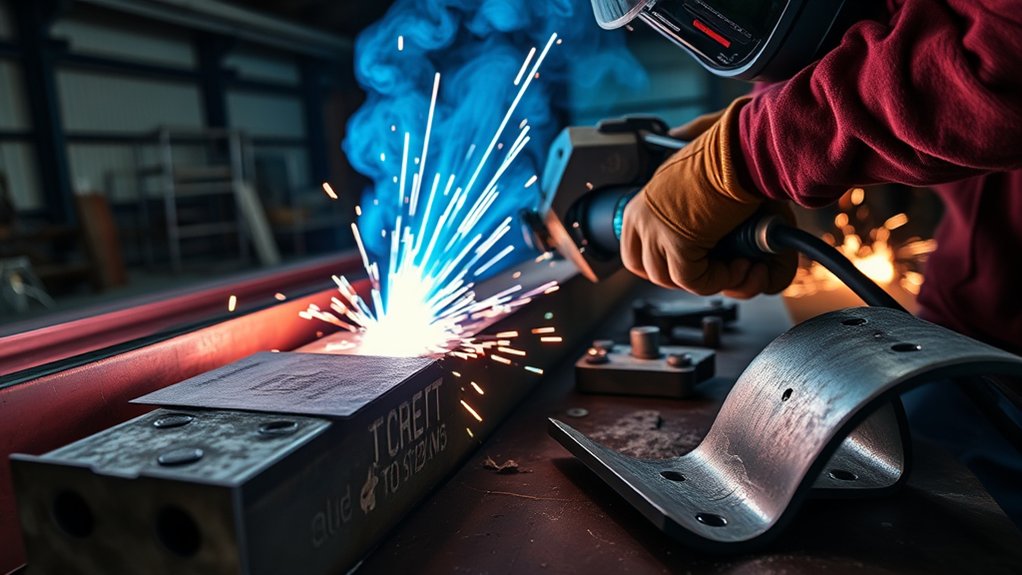
In construction and structural work, a plasma cutter is used to trim beams, columns, base plates, gussets, tabs, pipe, and plate. Portable machines are useful on site because they cut faster than many mechanical methods and can handle shapes that are difficult to saw.
Structural cutting requires layout discipline. Verify the drawing, mark centerlines, brace loose sections, support drop pieces, and keep the cut from damaging load paths or adjacent members. For code work, follow the project specification and have qualified personnel approve any structural modification.
Beam and Column Cutting
On structural jobs, you use plasma cutting to make controlled cuts in beams and columns while protecting alignment and fit-up. Verify measurements twice, mark the cut clearly, and clamp a guide when you need a straight line. Support both sides of the cut so the drop does not bind the torch or tear the final edge.
| Parameter | Best Practice |
|---|---|
| Material | Confirm grade, coating, thickness, and project requirements before cutting |
| Thickness | Use the machine’s rated cut chart and duty cycle, not a generic speed |
| Quality | Check bevel, dross, squareness, and heat-affected edge before fit-up |
Compared with oxyfuel on many steels, plasma can be faster and can leave a narrower heat-affected zone when properly set. Still, final acceptance depends on the job specification, inspection standard, and whether the edge will be welded, bolted, or machined.
On-Site Bracket Fabrication
For on-site bracket work, roll a portable plasma cutter to the work zone only after verifying power, air supply, duty cycle, grounding, and fire control. Map the bracket to the actual load path, mark centerlines, and confirm hole spacing before cutting.
Use dry, regulated air and the correct consumables for the metal. Pierce outside the finished line when possible, use lead-ins to protect the edge, and maintain a steady torch height. If a slot or bolt hole must be precise, cut it slightly undersize and finish it with a drill, reamer, burr, or file.
Deburr lightly, test-fit the part, and verify squareness before installation. Finish with primer, paint, galvanizing repair coating, or another corrosion-control method that fits the job.
Pipe and Plate Fitting
For pipe and plate fitting, plasma cutting helps you create saddles, miters, slots, access holes, bevel starts, and shaped plate edges. Begin with safe power, dry air, correct amperage, and a verified ground clamp. Mark centerlines and use templates for repeatable saddles or pipe intersections.
Hold a steady standoff and travel speed to limit edge bevel and dross. On heavier plate, slow down only enough to complete the cut; moving too slowly can widen the kerf and increase bottom dross. On thin material, move fast enough to avoid excess heat and warping.
After cutting, deburr, check root gaps, verify bevels, and clean the edge before welding. For stainless, galvanized, painted, or coated material, use strong fume control and respiratory protection when required by the hazard assessment.
HVAC and Ductwork Fabrication
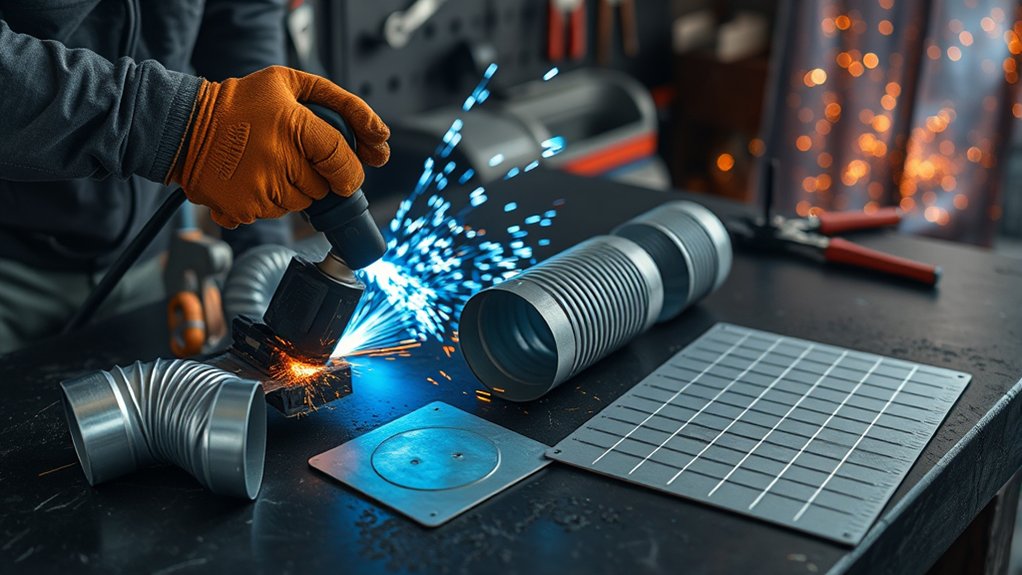
Because HVAC ductwork depends on accurate flat patterns, plasma cutting is useful for galvanized sheet, aluminum duct components, takeoffs, dampers, flanges, access panels, and custom transitions. CNC plasma tables can nest parts from CAD layouts, reduce scrap, and keep repeated duct sections consistent.
For thin sheet, the goal is a clean edge without warping. Use the correct fine-cut consumables when available, reduce heat input, and support the sheet so it does not lift during the cut. Mark bend lines clearly so forming stays accurate after the blank comes off the table.
Galvanized steel and coated metals need extra fume control. Local exhaust ventilation is preferred for removing fumes before they enter the breathing zone, and respirators may be needed when ventilation alone is not enough. Follow your shop’s safety program and the material safety data sheet.
Deburr cut edges before assembly to protect installers and improve seam fit. Check corners, tabs, locks, and flange geometry before bending or joining so airflow performance is not compromised by gaps or misalignment.
Artistic Metalwork and Sculptures
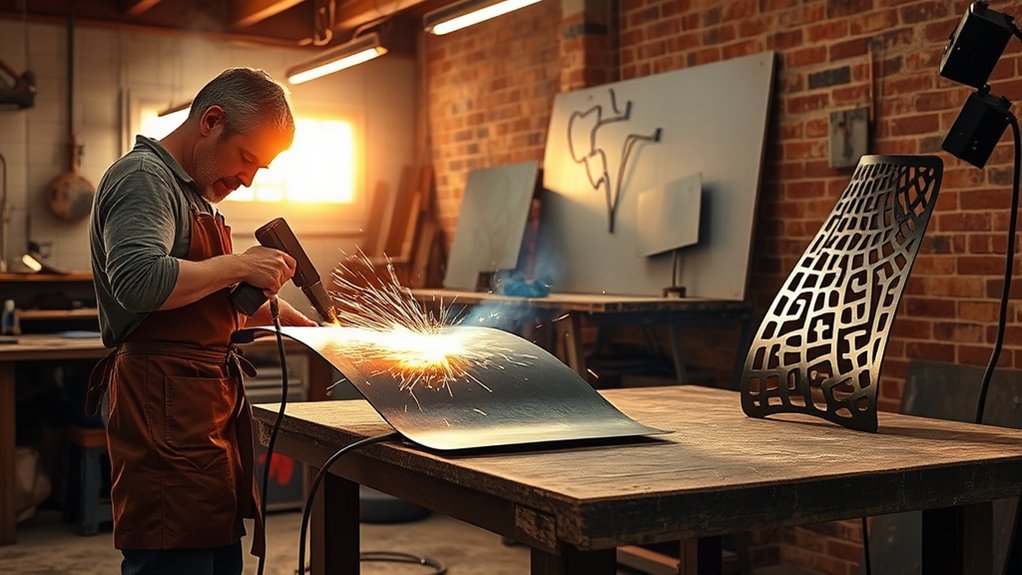
For artistic metalwork, start with a clean vector file and a flat, de-scaled sheet of conductive metal. Stainless, aluminum, mild steel, copper, and brass can all work when the machine and consumables are suited to the material.
Use clean geometry, smooth curves, and properly spaced details. Fine bridges, sharp internal corners, and tiny pierce points can overheat or break loose, so add micro-tabs and sequence cuts from the inside of the design outward. That keeps the sheet stable until the final contour is complete.
For sculptures and layered reliefs, save your cut settings so you can reproduce matching parts later. For large outdoor pieces, stitch-cut long runs and allow cooling pauses to reduce distortion. After cutting, deburr show edges, remove slag, and finish the piece with paint, powder coating, patina, clear coat, or oil based on the metal and display environment.
DIY Projects and Home Workshops
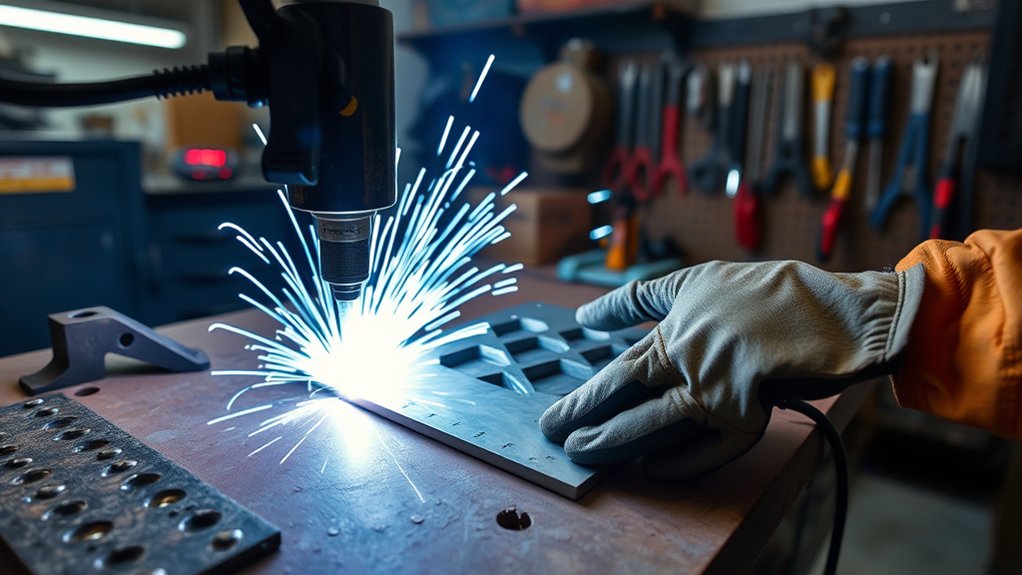
Two priorities define DIY plasma cutting in a home workshop: a controlled setup and a safe work area. Plan the cut, secure the workpiece, connect the ground clamp to clean metal, and keep cords and air lines away from sparks and sharp edges.
A compact plasma cutter can handle brackets, garden art, small gates, furniture frames, trailer tabs, outdoor decor, repair patches, and shop fixtures. Use scribed lines, soapstone, templates, straightedges, and circle guides to improve accuracy. When using a drag shield, follow the torch maker’s instructions for contact cutting and standoff.
Clean metal, dry air, a solid ground, and steady travel speed do more for cut quality than forcing the torch through a bad setup.
After cutting, deburr the edge, confirm squareness, and dry-fit parts before welding or assembly. Keep spare nozzles and electrodes on hand because worn consumables are one of the fastest ways to lose arc stability and edge quality.
Material Compatibility and Thickness Range
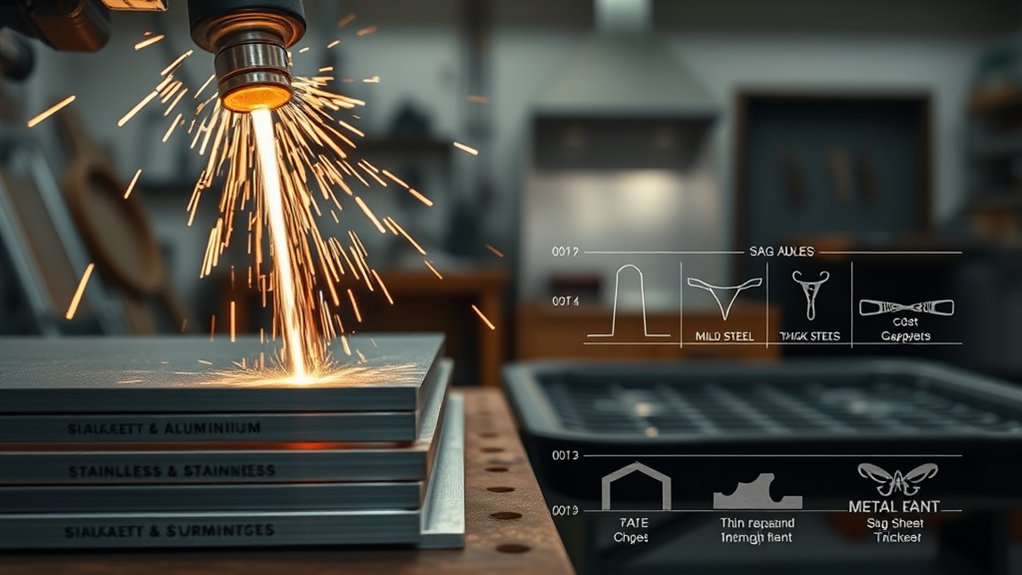
Plasma cutters work on conductive metals. That includes mild steel, stainless steel, aluminum, copper, and brass. They do not cut wood, plastic, glass, concrete, or other non-conductive materials in the same way because the process needs an electrical arc path through the workpiece.
Thickness capacity depends on the machine, input power, duty cycle, torch, consumables, gas or air supply, and cut-quality target. Thin sheet may need fine-cut consumables and fast travel. Thick plate may need more amperage, slower travel, longer pierce delay, and careful duty-cycle management.
Always use the manufacturer’s cut chart as your starting point. A generic amperage or inches-per-minute number can be wrong for your cutter, torch, material, and desired edge quality.
Conductive Metals Only
Material compatibility defines plasma cutting. The arc needs a conductive path through the workpiece, so steel, stainless, aluminum, copper, and brass are common choices. Rust, paint, mill scale, oil, and coatings can reduce cut quality and increase fumes, so clean the cut area when possible.
| Metal | Typical Use Case | Process Notes |
|---|---|---|
| Mild steel | Brackets, frames, base plates, repair parts | Often cuts quickly; watch dross and edge bevel |
| Stainless steel | Food, medical, marine, exhaust, decorative work | Use strong fume control and match gas or air to the desired edge |
| Aluminum | Marine panels, guards, brackets, light frames | Clean oxide and keep travel smooth to reduce edge roughness |
| Copper and brass | Decorative panels, electrical parts, custom art | Heat conductivity can require adjusted settings and test cuts |
Follow PPE basics: a plasma-rated face shield or welding helmet, safety glasses, gloves, flame-resistant clothing, closed-toe footwear, and hearing protection when noise exposure requires it.
Thickness Capabilities Spectrum
Plasma cutting can handle a wide thickness range, but the usable range is not the same for every machine. Small shop units may be best for sheet and moderate plate. Higher-output machines can cut thicker material, but speed, edge quality, pierce capacity, and duty cycle become more important as thickness increases.
Think in three categories:
- Thin sheet: Use lower amperage or fine-cut consumables, faster travel, and good support to limit warping.
- Medium plate: Follow the cut chart closely and watch for dross, bevel, and arc lag.
- Heavy plate: Confirm rated cut, sever cut, pierce capacity, input power, air supply, and duty cycle before starting.
If the machine struggles to pierce the plate, edge-starting may help when allowed by the job. Do not force a cutter beyond its rating; poor arc stability can damage consumables and produce unsafe results.
Material-Specific Cut Quality
Cut quality changes by material. On mild steel, you are often balancing speed, dross, kerf width, and bevel. On stainless, edge color and fume control matter more. On aluminum, oxide and heat conductivity can make the arc feel different from mild steel. On copper and brass, heat conductivity and alloy behavior can require more testing.
Watch these quality clues after a test cut:
- Top spatter: Torch may be too high, speed may be off, or consumables may be worn.
- Heavy bottom dross: Travel speed may be too slow or amperage may not match thickness.
- Excess bevel: Torch height, worn nozzle, direction of cut, or speed may be wrong.
- Uncut sections: Speed may be too fast, air pressure may be low, or the ground may be poor.
Inspect the nozzle, electrode, swirl ring, shield, and air supply before blaming the machine. Moisture and oil in compressed air can shorten consumable life and roughen the edge.
Choosing the Right Settings Before You Cut
Good plasma cuts start before the arc fires. Use the cutter manual and cut chart, then fine-tune with scrap from the same material and thickness.
- Amperage: Match it to thickness and consumables. Too little power can fail to cut through; too much can widen the kerf.
- Air pressure or gas flow: Keep it within the torch maker’s range. Wet, oily, or low-pressure air causes unstable cuts.
- Torch height: Too high creates bevel and arc wander; too low can double-arc or damage consumables.
- Pierce height and delay: Thick material needs enough time to pierce before motion starts.
- Travel speed: Too fast leaves uncut metal; too slow creates dross and extra heat.
- Consumables: Use the correct nozzle, electrode, shield, and swirl ring for the amperage and cut type.
Note: If your cut chart gives separate settings for “best quality,” “production,” and “sever,” use the setting that matches the job. Sever capacity is not the same as clean, weld-ready cut capacity.
When Not to Use a Plasma Cutter
A plasma cutter is not always the safest or best tool. Avoid plasma cutting when the material is not conductive, when the part contains trapped fuel or unknown residue, or when the surrounding area cannot be made fire safe.
Do not use a plasma cutter on sealed containers, drums, tanks, or pipes unless they have been cleaned, vented, tested, and approved for hot work. OSHA warns that hot work on used containers must not be performed until flammable materials and toxic residues have been removed and connections have been disconnected or blanked.
Choose another process when you need extremely small holes, tight aerospace-level tolerances, no heat-affected edge, or a finished edge that cannot tolerate taper. Laser, waterjet, drilling, machining, shearing, or sawing may be better depending on the job.
Efficiency, Cost, and Workflow Benefits
Plasma cutting can streamline a shop’s workflow because one tool can handle many profiles, materials, and repair cuts. You can move from layout to cutting quickly, especially when the part does not require saw setup, drilling chains, or long grinding sessions.
CNC plasma can reduce repeat layout time by saving part files, nesting multiple parts on one sheet, and reusing proven cut settings. Manual plasma can reduce repair time by quickly removing damaged sections or trimming parts to fit.
- Batch-cut repeated parts from one sheet to reduce handling.
- Save CNC programs and cut settings for repeat jobs.
- Use templates and straightedges for fast manual repeatability.
- Reduce secondary grinding by fixing settings that create dross or bevel.
- Keep spare consumables, clean air, and maintenance logs to avoid downtime.
Cost savings vary by material, machine, labor rate, and part complexity. Treat any advertised time savings as an estimate until you confirm it in your own workflow.
Safety Practices, Maintenance, and Troubleshooting
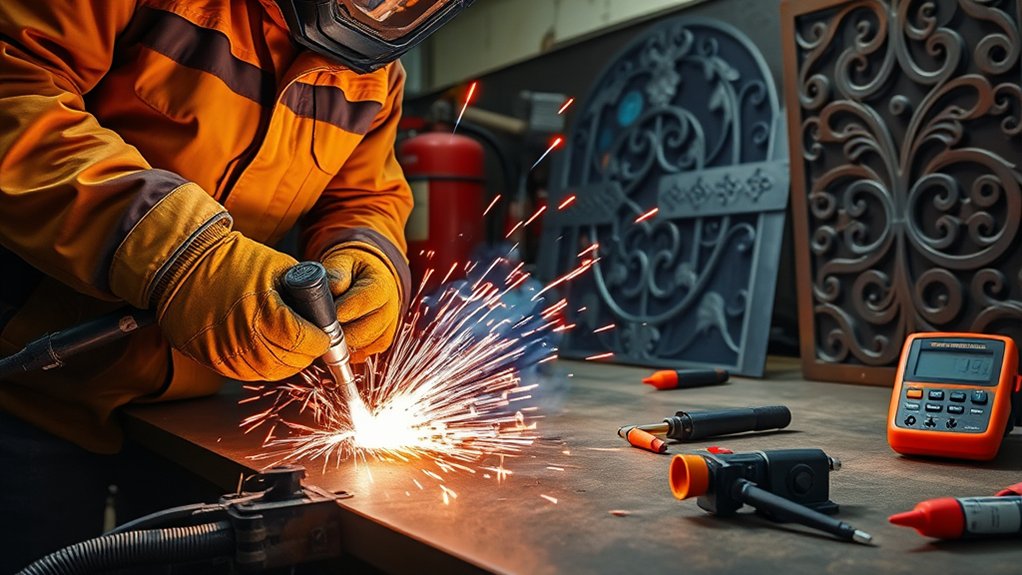
Throughput only matters if the cutter stays safe and consistent. Before power-up, inspect the work area for combustible materials, protect anything that cannot be moved, and keep fire suppression ready. Where hot-work rules require a fire watch, keep one in place during the job and after cutting long enough to catch smoldering material.
Use eye and face protection suited to plasma arc cutting, plus safety glasses, gloves, flame-resistant clothing, closed-toe footwear, and hearing protection when needed. CCOHS also recommends respiratory protection when ventilation is not enough to remove fumes.
Ventilation matters most when cutting stainless, galvanized, painted, coated, oily, or unknown metals. Use local exhaust ventilation when possible because it captures fumes before they mix into room air. Do not rely on an open door for confined spaces or toxic coatings.
Maintenance should include:
- Inspecting nozzles, electrodes, shields, and swirl rings for pits, oval holes, cracks, or heavy wear.
- Draining moisture from the compressor and checking filters or dryers.
- Cleaning torch bodies and checking O-rings where the manual requires it.
- Inspecting leads, work clamp, trigger, strain reliefs, and torch cable insulation.
- Confirming air pressure, duty cycle, and input power before long cuts.
For troubleshooting, log the material, thickness, amperage, pressure, consumables, torch height, travel speed, and symptom. If the arc will not start, check the ground clamp, consumables, air pressure, and torch assembly. If the cut is rough, inspect consumables and air quality before adjusting speed or amperage. If the machine shows a fault code, follow the manual for that exact model instead of guessing.
Post-Cut Quality Checklist
After each important cut, inspect the part before welding, bending, painting, or installing it.
- Check that the cut went fully through without hanging tabs unless you planned micro-tabs.
- Look for excessive dross, top spatter, bevel, gouges, and arc starts on finished faces.
- Confirm hole size, slot length, outside dimensions, and edge squareness.
- Deburr sharp edges before handling or assembly.
- Clean the edge before welding, especially on stainless, aluminum, painted, or coated metal.
- Mark hot metal or isolate it so another worker does not touch it accidentally.
Frequently Asked Questions
How do plasma cutters perform outdoors in high wind?
They can work outdoors, but wind can disturb the arc, blow sparks unpredictably, and make shielding or fume control harder. Use wind screens where safe, shorten unnecessary standoff, secure the workpiece, protect nearby combustibles, and expect more dross if the arc becomes unstable.
Can plasma cutters be powered by portable generators?
Yes, some plasma cutters can run from a portable generator, but only if the generator meets the cutter manufacturer’s requirements for voltage, wattage, surge capacity, grounding, and power quality. Many inverter machines need clean, stable power. Check the manual before connecting the cutter.
What insurance or liability issues apply to plasma cutting?
For business use, plasma cutting may affect general liability, workers’ compensation, property coverage, hot-work permits, training records, fire-watch procedures, and customer contracts. This is not legal advice; ask your insurer, safety officer, or qualified adviser what coverage and documentation your shop needs.
How noisy are plasma cutters?
Plasma cutters can be loud enough to require hearing protection, especially during long cuts, gouging, or cutting inside reflective spaces. Measure noise exposure when in doubt. OSHA’s hearing conservation action level is 85 dBA as an 8-hour time-weighted average, so shops should monitor exposure and use hearing protection when needed.
Are there recycling options for spent plasma consumables?
Often, yes. Many nozzles and electrodes contain recyclable metals such as copper, but they may also contain inserts, coatings, or contamination from the cutting process. Keep spent consumables separated, review the safety data information, and use a certified recycler or local waste program that accepts metalworking consumables.
What materials should you avoid cutting with plasma?
Avoid non-conductive materials such as wood, plastic, glass, and masonry. Also avoid sealed containers, fuel-contaminated parts, unknown tanks, and heavily coated materials unless they have been made safe for hot work and proper fume controls are in place.
Conclusion
Plasma cutters are useful because they combine speed, versatility, and clean metal-cutting ability across many jobs: CNC fabrication, auto repair, construction, HVAC ductwork, sculpture, signage, and home-shop projects. The key is matching the process to the job. Use CNC for repeatable profiles and manual plasma for flexible repair and field cuts.
For the best results, start with the manufacturer cut chart, use dry air, set the right amperage and torch height, keep consumables in good condition, and test on scrap before cutting final parts. For safety, treat every cut as hot work: protect your eyes, skin, lungs, and hearing; ground the work; control fumes; remove combustibles; and keep fire protection ready. With the right setup, plasma cutting can help you cut cleaner, faster, and safer.
Sources
- OSHA 1910.252: Welding, Cutting, and Brazing General Requirements — hot-work fire prevention, fire watch, eye protection, and ventilation requirements.
- OSHA 1910.133: Eye and Face Protection — eye and face protection plus filter shade guidance for plasma arc cutting.
- OSHA 1910.95: Occupational Noise Exposure — hearing conservation action level and permissible noise exposure table.
- CCOHS: Welding Ventilation — ventilation hierarchy and local exhaust ventilation guidance.
- CCOHS: Welding PPE and Clothing — eye, face, skin, respiratory, hearing, hand, and foot protection guidance.
- CDC/NIOSH: Welding Fumes and Manganese — health risks from metal fumes and manganese exposure.