Plasma cutters are used wherever shops need fast, clean cuts in electrically conductive metal. You’ll see them in fabrication bays, construction yards, repair trucks, automotive shops, art studios, and CNC production cells. The right setup can cut mild steel, stainless steel, aluminum, copper, brass, and many alloys, but the best results come from matching the machine, gas or air supply, consumables, torch height, and travel speed to the job.
Quick Answer
Plasma cutters are mainly used to cut conductive metals in automotive work, structural fabrication, heavy equipment repair, aerospace support work, metal art, signage, maintenance, and scrap processing. They are valued for speed, portability, CNC compatibility, and the ability to cut shapes, holes, slots, bevels, brackets, panels, and plate with less setup than many mechanical cutting methods.
Key Takeaways
- Plasma cutting works on electrically conductive metals, not wood, plastic, glass, or most nonmetal materials.
- Common uses include chassis brackets, structural plates, gussets, repair patches, exhaust parts, artwork, signs, and field repairs.
- Cut quality depends on the cut chart, amperage, torch height, travel speed, air quality, ground connection, and consumable condition.
- Safety matters because plasma cutting creates arc radiation, sparks, hot metal, fumes, electrical hazards, and fire risk.
What a Plasma Cutter Is Used For
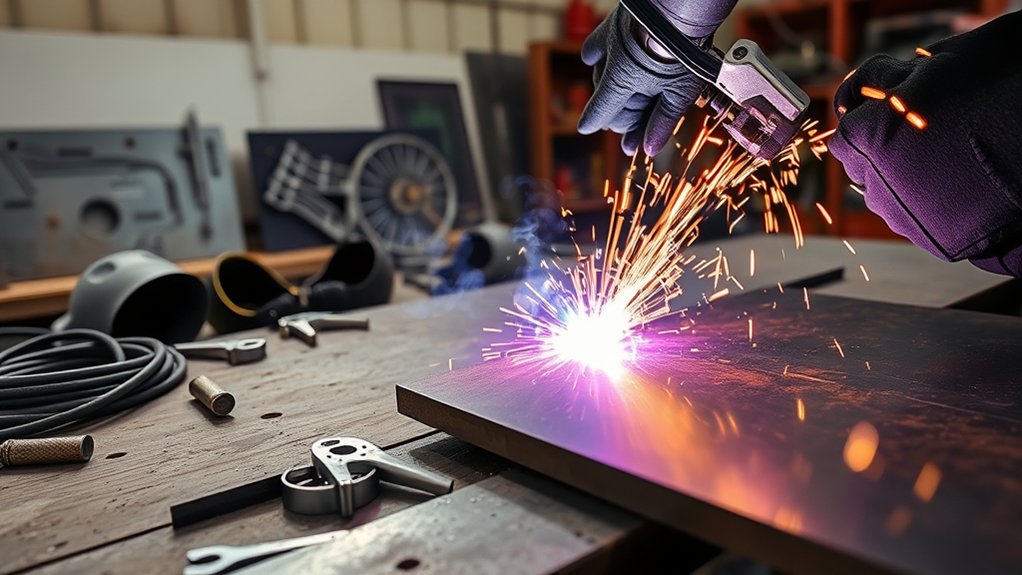
A plasma cutter uses an electric arc and a high-speed jet of ionized gas to melt metal and blow the molten material out of the cut path. Because the arc must pass through the workpiece, the material has to conduct electricity. That is why plasma works well on steel, stainless steel, aluminum, copper, and brass, but not on nonconductive materials.
You use plasma cutting when you need speed, portability, shaped cuts, or CNC repeatability. It is often faster than sawing or grinding, more flexible than a shear for curved profiles, and more affordable than laser cutting for many general fabrication jobs.
Warning: Plasma cutting is hot work. Wear the correct shaded eye and face protection, flame-resistant clothing, gloves, hearing protection, and respiratory protection when needed. Keep combustibles away, control fumes, use a dry work area, and follow your shop’s lockout/tagout procedure before servicing equipment.
Best Plasma Cutter Uses by Industry
| Industry | Common Plasma Cutting Jobs | Why Plasma Fits |
| Automotive and repair | Brackets, exhaust tubing, chassis plates, patch panels, tabs, and rusted fastener removal | Fast cuts, good portability, and easy shaping on steel and aluminum parts |
| Construction and heavy equipment | Gusset plates, beam copes, wear plate, stiffeners, slots, and field repairs | Works in shop or field with the right power, air, grounding, and fire controls |
| CNC fabrication | Nested profiles, repeat parts, holes, signs, brackets, and weld-prep bevels | Repeatable toolpaths, lower waste, and quick design changes |
| Art, signs, and custom work | Wall art, gates, address signs, furniture parts, templates, and decorative panels | Good shape control without expensive dies or large production tooling |
| Maintenance and salvage | Cutting seized parts, trimming damaged metal, removing plates, and sectioning scrap | Portable units can reduce downtime when safe hot-work controls are in place |
Products Worth Considering
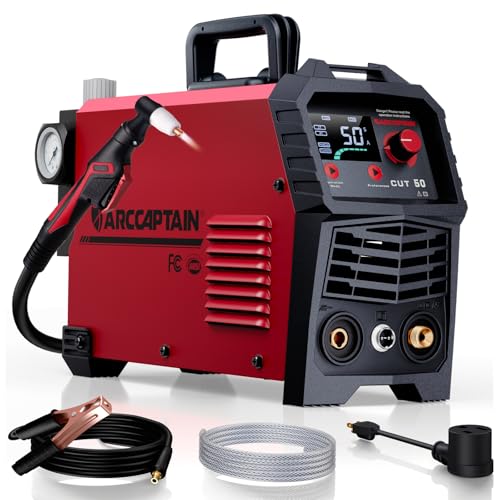
【Powerful Cutting Ability】Switch effortlessly between 110V and 220V for home or workshop use. Achieve professional 1/2" clean cuts on steel, aluminum, and copper with advanced LGBT technology. Perfect for DIY projects and heavy-duty tasks. Recommended maximum cutting thickness: 12mm @ 35A / 110V / 55 PSl; 18mm @ 50A / 220V / 75 PSI. Note: Requires compressed air (compressor sold separately).

【Non-Touch Pilot Arc Function】The ARCCAPTAIN 55A plasma cutter features a pilot arc function. It utilizes a high-frequency non-touch arc starting mode. The torch head does not need to touch the metal plate, reducing energy consumption during non-cutting work, minimizing electrode burning, and extending service life. NOTE: Do not switch voltages until the screen turns off and the fan stops.

POWERFUL CUTTING THICKNESS: This plasma cutter handles 1/2" (12mm) steel at 120V/35A and 5/8" (16mm) at 240V/60A. Dual voltage auto-detection (10-35A@120V / 30-60A@240V) with PSI guidance (70-75 PSI / 0.48-0.52MPa). Optimized for quick, efficient cuts in automotive repairs and metal fabrication
Automotive Manufacturing
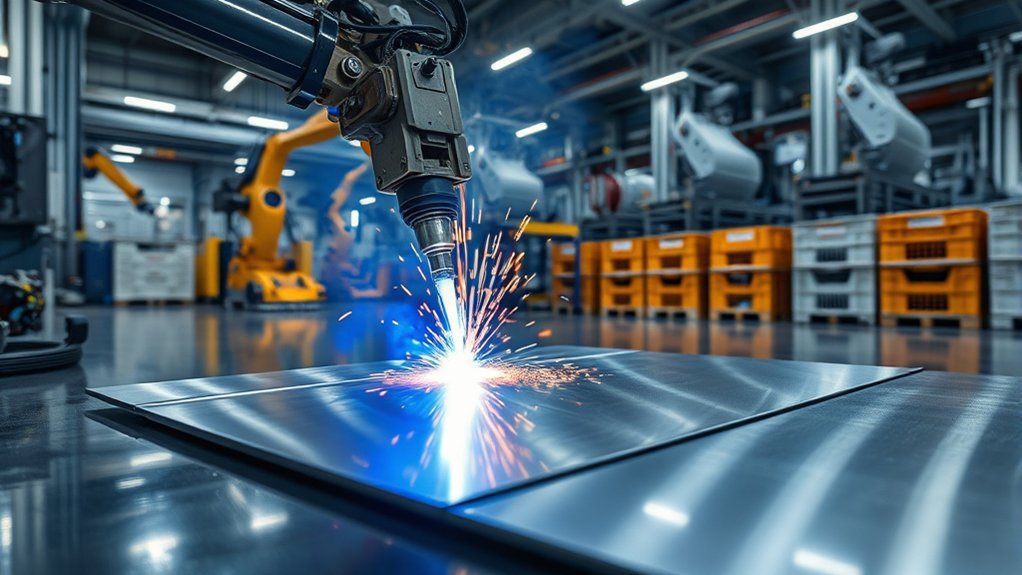
In automotive work, plasma cutters are useful for brackets, chassis plates, suspension tabs, exhaust tubing, repair sections, and prototype parts. In high-volume vehicle plants, laser cutting, stamping, and robotic systems may handle many thin-body operations, but plasma still has a strong role in fabrication, repair, motorsports, restoration, and production support.
For repeat work, you can program toolpaths from CAD/CAM files, apply kerf compensation, and test the first part before cutting a full nest. Good setup includes the correct amperage, torch height, travel speed, air pressure, and consumables for the material and thickness.
On automated cells, CNC gantries and robotic torch manipulators can improve repeatability. You still need to track practical quality checks such as edge angle, dross, hole size, surface roughness, and part fit. For lightweight materials or high-strength parts, use lower heat input when possible and avoid overcutting near critical mounting points.
Plasma cutting is strongest when speed, repeatability, and shape flexibility matter more than laser-level edge precision.
Construction and Heavy Equipment Fabrication
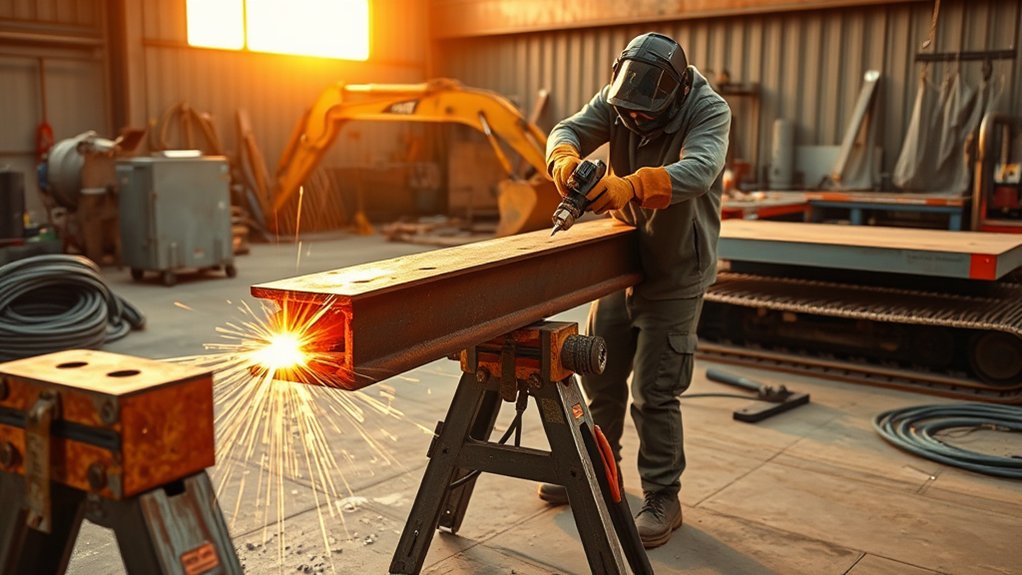
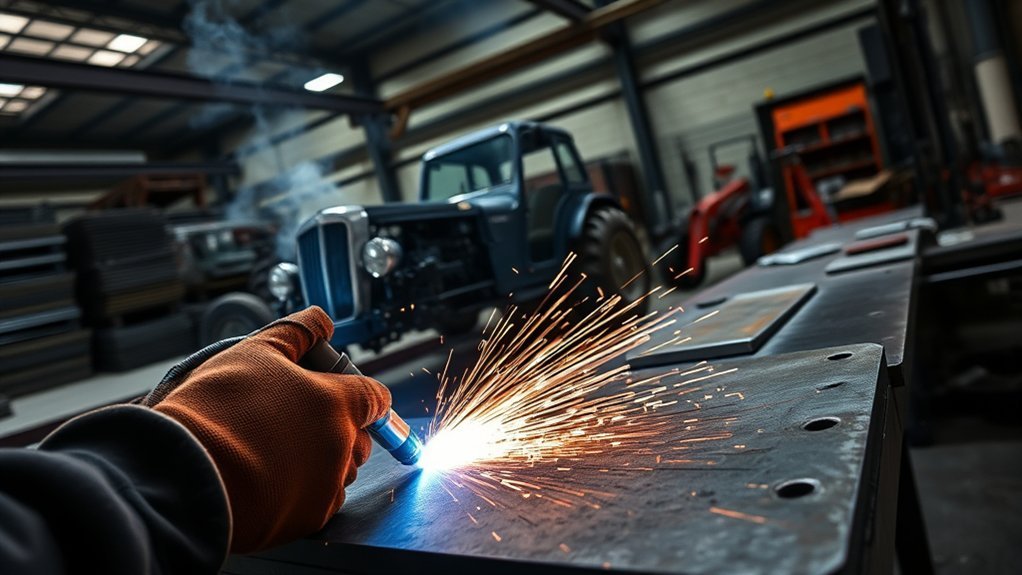
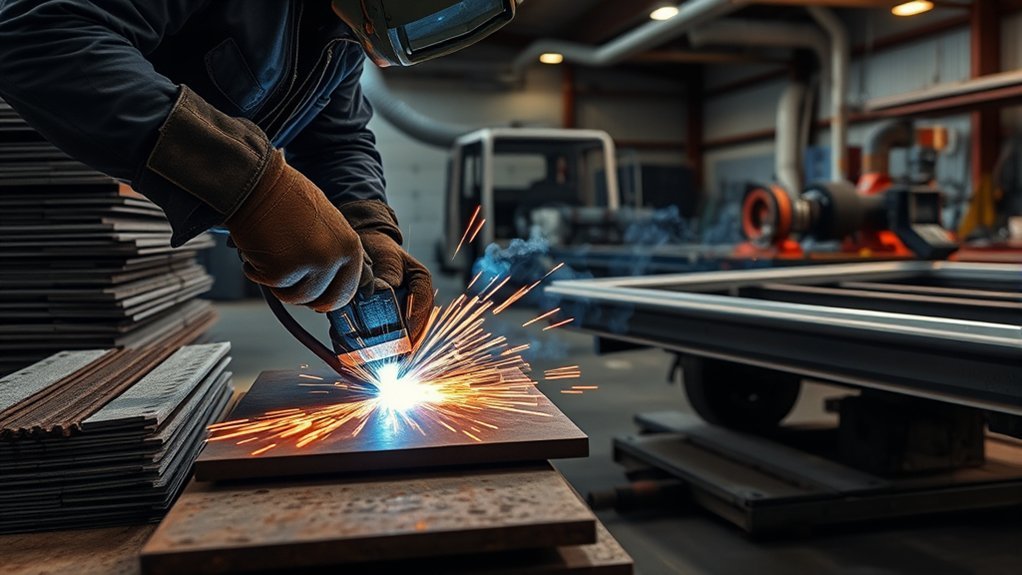
In construction and heavy equipment fabrication, plasma cutters are used to profile structural steel, wear plate, gusset plates, stiffeners, bucket repair plates, brackets, and pin boss details. Shops use them because they can cut many plate shapes quickly without building special dies or fixtures for each part.
Portable units also help with field rework. You can trim flanges, slot connection plates, cope beams, and cut damaged sections without hauling the whole assembly back to the shop. That saves time, but only if the work area is made safe first.
Before cutting, confirm material grade, thickness, grounding, and access. Clamp the workpiece, shield nearby surfaces, and protect combustibles. OSHA’s welding and cutting rules call for hot-work areas to be made fire safe, with combustibles moved or protected when the work cannot be moved. See OSHA 1910.252 general cutting and welding requirements for the baseline hot-work precautions.
For weld prep, CNC plasma can cut bevels such as V, K, or X preparations when the machine supports bevel cutting. After cutting, remove dross, inspect the edge, and confirm fit-up before welding.
Aerospace and Defense
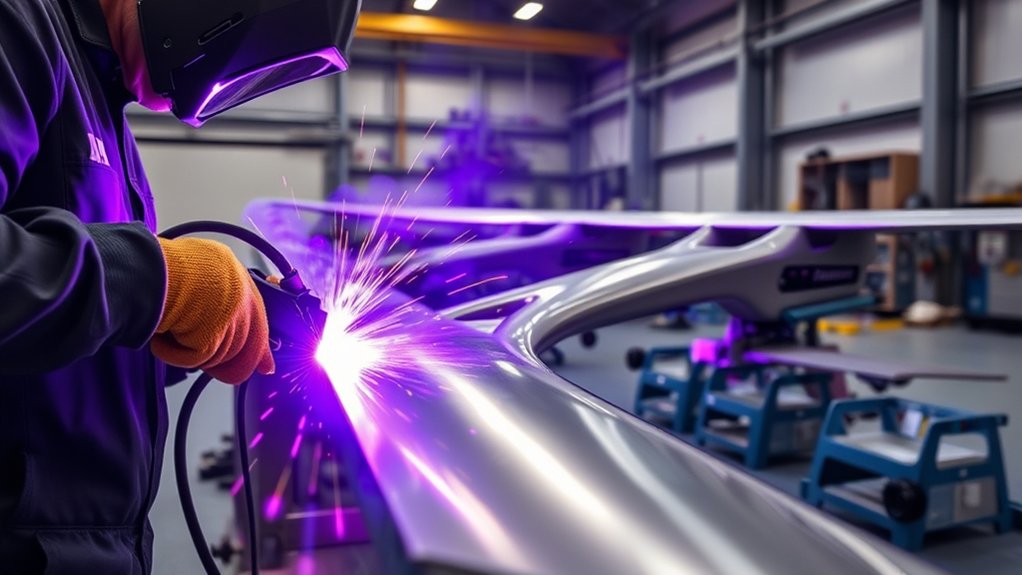
In aerospace and defense, plasma cutting is used more selectively. It can help with tooling, ground-support equipment, armor plate, brackets, fixtures, prototypes, and some alloy plate work. For flight-critical parts, however, the required edge condition, heat-affected zone control, traceability, and inspection plan may push the job toward laser, waterjet, machining, or secondary finishing after plasma cutting.
If you cut titanium, nickel alloys, stainless, or high-strength steels, use a written procedure and verify the edge before release. Track the consumables, gas or air settings, current, torch height, and inspection results. Where customer requirements apply, a shop may also need first-article inspection, part serialization, and documented corrective action.
For defense work, plasma cutting is common on thicker plate, armored structures, equipment mounts, and prototype assemblies. Closed-loop torch height control helps maintain cut quality when plate surface condition varies.
Note: Plasma cutting can be accurate, but it still creates kerf, taper, heat tint, and a heat-affected zone. For tight aerospace tolerances, plan for inspection and possible secondary machining.
Artistic and Custom Fabrication
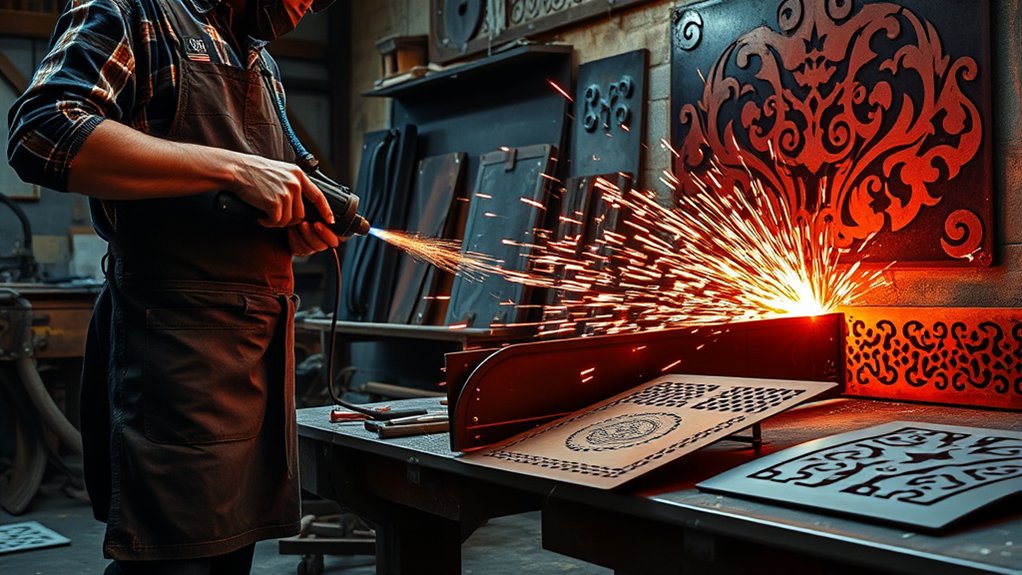
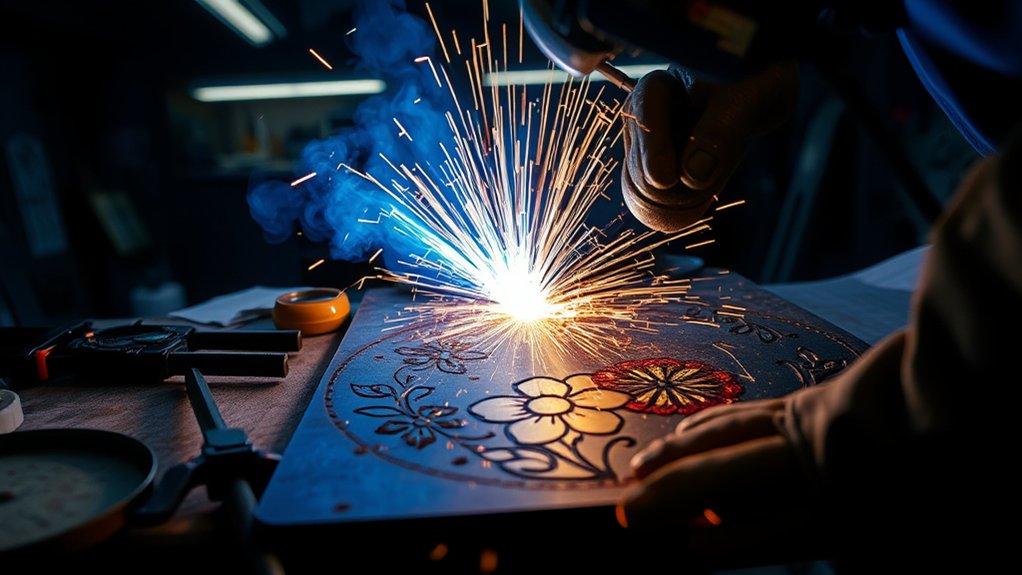
In artistic and custom fabrication, you use plasma cutters to make signs, wall art, gates, furniture parts, brackets, custom panels, fire pit designs, and one-off metal pieces. Plasma is popular here because you can move from a drawing to a finished cut without expensive tooling.
Handheld plasma works well for rough shapes, repair-style trimming, and organic lines. CNC plasma is better for repeated patterns, lettering, tight curves, and nested designs that need consistent spacing.
Intricate Metal Artistry
Two features make plasma useful for metal art: precision and versatility. With the right nozzle, clean air, and steady travel speed, you can cut tight radii, pierces, slots, and decorative profiles in steel, stainless, or aluminum.
For clean results, start with a good vector file, remove duplicate lines, avoid details smaller than your kerf can support, and test the design on scrap. After cutting, clean dross, soften sharp edges, and finish the piece with paint, patina, powder coating, or clear coat.
CNC Design Integration
CNC design integration turns a drawing into repeatable motion. You sketch the geometry, set kerf compensation, add lead-ins and lead-outs, choose pierce points, set cut order, and post G-code for the plasma table.
This workflow helps with sculptures, address signs, architectural panels, templates, and small production runs. Digital files are easy to adjust, so you can scale a design, change lettering, or update tab locations without starting over.
Pro Tip: Before cutting detailed art, measure your real kerf on scrap and use that number in the CAM software. This keeps thin bridges, inside corners, and lettering from disappearing.
Maintenance and Repair Operations
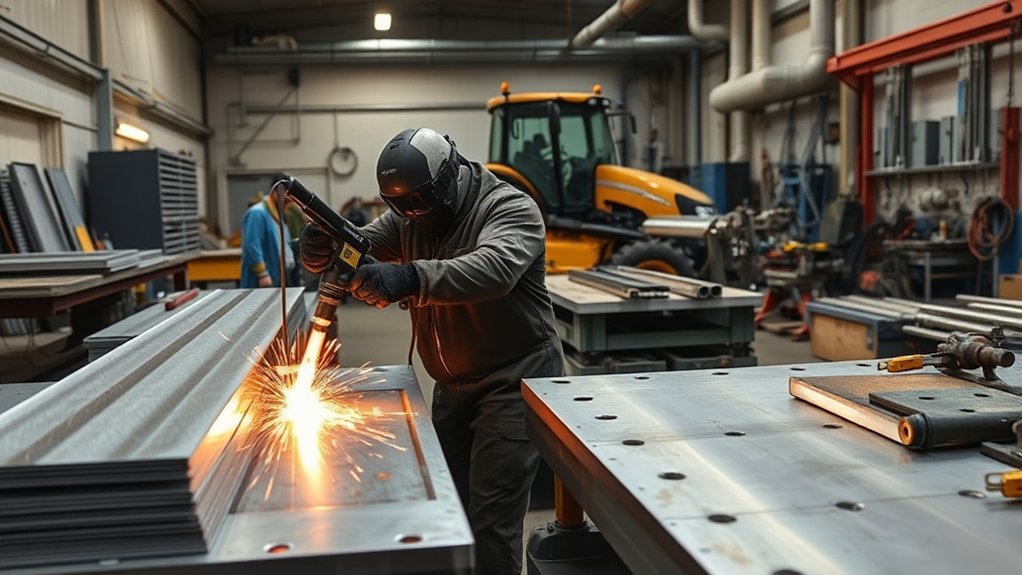
Maintenance and repair teams use portable plasma cutters to remove damaged metal, trim replacement plates, cut seized fasteners, open access holes, and prepare parts for welding. A portable cutter can reduce downtime because the repair can happen near the machine instead of waiting for a shop-made part.
Plasma also performs well on rusty or painted metal compared with some other cutting methods, but cleaner material still gives better arc starts and better edges. Remove heavy rust, paint, grease, and coatings when possible, especially if fumes could be hazardous.
For field repairs, use a machine with enough rated cut capacity and duty cycle for the thickest material you expect to cut. Check that your generator or power source can handle the load, keep the air supply dry, inspect leads, and attach the work clamp to clean metal.
Before servicing a cutter, compressor, CNC table, dust collector, or connected equipment, follow the site’s energy-control procedure. OSHA’s lockout/tagout standard applies when unexpected energization, startup, or stored energy could injure workers during servicing or maintenance.
Common Metals and Thickness Ranges for Plasma Cutting
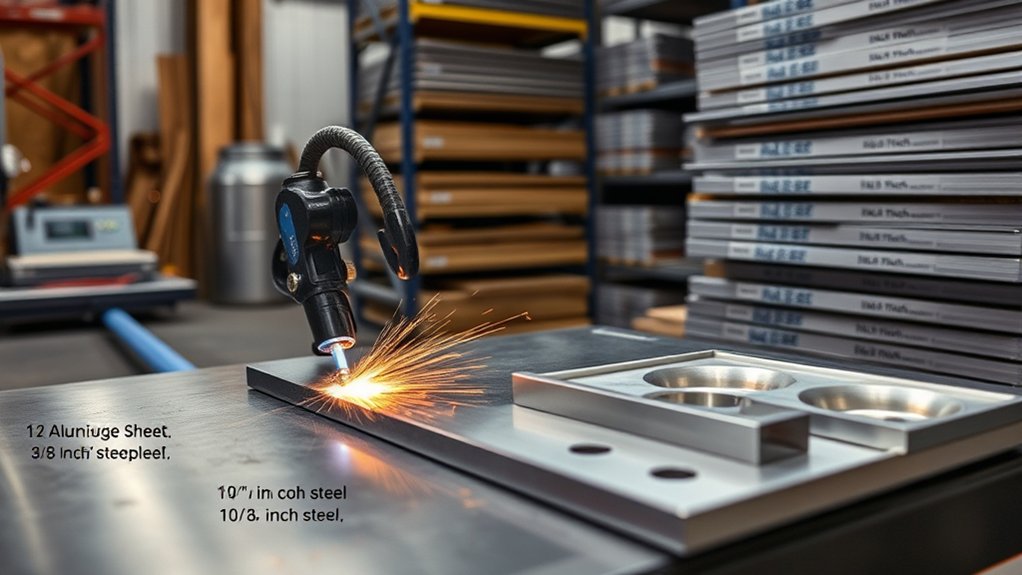
Plasma cutting works on conductive metals. The most common materials are mild steel, stainless steel, aluminum, copper, and brass. It can also cut many alloys, but the edge quality and speed will vary by material, thickness, gas or air supply, and machine type.
Instead of using a universal amperage rule, follow the manufacturer’s cut chart for your exact cutter, torch, consumables, material, and thickness. A small portable machine may be ideal for sheet metal and light plate. A larger shop unit can cut thicker plate and pierce heavier material. High-definition CNC plasma systems can handle production work with tighter control, but they still need correct torch height, cut charts, and maintenance.
- Use the rated cut and pierce capacity from the machine manual, not a generic rule of thumb.
- Use dry, oil-free air when your machine calls for compressed air.
- Use the recommended gas for stainless, aluminum, or high-quality CNC work when the system supports it.
- Keep the torch height steady to control kerf, bevel angle, and dross.
- Replace worn nozzles, electrodes, shields, and swirl rings before cut quality drops.
- Increase travel speed on thin sheet only within the cut chart range to limit warping and dross.
Plasma Cutting Safety Checklist
Plasma cutting creates hot metal, sparks, intense arc light, fumes, noise, compressed air hazards, and electrical risk. OSHA lists metal fumes and ultraviolet radiation as health hazards in welding, cutting, and brazing, along with safety hazards such as burns, eye damage, electrical shock, cuts, and crushed toes or fingers. Review OSHA’s welding, cutting, and brazing hazards guidance before building a shop procedure.
- Wear a welding helmet or face shield with the correct filter shade for plasma arc cutting.
- Use safety glasses under the shield for flying particles and molten metal.
- Wear flame-resistant clothing, leather gloves, and closed-toe leather or safety boots.
- Use hearing protection when cutting in enclosed or reflective spaces.
- Use local exhaust, general ventilation, or respiratory protection when fumes cannot be controlled.
- Move combustibles away or shield them with approved fire-resistant covers.
- Keep the work clamp on clean metal and inspect cables before cutting.
- Keep the power source and work area dry to reduce shock risk.
- Use a fire watch when sparks can reach hidden or nearby combustibles.
For eye and face protection, OSHA requires protection against flying particles, molten metal, and injurious light radiation, and it lists minimum shade numbers for plasma arc cutting. See OSHA 1910.133 eye and face protection for the standard.
When Plasma Cutting Is Not the Best Choice
Plasma cutting is versatile, but it is not always the best tool. It does not cut nonconductive materials such as wood, plastic, glass, masonry, or most composites. It can also leave more edge taper, dross, heat tint, and heat-affected material than laser, waterjet, or machining in some precision jobs.
Choose another process when the part needs a very small kerf, no heat-affected zone, ultra-tight hole quality, or a finished edge with little cleanup. Laser may be better for thin sheet and fine detail. Waterjet may be better when heat must be avoided. Oxy-fuel may be better for very thick carbon steel. A saw, shear, punch, or mill may be better for simple straight cuts or precision machined features.
How to Choose a Plasma Cutter for the Job
Choose the cutter by the real work you need to do, not just the maximum severance number on the box. Severance capacity means the machine can separate the material, but the cut may be slow and rough. Rated or recommended cut capacity is more useful for regular work.
- Material thickness: Match the machine to your common thickness, then leave some headroom.
- Pierce capacity: CNC work needs enough pierce rating for the thickest plate you plan to start in the middle.
- Duty cycle: Higher production work needs a machine that can cut longer without overheating.
- Air supply: Match compressor flow and pressure to the cutter manual, and use filtration or a dryer if needed.
- Cut quality: Fine-feature work needs good consumables, torch height control, and accurate motion.
- Portability: Field repair work may need a lighter inverter machine and generator-ready power input.
- CNC support: Automated tables need compatible torch starts, voltage divided output when required, and stable height control.
Products Worth Considering

【5GEN HIGH EFFICIENCY CUTTING】With advanced IGBT inverter technology, the maximum severance cut can reach up to 4/5" (20mm), 1/2" (12.7mm) ideal clean cut, 60% duty cycle.BREAKER: 50A for 120V, 30A for 240V; Consumable model: PT31

58A Professional Cutting Power (Shop/Fabrication): High-efficiency module delivers up to a 5/8" (16 mm) clean cut and 3/4" (20 mm) max severance cut on steel, stainless steel, aluminum, and copper with exceptionally smooth edges and less dross cleanup.

【Compact Portable Design】 Weight just 9.51LB, the portable plasma cutter can be easily lifted with one hand. Say goodbye to bulky traditional plasma cutters and effortlessly move between work areas like garages and gardens. Its compact body fits neatly into car trunks or tight spaces, saving room for instant access whenever needed. Supports automatic 120V/240V dual voltage recognition. Whether at home or on the go, it's plug-and-play—no need to worry about power source compatibility.
Frequently Asked Questions
What safety gear is essential when operating a plasma cutter?
You need shaded eye and face protection, safety glasses, flame-resistant clothing, leather gloves, hearing protection, and sturdy leather or safety boots. Use ventilation or respiratory protection when fumes cannot be controlled. Keep the work area dry, attach the ground clamp securely, and follow lockout/tagout before servicing equipment.
How does plasma cutting compare to laser and oxy-fuel cutting?
Plasma cutting is fast, flexible, and cost-effective for many conductive metals. Laser cutting is usually better for thin sheet, small details, and very clean edges. Oxy-fuel cutting is often used for very thick carbon steel, but it does not cut stainless or aluminum the same way plasma can.
Can plasma cutters be used outdoors in windy conditions?
Yes, but wind can disturb the arc, blow sparks farther, and affect shielding or airflow. Use wind screens, keep the power source dry, ground the work properly, and stay within the manufacturer’s cut chart. Do not raise gas pressure beyond the recommended range just to fight wind.
What air quality and compressor requirements do plasma cutters need?
Most air-plasma cutters need clean, dry, oil-free compressed air at the flow and pressure listed in the machine manual. Compressor requirements vary by cutter size and duty cycle, so check the manual instead of relying on a generic CFM number. Moisture and oil can shorten consumable life and hurt cut quality.
How do consumable parts affect cut quality and operating costs?
Worn nozzles, electrodes, shields, and swirl rings can cause wider kerf, more dross, arc wandering, bevel changes, and failed starts. Inspect consumables often, replace them before they fail, and use the right parts for the amperage and torch. Cheap or mismatched consumables can cost more through scrap and rework.
Conclusion
Plasma cutters are used for fast, practical metal cutting in automotive work, construction, heavy equipment fabrication, aerospace support, defense fabrication, metal art, maintenance, and repair. They are especially useful when you need shaped cuts, portable cutting power, CNC repeatability, or quick turnaround on conductive metals.
The best results come from matching the cutter to the job. Use the machine’s cut chart, keep the air clean and dry, maintain the consumables, control torch height, and inspect the cut before welding or assembly. Most important, treat plasma cutting as hot work: protect your eyes, lungs, skin, hearing, and work area before you strike an arc.
Sources
- OSHA Welding, Cutting, and Brazing Hazards and Solutions — supports the safety hazards, fume, UV, PPE, and work-practice guidance.
- OSHA 1910.133 Eye and Face Protection — supports eye and face protection requirements and plasma arc cutting shade guidance.
- OSHA 1910.252 Welding, Cutting, and Brazing General Requirements — supports fire-safe work areas, combustible control, and hot-work precautions.
- OSHA 1910.147 Control of Hazardous Energy — supports lockout/tagout guidance during servicing and maintenance.