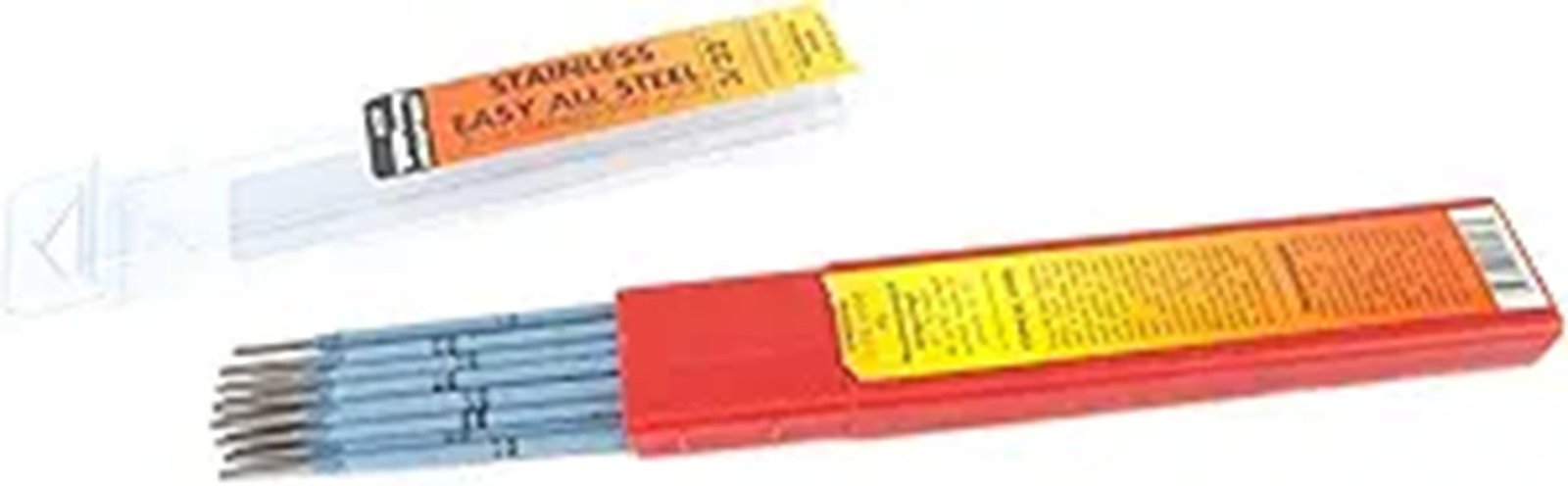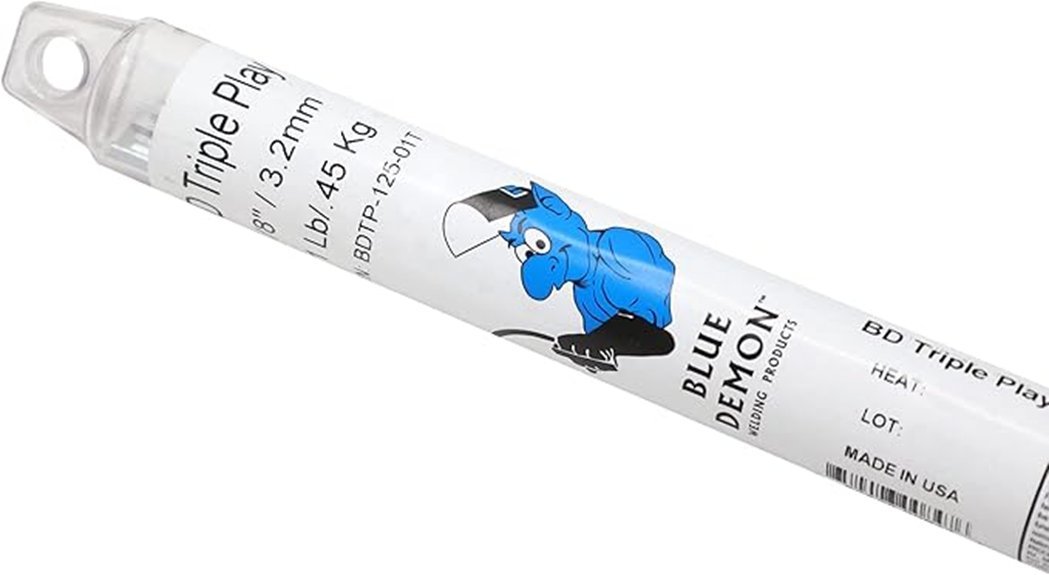
The Blue Demon BDTP-125-01T is a low-temperature, no-flux aluminum-zinc brazing rod, sold as a 1 lb tube of 1/8 in by 18 in rods (about 22 sticks, per the listing). It is meant for repairs on aluminum and zinc-base metals with a propane or similar torch, not for structural joints. This Blue Demon BDTP-125-01T review covers the specs, who it suits, how to use it and its limits.
Blue Demon BDTP-125-01T at a glance
| Item | Detail (per the listing) |
|---|---|
| Type | Low-temperature aluminum-zinc brazing rod, sold as Triple Play |
| Size and pack | 1/8 in x 18 in rods, 1 lb tube, about 22 sticks |
| Flux | Not required, per the listing |
| Base metals | Aluminum and zinc-base metals |
| Heat source | Often a propane torch; heavier parts need more heat |
| Marketing claims | Stronger than aluminum, harder than mild steel, corrosion resistant |
Strength and corrosion claims come from the listing and have not been independently verified here. Brazed joints are not welds.
Who it suits
- DIY aluminum repairs where you can clean down to bright metal first.
- Thin aluminum patching, small build-ups and thread repair.
- Zinc-base (pot metal) parts that cannot take a normal weld.
- Hobbyists who want a simple process with a torch and no flux.
Skip it for critical structural joints, load-bearing repairs and parts that run hot, where a proper aluminum weld is the right fix. It also struggles on dirty, oily or heavily oxidized aluminum that you cannot prep well.
How to use it
- Degrease the part, then brush it with a clean stainless steel brush to remove the oxide layer. Do not reuse a brush that has touched steel.
- Heat the base metal, not the rod, until it is hot enough for the rod to melt on contact and flow.
- Touch the rod to the heated joint and let it flow into the gap. Scrub the rod tip across the surface to break the oxide film if needed.
- Keep the heat moving to avoid melting thin aluminum, which gives no color warning.
- Let the part cool slowly and avoid quenching. Practice on scrap first.
Wear eye protection and gloves, work in good ventilation and keep flammables away. Brazing zinc-containing alloys can give off fumes, so do not breathe them. For guidance, see OSHA: Controlling Hazardous Fume and Gases during Welding and the CDC/NIOSH Pocket Guide entry on welding fumes.
Pros and limitations
Pros
- No flux, so there is less cleanup and one less thing to buy.
- Works with a propane torch for many small jobs.
- Handles both aluminum and zinc-base repairs.
- About 22 rods per tube, per the listing.
Limitations
- Results depend heavily on surface prep and heat control, so there is a learning curve.
- Thicker parts need more heat than a small torch may supply.
- A brazed joint is weaker than a welded one and not suited to high temperature.
- The color of the filler may not match the base metal.
Alternatives and related guides
To compare other rods, see the aluminum brazing rods review and the aluminum brazing rods pros and cons review. If you are unsure whether brazing is right for your repair, read brazing versus welding for auto body metal.
Frequently Asked Questions
Can I use this rod for metal repair jobs?
Yes, mainly aluminum and zinc-base repairs. The biggest factor is prep: clean the metal well and heat the base material so the rod flows and bonds.
Does the Blue Demon BDTP-125-01T need flux?
The listing describes it as a no-flux rod. Clean the surface well because oxide on aluminum prevents the filler from bonding.
Can beginners use it?
It can be beginner-friendly because it skips flux, but it still takes practice. Learn the heat on scrap aluminum before you work on a real part.
How should I store the rods?
Keep them in the tube in a cool, dry place away from moisture so the surface stays clean.
What safety precautions should I take?
Use eye protection, gloves and good ventilation, and keep flammables away. Avoid breathing fumes, especially when working on zinc-base metals.
Verdict
The Blue Demon BDTP-125-01T is a sensible low-temperature repair rod for small aluminum and zinc-base jobs you can heat with a torch. Prep and heat control matter most, and a welded repair is the better choice where strength is critical.