Disclosure: As an Amazon Associate, we earn from qualifying purchases. If you click a link on this page and make a purchase, we may receive a small commission at no extra cost to you.
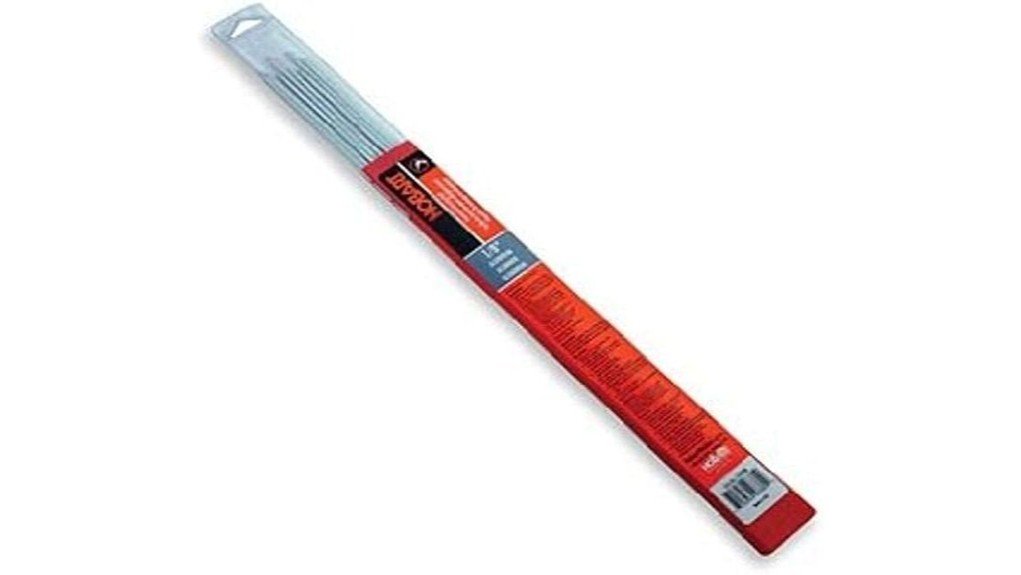
Small aluminum repairs can be awkward when a full TIG setup is more equipment than the job needs. The Hobart 770206 Aluminum Brazing Rod offers a low-temperature, self-fluxing option for compatible aluminum and magnesium parts. Its verified 700°F melting point and seven-rod package make it practical for non-critical repairs, practice pieces, and light fabrication. The tradeoff is that joint strength depends on the base alloy, surface preparation, fit-up, and heat control, so this is not a substitute for a certified structural weld.
Quick Verdict
Editorial Rating: 8.1/10, Recommended with caveats
Best For: DIY users, hobbyists, and repair shops handling small, non-structural aluminum jobs on known, compatible material.
Bottom Line: The Hobart 770206 is easy to store, simple to handle, and melts at a relatively low 700°F. You still need clean metal, controlled heating, close joint fit, and an honest understanding of where brazing is not strong enough.
Key Takeaways
- Hobart identifies model 770206 as a low-temperature, self-fluxing rod for aluminum and magnesium.
- Each rod is 1/8 inch in diameter and 18-1/8 inches long.
- The verified melting point is 700°F, well below the melting point of the aluminum base material.
- The package contains seven rods, which suits occasional repairs and practice work better than high-volume production.
- Use it only on compatible material and non-critical joints unless a qualified professional approves the repair.
At a Glance: Key Specifications
| Specification | Verified Detail |
|---|---|
| Brand | Hobart |
| Model | 770206 |
| Product Type | Low-temperature aluminum brazing rod |
| Design | Self-fluxing |
| Diameter | 1/8 inch |
| Length per Rod | 18-1/8 inches |
| Melting Point | 700°F |
| Package Quantity | Seven rods |
| Manufacturer-Listed Compatibility | Aluminum and magnesium |
| Separate Flux | Normally not required because the rod is self-fluxing; follow package directions |
| Best Use | Precision repairs, hobby work, and light non-structural brazing |
| Key Safety Note | Hot-work PPE, ventilation, fire control, and extra precautions for magnesium |
What Is the Hobart 770206 Aluminum Brazing Rod?
The Hobart 770206 is a filler rod that melts and flows into a prepared joint while the base metal remains solid. That makes it a brazing product, not a replacement for TIG welding when the joint must meet a structural specification or code requirement.
Hobart lists the rod as low-temperature and self-fluxing, with a 700°F melting point. The official package contains seven rods measuring 1/8 inch by 18-1/8 inches. You can review the current manufacturer description on the Hobart product page.
This product is made for small, controlled repairs where convenience matters more than production speed. It is most useful when you know the base material, can clean the joint thoroughly, and can test the process on scrap before repairing the final part.
Before You Buy: Confirm the base metal and the consequence of failure. Do not rely on this rod for frames, pressure vessels, fuel-system parts, suspension parts, ladders, lifting equipment, or any joint whose failure could cause injury or major damage.
Who Should Buy It?
Best For
- DIY users repairing small, non-load-bearing aluminum items.
- Hobbyists who want a compact seven-rod pack for occasional projects.
- Experienced shop users who can identify the material, prepare the joint, and control torch heat.
Skip If
- You need a certified, structural, pressure-tight, or safety-critical repair.
- You cannot identify or test the base alloy before heating it.
- You need bulk filler material for daily production work.
Key Features of the Hobart 770206 Brazing Rod
Low-Temperature 700°F Melting Point
The rod melts at 700°F, which gives you a wider temperature margin before the aluminum base part approaches its own melting range. That can make small repairs easier to control than fusion welding, especially on thin pieces. It does not remove the risk of overheating, warping, or damaging an unknown alloy.
Self-Fluxing Design
Hobart describes model 770206 as self-fluxing. In practical terms, the rod is designed to wet compatible aluminum or magnesium without a separate flux step. The joint still needs clean, oxide-free metal, and you should follow the product label if it calls for any additional preparation.
1/8-Inch Diameter and 18-1/8-Inch Length
The 1/8-inch diameter is thick enough to feed by hand without feeling flimsy. The 18-1/8-inch length gives you reach while keeping your gloved hand away from the hottest part of the work. You can cut a rod into shorter pieces for tight access, but keep unused sections clean and dry.
Seven-Rod Package
The seven-pack is a practical size for occasional work. It gives you enough filler for a few small joints plus practice passes, without leaving a large box of consumables in storage. Frequent users may find the count too small for ongoing shop work.
Joint Preparation and Fit-Up
Preparation has a major effect on whether the filler wets the surface or beads up. Remove paint, oil, grease, dirt, and loose oxidation using a method that is safe for the base material. Use clean tools dedicated to aluminum when possible so you do not transfer steel particles or shop contamination to the joint.
Fit the pieces closely before heating. Brazing filler works best when it can flow through a narrow, consistent joint rather than bridge a large gap. Support the work so the pieces cannot shift as the metal expands and the filler becomes liquid.
Test the rod on scrap from the same part or alloy when you can. A successful test confirms that your cleaning method, heat source, torch movement, and base material are reasonably compatible before you risk the final repair.
Pro Tip: Use a clean stainless-steel brush reserved only for aluminum, then make a short practice joint on matching scrap. Watch for the rod to flow from heat in the workpiece rather than melting directly in the torch flame.
Performance and Applications
The Hobart 770206 performs best on small, clean, well-fitted joints that do not carry critical loads. The 700°F melting point lets the filler flow with less heat than fusion welding, but the finished joint still depends on surface condition, alloy compatibility, joint design, and operator technique.
Suitable projects may include decorative pieces, small brackets, hobby assemblies, non-critical housings, and light repairs where replacement is not practical. Avoid assuming that a neat-looking bead proves the joint is strong. A cosmetic bond can still fail under vibration, bending, impact, or repeated heating and cooling.
How It Performs in Real Use
For Small Aluminum Repairs
On a small crack or broken tab, the rod can be easier to manage than setting up an aluminum TIG process. Good results require a clean groove or joint, enough heat in the workpiece, and a stable position that keeps the filler from running away from the repair.
For Thin Sheet or Light Fabrication
The lower melting point can reduce the amount of heat needed at the joint, which may help limit distortion. Thin metal still heats quickly, so move the flame evenly and stop if the base material starts to sag, discolor heavily, or lose shape.
For Hobby and Garage Projects
The seven-pack is well matched to occasional use. You can spend one rod learning how the filler behaves and still have material left for several small jobs. Beginners should expect trial and error because torch angle, joint clearance, and surface cleaning all affect flow.
For Shop Touch-Up Work
An experienced operator may use the rod for quick, non-critical repairs when a full welding setup would add unnecessary time. It is a poor choice for production joints that need documented strength, repeatability, inspection, or a qualified welding procedure.
How to Use It Correctly
- Identify the base material. Confirm that the part is aluminum or magnesium and that brazing is suitable for the repair.
- Prepare the joint. Remove coatings, oil, dirt, and oxidation using methods appropriate for that alloy.
- Secure the work. Clamp or support the pieces so the joint stays aligned during heating and cooling.
- Heat the base metal evenly. Do not use the flame only to melt the rod. Bring the joint area to the filler’s working temperature.
- Feed the rod at the joint. Let heat from the workpiece melt and draw the filler where it is needed.
- Allow controlled cooling. Do not handle or load the part until it has cooled, then inspect the joint before use.
Always follow the instructions supplied with the rod and your torch. The correct flame, heating time, and work setup can change with part thickness, joint shape, heat loss, and the exact alloy.
Common Mistakes to Avoid
- Melting the rod in the flame: This can leave filler sitting on the surface instead of wetting the joint.
- Brazing over oxidation or paint: Contamination blocks flow and may release hazardous fumes when heated.
- Trying to fill a wide gap: Poor fit-up makes it harder to create a consistent bond.
- Overheating thin material: Aluminum can soften or collapse before the visual warning is obvious.
- Using the repair beyond its purpose: A light-duty brazed joint should not be treated like a qualified structural weld.
Compatibility and Safety Notes
Hobart lists the rod for aluminum and magnesium, but that does not guarantee equal results on every alloy, casting, heat-treated part, or coated surface. Unknown castings can contain alloying elements or contamination that change wetting and strength. When failure matters, use a qualified metalworker or replace the part.
Brazing is hot work. Wear suitable eye protection, heat-resistant gloves, long sleeves, and nonflammable work clothing. Keep combustibles away, use effective ventilation or local fume extraction, and avoid breathing fumes. OSHA identifies burns, eye injury, fumes, and fire as key welding, cutting, and brazing hazards; see its hot-work safety guidance.
Magnesium needs added caution because it is a combustible metal. Do not attempt magnesium brazing unless you can confirm the material, control chips and dust, and have the training and correct fire response. OSHA identifies magnesium fires as Class D hazards that require extinguishing equipment rated for combustible metals.
Storage, Package Design, and Value
Store the rods in a dry, clean container away from moisture, oil, grinding dust, and mixed-metal debris. Keeping the surface clean reduces preparation work and lowers the chance that contamination will interfere with filler flow.
The seven-rod count offers good convenience for occasional users. Each 18-1/8-inch rod can cover more than one very small repair, but actual consumption depends on joint length, gap, bead size, and practice waste. The package is less economical for daily fabrication than a larger quantity of filler matched to a known alloy system.
Pros and Cons
Pros
- Verified 700°F melting point supports lower-temperature repair work.
- Self-fluxing design simplifies the consumables needed for compatible jobs.
- 1/8-inch diameter is easy to hold and feed by hand.
- 18-1/8-inch rods provide useful reach around a torch-heated joint.
- Seven-pack suits practice, occasional repairs, and compact storage.
Cons
- Compatibility and joint quality can vary across alloys and castings.
- Requires careful cleaning, close fit-up, and practice with heat control.
- Not suitable for certified, structural, pressure, or safety-critical repairs.
Is It Worth the Price?
The Hobart 770206 is worth considering when you need a small, name-brand pack for occasional aluminum brazing. The verified rod dimensions, seven-piece quantity, self-fluxing design, and 700°F melting point give you a clear idea of what you are buying.
You get the most value when you already own a suitable torch, understand basic hot-work safety, and can practice on matching scrap. It is not the best value for high-volume work, unknown metals, or repairs that should be welded or replaced instead.
How It Compares to Alternatives
Compared with TIG welding, the Hobart rod needs less equipment and can be more convenient for a small non-critical repair. TIG offers more control over fusion, filler selection, and qualified structural work, but it also requires the right machine, shielding gas, preparation, and operator skill.
Mechanical fasteners or two-part metal repair compounds may be better when heat could damage nearby components or when the part cannot be cleaned and supported for brazing. Part replacement is the safer choice when the joint carries a load, contains pressure, faces strong vibration, or affects vehicle operation.
Frequently Asked Questions
What size are Hobart 770206 brazing rods?
Hobart lists each rod as 1/8 inch in diameter and 18-1/8 inches long. The package contains seven rods.
What is the melting point of the Hobart 770206?
The manufacturer lists a 700°F melting point. The workpiece must be heated evenly enough for the filler to flow, but you should avoid overheating or softening the base metal.
Do you need separate flux with this rod?
Hobart describes model 770206 as self-fluxing, so a separate flux step is normally not required for a compatible application. Follow the package directions and do not skip surface cleaning.
Can you use the rods with a propane torch?
A common handheld torch may reach temperatures above the rod’s 700°F melting point, but available heat at the joint depends on torch output, part thickness, and heat loss. Follow the rod and torch instructions, and test the setup on scrap before the final repair.
Will it work on every aluminum alloy?
No. Wetting and joint strength can vary with alloy, casting quality, coatings, contamination, and prior heat treatment. Test a matching scrap piece or ask a qualified metalworker when the material is unknown.
Can it repair structural or automotive parts?
Do not use it as a default repair for structural, suspension, steering, fuel, pressure, lifting, or other safety-critical parts. Those jobs may require replacement, engineering review, or a certified welding procedure.
What is the most common reason the filler will not flow?
Common causes include oxidation, oil, paint, poor joint fit, and heating the rod instead of the workpiece. Clean the surface, support the joint, and let heat in the base metal melt the filler.
How should you store unused rods?
Keep them dry and protected from oil, dust, moisture, and contact with dirty shop tools. A sealed tube or clean drawer helps prevent contamination before the next job.
The Bottom Line
The Hobart 770206 Aluminum Brazing Rod is a solid choice for careful DIY users and shop workers handling small, non-critical repairs on known, compatible metal. Its main strengths are the 700°F melting point, self-fluxing design, manageable 1/8-inch size, and seven-rod pack. Skip it when the alloy is unknown or the repair must meet structural, pressure, vehicle-safety, or certification requirements.
Ready to Buy?
Check the latest price and confirm the current package details before you decide.