Disclosure: As an Amazon Associate, we earn from qualifying purchases. If you click a link on this page and make a purchase, we may receive a small commission at no extra cost to you.
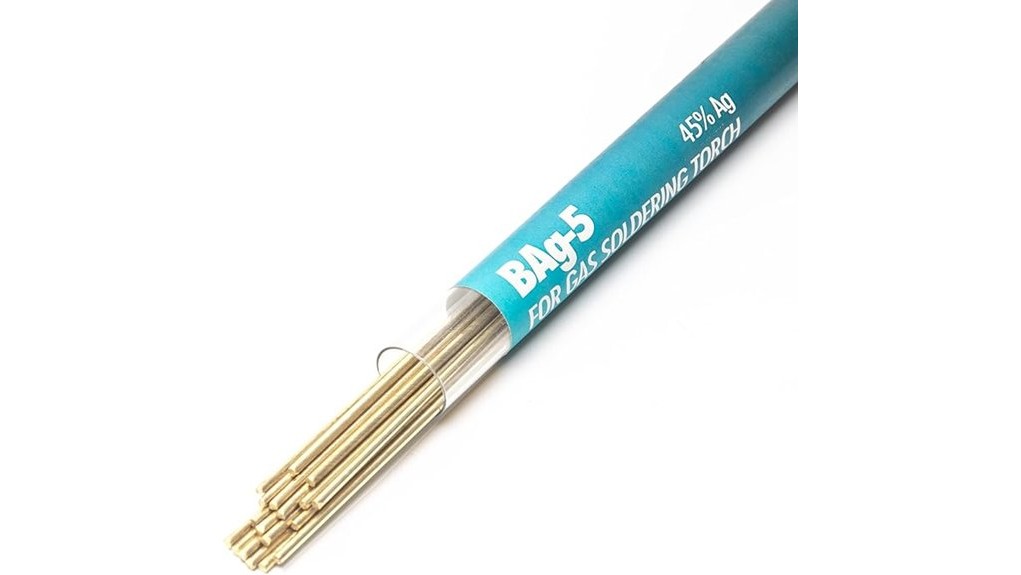
Choosing the right silver brazing rod matters when you need a clean, strong joint on HVAC, refrigeration, or small metal repair work. The Vouyar 20 Sticks 45% Silver Brazing Solder Rod BAg-5 gives you a cadmium-free 45% silver alloy in a thin 1/16” x 10” round rod format. This review explains where it performs well, what you need before using it, and when a different alloy or professional help may be the safer choice. Its biggest strength is smooth flow in tight joints, but it is not a beginner-friendly “just heat and melt” product because flux and correct torch technique are required.
Quick Verdict
Rating: 8/10, Recommended with caveats
Best For: HVAC technicians, refrigeration work, copper/brass brazing, and experienced DIY users who already understand flux and torch control.
Bottom Line: This 45% silver BAg-5 rod set is a strong pick when you need a cadmium-free alloy with good ductility and capillary flow. The main tradeoff is that flux is not included, and poor prep or low heat can lead to weak joints.
Key Takeaways
- The Vouyar BAg-5 rods use a 45% silver, 30% copper, 25% zinc, cadmium-free alloy.
- Each pack includes 20 round rods sized 1/16” x 10”, with a listed rod weight of 77g.
- The alloy has a solidus temperature of 1225°F and a liquidus temperature of 1370°F.
- Flux is necessary, so you should plan to buy or use a compatible brazing flux.
- It fits HVAC-style brazing work with a gas soldering torch, especially where tight joint access matters.
- It is better for users with brazing experience than for first-time users learning on critical joints.
| Specification | Detail |
|---|---|
| Brand | Vouyar |
| Part Number | KMQHB007 |
| Product Type | 45% silver brazing filler rod |
| AWS Classification | BAg-5 |
| Rod Shape | Round |
| Rod Size | 1/16” diameter x 10” length |
| Quantity | 20 sticks |
| Rod Weight | 77g, listed as 2.5 troy ounces |
| Item Weight | 3.2 ounces listed in technical details |
| Composition | 45% silver, 30% copper, 25% zinc, 0% cadmium |
| Temperature Range | 1225°F solidus, 1370°F liquidus |
| Standards Listed | AWS A5.8, ASME SFA 5.8, QQ-B-654A Class BAg-5 |
| Flux Requirement | Flux is necessary and is not listed as included |
| Best Use | HVAC applications and general cadmium-free silver brazing work |
| Torch Compatibility | Suitable for use with a gas soldering torch, according to the listing |
What Is the Vouyar 45% Silver Brazing Rod?
The Vouyar 45% Silver Brazing Rod is a BAg-5 filler metal used for joining compatible metals with heat, capillary action, and flux. It is not the same as low-temperature soft solder. You need enough torch heat to bring the joint area up to brazing temperature so the alloy flows into the gap instead of beading on the surface.
The 1/16” x 10” size makes these rods useful for smaller joints, narrow access points, and controlled feeding. The 45% silver content helps the alloy flow well when the base metals are clean, properly fitted, and heated evenly. That makes this set useful for HVAC service, refrigeration repair, copper/brass assemblies, and small shop work where a cadmium-free silver alloy is preferred.
Before You Buy: Flux is required, and it is not listed as included with these rods. Do not use this set for pressure-bearing, gas, refrigeration, or safety-critical repairs unless you have the right training, materials, and code-compliant process.
Who Should Buy It?
Best For
- HVAC and refrigeration users who need 45% silver BAg-5 filler rods.
- Experienced DIY users working on compatible copper, brass, or small metal joints.
- Buyers who want a 20-stick pack of thin round rods for tighter work areas.
Skip If
- You need flux-coated rods or a complete brazing kit with flux included.
- You want low-temperature electrical solder for circuit boards or wiring.
- You are repairing regulated HVAC, gas, or pressure systems without proper certification.
Product Features and Specifications
The main appeal of this rod set is its 45% silver BAg-5 composition. The listed blend of 45% silver, 30% copper, and 25% zinc gives the rod a balance of flow, ductility, and joint strength when used with the right flux and surface preparation.
The rods measure 1/16” in diameter and 10” long, which gives you better control on smaller fittings than a thicker filler rod. The listing states a 1225°F solidus temperature and a 1370°F liquidus temperature. In practical terms, the alloy starts to melt at the lower number and becomes fully liquid near the higher number.
The product is listed as meeting AWS A5.8, ASME SFA 5.8, and QQ-B-654A Class BAg-5 specifications. That matters if you are matching filler metal type to a job requirement, but you should still confirm the correct alloy, flux, base metal, and procedure for your specific repair.
Material and Build Quality
The cadmium-free alloy is a key safety and usability point. Cadmium-free filler metals are preferred in many work environments because they avoid cadmium content while still offering silver brazing performance. You still need ventilation, eye protection, gloves, and proper flux handling because brazing heat and flux fumes can still create hazards.
The round rod design also matters. A round 1/16” rod feeds easily into compact joints, especially where you want a controlled amount of filler. For wide gaps or loose-fitting joints, you may need more filler, better joint prep, or a different process instead of relying on extra rod alone.
Performance and Application
The Vouyar BAg-5 rods are best suited for clean, close-fitting joints where capillary action can pull the molten alloy into the joint. This is common in HVAC and refrigeration-style brazing, where consistent flow and high-temperature ductility matter. The rod can work well in tight spaces because the thin diameter gives you more control over filler placement.
Performance depends heavily on your prep. The base metal should be clean, the joint should fit closely, and the flux should be compatible with the alloy and job temperature. If the joint is dirty, poorly fitted, or heated unevenly, even a high-silver rod can leave a weak or messy joint.
Pro Tip: Heat the joint area, not just the rod. When the base metal reaches the right temperature, the rod should flow into the joint instead of clumping on top.
How It Performs in Real Use
For HVAC and Refrigeration Work
For HVAC-style brazing, the 45% silver alloy makes sense when you need strong flow and ductility at higher temperatures. The 1/16” size helps when you are working around compact fittings. You should still follow job requirements for purge, pressure testing, and code compliance when the repair involves sealed or pressurized systems.
For Tight Spaces
The thin round rods are useful when you need to feed filler into a narrow joint or awkward angle. A 10” length is short enough to control without feeling bulky. That helps on smaller assemblies, but it also means you may use more sticks on larger jobs.
For Copper and Brass Repairs
The alloy can be a good choice for compatible copper and brass brazing work when the joint is clean and the flux is correct. Its listed silver, copper, and zinc composition supports smooth flow when the parts are heated evenly. Always test on scrap material if you are unsure how the alloy behaves with your specific base metal.
For Shop and DIY Use
Experienced DIY users may like this pack for small fabrication, repair, and practice work. New users should avoid learning on expensive equipment or safety-critical parts. Brazing rewards patience, clean prep, and correct heat control more than force or extra filler.
How to Use It Correctly
Start by cleaning the joint area so oxidation, oil, paint, and dirt do not block flow. Apply a compatible brazing flux unless your process or base material requires a different method. Fit the parts closely because silver brazing works best when the molten filler can draw into a narrow gap.
Bring the base metals up to temperature with even heat. Touch the rod to the joint only after the joint is hot enough to melt and pull the alloy. After cooling, clean off flux residue according to the flux manufacturer’s instructions, then inspect the joint for full flow and proper coverage.
Compatibility and Safety
This product is listed for HVAC applications with a gas soldering torch, but that does not mean it fits every metal, every torch, or every repair. Silver brazing alloy selection depends on the base metals, joint design, service temperature, and required strength. When in doubt, check the equipment manual, local code, or a qualified technician.
Use standard brazing safety practices. Wear eye protection, heat-resistant gloves, and protective clothing. Work with ventilation, keep flammable materials away from the torch area, and avoid breathing flux fumes. Let parts cool naturally before handling because small fittings can stay hot longer than they look.
Customer Feedback and Recommendations
Buyer feedback on this type of 45% silver rod usually centers on flow, melting behavior, and joint strength. Positive users tend to report better results when they use enough heat, clean the joint well, and apply proper flux. Negative experiences often happen when the rod is treated like soft solder or used without correct temperature control.
The most practical recommendation is simple: buy this set if you already know you need BAg-5 45% silver brazing rods. If you are unsure whether your job needs BAg-5, BCuP alloy, flux-coated rod, or another filler metal, confirm the requirement before ordering.
Pros and Cons
Pros
- 45% silver BAg-5 alloy supports strong flow and ductility when used correctly.
- Cadmium-free composition fits buyers who want to avoid cadmium-bearing filler metal.
- 1/16” x 10” round rods are easy to control in smaller joints and tight spaces.
- 20-stick count gives you enough rods for multiple small jobs or practice pieces.
- Listed AWS A5.8, ASME SFA 5.8, and QQ-B-654A Class BAg-5 specifications add useful identification.
Cons
- Flux is required and is not listed as included.
- Not suitable for low-temperature electronics soldering.
- Results depend heavily on torch heat, joint fit, cleaning, and user technique.
Is It Worth the Price?
This is a premium-style consumable compared with lower-silver or phosphorus-copper brazing rods because 45% silver filler metal usually targets cleaner flow and strong joint performance. It is worth considering if you specifically need BAg-5 alloy, a cadmium-free composition, and a thin rod size for controlled work.
The best value goes to buyers who will use the rods for real HVAC, refrigeration, or shop repair tasks rather than casual one-time experimentation. It may not be the best fit if you need a cheaper practice rod, a flux-coated option, or a complete kit with flux and accessories included.
How It Compares to Alternatives
Compared with 15% silver phosphorus-copper rods, this 45% silver BAg-5 option is aimed at users who want a higher silver content and broad cadmium-free silver brazing use. Compared with flux-coated 45% or 56% silver rods, the Vouyar set gives you bare rods, so you have more control over flux choice but must supply it separately.
Harris Safety-Silv 45 is a well-known branded alternative in the same general 45% silver category. The Vouyar set makes sense if you want a 20-stick pack in the listed 1/16” x 10” size and you are comfortable checking material requirements before the job.
Common Mistakes to Avoid
- Skipping flux: The listing states that flux is necessary, so do not expect clean flow without it.
- Heating only the rod: The joint must be hot enough to draw in the filler metal.
- Using it like soft solder: This is a brazing rod, not a low-temperature electronics solder.
- Ignoring joint fit: Loose or dirty joints can leave gaps, weak flow, or poor bond strength.
- Practicing on critical equipment: Learn on scrap before working on expensive or regulated systems.
Frequently Asked Questions
Is this a solder rod or a brazing rod?
This product is best understood as a silver brazing filler rod. It works at much higher temperatures than soft solder and needs proper torch heat, joint prep, and flux.
Is flux included with the Vouyar 45% silver rods?
Flux is not listed as included. The listing states that flux is necessary, so you should have a compatible brazing flux ready before starting the job.
Can you use these rods with a propane torch?
The listing says the rods are suitable for HVAC applications with a gas soldering torch. A propane torch may work on small, low-mass joints, but larger fittings or heat-sinking metals may need a hotter setup and proper technique.
What metals are these rods best for?
They are commonly considered for compatible copper, brass, and HVAC-style metal joining work. Always confirm the right filler metal for your base metals, service conditions, and repair requirements.
Are these rods safe because they are cadmium-free?
Cadmium-free is a useful material detail, but it does not remove all safety concerns. Brazing still involves high heat, flux fumes, hot metal, and fire risk, so you need ventilation and proper protective gear.
What size are the rods?
Each rod is listed at 1/16” in diameter and 10” long. The pack includes 20 sticks with a listed rod weight of 77g, also described as 2.5 troy ounces.
How should you store silver brazing rods?
Store the rods in a clean, dry place away from moisture, dirt, and shop chemicals. Keeping the rods clean helps reduce contamination when you braze later.
Who should skip this product?
Skip it if you need low-temperature solder, flux-coated rods, or a beginner kit with flux and instructions. You should also skip it for regulated repairs unless you are qualified to perform that work safely and legally.
The Bottom Line
The Vouyar 20 Sticks 45% Silver Brazing Solder Rod BAg-5 set is a strong choice if you need cadmium-free 45% silver filler rods for HVAC-style brazing, tight joints, and controlled torch work. You should skip it if you need flux included, want soft solder, or are not ready to manage prep, heat, and safety correctly. It earns a recommended-with-caveats verdict because the alloy and specs are useful, but the final joint quality depends heavily on your process.