Disclosure: As an Amazon Associate, we earn from qualifying purchases. If you click a link on this page and make a purchase, we may receive a small commission at no extra cost to you.
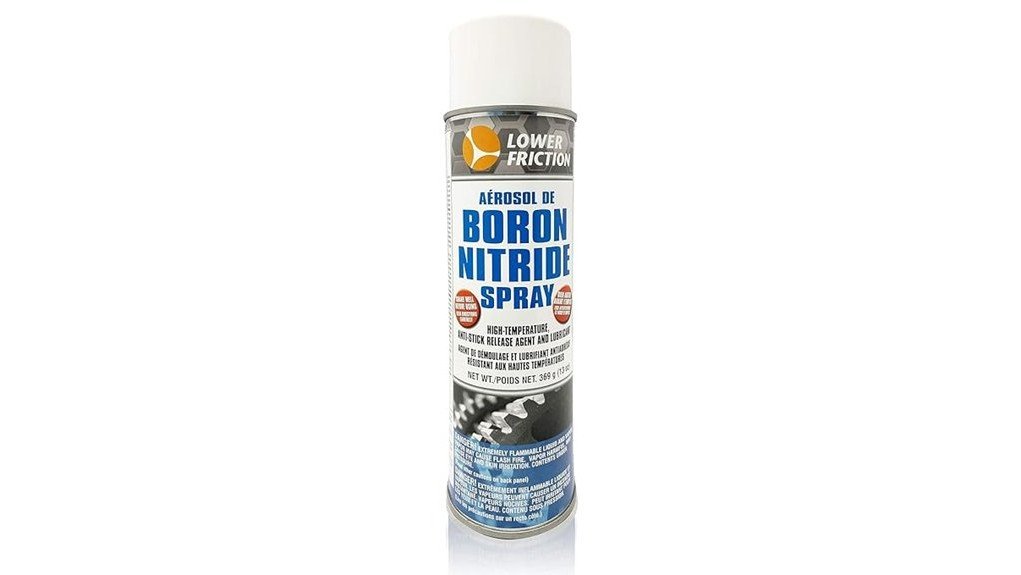
High-heat shop work can make wet lubricants smoke, burn off, or leave residue exactly where you need a clean release layer. The Boron Nitride Aerosol Spray Lubricant is aimed at buyers who want a dry coating for suitable metal, rubber, and plastic surfaces in workshop, welding, casting, and garage settings. This review helps you decide where the spray makes sense, how to use it without overapplying, and what product-label details you should confirm before spraying it near sensitive parts. Its strongest article-supported claim is temperature resistance up to 1000°C in air, while its main drawback is that the supplied article does not verify the brand, can size, warranty, or certification details.
Quick Verdict
Rating: 8/10, Recommended with caveats
Best For: Welders, casters, fabricators, and garage users who need a dry, high-temperature release coating.
Bottom Line: This boron nitride spray is worth considering when you need a clean dry film that can help reduce sticking, friction, wear, and corrosion on suitable surfaces. Skip it if you need verified food-contact approval, electronics certification, or full manufacturer details before purchase.
| Specification | Detail |
|---|---|
| Product name | Boron Nitride Aerosol Spray Lubricant |
| Amazon ASIN in link | B07VJCQ3B1 |
| Brand | Not verified in the supplied article |
| Model | Not verified in the supplied article |
| Product type | Aerosol dry-film lubricant and release coating |
| Design | Spray-applied dry coating for suitable work surfaces |
| Material basis | Boron nitride coating, based on the supplied article |
| Surface compatibility | Article-supported use on metal, rubber, and plastic surfaces |
| Temperature rating | Up to 1000°C in air, based on the supplied article |
| Finish | Smooth dry film intended to reduce sticking and friction |
| Best use | Welding, casting, shop tooling, automotive maintenance, and other suitable high-heat applications |
| Application notes | Clean, low-odor application with no residue claimed in the supplied article |
| Package note | Can size and package count are not verified in the supplied article |
| Safety note | Confirm the exact product label, SDS, ventilation needs, storage rules, and surface restrictions before use. |
What Is the Boron Nitride Aerosol Spray Lubricant?
The Boron Nitride Aerosol Spray Lubricant is an aerosol coating made for jobs where a dry, heat-tolerant layer is more useful than wet oil or grease. The supplied article describes it as suitable for metal, rubber, and plastic surfaces, with a dry film that helps reduce sticking, friction, wear, and corrosion.
Its main appeal is high-temperature release performance. The article-supported resistance of up to 1000°C in air gives it a clear role around welding fixtures, casting tools, hot shop equipment, and parts that see more heat than a typical household lubricant can handle.
Because the article does not verify the brand, can size, manufacturer, warranty, or certifications, you should treat this as a specialty chemical product that requires label checking before use. Confirm the exact seller, safety instructions, and application limits on Amazon before using it on critical parts.
Who Should Buy It?
Best For
- Welders and fabricators who need a dry release layer on fixtures, jigs, or tooling.
- Casting and molding users who want a non-stick coating for suitable high-heat work surfaces.
- Garage and industrial buyers who need a cleaner alternative to oily lubricants on compatible parts.
Skip If
- You need verified food-contact approval, medical approval, or listed electronics certification.
- You need a wet lubricant for sealed bearings, chains, hinges, or parts that require oil penetration.
- You cannot confirm the exact product label, safety data sheet, drying instructions, or surface limits before use.
Before You Buy: The supplied article supports the product type, temperature claim, and surface use, but it does not verify the brand, can size, food-contact approval, or certification details. Check the Amazon listing and safety data sheet before using it on food equipment, electrical parts, plastic trim, rubber seals, or mission-critical machinery.
Key Features of Boron Nitride Aerosol Spray Lubricant
High-Temperature Dry Film
The key feature is the dry boron nitride coating. Instead of leaving a wet oil film, it is meant to create a smooth surface layer that reduces sticking and friction while staying cleaner around dust, grit, and heat.
The article-supported 1000°C in-air temperature rating is the main reason to consider it for welding and casting. That rating gives it a defined role in high-heat settings where many oil-based products may smoke, burn away, or leave unwanted residue.
Release Support for Hot Work Surfaces
A dry release coating can help when parts, spatter, or casting materials tend to stick to a prepared surface. That benefit matters most on fixtures, molds, tooling, and shop surfaces where cleanup time affects the next job.
The spray should still be used as a surface coating, not as a cure for rough tooling, dirty parts, or poor fit. For the best result, clean the surface first and apply only the amount recommended on the label.
Surface Compatibility
The supplied article says this spray can be used on metal, rubber, and plastic. That range is useful when your work area includes mixed materials, such as metal fixtures near polymer parts or rubber contact points.
Surface compatibility still depends on the exact formula and the condition of the part. Test a small hidden area first when you are working with plastic, painted parts, rubber seals, coated metal, or expensive components.
Clean Application and Low Residue
The article describes the spray as clean, low odor, and residue-free after application. That matters when you do not want greasy buildup on fixtures, tooling, molds, or parts that must stay easy to inspect.
A dry coating can also help in areas where oil attracts debris. It is not a replacement for proper preparation, so remove loose rust, old oils, dust, and shop debris before spraying.
How It Performs in Real Use
For Welding Fixtures and Jigs
On welding fixtures, a dry boron nitride layer can help reduce spatter adhesion and sticking on suitable surfaces. That can make cleanup easier and may help keep fixture contact points more consistent between jobs.
Avoid spraying it directly into clamps, threaded mechanisms, or moving assemblies unless the label allows that use. Those parts may need grease, oil, or anti-seize instead of a dry coating.
For Casting and Mold Release
For casting work, the main benefit is heat tolerance and release support. A thin, even film can help create a barrier between hot material and the tool surface, but you should follow the product label for temperature, drying time, and reapplication guidance.
Do not assume one coat will work for every mold or casting material. Heat, abrasion, surface texture, and cleaning methods can all shorten coating life.
For Garage and Automotive Maintenance
In a garage setting, this spray makes sense for hot contact points and parts where a dry coating is preferred over a greasy film. It is not the right choice for every automotive job, especially parts that require a specified grease, oil, thread compound, or manufacturer-approved lubricant.
Use extra caution around brakes, sensors, belts, electrical connectors, and sealed assemblies. Overspray in the wrong place can create contamination even when the coating works well on the intended surface.
For Clean Work Areas
The low-residue finish is useful when you need lubrication without a wet film. It may also help around inspection areas, shop fixtures, or tooling surfaces where oily buildup would hide wear marks or attract grit.
You should not spray it on live electronics, precision measuring tools, or delicate components unless the exact product label clearly allows that use. Dry does not automatically mean electronics-safe or contamination-free.
How to Use It Correctly
Start with a clean, dry surface. Shake the aerosol can as directed on the label, apply a thin and even coat, and allow the film to dry before putting the part back into service.
Heavy spraying can waste product and may create uneven buildup. In high-heat work, a thin, consistent coating is usually more useful than a thick coat that can flake, collect debris, or interfere with part fit.
Reapply when the coating no longer reduces sticking or when heat, abrasion, cleaning, or repeated handling wears it away. Keep a simple note of which surfaces need frequent recoating so you can judge whether the spray is the right long-term option for that job.
Pro Tip: Use this spray as a surface coating, not as a substitute for the grease or oil specified by an equipment maker. If a part has a manufacturer lubrication requirement, follow that requirement first and use this spray only where the label and application make sense.
Common Mistakes to Avoid
The biggest mistake is treating a dry-film release coating like a general-purpose lubricant. This product is better matched to suitable surfaces that need dry release, heat tolerance, and residue control, not moving assemblies that need oil penetration.
Another mistake is skipping the label and SDS. Because the supplied article does not verify certifications, flammability details, storage rules, or food-contact approval, you should confirm those details before use in sensitive areas.
Avoid spraying near open flames, sparks, hot work, or energized equipment unless the product label specifically says it is safe to do so. Aerosol products can carry handling risks before the dry film forms.
Compatibility and Safety
Boron nitride dry lubricants are commonly chosen for high-temperature and clean-release work, but the exact aerosol formula matters. Read the label and safety data sheet for ventilation, personal protection, drying time, storage temperature, and flammability warnings.
Do not assume the spray is food-safe just because boron nitride can appear in some industrial or cosmetic uses. Use it on food-contact equipment only if the exact product listing or safety documentation confirms that approval.
For rubber, plastic, painted surfaces, electronics, and precision tools, test first and avoid spraying into openings, sensors, energized parts, or sealed assemblies. A dry film can help the right surface, but the wrong application can cause contamination or performance problems.
Pros and Cons
Pros
- Article-supported temperature resistance up to 1000°C in air for high-heat work.
- Dry-film coating helps reduce sticking, friction, wear, and corrosion on suitable surfaces.
- Compatible with metal, rubber, and plastic according to the supplied article.
- Clean, low-odor application is useful when you want less oily residue.
- Good fit for welding, casting, shop tooling, and certain garage maintenance tasks.
Cons
- The supplied article does not verify brand, can size, warranty, certification, or package details.
- Not a replacement for required grease, oil, anti-seize, or equipment-specific lubricant.
- Needs correct surface preparation, thin application, and label-confirmed compatibility.
Is It Worth the Price?
This spray is worth considering if you need a specialty dry-film lubricant for high-heat tasks. It gives the most value to buyers who care about clean release, heat resistance, and surface protection more than general-purpose lubrication.
It is not the best fit if you only need a cheap household lubricant or a wet oil for moving assemblies. The value depends on using it where boron nitride makes sense: welding fixtures, casting tools, high-heat shop surfaces, and clean work areas where oily residue is a problem.
Because the article does not verify the exact brand or package size, compare the listing details before buying. A lower price is less useful if the can size, documentation, or surface approval does not match your job.
How It Compares to Alternatives
Compared with graphite spray, molybdenum disulfide products, or PTFE dry lubricants, this boron nitride spray is aimed at buyers who want a clean, high-temperature coating that is not graphite-based. That can matter when you want a light-colored dry film or want to avoid the mess of darker lubricants.
Graphite or molybdenum disulfide may be better for certain mechanical sliding jobs, while PTFE dry sprays may make more sense for lighter, lower-heat household uses. This spray makes the most sense when heat resistance, dry release, and residue control are the main reasons you are buying.
Frequently Asked Questions
Is Boron Nitride Aerosol Spray Lubricant safe for food-contact surfaces?
Do not use it on food-contact surfaces unless the exact product label or safety documentation says it is approved for that use. The supplied article does not verify food-grade certification.
How long does the lubrication effect last?
Service life depends on heat, friction, cleaning, humidity, and how often the coated surface is handled. Reapply when the dry film no longer reduces sticking or friction.
Can you use it in high-humidity environments?
The article says the spray helps reduce corrosion, which can be useful in damp shop conditions. High humidity can still shorten coating life, so inspect the surface and reapply as needed.
What is the drying time after application?
The original article says the coating typically dries within minutes, but drying time can vary by coat thickness, temperature, airflow, and surface material. Follow the can instructions before exposing the part to heat or load.
Is it flammable during use or storage?
Treat it like an aerosol chemical product and read the label before use. Store it in a cool, ventilated area and keep it away from sparks, flame, hot work, and ignition sources unless the label says otherwise.
Can it replace grease or anti-seize?
No, not in every case. Use it as a dry coating where appropriate, but follow equipment requirements when a part calls for grease, oil, thread compound, or anti-seize.
Will it work on plastic or rubber?
The supplied article says it is compatible with plastic and rubber. Because aerosol formulas can vary, test a small hidden area before coating seals, painted trim, polymer parts, or any expensive component.
Who should skip this boron nitride spray?
Skip it if you need verified food-safe, medical, or electronics-certified use and cannot confirm those details. You should also skip it for parts that require a specific wet lubricant from the equipment maker.
The Bottom Line
The Boron Nitride Aerosol Spray Lubricant is a practical choice for buyers who need a clean dry-film coating for suitable high-heat shop, welding, casting, and garage tasks. Its main strength is heat-resistant release performance, while its main limitation is the lack of verified brand, size, warranty, and certification details in the supplied article.
Buy it if your priority is dry release and residue control on compatible surfaces. Skip it if you need documented food-contact approval, a wet lubricant, or a product with fully verified manufacturer details before purchase.