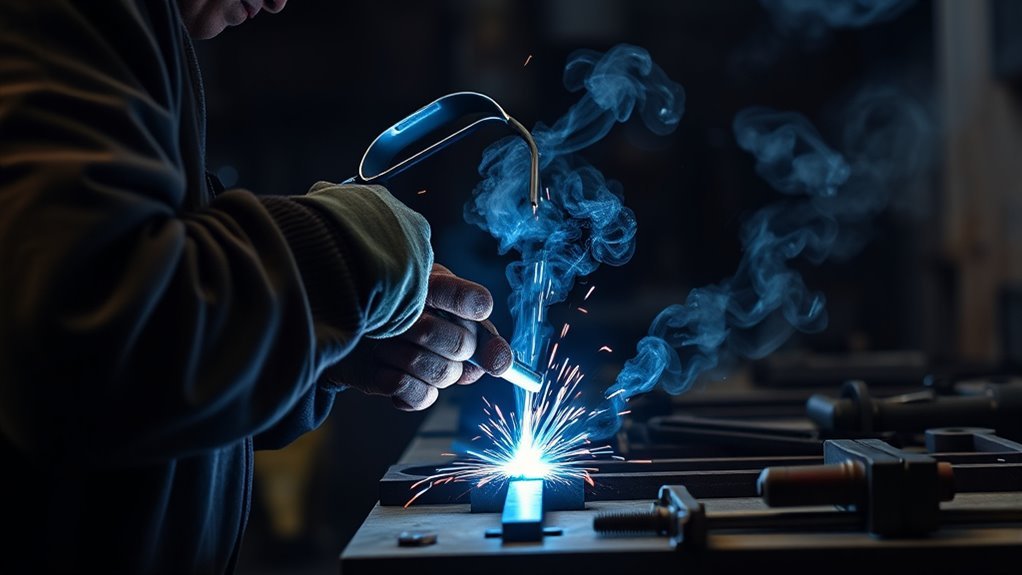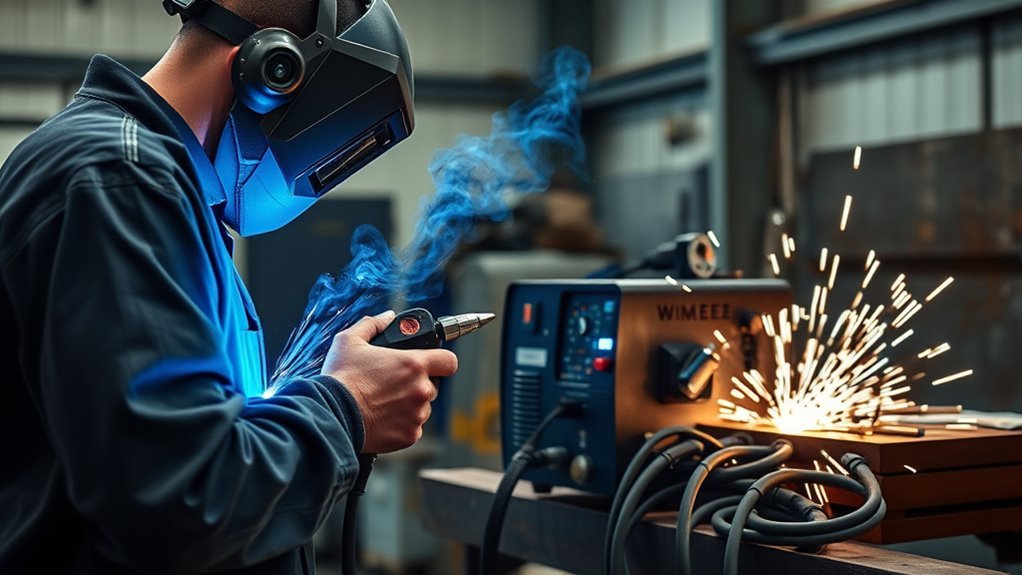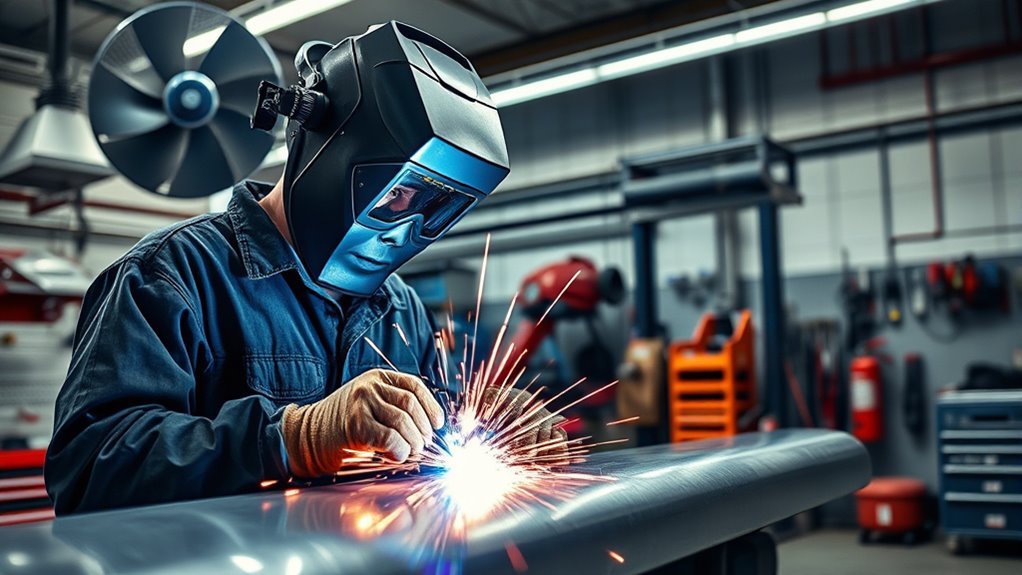
Welding galvanized steel in auto repair is possible, but it is not a “just strike an arc” job. The zinc coating that protects the steel from rust can burn during welding, creating hazardous fumes and increasing the chance of porosity, spatter, and weak welds. Before you weld, identify the panel, check the vehicle maker’s repair procedure, remove coating where needed, control fumes at the source, and restore corrosion protection after the repair.
Quick Answer
To weld galvanized steel in auto repair, clean the joint, remove the zinc coating far enough from the weld zone to avoid burning it, use strong ventilation or fume extraction, wear proper PPE, and restore corrosion protection after welding with an approved zinc-dust repair coating, primer, seam sealer, and cavity protection.
Key Takeaways
- Do not weld galvanized steel until you understand the fume hazard, the panel material, and the OEM repair procedure.
- Remove zinc from the immediate weld area when the procedure allows it; 1 to 4 inches is a practical working range on many repairs, not a universal standard.
- Use local exhaust ventilation or fume extraction whenever possible, because open doors or outdoor work do not automatically make welding fumes safe.
- Use a NIOSH-certified respirator only as part of a proper respiratory protection plan when ventilation cannot keep exposure low enough.
- After welding, protect bare steel with the correct coating system so the repair does not rust from the weld, seam, or backside.
At a Glance
| Time Required | 30 minutes to several hours, depending on coating removal, panel access, and corrosion-protection steps |
| Difficulty | Intermediate to advanced, especially on thin body panels or structural parts |
| Tools Needed | Welder, grinder or abrasive wheel, wire brush, degreaser, clamps, fume extraction, welding helmet, gloves, protective clothing, and suitable respiratory protection when required |
| Cost | Low for small prep materials; higher if you need fume extraction, approved coatings, or professional collision repair equipment |
Warning: This article is general repair guidance, not a substitute for the vehicle maker’s collision repair procedure, OSHA requirements, or professional training. Do not weld structural, high-strength, galvanized, galvannealed, or coated panels unless the OEM procedure allows that repair method.
What Makes Galvanized Steel Different for Auto Welders?
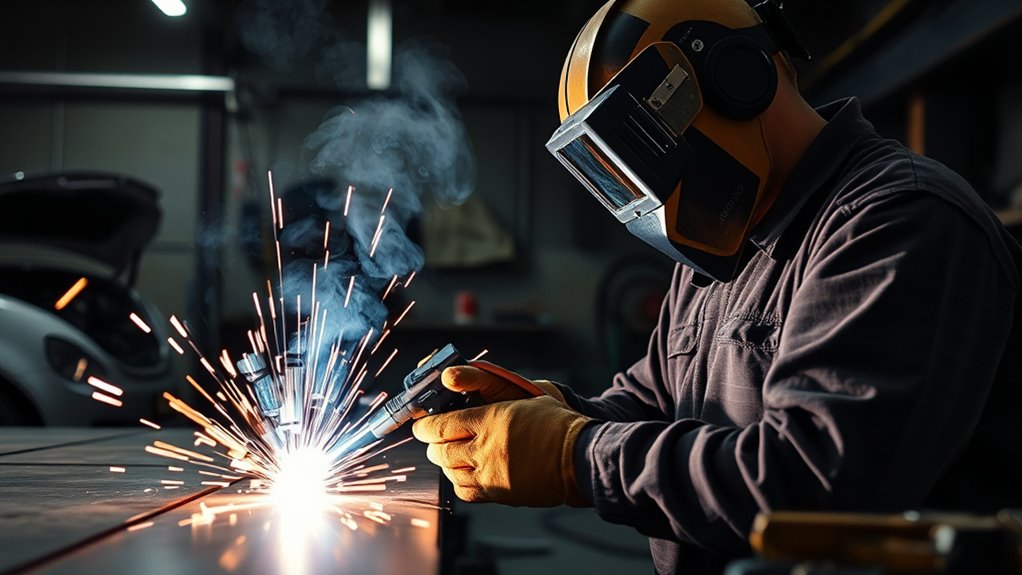
Galvanized steel is steel coated with zinc to slow corrosion. That zinc coating is useful on cars because body panels, brackets, and underbody parts face water, road salt, mud, and temperature changes. The problem starts when you weld through or near the coating.
As the arc heats the steel, zinc near the weld can burn off and become part of the welding fume. OSHA lists zinc among the metals that can be present in welding fume, and its welding-fume guidance warns that fumes and gases can cause acute symptoms and longer-term health problems. OSHA’s welding fume fact sheet also says welding surfaces should be cleaned of coatings that could create toxic exposure.
The zinc coating can also affect weld quality. If zinc is trapped in the joint, it can contribute to porosity, spatter, contamination, and poor fusion. That is why surface preparation matters as much as welder settings.
Note: Many vehicles use electrogalvanized or galvannealed steel rather than heavy hot-dip galvanized coating. The coating may look different, but the safety rule is the same: do not burn unknown coatings without checking the repair procedure, SDS information, and ventilation plan.
Why Safety Matters When Welding Galvanized Steel
Safety is the first step when you weld galvanized steel because the hazard is not only heat, sparks, and electric shock. The coating itself can become part of the fume cloud.
Before you weld, control these risks:
- Zinc fume exposure: Burning zinc-bearing coatings can expose you to metal fumes. OSHA notes that health effects from welding fumes can include metal fume fever, irritation, dizziness, nausea, and other serious effects.
- Poor ventilation: Open doors are not always enough. OSHA says outdoor or open-space work does not guarantee adequate ventilation, and local exhaust ventilation can be used to remove fumes from the breathing zone.
- Improper respirator use: A respirator must be suitable for the hazard. In workplaces where respirators are required, OSHA’s respiratory protection standard requires proper selection, training, fit testing, medical evaluation, and a written program.
- Auto repair mistakes: Welding the wrong panel, using the wrong joining method, or overheating high-strength steel can weaken the repair. Always check the OEM procedure before welding.
- Corrosion after welding: Grinding and welding remove protective coating. If you do not restore that protection, rust can start at the weld, seam, flange, or backside.
Best Practices for Removing the Zinc Coating
Removing zinc from the weld area gives you a cleaner weld and reduces the amount of coating that can burn. The exact removal width depends on the repair procedure, weld type, panel thickness, and heat input. For many small auto-repair welds, clearing about 1 to 4 inches around the weld zone gives you room to work, but do not treat that as a code requirement or a replacement for the OEM procedure.
Products Worth Considering

Durable Material : The preferred material used was top-quality steel which has excellent thermal resistance.The cutting blade has a diameter of 3/8 inches, and the arbor is of standard 1/4 inch size.

69 percent zinc metal

Heavy-Duty HSS Spot Weld Cutter : Made from premium High-Speed Steel (HSS) with cutting edge hardness up to 63–66 HRC, this spot weld cutter delivers exceptional durability, sharpness, and strong penetration power for fast and efficient metal cutting
Effective Removal Techniques
- Mechanical grinding: Use a flap disc, abrasive wheel, or sanding tool to remove the zinc coating from the weld path. Use light pressure on thin body panels so you do not thin or warp the steel.
- Wire brushing: A wire brush can clean residue and edges after grinding, but it should not be your only prep method if zinc remains in the joint.
- Chemical stripping: Use only a product designed for the coating and surface. Follow the product label and SDS, wear chemical-resistant PPE, rinse or neutralize as directed, and dispose of residue properly.
- Weld-through primer: Use it only where the vehicle maker and primer manufacturer allow it. Some procedures allow weld-through primer on mating flanges, while some MIG plug welds require clean bare metal at the weld hole.
Pro Tip: Prep both sides of the joint when you can reach them. Zinc, paint, seam sealer, oil, and rust on the backside can still burn into the weld and create porosity.
Safety Precautions Required During Coating Removal
Coating removal can create dust and chemical residue before you even start welding. Keep dust out of the vehicle cabin, wiring, insulation, and HVAC openings. Vacuum with suitable equipment, wipe the area clean, and keep flammable trim, seam sealer, undercoating, and sound deadener away from sparks.
| Method | Best Use | Main Caution |
|---|---|---|
| Grinding or sanding | Fast coating removal around the weld zone | Can thin panels, create dust, and throw sparks |
| Chemical stripping | Tight areas where grinding is difficult | Requires SDS review, PPE, neutralizing, and disposal |
| Weld-through primer | Approved mating flanges and hidden overlap areas | Can contaminate welds if used against procedure or product directions |
| Local exhaust ventilation | Capturing dust and welding fumes close to the source | Must be positioned close enough to pull fumes away from your breathing zone |
Step-by-Step Process for Welding Galvanized Steel in Auto Repair
A clean process helps you control fumes, heat, fit-up, and corrosion protection. Use this workflow only when welding is an approved repair method for the part.
- Identify the part and repair method. Check whether the panel is mild steel, high-strength steel, galvanized, galvannealed, or another coated steel. Review the OEM procedure before cutting or welding.
- Remove nearby hazards. Move interior trim, foam, carpet, wiring, fuel lines, undercoating, and seam sealer away from heat and sparks.
- Clean the metal. Remove paint, zinc coating, rust, oil, adhesive, and debris from the weld area. For related prep, see this guide on how to clean mild steel for welding.
- Fit and clamp the joint. Tight gaps reduce burn-through and help the weld pool stay controlled on thin auto panels.
- Set up ventilation. Place the fume extractor or movable hood so it pulls fumes away from your face, not across it.
- Make a test weld. Use scrap of the same thickness and coating type when possible. Adjust wire speed, voltage, travel speed, and stitch length before welding the vehicle.
- Weld in short passes. Use tack welds or stitch welds on thin panels to reduce heat buildup. Let the area cool between welds.
- Inspect both sides. Look for porosity, lack of fusion, cracks, burn-through, and coating contamination.
- Dress only as needed. Grind welds carefully so you do not weaken the repair or thin the surrounding panel.
- Restore corrosion protection. Use primer, seam sealer, zinc-dust repair coating where appropriate, topcoat, undercoating, and cavity wax based on the repair location.
Top Welding Techniques for Galvanized Steel
The right welding process depends on the vehicle, panel location, access, and OEM repair procedure. Do not choose a process only because it is convenient.
- MIG/GMAW: MIG welding is common in auto body repair because it is fast and works well on many steel repairs when settings and fit-up are correct. For galvanized steel, clean the joint thoroughly and use short welds to reduce heat.
- Resistance spot welding: Many factory-style flange repairs use squeeze-type resistance spot welding when the OEM procedure allows it and the shop has the correct equipment.
- TIG/GTAW: TIG gives excellent control, but it is slower and can add more heat if the operator is not careful. It is less common for routine galvanized auto-body joints.
- Brazing or silicon bronze MIG brazing: Some collision procedures use lower-heat joining methods on certain panels. Use them only where specified.
If you need to weld a joint that carries load, check your weld size, fit-up, and heat input. This guide on proper fillet weld sizing can help with general weld-design awareness, but it does not replace vehicle-specific repair instructions.
Critical Safety Gear and Effective Ventilation for Welding
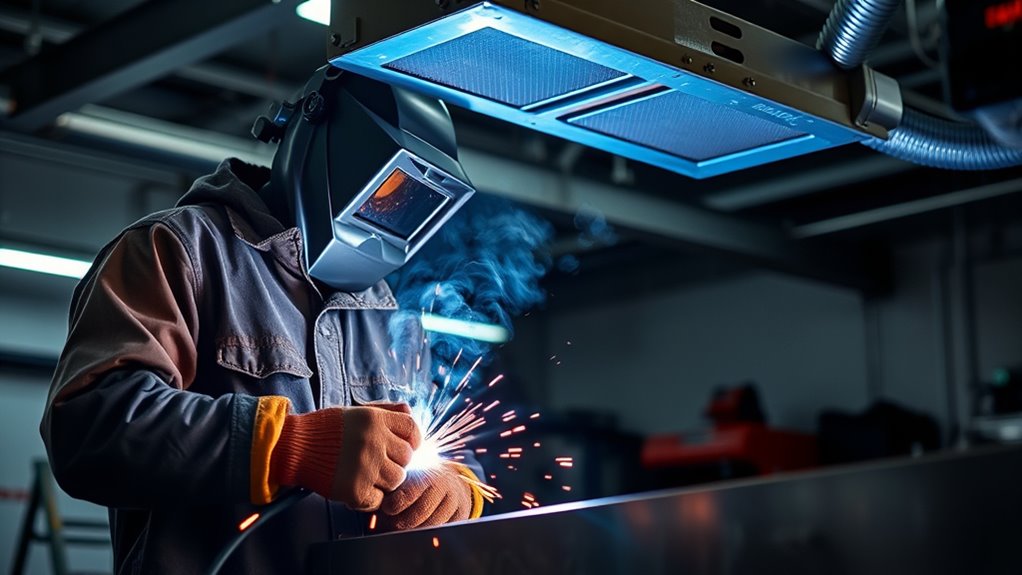
For galvanized steel, PPE is the backup layer. Your first goal is to reduce fumes at the source. OSHA’s welding, cutting, and brazing requirements specifically address zinc-bearing metals and coated materials for indoor and confined-space work.
Use these controls together:
- Local exhaust ventilation: Place a fume arm, hood, or extractor close to the plume so it pulls fumes away from your breathing zone.
- General ventilation: Use fresh air movement to reduce buildup in the work area, but do not rely on open doors alone.
- Positioning: Keep your head out of the plume. When outdoors, work upwind when possible.
- Respiratory protection: Use a NIOSH-certified respirator suitable for metal fumes when ventilation and work practices are not enough. In a workplace, required respirator use must follow OSHA 1910.134.
- Eye and skin protection: Wear a welding helmet with the correct shade, gloves, fire-resistant clothing, and eye protection for grinding.
- Fire protection: Keep a fire extinguisher nearby and check hidden areas after welding because sparks can ignite insulation, seam sealer, dust, or trim.
Warning: Never weld galvanized steel in a confined space without proper ventilation and a compliant respiratory protection plan. If you feel chest tightness, fever, chills, dizziness, nausea, throat irritation, or shortness of breath after welding, stop work, get fresh air, and seek medical advice.
Products Worth Considering

HIGH PERFORMANCE: The solder fume extractor is equipped with a high performance fan with double ball bearing design, which has a service life of up to 50,000 hours, does not produce high temperature problems, low noise.
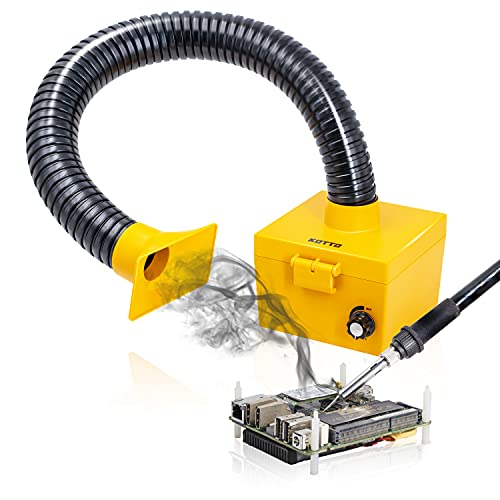
Soldering Smoke Absorber, Electric Iron Welding Fume Extractor Soldering Smoke Absorber Remover DIY Fume Extractor Filter with Strong Suction,usable while charging/plugged-in

NIOSH P100 RATED PROTECTION: The P100 Half-Mask respirator with replaceable filters offers reliable protection against dust, metal fumes, and oil mist
Common Weld Defects on Galvanized Steel and How to Fix Them
Galvanized steel often shows problems quickly when prep is poor. Use the weld appearance as feedback, then fix the cause before continuing.
| Problem | Likely Cause | Fix |
|---|---|---|
| Porosity | Zinc, paint, oil, rust, or adhesive burning into the puddle | Stop, grind out the porous weld, clean both sides, and retest settings |
| Excess spatter | Contaminated surface, incorrect voltage, poor ground, or unstable stickout | Clean the joint, improve ground contact, and tune voltage and wire speed |
| Burn-through | Too much heat, wide gap, or over-thinned panel | Use shorter welds, lower heat, better fit-up, and cooling time between tacks |
| Poor coating adhesion after welding | Soot, zinc residue, oil, or underprepared weld surface | Clean, abrade, degrease, and follow the coating manufacturer’s recoat window |
Managing Corrosion Risks After Welding Galvanized Steel
Welding removes or damages the zinc coating near the repair. That bare steel needs protection quickly, especially on vehicles exposed to road salt, wheel spray, and trapped moisture.
Why Post-Weld Coating Repair Matters
True re-galvanization is not practical for most welded vehicle-panel repairs because the part is already installed on the vehicle. In shop and field work, damaged galvanized coatings are often repaired with zinc-based solders, paints containing zinc dust, or sprayed zinc. ASTM’s A780/A780M practice describes these repair categories for damaged hot-dip galvanized coatings, including areas damaged by welding or cutting.
For auto repair, your coating stack may include epoxy primer, weld-through primer where approved, zinc-dust repair coating where appropriate, seam sealer, topcoat, undercoating, and cavity wax. The correct choice depends on the panel location and the paint-system instructions.
Post-Weld Coating Options
| Method | Best Use | Key Considerations |
|---|---|---|
| Zinc-dust repair coating | Bare steel near damaged galvanized coating | Use a product intended for galvanized repair and follow its surface-prep and recoat directions |
| Epoxy primer | Clean exterior repair areas before topcoat or filler system | Follow flash times and compatibility with filler, seam sealer, and topcoat |
| Seam sealer | Lap joints, flanges, and seams that can trap moisture | Apply over the approved primer stage, not over dirty or bare contaminated steel |
| Cavity wax | Inside rockers, pillars, doors, quarter panels, and hidden weld backsides | Apply after paint work unless the product instructions say otherwise |
For painting prep on galvanized surfaces, see this guide on how to clean galvanized metal before painting.
Alternatives to Welding Galvanized Steel
Sometimes the best way to handle galvanized auto steel is to avoid welding it. This is especially true when the OEM procedure specifies another joining method or when welding would overheat coatings, adhesives, or high-strength steel.
Common alternatives include:
- Resistance spot welding: Often used on flanges when the correct machine and repair procedure are available.
- Rivets or mechanical fasteners: Used in some OEM-approved panel bonding and sectioning procedures.
- Structural adhesive bonding: Used where specified to reduce heat and seal joints.
- Brazing or MIG brazing: Used on certain panels when the manufacturer calls for a lower-heat process.
- Panel replacement: Safer than welding a compromised or corrosion-damaged section in some repairs.
Note: Do not substitute bolts, rivets, adhesive, brazing, or welding for each other unless the vehicle maker allows it. A joint that looks strong can still fail crash-load, corrosion, or durability requirements.
Best Practices for Restoration and Maintenance
After welding galvanized steel, your job is not finished until the weld and surrounding metal are protected from corrosion. The heat-affected zone, ground area, plug-weld holes, backside, and seams all need attention.
- Inspect the weld. Look for pinholes, cracks, porosity, undercut, and poor fusion before adding coatings.
- Clean the area. Remove soot, grinding dust, zinc residue, oil, and loose scale.
- Protect bare metal. Use the primer or zinc-dust repair coating recommended for the repair location and paint system.
- Seal seams. Apply seam sealer where moisture could enter a flange or lap joint.
- Protect hidden sides. Use cavity wax or the OEM-specified internal corrosion protection after paint work where needed.
- Recheck the repair. Confirm drain paths are open, no coating was burned away on the backside, and no interior materials were heat damaged.
If the repair area had rust before welding, remove it completely before you start. Welding over corrosion can contaminate the weld and shorten the repair life. For related guidance, see this article on whether you can put Rust-Oleum over rust.
When Not to Weld Galvanized Steel
Do not weld galvanized steel just because you can make the metal melt. Stop and choose another plan when:
- the OEM procedure does not allow welding on that panel or location;
- the part is structural, high-strength, or part of the crash-energy path and you have not confirmed the repair method;
- you cannot remove flammable materials behind the weld area;
- you cannot provide safe ventilation or fume extraction;
- the repair is inside a confined space without a compliant safety plan;
- the metal is too thin, rusted, or contaminated to make a sound weld;
- you are unsure whether the coating contains zinc, lead, cadmium, chromate, or another hazardous material.
Frequently Asked Questions
How do you make galvanized steel safe to weld?
Make galvanized steel safer to weld by checking the repair procedure, cleaning the joint, removing zinc from the weld zone when allowed, using local exhaust ventilation, keeping your head out of the fume plume, wearing full welding PPE, and using suitable respiratory protection when ventilation cannot control exposure.
Why are you not supposed to weld galvanized steel without preparation?
You should not weld galvanized steel without preparation because the zinc coating can create hazardous fumes and contaminate the weld. It can also increase porosity, spatter, and corrosion problems after the repair.
What happens if you weld galvanized steel without a respirator?
If fumes are not controlled, welding galvanized steel without suitable respiratory protection can expose you to metal fumes, including zinc-containing fumes. Symptoms after exposure can include throat irritation, chills, fever, dizziness, nausea, coughing, or shortness of breath. Leave the area, get fresh air, and seek medical advice if symptoms appear.
Can you weld galvanized steel without grinding?
You should avoid welding through zinc when you can safely remove it first. Some controlled procedures may involve coated metal, but in auto repair, grinding or otherwise removing the coating from the weld zone usually gives a cleaner weld and reduces fume generation. Always follow the OEM procedure.
Is MIG welding galvanized auto body steel safe?
MIG welding galvanized auto body steel can be done safely only with the right preparation, ventilation, PPE, and repair procedure. Clean the joint, remove coating where needed, tune settings on scrap first, and restore corrosion protection after welding.
Do you need to paint galvanized steel after welding?
Yes. Welding burns or removes the protective zinc near the joint, so bare steel needs corrosion protection. Depending on the repair, that may include zinc-dust repair coating, epoxy primer, seam sealer, topcoat, undercoating, and cavity wax.
Conclusion
Welding galvanized steel in auto repair takes more planning than welding clean bare steel. The zinc coating helps fight rust, but it can create hazardous fumes and weld defects when heated. For a safer, stronger repair, follow the OEM procedure, clean the joint, remove coating from the weld zone when allowed, control fumes with ventilation or extraction, use proper PPE, inspect the weld, and restore corrosion protection on every exposed surface.
Sources
- OSHA — Controlling Hazardous Fume and Gases during Welding — backs up welding fume hazards, cleaning hazardous coatings, ventilation, and respirator cautions.
- OSHA 29 CFR 1910.252 — Welding, Cutting, and Brazing — backs up ventilation requirements for zinc-bearing coated metals, indoor welding, and confined-space welding.
- OSHA 29 CFR 1910.134 — Respiratory Protection — backs up respirator selection, fit testing, training, medical evaluation, and written program requirements.
- ASTM A780/A780M — Repair of Damaged and Uncoated Areas of Hot-Dip Galvanized Coatings — backs up galvanized coating repair methods after welding or cutting damage.