Finishing welds on auto body panels is about more than making the repair look smooth. You need to remove only the excess weld, keep heat out of the thin panel, correct small highs and lows, then clean, prime, and seal the repair so rust does not start under the paint. Work slowly, use the right abrasive for each stage, and stop before you thin the surrounding sheet metal.
Quick Answer
To smooth welds on auto body panels, first inspect the weld for pinholes, then grind only the high bead with a rated grinding or flap disc. Use light pressure, keep the tool moving, planish low spots with a hammer and dolly, sand through finer grits, clean the metal, then apply primer, filler if needed, seam sealer, and corrosion protection.
Key Takeaways
- Use a grinding disc, flap disc, or abrasive disc rated for your tool and RPM. Do not side-grind with a thin cut-off wheel unless the wheel is specifically rated for that use.
- Grind the weld bead down gradually. Stop before the surrounding panel gets thin, blue, or wavy.
- Use hammer and dolly work before filler so you correct metal shape instead of hiding low spots under thick filler.
- Clean both sides of the repair, then use primer, seam sealer, and backside corrosion protection before final paint work.
At a Glance
| Time Required | 30 minutes to 2 hours for a small patch, longer if you need metal finishing, filler, primer, or seam sealer cure time |
| Difficulty | Moderate; the hard part is controlling heat and not thinning the panel |
| Tools Needed | Angle grinder, flap disc, 2-inch or 3-inch abrasive discs, DA sander, hammer and dolly, sanding blocks, PPE, wax and grease remover, primer, seam sealer, and filler if needed |
| Cost | About $10 to $60 in abrasives and consumables if you already own the tools |
Understanding the Importance of Finishing Welds on Auto Body Panels
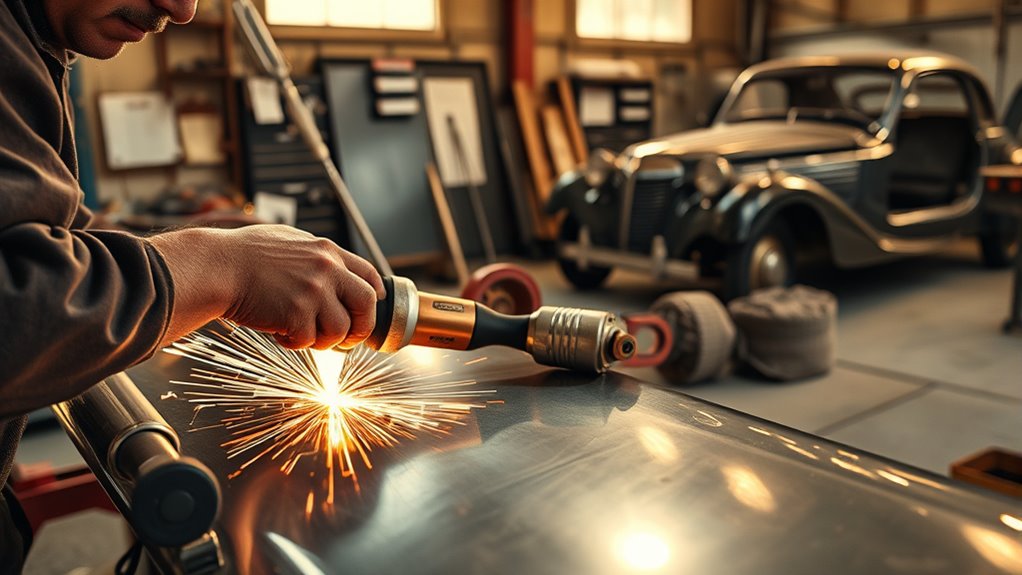
Finishing welds on auto body panels is not just a cosmetic step. A rough weld bead can leave high spots under paint, trap moisture along the seam, and make filler work harder than it needs to. A properly finished weld blends into the surrounding sheet metal while leaving enough weld strength in place.
The goal is simple: remove the extra bead, not the panel. Thin body metal can warp, oil-can, or lose strength if you grind too hard. That is why you should work in short passes, use light pressure, and check the surface often with your hand, a straightedge, or a guide coat.
A good finish also prepares the repair for corrosion protection. Once the weld is smooth, the metal should be cleaned, primed, sealed where needed, and protected on the backside. If the backside is left bare, rust can start even when the painted side looks perfect.
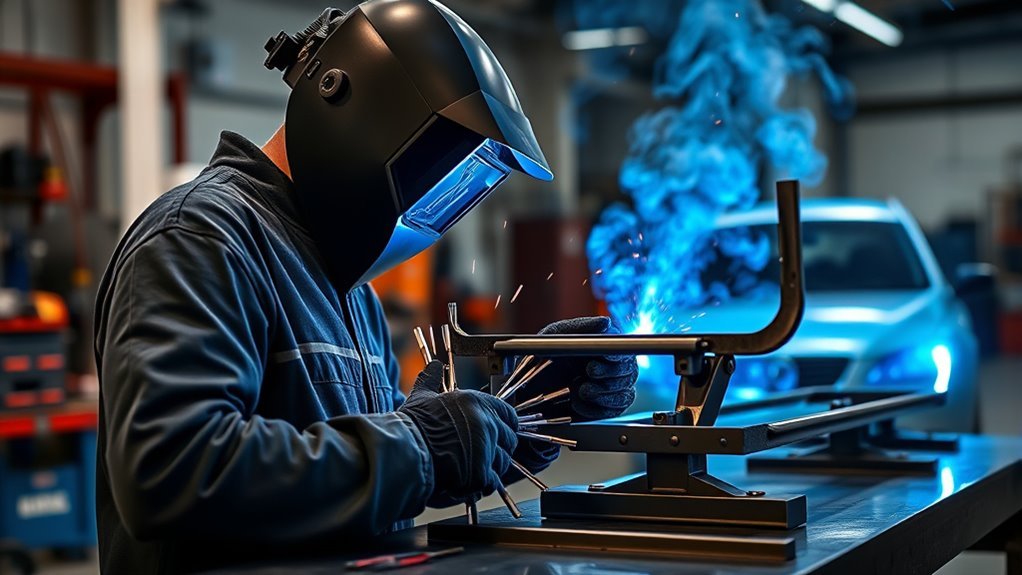
Warning: Grinding and welding throw sparks, dust, sharp metal, and hot slag. Use eye and face protection, gloves, hearing protection, flame-resistant clothing, and suitable ventilation. OSHA requires appropriate eye or face protection for hazards such as flying particles, molten metal, and injurious light radiation. See OSHA 1910.133 eye and face protection.
Before You Grind the Weld
Before you touch the weld with a grinder, let the panel cool and inspect the seam. Do not grind a weld that still has gaps, pinholes, or cold spots. Grinding first can hide a weak weld and make it harder to repair cleanly.
- Check for pinholes: Look closely along the seam with a bright light. Any tiny hole should be rewelded before finishing.
- Inspect the backside: Look for burn-through, heavy slag, bare steel, damaged coatings, wiring, insulation, or trim near the repair.
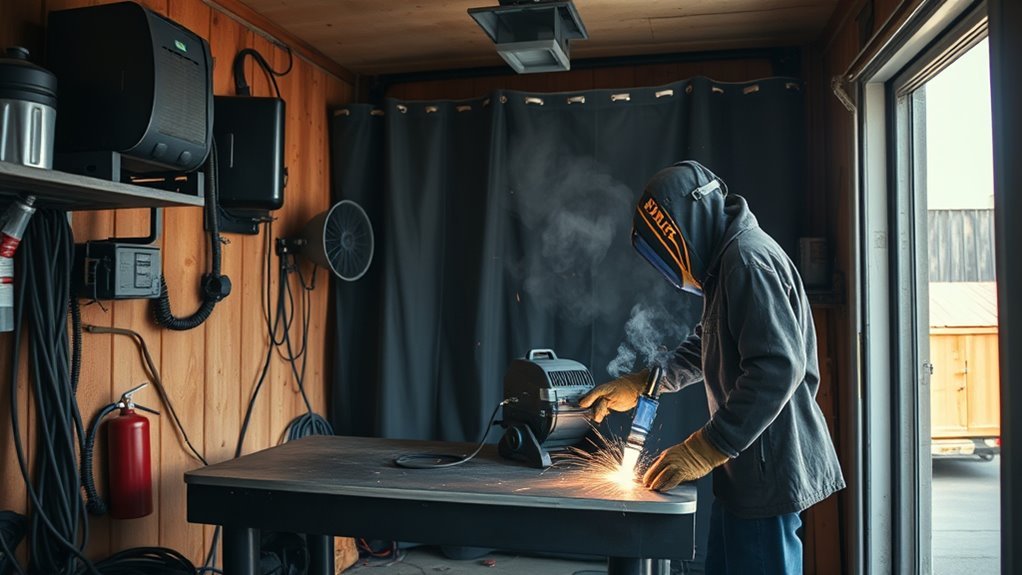
- Remove nearby combustibles: Move paper, rags, upholstery, fuel vapors, and other fire hazards away from the area. OSHA hot-work guidance says movable fire hazards should be taken to a safe place when welding or cutting is performed. See OSHA 1910.252 welding, cutting, and brazing requirements.
- Protect glass and trim: Sparks can pit glass and melt plastic. Use welding blankets or metal shields where needed.
- Wear respiratory protection when needed: Welding fumes and grinding dust can contain metals and old coatings. NIOSH notes that welding fumes are composed of metals and may contain manganese. See the CDC/NIOSH welding fumes resource.
Note: If you are working on a late-model vehicle, check the OEM repair information before welding or grinding structural areas, high-strength steel, aluminum panels, sensors, airbags, or battery-adjacent components.
Common Mistakes to Avoid When Finishing Welds
Achieving a clean weld finish takes control. Most problems come from removing too much metal, building too much heat, or trying to fix metal shape with filler alone.
- Grinding directly into the panel edge: This can thin the parent metal and create a low trench beside the weld.
- Using too much pressure: Heavy pressure makes heat, gouges the surface, and shortens abrasive life.
- Staying in one spot too long: Heat builds fast on thin panels. Keep the disc moving and pause often.
- Using the wrong wheel: A thin cut-off wheel is for cutting. Use a grinding disc, flap disc, or abrasive disc rated for grinding and for your tool speed. OSHA abrasive-wheel rules cover guarding and wheel safety for abrasive machinery. See OSHA 1910.215 abrasive wheel machinery.
- Skipping hammer and dolly work: If the weld area is low, filler will get thick. Correct the metal first whenever you can.
- Leaving the backside bare: Bare weld metal and heat-damaged coatings can rust from behind the panel.
Finally, regularly check your grinding equipment for worn discs, loose guards, damaged cords, cracked wheels, and wrong RPM ratings. Additionally, ensuring that your work area is free from flammable materials can further reduce the risk of accidents during the grinding process.
Grinding and Smoothing Welds: Step-by-Step
To effectively grind and smooth your welds, start by using the least aggressive tool that will remove the high bead. On thin auto body panels, control matters more than speed.
- Knock down only the highest weld bead. Start with a coarse abrasive such as a 50-grit grinding disc or flap disc when the bead is tall. Hold the tool steady and work across the bead, not deep into the surrounding panel.
- Stop before the weld is perfectly flat. Leave the weld just a touch proud, then switch to a finer abrasive. This helps prevent gouging beside the seam.
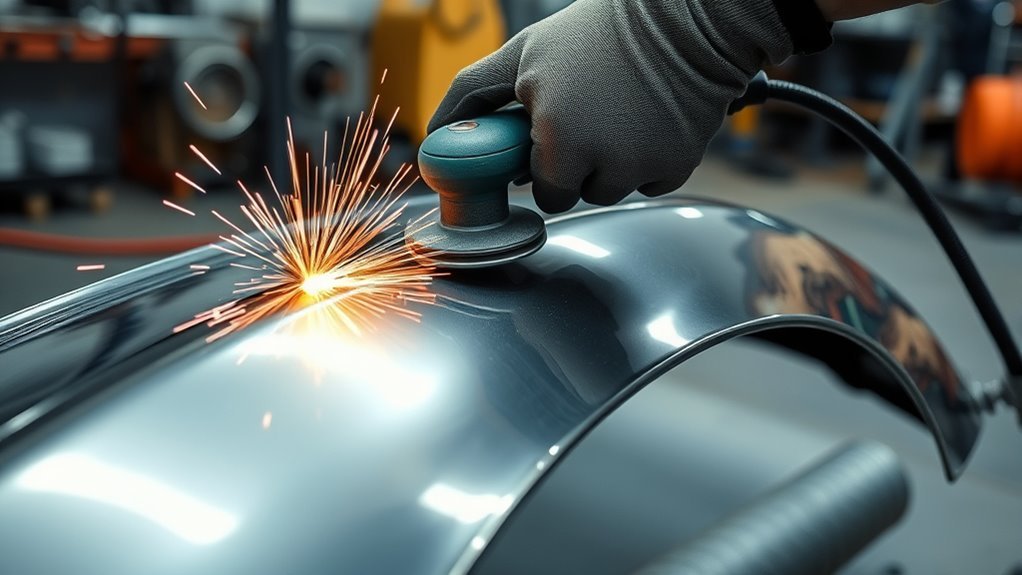
- Move to 80 to 120 grit. Use lighter pressure to blend the weld into the panel. A smaller 2-inch or 3-inch disc can give you better control than a large grinder in tight spots.
- Use the hammer and dolly technique. If the seam is low, place the dolly behind the panel and use light taps to raise low spots. If the weld is high, planish carefully instead of grinding the whole area thin.
- Sand the repair area. A DA sander or hand block can refine scratches after grinding. Work toward the grit recommended by your primer or filler product.
- Clean the metal. Blow off dust, vacuum the area, and wipe with a proper wax and grease remover before primer or filler.
- Protect the repair. Apply epoxy primer or the coating system recommended for your materials, then use seam sealer where the panel joint needs sealing.
Additionally, selecting the right grit size is crucial for achieving the desired finish without damaging the metal.
Pro Tip: Use your fingertips, not just your eyes. A weld can look smooth under shop light but still feel high, low, or wavy. A light guide coat can also reveal scratches and low spots before primer.
Products Worth Considering

【Quality Materials】 The purple diamond material of strip disc is a high-strength, high-wearing honeycomb soft abrasive tool formed by with premium purple nylon webbing and grains. Using fiber mesh as a carrier, using resin elastomer, The sharp abrasive adheres firmly to the fiber web.
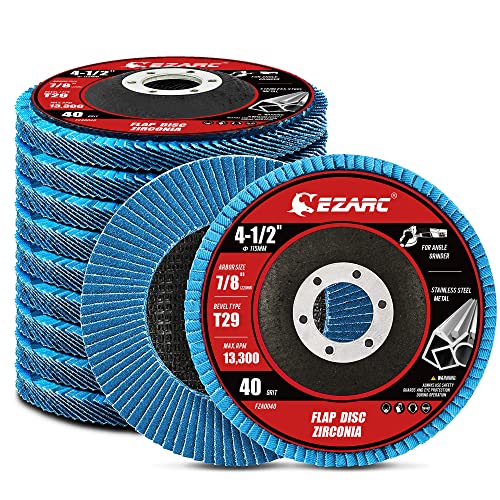
【Great Performance】EZARC flap sanding discs are made of hard zirconia material which lasts longer than standard aluminum oxide abrasive material, built for a more robust and economical grinding wheel

How to Control Heat and Prevent Warping
Heat control does not stop when the welding stops. Grinding can also overheat a panel. If the metal turns blue, the panel feels too hot to touch near the repair, or the surface starts to ripple, stop and let it cool naturally.
- Use short grinding passes instead of one long pass.
- Keep the disc flat enough to stay controlled, but do not dig the edge into the panel.
- Switch to a finer abrasive as soon as the weld bead is close to level.
- Let the panel cool between passes.
- Do not chase every tiny mark with a grinder. Finish small scratches with sanding blocks or a DA sander.
The best weld finish is not the one with the most grinding. It is the one where the bead is blended, the panel is still strong, and the metal stays flat.
Key Tools for Smoothing Welds Effectively
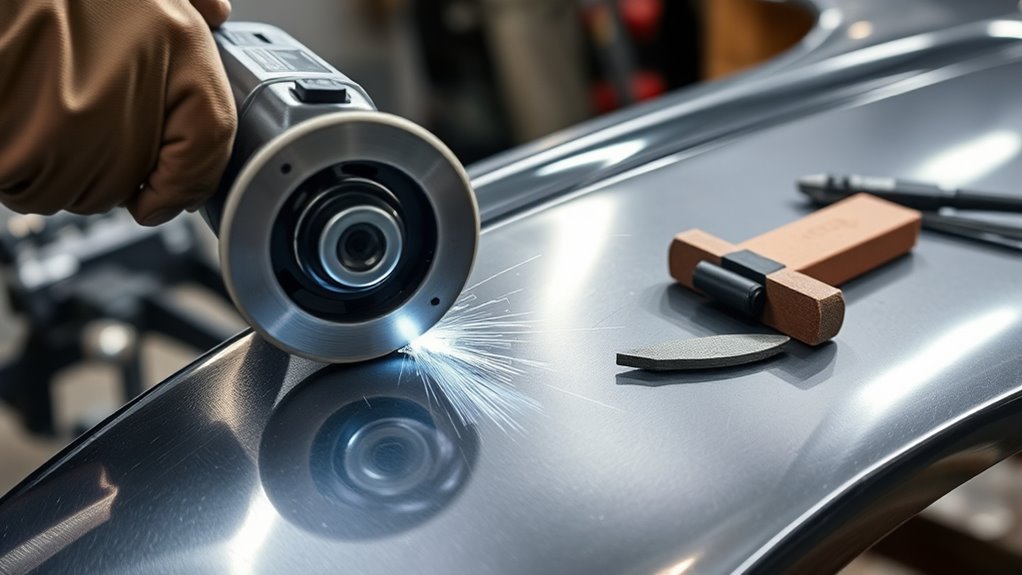
When it comes to smoothing welds effectively, each tool should have a clear job. Use aggressive tools only for heavy material removal, then switch to finer tools as soon as the weld is close to flush.
| Tool | Best Use | Watch Out For |
|---|---|---|
| Disc Grinder | Removing a high weld bead quickly | Can gouge or heat the panel if you use heavy pressure |
| Flap Disc | Blending welds with more control than a hard wheel | Still removes metal fast on edges and corners |
| 2-Inch or 3-Inch Abrasive Disc | Working small welds, plug welds, and tight spots | Requires good RPM control and a steady hand |
| DA Sander | Refining scratches after grinding | Not ideal for removing a tall weld bead |
| Hammer and Dolly | Raising low spots and planishing the weld area | Too much force can stretch the panel |
| 3-Inch Air Cut-Off Tool | Precise cutting before or during panel fit-up | Use cut-off wheels for cutting, not side-grinding weld beads |
Using these tools effectively will elevate your welding quality. Additionally, ensure you always wear appropriate PPE to protect yourself from hazards while working with metal. Whether you’re tackling larger sections or intricate details, each tool should help you remove less metal, not more.
Products Worth Considering

Aluminium Oxide abrasive is preferred for DIY use as it is the most cost effective product for most DIY applications.

★Original manufacturer of premium abrasive materials, the quick change sanding discs are designed and processed according to high industrial standard.Safe and More Efficient.

Aluminium Oxide flap disc is preferred for DIY use as it is the most cost effective product for most DIY applications.
Tips for Finishing Welds Seamlessly Before Painting
After using the right tools to smooth your welds, the next step is finishing them before paint. Start by checking the metal shape. If the weld area is low, use hammer and dolly techniques before adding filler. A thin skim of filler is normal on many repairs, but thick filler over a low weld is a sign that the metal was not finished well enough.
Use hammer and dolly techniques to raise low spots before filler. The smoother the metal is first, the thinner and cleaner the final repair can be.
Next, work through a sanding sequence. Start only as coarse as needed, then refine the scratches before primer. A common path is 80 grit for shaping, 120 grit for blending, and 180 to 220 grit before many primer systems. Always follow the technical sheet for the filler, primer, or paint product you plan to use.
Inspect for imperfections under bright light. If you find pinholes, do not bury them under filler. Weld and finish them first. If you find shallow lows after the weld is solid and smooth, apply a thin layer of body filler or finishing glaze as needed, then block sand the area flat.
Finally, make sure to clean the surface thoroughly to remove dust and debris. This step is essential for adhesion when you apply primer. If the repair is on a seam, flange, wheel arch, rocker, floor, or backside joint, apply seam sealer after the correct primer stage for your coating system. Additionally, understand that self-shielded flux-core wire can be useful for some rougher repairs, but it often creates more spatter and cleanup than gas-shielded MIG on thin cosmetic body panels.
Troubleshooting Weld Finishing Problems
| Problem | Likely Cause | Fix |
|---|---|---|
| Gouges beside the weld | Grinding disc edge dug into the parent metal | Switch to a flap disc or finer abrasive, use lighter pressure, and avoid chasing the low spot deeper |
| Panel turns blue or wavy | Too much heat from welding or grinding | Pause, let the panel cool, and use shorter passes with less pressure |
| Pinholes appear after grinding | Incomplete weld or small gaps in the seam | Clean the area, reweld the pinholes, then grind again lightly |
| Filler keeps getting thick | The weld seam or panel is still low | Use hammer and dolly work to improve metal shape before filler |
| Rust returns at the repair | Backside left bare or seam not sealed | Clean and protect both sides with the correct primer, seam sealer, and cavity protection |
Frequently Asked Questions
What should I use to smooth welds on auto body panels?
Use a rated grinding disc or flap disc for the high weld bead, then switch to 80, 120, and finer abrasives as the weld gets closer to flush. A 2-inch or 3-inch abrasive disc gives good control in tight areas, while a DA sander works well for refining scratches before primer.
What is the best way to weld auto body panels?
For steel body panels, gas-shielded MIG is often the easiest method for many DIY and repair-shop jobs because it is fast and controllable. TIG can give very precise welds but takes more skill. Use tight panel fit-up, clean bare metal, short tack welds, and cooling time between welds to reduce distortion.
What is the golden rule when finishing body panel welds?
Remove the weld bead, not the panel. Grind only the extra weld metal, keep heat low, and stop before the surrounding sheet metal gets thin. If the panel is low or high, correct the shape with hammer and dolly work instead of grinding more metal away.
What welder is best for welding car panels?
A MIG welder with shielding gas, small wire, and fine voltage and wire-speed control is usually the most practical choice for steel car panels. TIG is excellent for precise work, especially when access and cleanliness are good. For aluminum panels, use the welder, wire, shielding gas, and procedure recommended for that material and vehicle repair.
Should welds be perfectly flush before body filler?
They should be close to flush, but you should not grind so much that the panel becomes thin. A slight final skim of filler is normal on many repairs. The key is to finish the weld, correct the metal shape, and use filler only as a thin finishing layer.
Do I need seam sealer after welding an auto body panel?
Use seam sealer anywhere the repair creates or restores a seam, flange, lap joint, wheel arch joint, rocker joint, floor joint, or backside joint that needs to keep out moisture. Apply it at the correct stage for your primer and paint system, and protect the backside of the weld whenever you can access it.
Conclusion
Finishing and smoothing welds on auto body panels comes down to patience and control. Inspect the weld first, grind only the high bead, keep heat low, planish the metal before filler, and sand through a clean grit progression. Once the surface is straight, protect it with the right primer, seam sealer, and backside corrosion protection. A smooth repair is not the result of aggressive grinding. It is the result of removing just enough metal and protecting every part of the weld afterward.
Sources
- OSHA 1910.252: Welding, Cutting, and Brazing General Requirements — supports fire prevention, hot-work precautions, eye protection, and safe welding practices.
- OSHA 1910.133: Eye and Face Protection — supports eye and face protection guidance for flying particles, molten metal, and light radiation.
- OSHA 1910.215: Abrasive Wheel Machinery — supports abrasive-wheel safety, guarding, and proper grinding equipment awareness.
- CDC/NIOSH: Welding Fumes and Manganese — supports welding-fume and metal exposure cautions.
- Schema.org HowTo — supports the HowTo structured data used for the step-by-step article.