Category FCAW

Learn the ins and outs of Flux-Cored Arc Welding (FCAW), one of the most versatile and efficient welding methods for both indoor and outdoor projects. This category covers everything from choosing the right flux-cored wire and machine settings to mastering techniques for thick materials, structural work, and repairs. Whether you’re tackling heavy-duty fabrication or looking for a gasless welding solution, our guides and tips will help you get strong, reliable welds with FCAW.

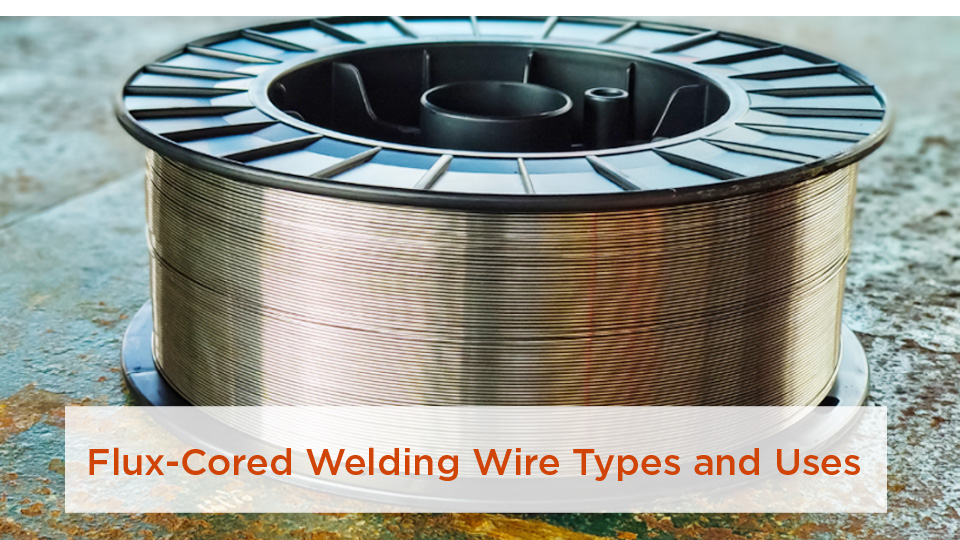
Flux-Cored Welding Wire Types and Uses

Flux-Cored Welding Wire Types and Uses

Early on in the shop, grabbing the wrong spool of flux-cored welding wire taught me a hard lesson about porosity, spatter, and weak beads. Not all flux-cored wires are created equal — some are built for structural steel, others for…

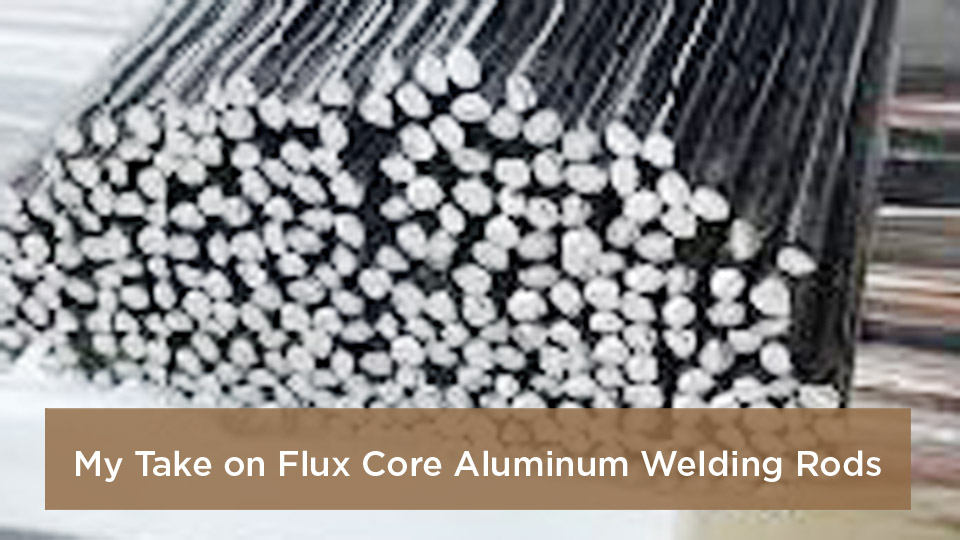
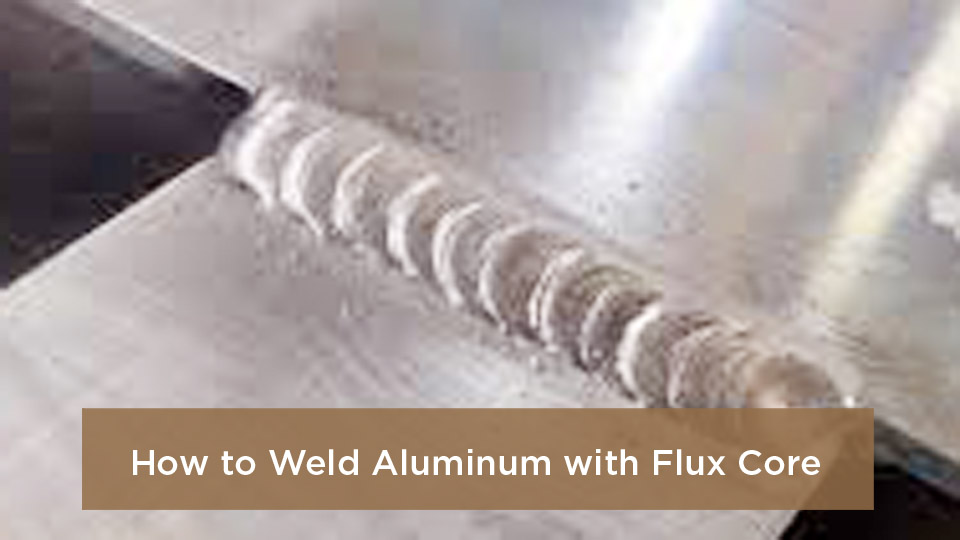
How to Weld Aluminum with Flux Core Wire?

How to Weld Aluminum with Flux Core Wire?

Welding aluminum with flux core wire can feel like trying to tame a completely different metal compared to steel or stainless. The puddle doesn’t behave the same, the bead often looks weak or porous, and without the right prep or…

What Is Flux-Cored Wire Used For?

What Is Flux-Cored Wire Used For

Dirty, painted, or thick steel can make a clean weld hard to get with solid wire. Flux-cored wire helps solve that problem because its flux core protects the weld pool, supports deeper penetration, and works better in tough field conditions.…

How Does Flux Core Welding Work?

How Does Flux Core Welding Work?

Flux core welding often gets a bad rap because beginners see too much spatter or inconsistent arcs, and immediately think they’re doing something wrong. I’ve been there—struggling to get clean welds on thicker metals while wondering if MIG or TIG…

What is Flux Core Welding Used For

What-is-Flux-Core-Welding-Used-For.jpg

I switched from MIG to flux core welding on a thick steel trailer frame—it was a game-changer but also a bit intimidating. Many welders, especially beginners, wonder what flux core welding is used for and when it’s better than MIG…