Disclosure: As an Amazon Associate, we earn from qualifying purchases. If you click a link on this page and make a purchase, we may receive a small commission at no extra cost to you.
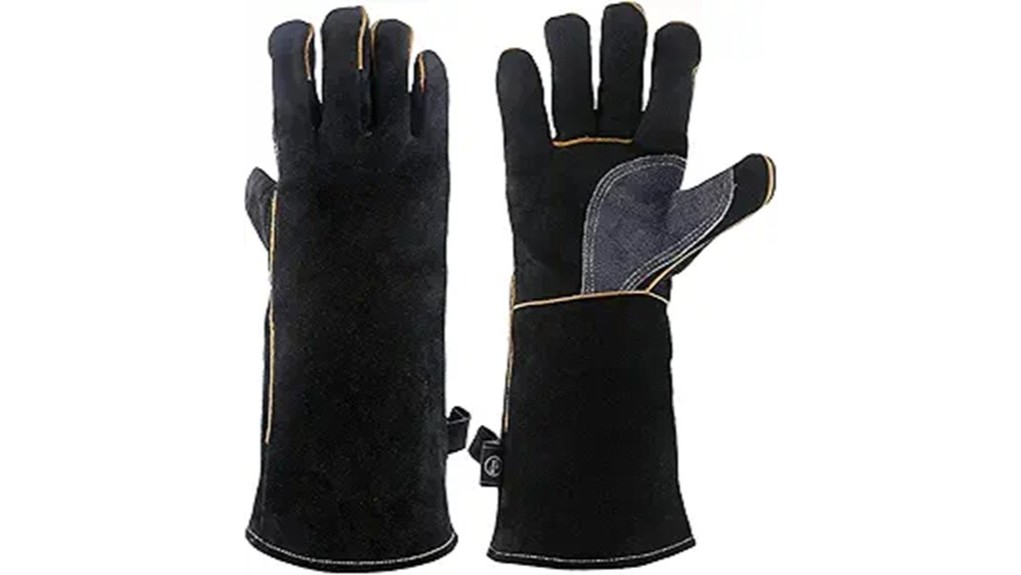
Hot metal, grill grates, firewood tools, and cookware can expose your hands to more heat than basic work gloves can handle. The Extreme Heat & Fire Resistant Gloves are built for high-temperature tasks with 100% split cow leather, reinforced Kevlar stitching, and a soft cotton lining. This review helps you decide if they make sense for welding, grilling, fireplace work, and other demanding jobs. They offer strong material protection for the price, but they are not waterproof and the source article does not verify any specific safety certification.
Quick Verdict
Rating: 8.2/10, Recommended with caveats
Best For: Welders, grill users, fireplace owners, and DIY users who want thick leather gloves for high-heat handling.
Bottom Line: These gloves stand out for their 100% split cow leather, 1.0mm-1.2mm thickness, Kevlar stitching, and claimed heat resistance up to 662 °F. Skip them if you need waterproof gloves, verified jobsite certifications, or high-dexterity gloves for small parts and fine control.
Key Takeaways
- Strong leather build: The gloves use 100% split cow leather with a stated thickness of 1.0mm-1.2mm.
- High-heat use: The article-supported heat resistance claim is up to 662 °F.
- Reinforced stitching: Kevlar stitching adds durability in areas that face heat, pulling, and repeated flexing.
- Comfort-focused interior: A soft sweat-absorbent cotton lining helps reduce harsh contact with the leather interior.
- Not waterproof: These gloves are better for dry heat than wet work, rain, or soaking conditions.
| Specification | Detail |
|---|---|
| Product name | Extreme Heat & Fire Resistant Gloves |
| Product type | Heat-resistant leather work gloves |
| Material | 100% split cow leather |
| Leather thickness | 1.0mm-1.2mm |
| Heat resistance | Up to 662 °F |
| Lining | Soft sweat-absorbent cotton lining |
| Stitching | Reinforced Kevlar stitching |
| Reinforcement | Reinforced palm |
| Resistance notes | Moderate resistance to oil, cuts, and punctures |
| Common uses | Welding, grilling, hot cookware, fireplace tasks, and general high-heat handling |
| Water protection | Not listed as waterproof or water-resistant |
| Size note | Multiple sizes are referenced, but exact size dimensions are not verified in the source article |
| Care notes | Clean gently with mild soap and water, air dry, and condition the leather to help preserve flexibility |
What Are the Extreme Heat & Fire Resistant Gloves?
The Extreme Heat & Fire Resistant Gloves are leather work gloves made for dry, high-heat handling. Their main build is 100% split cow leather, which gives you a thicker protective barrier than thin fabric work gloves or lightweight grilling mitts.
The source article lists a 1.0mm-1.2mm leather thickness, a soft cotton lining, a reinforced palm, and Kevlar stitching. Those details matter because heat gloves fail most often at stress points, seams, and areas that rub against hot or rough surfaces.
They are best viewed as practical protective gloves for welding, grilling, fireplace use, and handling hot cookware. They are not a substitute for every type of safety glove, especially if your work requires verified jobsite certifications, waterproof protection, or chemical resistance.
Who Should Buy It?
Best For
- Welders and DIY users who need thick leather gloves for dry heat tasks.
- Grill users who handle hot grates, cast iron, charcoal tools, or smoker parts.
- Homeowners who want gloves for fireplace tools, wood stove tasks, or hot cookware.
Skip If
- You need waterproof or water-resistant gloves for wet outdoor work.
- Your workplace requires gloves with specific verified safety certifications.
- You need high fingertip sensitivity for small fasteners, fine TIG setup, or delicate tool control.
Before You Buy: The source article does not verify waterproofing or specific safety certifications. Check the current Amazon listing, product label, and your workplace PPE rules before using these gloves for regulated welding or industrial tasks.
Materials and Build Quality
The strongest reason to consider these gloves is the material package. The 100% split cow leather shell gives you a durable outer layer for rough, hot, and abrasive work. The 1.0mm-1.2mm thickness helps the gloves resist wear better than thin utility gloves, while still allowing enough flex for common hand movements.
The gloves also use reinforced Kevlar stitching. That is important because seams are common failure points when gloves face heat, friction, and repeated bending. For welding and grilling, stronger stitching can help the glove hold together longer under normal use.
The reinforced palm adds practical protection where you grip tools, cookware, grill grates, and metal parts. It also helps with puncture and cut resistance, although you should not treat these gloves as cut-proof or puncture-proof.
Heat Resistance and Durability
The article-supported heat rating is up to 662 °F. That makes these gloves suitable for many high-heat tasks, including welding support work, grilling, handling smoker parts, and moving hot cookware. The rating is a useful guide, but it should not be read as unlimited contact time.
Heat protection depends on the surface temperature, how long you hold the item, whether the glove is dry, and how much pressure you apply. A thick leather glove can slow heat transfer, but heat can still build up during prolonged contact.
Boasting heat resistance up to 662 °F, these gloves are designed for demanding dry-heat tasks such as welding, grilling, and handling hot cookware.
For best results, use them for controlled handling rather than holding hot objects longer than needed. If you feel heat building through the glove, set the item down safely and let the glove cool.
Comfort, Fit, and Dexterity
The soft sweat-absorbent cotton lining makes the gloves more comfortable during longer tasks. It helps reduce the rough feeling of leather against your hands and can make repeated use easier when you are grilling, welding, or working around a wood stove.
The ergonomic design is meant to give you a snug fit and easier hand movement. That matters because oversized heat gloves can slip when you grip tools, while gloves that are too tight can make your hands fatigue faster.
The tradeoff is dexterity. Thick leather gloves usually protect better than thin gloves, but they can feel bulky when you handle small parts, adjust tiny controls, or work in tight spaces.
Pro Tip: Choose the smallest size that still lets you open and close your hand comfortably. A loose glove can reduce grip control around hot cookware, welding tools, or fireplace equipment.
How It Performs in Real Use
For Welding Support Work
For welding, the split cow leather, reinforced palm, and Kevlar stitching give you useful protection during dry heat exposure. They are a sensible choice for handling hot metal, supporting workpieces, and protecting your hands from sparks during common tasks.
For professional welding environments, check your employer’s PPE rules before relying on them. The source article does not verify a specific ANSI, EN, or other safety certification.
For Grilling and Smoker Use
For grilling, these gloves make sense when you need to move grates, adjust hot accessories, handle cast iron, or work near charcoal. The long-lasting value comes from the leather build and reinforced stitching, which should hold up better than thin kitchen mitts in rough outdoor use.
They are not listed as waterproof. If the gloves become wet, heat can transfer faster and the cotton lining may hold moisture, so use extra caution around steam, rain, or wet surfaces.
For Fireplace and Wood Stove Tasks
For fireplace work, the gloves can help when you adjust tools, move screens, or handle warm metal parts. The reinforced palm is useful when you grip rough handles, logs, or fireplace tools.
Do not use the gloves to grab burning material directly. They are heat-resistant gloves, not fireproof equipment for unsafe contact with flames.
For Long Projects
During longer tasks, the cotton lining improves comfort and helps absorb sweat. The downside is that thicker leather can feel warm and bulky over time, especially in summer or near a hot grill.
If you are using them for a long session, take breaks and let the gloves cool between high-heat handling tasks.
How to Use and Maintain These Gloves
Use the gloves dry, check them before each use, and avoid handling hot objects longer than necessary. Look for cracked leather, loose seams, worn palms, or stiff spots before you start. If the stitching is damaged or the leather is badly worn, replace the gloves instead of pushing them through another high-heat job.
For cleaning, use mild soap and water only when needed. Let the gloves air dry naturally. Do not place leather gloves directly on a heater, grill, or open flame to speed up drying, because that can make the leather stiff or brittle.
Conditioning the leather can help preserve flexibility. Use a leather conditioner sparingly and follow the conditioner label, especially if you use the gloves near heat.
Material Safety and Comfort
These gloves touch your skin directly, so comfort and material condition matter. The cotton lining helps reduce friction and sweat buildup, while the leather shell creates the main heat barrier.
If you have sensitive skin, inspect the interior before use and stop using the gloves if they cause irritation. Because the source article does not verify chemical treatments, allergy information, or safety certifications, check the current product listing and package details before buying for sensitive users.
For welding, industrial use, or workplace use, follow your employer’s PPE standards. For home use, follow the product label and avoid using damaged gloves around high heat.
Pros and Cons
Pros
- 100% split cow leather shell with 1.0mm-1.2mm thickness.
- Heat resistance claim up to 662 °F for demanding dry-heat tasks.
- Kevlar stitching helps strengthen seam durability.
- Soft cotton lining improves comfort during longer use.
- Useful across welding, grilling, fireplace work, and hot cookware handling.
Cons
- Not listed as waterproof or water-resistant.
- Specific safety certifications are not verified in the source article.
- Thick leather may feel bulky for fine-detail work.
Is It Worth the Price?
These gloves are worth considering if you want a practical pair of leather heat gloves for welding support, grilling, fireplace use, or handling hot cookware. The strongest value comes from the split cow leather, Kevlar stitching, cotton lining, and reinforced palm.
They make the most sense for buyers who care about material thickness and dry-heat protection more than fine dexterity. If your main tasks involve small fasteners, wet outdoor conditions, or certified industrial PPE requirements, they may not be the best fit.
As a general high-heat glove, this is a strong value for the price when the current Amazon listing matches the article-supported specs. Always check the latest listing details before you buy, since size availability and seller details can change.
How It Compares to Alternatives
Compared with thin kitchen mitts, these gloves offer a tougher leather shell and better coverage for rough, hot surfaces. Compared with silicone barbecue gloves, they are better suited to dry heat and abrasion, but they are not the better choice for wet handling.
Compared with lightweight mechanics gloves, these provide more heat protection but less fingertip feel. Choose these gloves if you want thick leather protection for high-heat tasks, not a thin glove for precision work.
Frequently Asked Questions
Are these gloves good for welding?
Yes, they are suitable for many welding-related tasks because they use split cow leather, Kevlar stitching, and a reinforced palm. For regulated jobsite welding, confirm that the current product listing and packaging meet your required PPE standards.
How much heat can they handle?
The article-supported heat resistance claim is up to 662 °F. That does not mean you should hold hot items for long periods, because heat can still build up through leather during extended contact.
Are these gloves waterproof?
No waterproof or water-resistant feature is verified in the source article. Use them mainly for dry heat, and be careful if they become wet because moisture can affect comfort and heat transfer.
Can you use them for grilling?
Yes, they are useful for grilling tasks such as moving grates, handling cast iron, adjusting smoker parts, and working near charcoal. Avoid direct flame contact and do not treat them as a substitute for safe grill handling tools.
How should you clean the gloves?
Use mild soap and water for gentle cleaning, then let the gloves air dry naturally. Do not dry them over direct heat, and consider conditioning the leather to help preserve flexibility.
Do they come in different sizes?
The source article says multiple sizes are available, but it does not verify exact hand measurements or a size chart. Check the current Amazon listing before ordering, especially if you are between sizes.
Do these gloves have verified safety certifications?
No specific safety certification is verified in the source article. If certification matters for your workplace, check the current product page, packaging, and your employer’s PPE requirements before use.
Who should skip these gloves?
Skip them if you need waterproof gloves, exact certification documentation, or thin gloves for precision work. They are better for dry high-heat handling than for wet, chemical, or fine-detail tasks.
The Bottom Line
The Extreme Heat & Fire Resistant Gloves are a solid pick if you want thick split cow leather, Kevlar stitching, a cotton lining, and heat resistance up to 662 °F for dry high-heat tasks. They are best for welding support, grilling, fireplace work, and hot cookware handling, but they are not the right choice if you need waterproof protection or verified jobsite certifications.