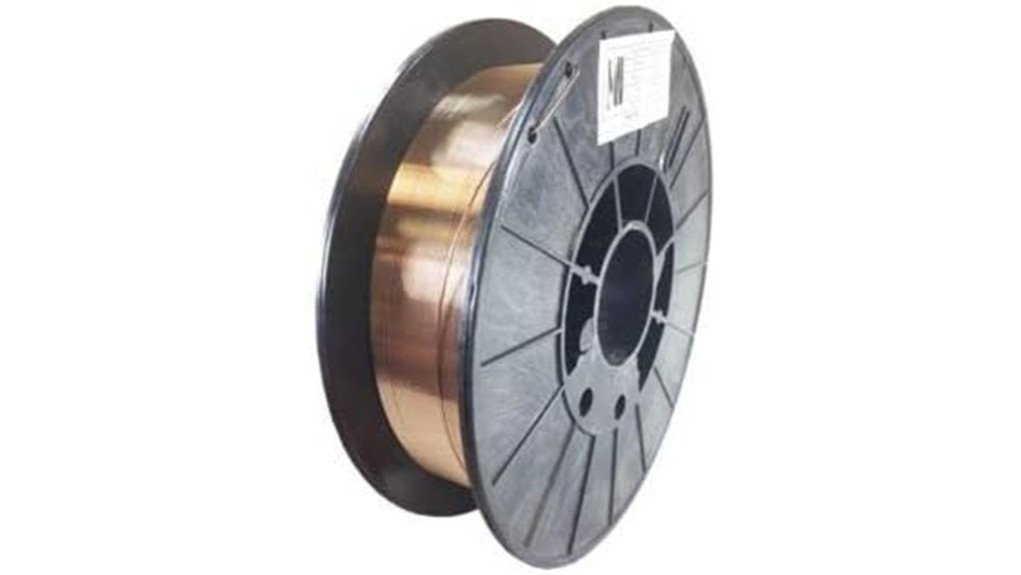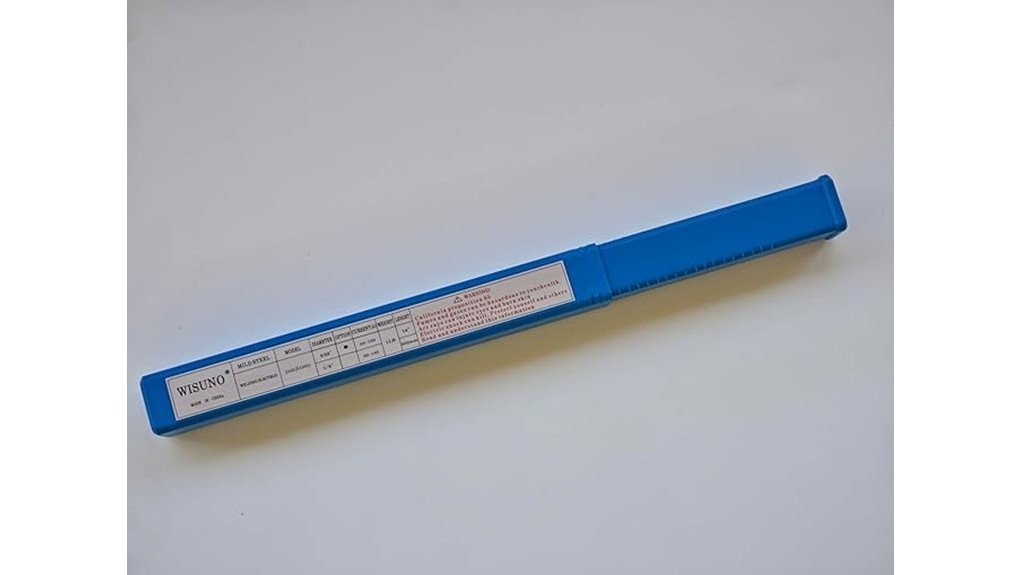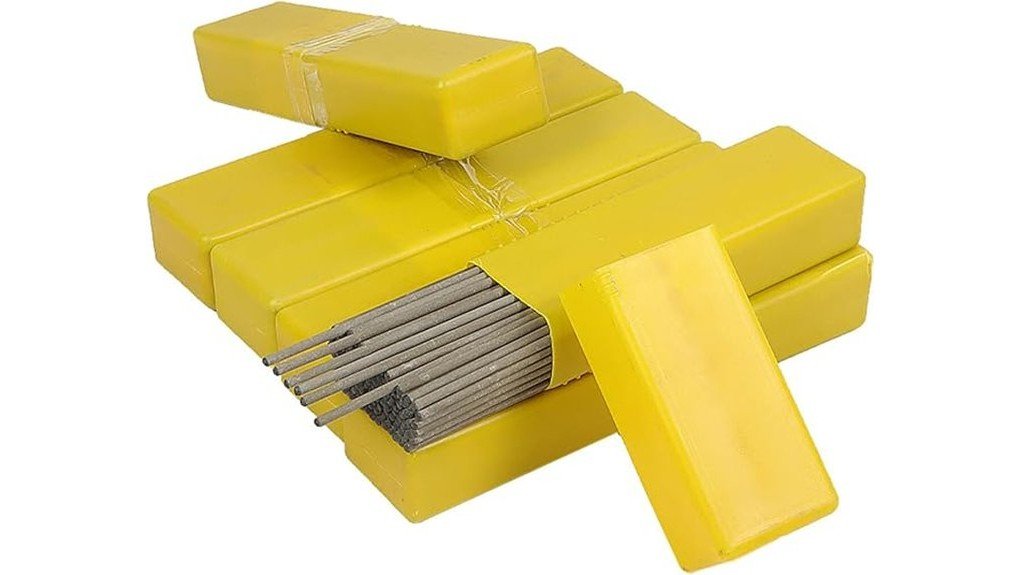
The Findmall E7018 welding rod is a 1/8 inch, 14 inch low-hydrogen stick electrode sold in a bulk quantity (the listing describes about 60 lb in multiple packs). E7018 is the standard choice for structural-quality welds in mild and low-alloy steel, so this pack suits you if you weld thicker steel and are prepared to store rods properly. It is a poor fit for casual one-off repairs, where a smaller box is more practical.
Findmall E7018 Welding Rod at a Glance
| Item | Per the listing | What to verify |
|---|---|---|
| Classification | E7018 (low-hydrogen, iron-powder) | AWS marking on the box or rods |
| Diameter and length | 1/8 in. x 14 in. | Other diameters are not in this listing |
| Quantity | About 60 lb, multiple packs | Pack count and sealed packaging |
| Current | AC or DC (DC electrode positive is the usual choice) | Amperage range printed on the box |
| Positions | All-position, per the listing | Match amps to position |
| Typical use | Structural steel, machinery and thicker mild steel | Not for thin sheet |
What E7018 Is and Who It Suits
The “70” in E7018 means a minimum 70,000 psi tensile strength weld metal, and the “18” indicates an iron-powder, low-hydrogen coating usable in all positions. Low-hydrogen rods produce tough, crack-resistant welds on thicker or higher-carbon steels. The trade-off is that the flux absorbs moisture and you must keep the rods dry.
That makes this a good fit for people building trailers, frames, equipment and structural pieces. It is less suitable for rusty, dirty, thin material, where E6011 or E6013 are more forgiving. The listing says it is usable on AC and DC, but many welders find 7018 runs smoothest on DC with electrode positive, so check the box recommendations and the capabilities of your welder.
How to Check It Fits Your Welder and Job
- Machine output: a 1/8 in. 7018 rod typically needs somewhere around 90 to 140 amps depending on position and the maker’s chart. Small 120 V stick inverters may struggle with it. Check your welder’s duty cycle and the amp range printed on the box.
- AC or DC: some budget AC-only machines have too little open-circuit voltage to run 7018 smoothly. DC machines handle it best.
- Steel type and thickness: 7018 suits 1/8 in. and thicker mild steel and many structural jobs. For code or safety-critical welds, use rods and procedures approved for that work.
- Packaging: inspect that packs are sealed and dry when they arrive. If packaging is damaged, consider returning them.
- Storage: plan on a sealed rod tube or rod oven. See our rod storage review and electrode storage tube review.
Pros and Limitations
Pros
- Low-hydrogen rods produce strong, ductile welds in mild and low-alloy steel.
- All-position use, with the right settings.
- Bulk quantity reduces per-rod cost for frequent welders (check current price).
- Produces a cleaner bead with less spatter than many cellulosic rods.
Limitations
- Moisture sensitive. Damp rods cause porosity and cracking,.
- Needs clean metal; it is not designed for heavy rust or paint.
- Needs more amps and skill than E6013 or E6011.
- Large bulk packs are heavy and only worthwhile if you can store them properly.
Using and Storing E7018 Properly
- Keep unopened packs sealed. Once opened, store rods in a dry tube or heated rod oven, following the electrode maker’s temperature guidance.
- Do not use rods that look damp or flaky; the manufacturer’s instructions may allow re-drying, but heavily damaged coatings should be discarded.
- Use a short arc length. Drag or lightly weave, and keep a tight arc to keep hydrogen out of the weld.
- Clean mill scale, rust and oil from the joint, and preheat thick or high-carbon steel as procedures require.
- Use a helmet of about shade #10 to #13, leather gloves and good ventilation. See our welding helmet review.
Related Guides
- Forney E7014 rod review for an easier iron-powder rod.
- E6013 rod review for general-purpose work on cleaner steel.
- Findmall E6011 review for dirty or rusty metal.
Verdict
The Findmall E7018 pack is a bulk supply of a proven rod type for welders who need strong welds in thicker steel. It rewards good storage and clean metal, and it is not forgiving to beginners. Confirm packaging condition on arrival and check the return policy.
Frequently Asked Questions
Can I use E7018 rods on AC?
Yes, E7018 is classified for AC and DC, and the listing says these rods work with both. In practice, many welders find the arc smoother on DC with electrode positive. Check that your AC machine has enough open-circuit voltage to run low-hydrogen rods.
How should I store E7018 welding rods?
Keep unopened packs sealed and dry. After opening, store rods in a sealed tube or a heated rod oven at the temperature recommended by the manufacturer. Damp low-hydrogen rods can cause porosity and cracking, which defeats the purpose of using them.
What amperage should I use with 1/8 inch E7018?
Check the range printed on the box, which depends on rod size and welding position. 1/8 inch rods commonly sit in the range of roughly 90 to 140 amps. Start in the middle of the range, and lower the current for vertical or overhead welds.
Is E7018 good for beginners?
It can be, but it is less forgiving than E6013 or E7014. It needs a short arc, clean metal and dry rods. Beginners often start with an easier rod, then move to E7018 when welding structural or thicker steel.