Disclosure: As an Amazon Associate, we earn from qualifying purchases. If you click a link on this page and make a purchase, we may receive a small commission at no extra cost to you.
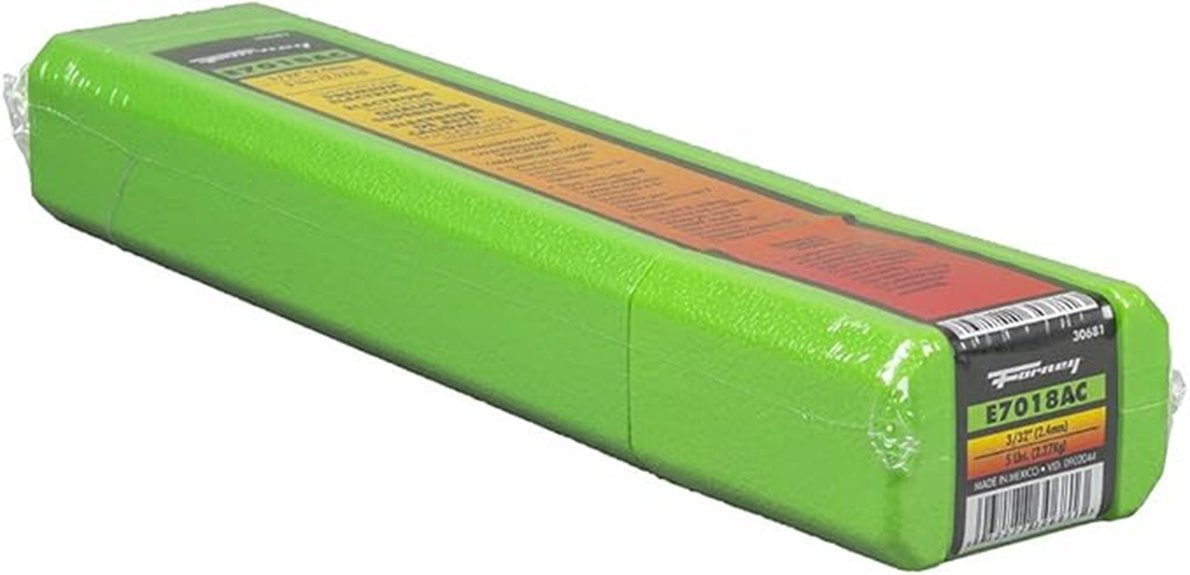
Choosing a stick electrode can be confusing when you need clean welds on an AC machine but do not want a rod that feels too specialized. The Forney 30681 E7018 AC Welding Rod is a 3/32-inch, low-hydrogen rod made for general-purpose welding, tack welds, skip welds, and out-of-position work. Its main appeal is simple: it gives you a cleaner bead with light spatter when you use it correctly. The tradeoff is that it is not a stainless-steel rod, and like other low-hydrogen electrodes, it needs careful dry storage.
Quick Verdict
Rating: 8.0/10, recommended with caveats
Best For: Hobbyists, repair welders, and light shop users who need a 3/32-inch E7018 AC rod for clean general-purpose welds.
Bottom Line: The Forney 30681 is worth considering if you want a low-hydrogen welding rod that works in AC settings and also supports DC+ use. Skip it if you need stainless-steel compatibility, deep penetration, or a rod that can tolerate careless moisture exposure.
| Specification | Detail |
|---|---|
| Brand | Forney |
| Model | 30681 |
| Product type | E7018 AC welding rod |
| Rod diameter | 3/32 inch |
| Package weight | 5 pounds |
| Composition type | Low-hydrogen rod |
| Power compatibility | AC environments and DC+ power sources |
| Best use | General-purpose welding, tack welds, skip welds, and out-of-position work |
| Performance notes | Designed for clean beads, light spatter, and low-penetration welding |
| Storage note | Keep rods dry and protected from moisture before use |
What Is the Forney 30681 E7018 AC Welding Rod?
The Forney 30681 is a 3/32-inch E7018 AC welding rod sold in a 5-pound package. It is made for welders who want a low-hydrogen stick electrode that performs well on AC machines and can also be used with DC+ power sources.
This rod suits general-purpose welding rather than highly specialized work. It is especially useful when you need light spatter, a clean bead profile, and a rod that can handle tack welds, skip welds, and welding positions that are harder to reach.
The key buying point is control. A 3/32-inch rod gives you a practical size for smaller welds, practice work, repairs, and jobs where a larger rod may feel harder to manage.
Before You Buy: This is not a stainless-steel welding rod. It also needs dry storage because moisture can hurt the performance of low-hydrogen electrodes.
Who Should Buy It?
Best For
- Welders using AC machines who want an E7018-style rod for general-purpose work.
- Hobbyists and shop users who need a manageable 3/32-inch rod for smaller tasks.
- Users doing tack welds, skip welds, and out-of-position welding where easy control matters.
Skip If
- You need a rod made specifically for stainless-steel welding.
- You need deep penetration for heavier structural work.
- You cannot keep the rods dry before use.
Performance and Characteristics
The Forney 30681 focuses on clean, controlled welds. Its low-hydrogen composition supports good weld integrity, while the 3/32-inch diameter helps you work with more control on smaller or general-purpose projects.
In use, the main benefits are light spatter and a smoother bead appearance. That means you can spend less time cleaning around the weld and more time checking fit, alignment, and overall weld quality.
| Feature | What It Means | Buyer Benefit |
|---|---|---|
| Low-hydrogen design | Designed to support weld integrity | Useful when you want cleaner, more dependable weld results |
| Light spatter | Less scattered weld debris during use | Reduces cleanup time after welding |
| 3/32-inch diameter | A smaller, manageable rod size | Helps with control on smaller welds and practice work |
| Low penetration | Works well for tack and skip welds | Better for controlled joining than aggressive penetration |
Fit, Power Compatibility, and Welding Positions
This rod is built for AC environments and is also described as compatible with DC+ power sources. That gives you more flexibility if you use different machines or switch between shop setups.
The Forney 30681 also suits out-of-position welding. That matters when you cannot place the workpiece flat on a bench or when you need to weld at awkward angles.
For best results, check your welder settings and follow the rod package guidance before you start. The right amperage, work angle, and travel speed can make a noticeable difference in bead shape and spatter control.
Application and User Suitability
For users seeking reliable welding solutions, the Forney 30681 E7018 AC Welding Rod is a practical option for several common welding tasks. It fits best when your project needs controlled welds rather than aggressive penetration.
This rod is particularly suited for:
- Tack and skip welds where you need control and easy re-striking.
- Out-of-position welding across different working angles.
- General-purpose AC applications for hobbyists and professional welders.
- Small repairs, shop projects, and practice work with a 3/32-inch electrode.
How It Performs in Real Use
For Tack and Skip Welds
The low-penetration behavior makes this rod useful when you need short welds that hold parts in position. You can use it for controlled joining without trying to lay down a heavy bead on every pass.
For General Shop Repairs
The 3/32-inch size works well when you need a rod that feels manageable during smaller repair work. It gives you enough control for common tasks without feeling too large for lighter projects.
For Out-of-Position Welding
Out-of-position welding can expose poor arc control quickly. This rod is suited for different positions, which helps when your workpiece cannot be moved into an easy flat position.
For Practice and Skill Building
Beginners can use this rod to practice arc starts, travel speed, bead control, and cleanup habits. It still requires proper setup, dry storage, and safe welding technique, so it should not be treated as a shortcut.
How to Use It Correctly
Start by checking the label or package guidance for machine settings before striking an arc. Match the rod to your welder, set up a clean work area, and test your settings on scrap metal when possible.
Keep a steady travel speed and avoid forcing the rod into the workpiece. A smooth, controlled movement helps the bead form more evenly and can reduce unnecessary spatter.
Pro Tip: Store opened rods in a dry, sealed container or moisture-resistant bag, then practice on scrap metal before using them on your main project.
Storage and Rod Care
Low-hydrogen rods need more care than many casual users expect. Moisture can reduce weld quality, so storage matters even if the rods look fine from the outside.
Keep the Forney 30681 rods in a dry location and close the package or container after use. If you weld only occasionally, a sealed storage method can help protect the remaining rods between projects.
Safety Gear and Welding Precautions
Welding requires proper protective equipment. Use a welding helmet, welding gloves, flame-resistant clothing, and eye and skin protection every time you work.
Also work in a safe area with proper ventilation and keep flammable materials away from sparks. If you are new to stick welding, get guidance from an experienced welder or follow trusted training material before taking on important repairs.
Pros and Cons
Pros
- 3/32-inch diameter gives you good control for smaller welds and practice work.
- Low-hydrogen design supports cleaner weld integrity when stored and used correctly.
- Works in AC environments and is also compatible with DC+ power sources.
- Light spatter can reduce cleanup after welding.
- Useful for tack welds, skip welds, and out-of-position welding.
Cons
- Not suitable for stainless-steel welding.
- Low-hydrogen rods need dry storage to maintain performance.
- Low penetration may not suit jobs that require deeper fusion.
Is It Worth the Price?
The Forney 30681 offers strong value for the price if you need a practical E7018 AC rod for general-purpose welding. The 5-pound package makes sense for users who weld more than a few small practice beads but do not need a bulk supply.
It is a smart buy for everyday use if your main priorities are clean bead quality, light spatter, and AC compatibility. It is not the best fit if you need stainless-steel capability or a rod designed for deeper penetration.
How It Compares to Alternatives
Compared with common beginner-friendly rods like E6013, the Forney 30681 makes more sense when you specifically want a low-hydrogen E7018 AC option. Compared with deeper-penetrating rods such as E6011, it is better suited to controlled tack and skip welds than aggressive digging action.
If you already use a DC+ machine and prefer standard E7018 rods, compare your options before buying. The Forney 30681 is most useful when AC performance, 3/32-inch control, and low-hydrogen weld quality are your main priorities.
Frequently Asked Questions
What is the Forney 30681 E7018 AC rod best used for?
It is best for general-purpose welding, tack welds, skip welds, and out-of-position work. The 3/32-inch size makes it useful when you want more control on smaller tasks.
Can you use these rods with an AC welder?
Yes, the article identifies this as an E7018 AC welding rod made for AC environments. It is also described as compatible with DC+ power sources.
Are these rods suitable for stainless-steel welding?
No, these rods are not suitable for stainless-steel welding. Use welding rods made specifically for stainless applications if that is your project material.
How should you store Forney 30681 E7018 rods?
Store them in a dry environment and protect them from moisture. A sealed container or moisture-resistant bag can help preserve rod quality between uses.
Are these rods beginner-friendly?
They can work for beginners who want to practice stick welding basics, especially bead control and tack welds. New users should practice on scrap metal and follow safe welding procedures before working on important projects.
What safety gear should you use with these rods?
Use a welding helmet, welding gloves, flame-resistant clothing, and proper eye and skin protection. Work in a safe, ventilated area and keep sparks away from flammable materials.
Who should skip the Forney 30681?
Skip it if you need a stainless-steel rod, a deep-penetration rod, or a welding electrode that can be stored carelessly. It works best for users who can keep rods dry and need a controlled E7018 AC option.
The Bottom Line
The Forney 30681 E7018 AC Welding Rod is a solid choice if you want a 3/32-inch, low-hydrogen rod for AC welding, tack welds, skip welds, and out-of-position work. Its main strengths are clean bead quality, light spatter, and practical control, while its main limits are stainless-steel incompatibility, dry-storage needs, and lower penetration.
Buy it if those strengths match your welding setup. Skip it if your project requires stainless rods, deeper penetration, or a different electrode type.