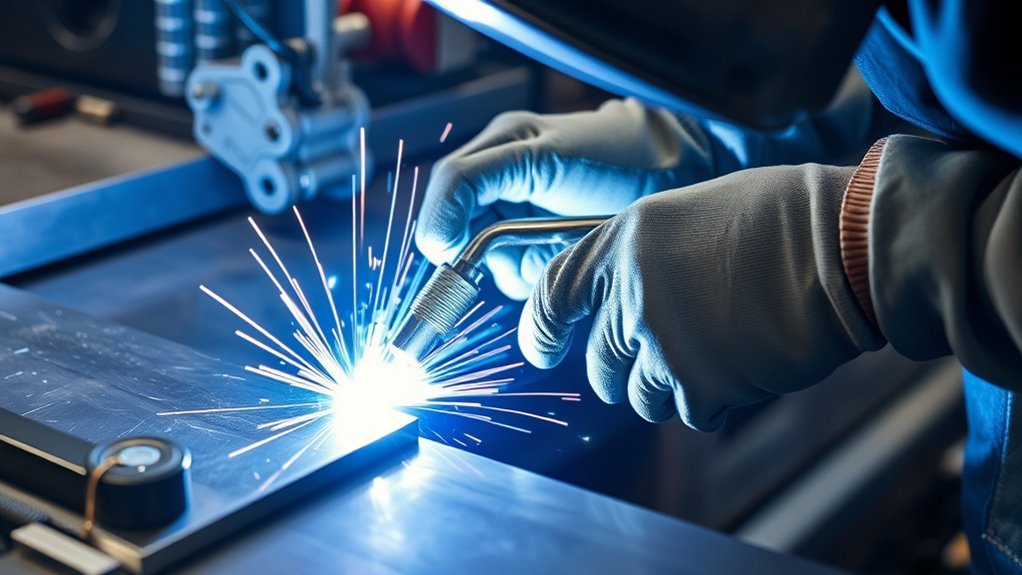
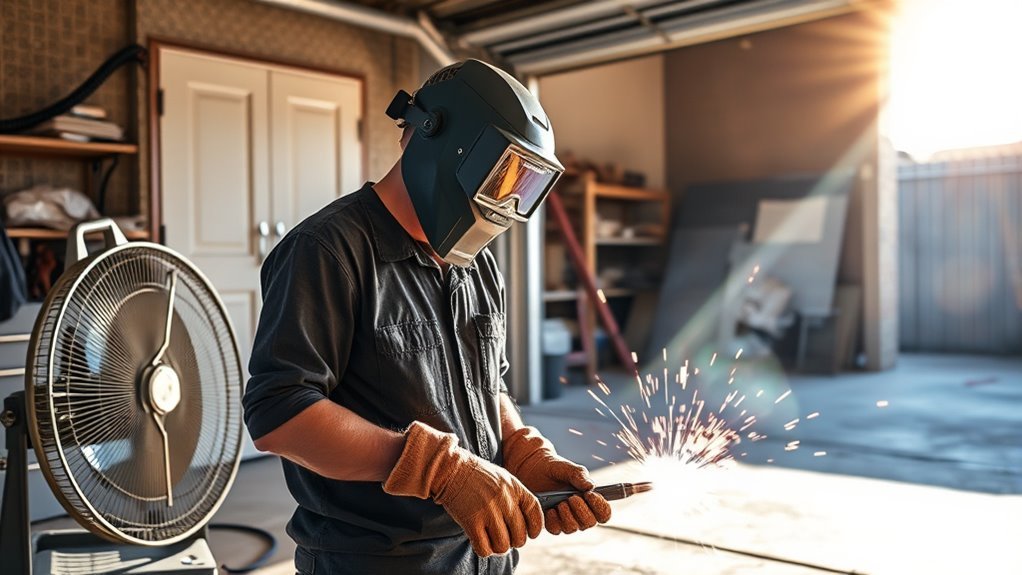
Welding inside a car door cavity takes more planning than a normal open-panel weld because heat, sparks, fumes, wiring, trim adhesive, underseal, and hidden rust can all be trapped inside the door. Before you strike an arc, inspect the cavity, clear combustibles, protect the vehicle’s electrical system, ventilate the area, and plan short welds that keep the thin door skin from warping.
Quick Answer
To weld inside a car door cavity safely, remove trim and flammables, disconnect the battery when required, expose clean bare metal, vent the cavity, clamp the ground close to the repair, and weld in short tacks or small sections. Keep a fire watch during welding and for at least 30 minutes afterward.
Key Takeaways
- Inspect the whole door cavity for rust, thin metal, wiring, adhesive, underseal, insulation, and sound deadener before welding.
- Remove or shield combustibles, keep an ABC fire extinguisher ready, and use a dedicated fire watch.
- Use short tacks, skip around the seam, and let the panel cool often to reduce warping.
- Choose welder settings from the machine chart and test on scrap of the same thickness instead of relying on one fixed voltage.
- After welding, inspect the seam, grind only what is needed, then seal bare metal with primer, seam sealer, and cavity wax.
At a Glance
| Time Required | 2 to 5 hours, depending on rust repair, panel fit, cooling time, and coating work |
| Difficulty | Intermediate to advanced, because access is tight and door skins warp easily |
| Tools Needed | MIG welder, welding helmet, gloves, jacket, respirator as needed, grinder, clamps, copper backing spoon, fire extinguisher, fan or local exhaust, flashlight, wire brush, seam sealer, primer, cavity wax |
| Cost | Usually $25 to $150 in consumables if you already own welding and grinding equipment |
Warning: Do not weld inside a door cavity until fuel sources, wiring, trim, underseal, insulation, adhesive, and unknown coatings are removed or safely shielded. Follow the vehicle maker’s repair information for structural parts, side-impact beams, high-strength steel, airbags, sensors, and electrical systems. If the repair affects crash structure or you are unsure what metal you are welding, use a qualified collision repair technician.
Inspect the Car Door Cavity for Rust and Hazards
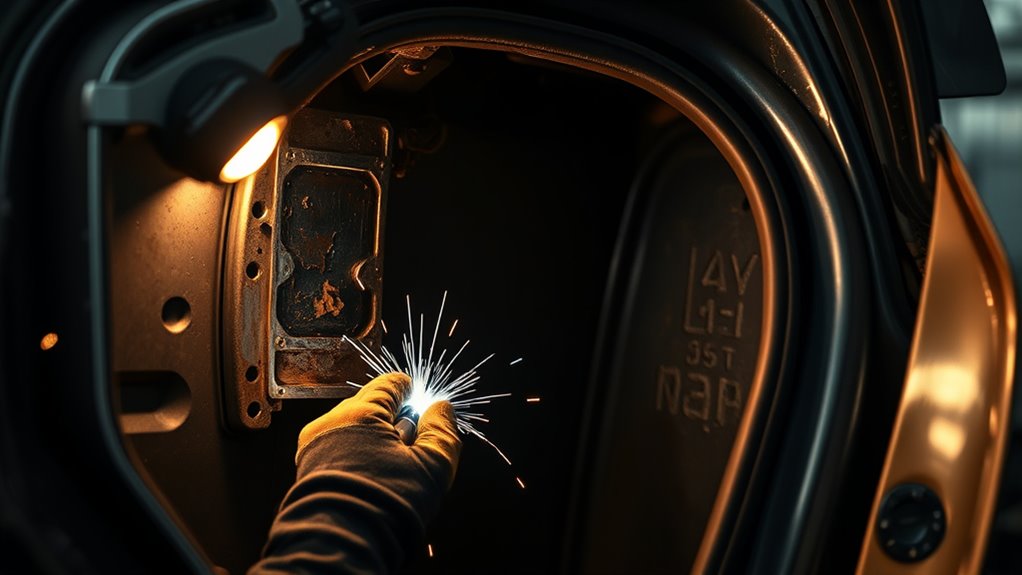
Before you weld inside a door, inspect the cavity with a bright flashlight and mirror. Look for rust, scale, thin metal, old body filler, wiring, drain tubes, clips, seam sealer, sound deadener, insulation, and anything that could burn or melt.
Probe every seam and flange with a pick or small screwdriver. If the metal flakes, flexes, or sounds dull, cut back to solid steel before welding. Welding over rust traps contamination in the joint and can leave a weak repair that fails under vibration.
Inspect every seam, flange, drain hole, and reinforcement pocket before welding. Door cavities often hide combustible material behind places you cannot see from the outside.
Clear the lower drain holes so fumes, smoke, and debris have a path out of the door. OSHA’s welding rules state that hollow spaces, cavities, or containers must be vented before preheating, cutting, or welding, so do not treat a closed door cavity like open sheet metal.
Keep the cavity ventilated while you work. Welding can create fumes and gases that are hazardous to breathe, and CDC/NIOSH notes that welding fumes contain metals and may include manganese. A small fan can move fresh air through the work area, but local exhaust near the weld is better when available. Never use oxygen as ventilation.
When the cavity is sound, open, clean, and free of combustibles, you can move to fit-up.
Prepare the Vehicle and Protect Electronics
Before welding on a vehicle, remove the door trim panel, vapor barrier, speaker, latch shields, loose clips, and nearby weatherstrip if heat can reach them. Move wiring harnesses away from the weld zone and protect anything that cannot be removed with a welding blanket or metal shield.
- Disconnect the battery when required by the vehicle maker or repair procedure.
- Keep the welder ground clamp on clean metal as close to the weld as practical.
- Do not place the ground path through hinges, bearings, modules, wiring, or latch parts.
- Remove paint, primer, zinc coating, seam sealer, and adhesive from the weld area and the heat-affected backside.
- Keep a clear escape path and make sure the fire watch can see the seam, inner skin, and lower door drains.
Wear proper PPE before you start. Use a welding helmet or hand shield for arc welding, safety glasses under the helmet, welding gloves, non-synthetic clothing or a welding jacket, hearing protection for grinding, and respiratory protection when ventilation and coating removal are not enough. OSHA lists minimum filter shade guidance for gas metal arc welding and flux-cored arc welding, so match your eye protection to the welding process and current.
Note: Older coatings, galvanized areas, lead-bearing coatings, and unknown repair materials can produce hazardous fumes when heated. Strip coatings well away from the weld and use local exhaust or proper respiratory protection when needed.
Fit the Panels Before Welding
Before you weld, confirm that the replacement patch or repair panel sits snugly against the original door structure. Gaps make thin sheet metal shrink harder, pull out of line, and burn through more easily.
Use datum lines, scribe marks, and measurements from fixed points such as the lower door edge, body line, latch edge, or hinge edge. The style line should match the original door shape before the first tack goes in.
Trim the panel slowly. Sneak up on the fit with small cuts instead of cutting too much at once. A tight, even seam reduces filler work and helps the door skin stay flatter after welding. For more general joint-sizing context, review this guide to the thickness of the thinner plate.
Check Panel Alignment
Alignment is critical because a small shift becomes permanent after tack welding. Hold the panel with clamps, magnets, screws, or panel pins, then close the door carefully if needed to confirm gaps and contour before welding.
| Check point | Purpose |
|---|---|
| Datum lines | Verify the patch is in the same location each time you test fit it |
| Style lines | Match the exterior contour before heat locks the panel in place |
| Door gap | Make sure the repair does not pull the skin into the fender, rocker, or quarter panel gap |
| Drain holes | Keep water paths open after the repair is sealed |
Repeat the alignment check several times as you clamp the panel. Thin metal moves easily, and even light clamp pressure can change the shape of the door skin.
Trim For Tight Fit
Trim the replacement panel so it fits snugly against the door structure with a small, consistent gap. A tight fit helps prevent burn-through, but forcing an oversized patch into the opening can crown the panel and cause oil-canning.
Mark datum lines and scribe references before every trim. Measure from the bottom of the door so the new section follows the original shape. If the original panel has dents or waves near the seam, correct them before final fit-up because welding will not hide poor metal shape.
Hold the panel in place, check the seam from several angles, and make small adjustments until the edges meet cleanly. Once the fit is right, tack weld in several spaced spots to lock the position. Recheck alignment before adding more welds.
Pro Tip: Practice the full weld sequence on scrap pieces of the same thickness before welding the door. If your scrap test burns through, crowns, or leaves a rope-like bead, adjust your settings before touching the vehicle.
Clear Flammables and Set Up Fire Watch
Clear hidden flammables from the door cavity, including underseal, sound deadening, seam sealer, adhesive patches, paper labels, loose debris, and any trim close enough to catch heat. Move or shield wiring and keep fuel sources away from the work area. OSHA’s hot-work requirements say movable fire hazards should be taken to a safe place, and if hazards cannot be moved, guards should be used to confine heat, sparks, and slag.
Set up a dedicated fire watch before welding begins. This person should have an extinguisher ready, know how to sound an alarm, and watch exposed areas for smoke, sparks, glow, or late smoldering. Proper ventilation management also lowers risk when you work around heat and fumes.
Keep a charged ABC fire extinguisher within reach. A bucket of water can help cool nearby non-electrical surfaces, but it should not replace the extinguisher, and it should not create an electrical shock hazard.
Products Worth Considering

Reliable Fire Protection: Stop basic home fires involving trash, wood, paper, liquids, gases, and electrical equipment

FEATURES: The SWW-455F is a durable, tactical-tough precision quartz watch, Japanese movement, has an electronic back glow and glowing hands, calendar date display
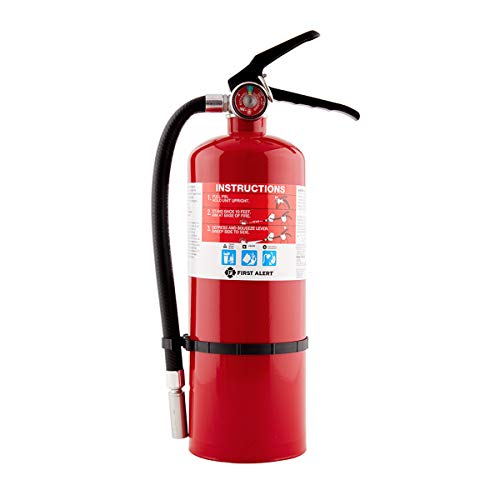
The First Alert HOME2PRO Fire Extinguisher is UL rated 2-A: 10-B:C and meets minimum 2-A: 10-B:C code requirements; It features durable all-metal construction with a commercial-grade metal valve and trigger
Clear Hidden Flammables
Before you strike an arc inside a car door cavity, inspect behind trim openings, drain holes, seams, and reinforcement pockets. Underseal and soundproofing can smolder out of sight, especially when heat conducts through the inner skin.
Scrape, grind, or shield every combustible material that heat could reach. If you cannot see the backside of the weld zone or cannot clear the material safely, do not weld until access is improved.
Open windows or use fans to improve airflow through the work area, but aim airflow so it does not blow shielding gas away from a MIG weld. Local exhaust placed near the weld area is better than a fan blowing directly across the arc.
Set Up Fire Watch
Once the cavity is stripped of combustibles, place a fire spotter where they can see the seam, lower drain holes, inner skin, and surrounding trim. The welder should not be the only person watching for fire when there is a real risk of hidden ignition.
Pause often and inspect the cavity after each short weld group. Look for smoke, glowing seam sealer, hot debris, or a burning smell from the lower door. Continue the fire watch for at least 30 minutes after the last weld or grind spark when combustible material could have been exposed.
Keep Extinguisher Ready
Keep fire extinguishing equipment ready before you weld. OSHA requires suitable fire extinguishing equipment to be maintained in a state of readiness for instant use during welding and cutting where combustible hazards are exposed.
| Item | Action | Risk Controlled |
|---|---|---|
| Fire extinguisher | Stage it within reach | Fast response to flame |
| Door cavity | Inspect and vent it | Hidden ignition and fume buildup |
| Flammables | Remove or shield them | Fire spread |
| Fire watch | Monitor during welding and afterward | Late smoldering |
| Ventilation | Keep clean air moving | Fume exposure |
Choose Safe Welding Settings for Door-Cavity Sheet Metal
A MIG welder is the common choice for automotive sheet metal, but the right settings depend on the steel thickness, wire diameter, shielding gas, joint fit, and your machine. Do not use one fixed voltage for every door repair.
Start with the welder’s chart for the closest sheet thickness, then test on scrap from the same type and thickness of metal. Use short tacks, watch for full tie-in, and adjust until the weld is flat enough to grind without leaving a cold bead or blowing holes.
- Use clean, bare metal on both sides of the joint wherever heat will reach.
- Use thin automotive MIG wire, commonly 0.023 inch or 0.030 inch, if your machine and repair setup support it.
- Use shielding gas suitable for mild steel, commonly argon/CO2 blends for cleaner short-circuit MIG work.
- Keep stickout short and steady so the arc stays controllable in tight access areas.
- Clamp the ground close to the weld on clean metal to reduce stray current paths.
If the repair is on galvanized steel, grind off zinc coating around the weld area and control fumes. This guide to grinding off zinc before MIG welding galvanized steel explains why coating removal matters.
Products Worth Considering
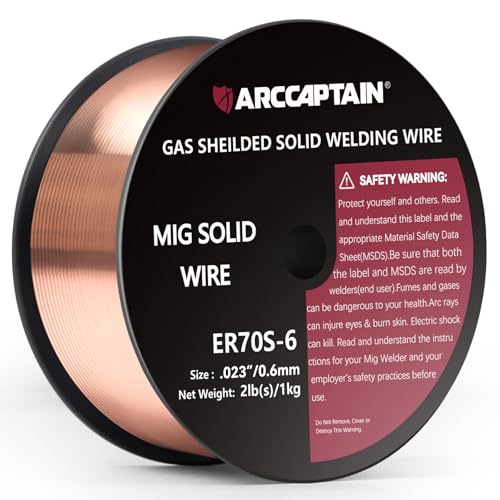
High-quality: ARCCAPTAIN's ER70S-6 mig welding wire .023" meets industry standards(Net Weight: 2lbs), ensuring consistent performance, superior strength. With its smooth feeding and stable welding parameters, you can achieve optimal penetration, high deposition rates, and exceptional overall welding performance.

High-quality:Tooliom's .023" ER70S-6 MIG Welding Wire (10lb spool) meets all industry standards for consistent strength and performance. Enjoy smooth feeding, stable arcs, optimal penetration, and high deposition rates—everything you need for exceptional welds

ER70S-6 MIG WIRE: It's the most common wire of the copper-coated mild steel GMAW (MIG) wires for single or multiple pass welding.
Weld in Short Sections
Weld inside the door cavity in short tacks or small sections instead of running one long bead. A practical approach is to tack the panel, skip several inches, tack again, and keep moving around the seam so heat does not collect in one place.
For very thin door skin repairs, short tack welds are often safer than a continuous bead. Let each tack cool before placing the next one nearby. If the panel becomes too hot to touch near the seam, stop and let it cool naturally.
Use controlled, consistent tacks. The goal is full fusion with the least heat needed, not the longest bead you can run.
Use a copper backing spoon or backing bar behind the seam where access allows. Copper helps support the molten puddle and can reduce burn-through, especially along trimmed patch edges.
After each group of welds, inspect the backside through access openings and drain holes. If you see smoke, glowing debris, or coating starting to bubble far from the seam, stop and correct the hazard before continuing.
Control Heat to Prevent Warping
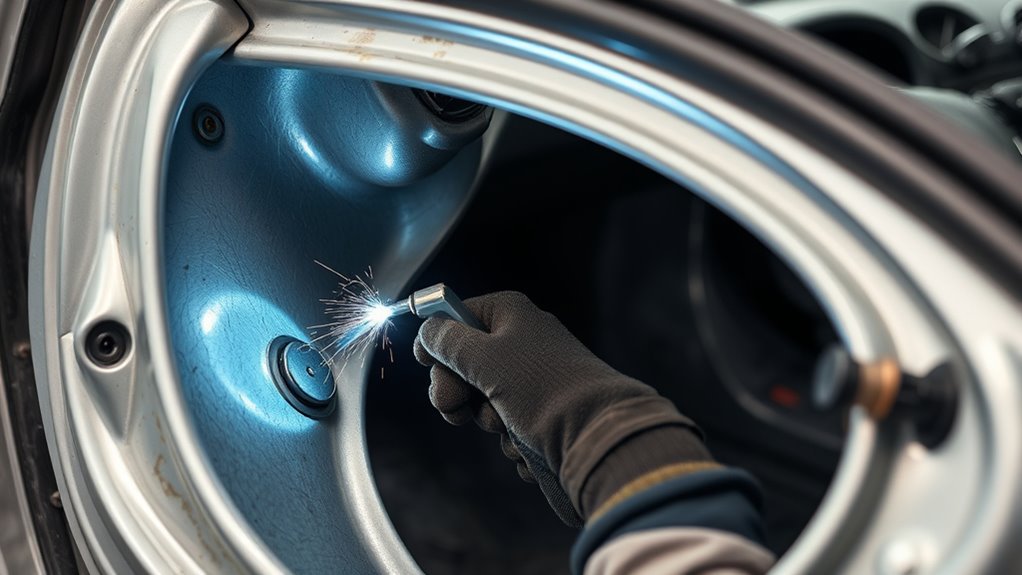
To keep the door panel flat, manage heat as carefully as weld placement. Door skins are thin, wide, and easy to distort. Too much heat in one spot can shrink the seam, pull a low spot, or create a high crown around the repair.
Start near the center of the fitted patch and work outward in a staggered pattern. Skip around the seam, pause between welds, and use compressed air only with care because rapid cooling can add stress or blow contaminants into the puddle. Natural cooling is usually safer for panel shape.
Watch for high spots, low spots, or small gaps as you go. Correct fit problems early because once the seam shrinks, it becomes harder to bring the door skin back into shape. Maintaining the correct electrode angle also helps prevent undercut and weak tie-in.
Note: If the panel starts to oil-can, stop welding. Let it cool, check the fit, planish lightly if appropriate, and continue only after the panel shape is stable.
Grind and Inspect the Finished Welds
Grind the finished welds inside the door cavity with an angle grinder, small belt sander, or carbide burr that fits the access area. Use light pressure and keep the tool moving so you do not thin the surrounding door skin.
After grinding, blow out dust and wipe away residue so you can inspect every seam clearly. Check for pinholes, cracks, undercut, missed edges, porosity, sharp burrs, and gaps. Use a flashlight from different angles, and inspect the backside wherever the door openings allow.
Grind only enough to smooth the repair. Over-grinding can weaken thin sheet metal faster than a slightly proud but sound weld.
If you find a flaw, correct it before coating the repair. Do not bury cracks, pinholes, or incomplete tie-in under filler, primer, or seam sealer. Proper joint preparation reduces rework and improves weld strength.
Seal the Repair Against Corrosion
After the weld passes inspection, protect the bare metal before moisture reaches it. Door cavities collect water through window seals and release it through drain holes, so rust protection is part of the repair, not an optional finish.
- Clean grinding dust, weld soot, and loose scale from the cavity.
- Apply epoxy primer or a compatible bare-metal primer to exposed steel.
- Apply seam sealer where the factory seam was sealed, but do not block drain holes.
- Apply cavity wax inside the door after primer and seam sealer have cured as directed.
- Recheck the drains so water can escape after the repair is assembled.
Do not spray cavity wax before welding or while the panel is still hot. Wax and solvent vapors can ignite, and coating the metal too early can contaminate later welds.
Troubleshooting Door-Cavity Welding Problems
| Problem | Likely Cause | Fix |
|---|---|---|
| Burn-through | Too much heat, wide gap, thin rusted metal, or long arc time | Lower heat, shorten tacks, improve fit, use copper backing, and cut back to solid metal |
| Porosity | Paint, zinc, sealer, oil, poor shielding gas, or fan blowing across the arc | Clean wider, check gas flow, shield drafts, and re-weld only after contamination is removed |
| Panel warping | Too many welds in one area or too little cooling time | Skip around the seam, let metal cool, and avoid long continuous beads |
| Weak bead sitting on top | Cold settings, poor ground, dirty metal, or too fast travel | Test on scrap, clean the metal, clamp ground close, and adjust settings gradually |
| Smoke after welding | Hidden sound deadener, underseal, debris, or seam sealer smoldering | Stop work, inspect the cavity, extinguish safely, and continue fire watch after the last heat source |
Frequently Asked Questions
How do you safely weld inside a car door cavity?
Remove trim and flammables, expose clean bare metal, vent the cavity, keep the ground clamp close, wear proper PPE, and use short tack welds. Keep a fire watch during welding and for at least 30 minutes afterward when hidden combustibles could smolder.
What is the golden rule in welding?
The golden rule is to make the job safe before making the weld. Control fire hazards, fumes, electrical risks, eye exposure, and hot metal first. If the area cannot be made safe, do not weld there.
How can you fix a hole in a car door without welding?
Small cosmetic pinholes may be repaired with fiberglass, metal-reinforced filler, panel adhesive, or a bonded patch after rust is removed. Do not use filler-only repairs on structural rust, hinge areas, latch areas, or side-impact structure.
What kind of welder do you need for car door sheet metal?
A MIG welder with adjustable voltage and wire feed is the usual choice for mild-steel car door sheet metal. Use the machine chart, match wire and shielding gas to the metal, and test on scrap of the same thickness before welding the door.
Should you disconnect the battery before welding on a car door?
Follow the vehicle maker’s repair procedure. In many repairs, disconnecting the battery and protecting modules is recommended before welding. Always keep the ground clamp close to the weld so current does not travel through hinges, wiring, or electronic parts.
How long should fire watch continue after welding a door cavity?
When a fire watch is needed, keep checking the door cavity for at least 30 minutes after the final weld or grinding spark. Look through access holes and drain openings for smoke, odor, glowing debris, or hot seam sealer.
Conclusion
When you weld inside a car door cavity, the finished bead is only part of the repair. A safe job starts with inspection, clean metal, ventilation, electrical protection, and fire control. It continues with short welds, patient cooling, careful grinding, and honest inspection. Finish by sealing the bare steel with primer, seam sealer, and cavity wax so the repair stays solid long after the sparks fade.
Sources
- OSHA 1910.252 — General requirements for welding, cutting, and brazing — fire prevention, extinguishing equipment, fire watch, cavity venting, and ventilation.
- OSHA Welding, Cutting, and Brazing overview — official OSHA welding safety topic hub.
- OSHA 1910.133 — Eye and face protection — eye and face PPE and minimum filter shade guidance.
- CDC/NIOSH Welding Fumes and Manganese — welding fume health risks and confined-space exposure concerns.