Disclosure: As an Amazon Associate, we earn from qualifying purchases. If you click a link on this page and make a purchase, we may receive a small commission at no extra cost to you.
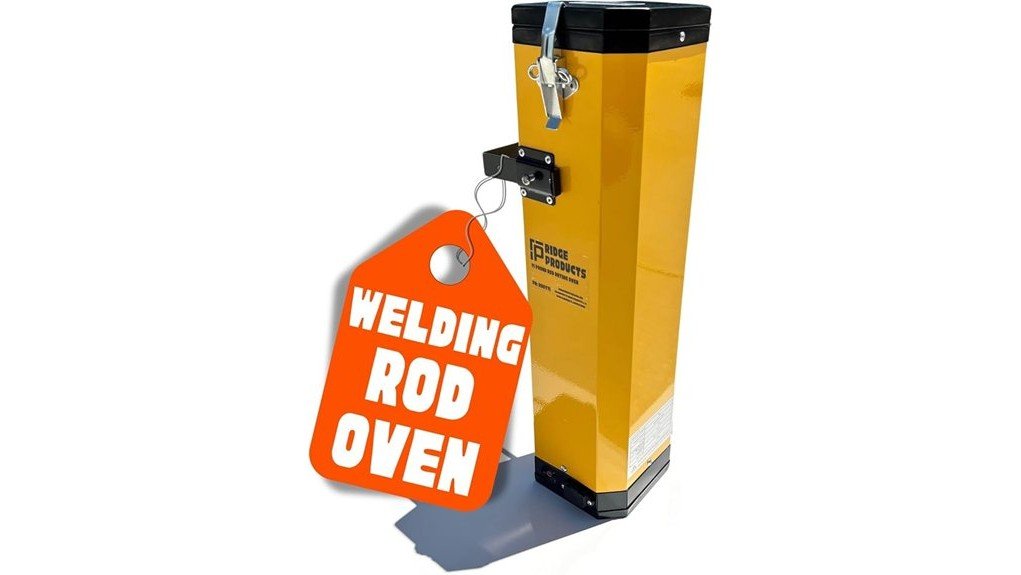
Moisture in stick electrodes can lead to weak welds, porosity, and wasted prep time, especially when you work with low hydrogen rods. The 11 lb Portable Welding Rod Oven is designed to keep a working batch of electrodes warm and dry at up to 300°F. This review helps you decide whether its 110V, 300W setup, 18-inch rod support, and compact 11 lb capacity fit your field or shop workflow. It works best as a portable holding oven, but it is not built for high-volume storage or precision temperature control.
Quick Verdict
Rating: Recommended with caveats
Best For: Field welders, maintenance crews, and small fabrication shops using low hydrogen or stainless steel rods
Bottom Line: This portable rod oven is useful when you need basic 300°F electrode holding without a large cabinet. Its main tradeoff is limited capacity and basic control, so it is better for small to mid-scale work than industrial rod management.
| Specification | Detail |
|---|---|
| Product Type | Portable welding rod oven |
| ASIN / Product Link ID | B0D52H7TLW |
| Capacity | Up to 11 lb of welding electrodes |
| Maximum Temperature | 300°F |
| Power | 110V, 300W |
| Rod Length Compatibility | Supports rods up to 18 inches long |
| Unit Weight | 11 lb |
| Best Use | Low hydrogen and stainless steel electrode holding |
| Control Type | Basic heat control, no advanced digital temperature interface stated |
| Protection Feature | Sealed lid latch to help reduce moisture and dust exposure |
| Safety Note | Use in a controlled area and follow the electrode and oven instructions for storage temperature and handling. |
What Is the 11 lb Portable Welding Rod Oven?
The 11 lb Portable Welding Rod Oven is a compact heated storage unit for stick welding electrodes. It is made to hold a smaller working supply of rods, not to replace a large shop cabinet or a precision industrial oven.
The key setup is simple: 110V input power, 300W heating, up to 300°F operating temperature, and room for rods up to 18 inches long. Those details make it easier to use on job sites, in repair bays, or in small fabrication shops where you need dry electrodes close to the work area.
It makes the most sense for low hydrogen and stainless steel rods because those electrodes can suffer when exposed to humidity. If your work requires strict storage procedures, use this oven only within the limits set by the rod manufacturer or the job specification.
Who Should Buy It?
Best For
- Field welders who need a portable oven for a working batch of rods
- Small fabrication or repair shops using low hydrogen electrodes
- Maintenance crews that want 110V electrode holding without a large cabinet
Skip If
- You need high-capacity storage for large production runs
- You require precise digital temperature settings or logged temperature control
- Your welding procedure requires a certified rebake oven or a different storage temperature
Key Features and Build Quality
Temperature Control and Heating Performance
The oven is rated to maintain heat up to 300°F, which suits basic electrode holding for many small-scale welding tasks. It gives you a simpler way to keep rods warm and dry during the workday instead of leaving them exposed on a bench, truck bed, or open shelf.
The tradeoff is control precision. The article-supported details do not show an advanced digital control panel, so this is not the best pick if your procedure needs exact temperature settings, recorded heat history, or multiple preset modes.
Portability and Job Site Use
At 11 lb, the oven is light enough for mobile work where you move between service trucks, job boxes, and repair areas. That weight matters when you already carry leads, clamps, protective gear, and rod containers.
The 110V power requirement also makes it practical for many shop and job-site outlets. You still need a safe, dry power source and a stable placement area because this is a heated electrical appliance.
Rod Compatibility and Capacity
The 11 lb capacity fits a practical working supply of electrodes for field repair, maintenance, and small shop work. It also supports rods up to 18 inches, which covers many common stick electrode lengths.
Capacity is the main limitation. If your crew burns through rods all day or needs separate storage for multiple electrode types, a larger rod oven or heated storage cabinet will be easier to manage.
Electrode Protection System
The sealed lid latch helps reduce exposure to moisture and dust while rods sit inside the oven. That matters because open electrode storage can allow humidity to enter the flux coating, especially in outdoor, coastal, or unconditioned shop environments.
This oven should be treated as a holding tool, not a fix for badly stored rods. If electrodes were exposed for too long, follow the rod manufacturer’s instructions before using them on critical welds.
Compatibility and Safety Notes
This oven is most relevant for low hydrogen and stainless steel electrodes that need better moisture control before welding. It should not be used as a general storage box for unrelated materials, tools, gloves, or flammable items.
Because it uses 110V power and heat, place it on a stable surface away from standing water, combustible clutter, and areas where cords can be damaged. Let the oven cool before moving it, and follow the product instructions for safe handling.
For code work, structural welding, or jobs with a written welding procedure, confirm the required electrode storage temperature before relying on this unit. Some rods and procedures may require different holding or rebaking conditions than this compact oven provides.
How It Performs in Real Use
Field Repair Work
For outdoor or mobile repair jobs, the oven helps keep a small supply of rods ready while you work through repairs. The 11 lb size is easier to carry than a cabinet-style oven, but it will need refilling on larger jobs.
Small Shop Fabrication
In a small workshop, it can sit near the welding area and hold enough electrodes for short production runs or repair batches. It is useful when you do not have space or budget for a larger heated cabinet.
Maintenance and Construction Work
For maintenance crews, the 110V, 300W setup gives a simple way to support electrode handling during equipment repair or construction tasks. It helps reduce the risk of moisture-related weld problems when rods need to stay protected between passes.
Occasional Welding Projects
Part-time welders may like the simple format because it keeps rods in better condition without a complex setup. The main caution is that occasional users still need to store rods properly before and after each job.
How to Use It Correctly
Preheat the oven before you depend on it for active welding work. Allow about 30 to 45 minutes of warm-up time, and plan setup before you strike the first arc.
Do not overload the oven past its 11 lb capacity or pack rods so tightly that heat cannot circulate around them. Keep the lid closed as much as possible because frequent opening lets heat and dry air escape.
Separate electrode types when your job requires it, and label rods clearly if more than one size or classification is in use. This simple step helps prevent mixing rods during repair work, especially when several welders share the same oven.
Before You Buy: This oven is designed for small-scale electrode holding. It may not meet industrial storage, documented temperature-control, or rebaking requirements for critical welding procedures.
Pro Tip: Keep unopened rods in their sealed packaging until needed, then use the oven to hold a working batch close to the welding area.
Is It Worth the Price?
This rod oven fits the practical mid-range category for welding accessories. It is worth considering if you need basic 300°F electrode holding, 110V power, and a portable 11 lb format instead of a large shop cabinet.
You get the most value from it when your work involves field repair, maintenance, or small fabrication runs. The oven helps protect rods during the job without taking up much space.
It is not the best fit if you need digital precision, higher capacity, or documented temperature control. In those cases, a larger industrial rod oven may be the safer long-term investment.
How It Compares to Alternatives
Compared with larger industrial rod ovens, this model is easier to move and simpler to power, but it offers less capacity and fewer controls. A cabinet-style oven makes more sense for shops that store many pounds of rods at once or manage several electrode types.
Compared with basic unheated rod tubes, this unit adds active heat and better moisture control during the workday. Unheated tubes are useful for transport, but they do not provide the same drying support once rods are out of sealed storage.
Pros and Cons
Pros
- Maintains up to 300°F heat for basic electrode holding
- 11 lb unit weight makes it easier to move between work areas
- Holds up to 11 lb of electrodes for small to mid-scale jobs
- Supports rods up to 18 inches long
- Sealed lid latch helps reduce moisture and dust exposure
Cons
- Limited capacity for high-volume production welding
- No advanced digital temperature controls stated
- May not satisfy procedures that require documented storage or rebake conditions
Frequently Asked Questions
How long does it take to heat up?
Allow about 30 to 45 minutes for warm-up before starting welds that depend on dry electrodes. Planning this setup time helps you avoid rushing rod preparation.
Can it run during a full welding shift?
The article describes it as suitable for continuous operation during welding shifts. You should still follow the product manual and use a safe, stable 110V power source.
What rods does it support?
It is best suited for low hydrogen and stainless steel electrodes. The article-supported rod length is up to 18 inches.
How much can it hold?
The oven holds up to 11 lb of welding electrodes. That capacity works for field repairs and small shop batches, but it is limited for production crews.
Is 300°F enough for every electrode?
No. A 300°F holding temperature may work for many storage tasks, but some electrodes or procedures can require different conditions. Check the electrode packaging, job specification, or manufacturer guidance before critical work.
Is it safe for outdoor use?
It is better suited to controlled work areas than direct weather exposure. Because it uses 110V power and heat, keep it dry, stable, and away from wet surfaces.
Can it replace a large shop rod oven?
Not for high-volume or procedure-controlled work. This unit is better as a portable holding oven for a smaller batch of rods near the welding area.
What is the biggest mistake to avoid?
Do not treat the oven as a cure for rods that were already stored incorrectly. Use it as part of a proper storage routine, and follow the electrode manufacturer’s instructions.
The Bottom Line
The 11 lb Portable Welding Rod Oven is a practical choice if you need a compact 110V oven for holding low hydrogen or stainless steel electrodes near the work area. Its strengths are portability, 300°F heat, and support for 18-inch rods, while its limits are small capacity and basic controls.
Buy it for field repair, maintenance, or small shop use. Skip it if your work requires high-capacity storage, precise digital control, or procedure-approved rebaking performance.