Disclosure: As an Amazon Associate, we earn from qualifying purchases. If you click a link on this page and make a purchase, we may receive a small commission at no extra cost to you.
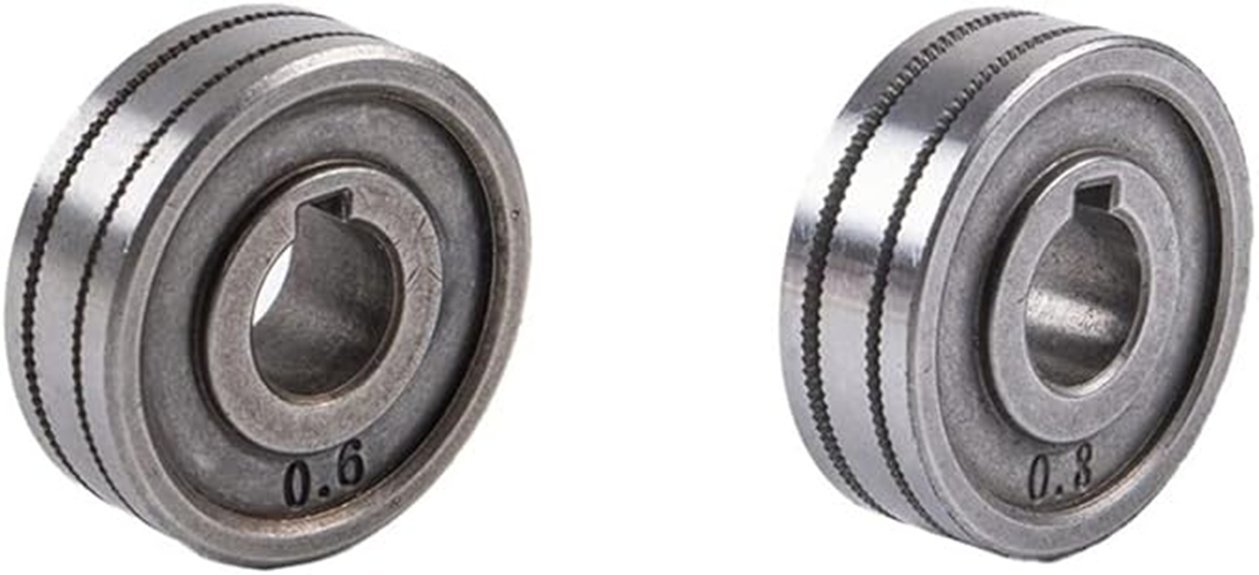
Poor wire feeding can make a MIG welder feel inconsistent, even when your settings and technique are close. The MIG MAG Welding Feed Roller Wire Drive Wheel is a small replacement part made for smoother wire delivery in compatible wire-feed welders. Its main appeal is the hardened steel build and K groove design for flux core wire. This review explains what the roller does well, what you need to check before buying, and why fit matters more than looks with this type of part.
Quick Verdict
Rating: Recommended with caveats, 8/10
Best For: Welders replacing a compatible K groove drive roller for flux core wire feeding.
Bottom Line: This feed roller is worth considering if your welder needs a hardened steel K groove wheel in the listed sizes. The main tradeoff is compatibility, because a drive roller must match your welder, shaft setup, groove type, and wire size.
| Specification | Detail |
|---|---|
| Product name | MIG MAG Welding Feed Roller Wire Drive Wheel |
| Product type | Replacement wire drive roller for MIG/MAG welders |
| ASIN from link | B0BXXG53Z5 |
| Material | Hardened steel |
| Groove design | K groove, described for flux core wire feeding |
| Available roller sizes | 0.6mm, 0.8mm, and 1.0mm |
| Dimensions | 30mm x 10mm x 10mm |
| Weight | 1.27 ounces |
| Compatibility | Standard MIG welders, when shaft size, groove style, and wire size match |
| Best use | Flux core wire feeding in compatible MIG/MAG machines |
What Is the MIG MAG Welding Feed Roller?
The MIG MAG Welding Feed Roller Wire Drive Wheel is a small drive component that helps pull welding wire through a MIG/MAG wire-feed system. It mounts onto the motor shaft and grips the wire as the feeder pushes it toward the torch. When the roller fits correctly, it can help reduce slipping, uneven feeding, and wire delivery issues.
The article-supported version uses hardened steel and a K groove design. That combination makes sense for flux core wire because the roller needs enough grip to move the wire without crushing it. It is not a universal fix for every feeding problem, though, because liner condition, tension setting, wire quality, contact tip size, and spool drag can also affect feeding.
Before You Buy: Match the roller size, groove type, shaft fit, and wire type to your welder before ordering. A K groove roller made for flux core wire may not be the right choice for soft solid wires or machines that require a different wheel profile.
Who Should Buy It?
Best For
- You need a replacement drive roller in 0.6mm, 0.8mm, or 1.0mm size.
- You use flux core wire and need a K groove wheel for better grip.
- You want a hardened steel roller for regular garage, repair, or DIY welding use.
Skip If
- Your welder requires a different shaft size or roller shape.
- You mainly run soft wire that needs a U groove roller.
- Your wire feeding problem comes from the liner, contact tip, spool tension, or drive pressure instead of the roller.
Product Features and Specifications
Hardened Steel Build
The hardened steel construction is the key durability detail in this roller. A feed wheel sits under pressure and works against wire movement, so a harder material can help the groove hold its shape during repeated use. That matters most if you weld often or run flux core wire in repair and fabrication jobs.
The benefit is simple: a worn drive wheel can lose grip and make feeding less consistent. A hardened steel replacement may help restore the wire path when the original roller is damaged, rounded, dirty, or mismatched. You should still inspect the rest of the feed system before blaming the roller alone.
K Groove Design for Flux Core Wire
The article describes this wheel as a K groove roller for flux core wire. That groove profile is useful because flux core wire needs controlled grip without excessive crushing. If the roller does not grip enough, the wire can slip. If the tension is too high, the wire can deform and feed poorly.
This is why groove type matters. K groove and knurled-style rollers are often chosen for flux core applications, while U groove rollers are commonly associated with softer wires. For best results, match the groove to the wire type listed in your welder manual.
Size Options
The article lists 0.6mm, 0.8mm, and 1.0mm roller sizes. Those sizes cover common small and mid-size MIG/MAG welding wire setups. You should choose the size that matches the wire diameter you actually plan to run.
Do not choose a roller size based only on what looks close. A small mismatch can cause poor wire grip, shaving, slipping, or erratic feeding. Check the markings on your current roller, your wire spool, and your welder manual before you buy.
Fit and Compatibility
This roller is described as compatible with standard MIG welders, but “standard” does not mean every welder. You still need the correct outer dimensions, shaft fit, groove shape, and wire diameter. The article-supported dimensions are 30mm x 10mm x 10mm, so compare those numbers with your existing drive wheel before ordering.
Compatibility also depends on how your machine secures the drive wheel to the motor shaft. Some welders use specific retaining hardware, keyed shafts, or roller profiles. If your current roller has different measurements or a different mounting style, this replacement may not install correctly.
Pro Tip: Remove your old roller and compare the printed wire-size marking, groove style, shaft opening, and overall dimensions before ordering. This takes a few minutes and can prevent buying the wrong wheel.
Installation and Setup
Installation should be straightforward if the roller matches your welder. The drive wheel mounts directly onto the motor shaft, then the feeder tension arm holds the wire against the groove. Once installed, the wire should sit in the groove without riding too high or dropping too deep.
After installation, set the drive tension carefully. Too little pressure can let the wire slip. Too much pressure can flatten or mark the wire, especially with softer wire types. Start with moderate tension, test the feed, and adjust only as needed.
Common Setup Mistakes to Avoid
- Using a K groove roller when your wire type needs a different groove profile.
- Running 0.8mm wire through a roller set for another wire size.
- Overtightening the drive tension to solve a liner or contact-tip problem.
- Installing the roller without cleaning dust, metal shavings, or wire debris from the feeder area.
- Ignoring spool drag, which can also make the wire feed feel inconsistent.
How It Performs in Real Use
For Flux Core Welding
The K groove design makes the most sense for flux core wire. It gives the roller a more aggressive grip than a smooth groove, which can help move the wire more reliably through the drive system. This is useful for small repairs, garage welding, and outdoor flux core work where consistent feeding matters.
For Replacing a Worn Roller
If your original roller is worn, dirty, or rounded off, a replacement wheel can improve feeding feel. The hardened steel material should also hold up better than a softer, badly worn part. Still, the improvement depends on the whole wire path, not only the roller.
For Multi-Size Wire Setups
The listed 0.6mm, 0.8mm, and 1.0mm options give you room to match common wire diameters. That is helpful if your welder supports more than one wire size. You still need to select the correct roller size for the wire you are using at the time.
For Long-Term Use
The roller’s hardened steel build is the strongest long-term detail in the article. It should be better suited to repeated wire-feed pressure than a weaker or badly worn wheel. Regular cleaning still matters, because dust and wire debris can reduce grip and affect feeding over time.
Maintenance Tips
Keep the roller clean and free from debris. Welding wire can leave dust, small metal particles, or coating residue around the drive system. A dirty roller may slip even when the groove and size are correct.
Inspect the groove during routine welder maintenance. If the groove looks rounded, clogged, chipped, or uneven, wire feeding may suffer. Also check the liner, contact tip, spool tension, and drive pressure before replacing parts, because those areas often create similar symptoms.
Compatibility and Safety Notes
Before working inside your welder, turn the machine off and follow the manufacturer’s instructions for service and maintenance. A feed roller is a mechanical part, but it sits inside equipment that also includes electrical components and moving feed hardware. Do not service the machine while it is powered.
Use the roller only with compatible wire sizes and a compatible welder. A mismatched roller can damage wire, reduce feed quality, or make the welder harder to control. If you are unsure about fit, compare the part with your current roller or ask the welder manufacturer before buying.
Pros and Cons
Pros
- Hardened steel construction supports better wear resistance.
- K groove design is suited to flux core wire feeding.
- Available in 0.6mm, 0.8mm, and 1.0mm sizes.
- Compact 30mm x 10mm x 10mm dimensions make it easy to compare with your old roller.
- Lightweight 1.27 oz design keeps installation simple when fit is correct.
Cons
- Compatibility is limited by shaft fit, roller dimensions, groove type, and wire size.
- Not the best choice for wire types that require a U groove or smooth groove roller.
- May not solve feeding problems caused by the liner, contact tip, spool drag, or drive tension.
Is It Worth the Price?
This roller can be a smart buy for everyday use if it matches your machine and wire size. It is a small part, but it can affect how steady the welding wire feels during feeding. For welders who use flux core wire, the hardened steel and K groove design are the most useful points.
The value is weaker if you are guessing on compatibility. A wrong roller is not a bargain, even if the part itself looks simple. Measure your current roller and confirm the groove style before deciding.
How It Compares to Alternatives
Compared with a U groove roller, this K groove design is a better match for flux core wire applications. A U groove roller may be better for softer wires that need gentler support. A smooth or V-style roller may fit different wire-feed setups, but it may not grip flux core wire the same way.
The MIG MAG Welding Feed Roller makes the most sense if your current welder specifically needs a K groove drive wheel in one of the listed sizes. If your welder manual calls for a different roller profile, choose the part that matches the machine instead.
Frequently Asked Questions
What is the MIG MAG Welding Feed Roller used for?
It is used as a replacement wire drive wheel in compatible MIG/MAG welders. The roller helps feed welding wire through the machine toward the torch.
Is this roller for flux core wire?
The article describes it as a K groove roller for flux core wire feeding. That makes it better suited to flux core use than soft wire applications that may need a U groove roller.
What sizes are available?
The article lists 0.6mm, 0.8mm, and 1.0mm size options. Choose the size that matches the welding wire diameter you plan to run.
Will it fit every MIG welder?
No. The article says it is made for standard MIG welders, but you still need to confirm dimensions, shaft fit, groove type, and wire size before buying.
What are the dimensions of the feed roller?
The article-supported dimensions are 30mm x 10mm x 10mm. Compare those measurements with your existing roller before ordering.
Can a new feed roller fix wire feeding problems?
It can help if the old roller is worn, dirty, mismatched, or slipping. It may not fix problems caused by the liner, contact tip, spool tension, drive pressure, or poor wire quality.
How should you maintain the roller?
Keep the roller clean and inspect the groove for wear or debris. Follow your welder manual when adjusting drive tension or servicing the feeder assembly.
The Bottom Line
The MIG MAG Welding Feed Roller Wire Drive Wheel is a practical replacement part if your welder needs a hardened steel K groove roller for flux core wire in 0.6mm, 0.8mm, or 1.0mm sizing. Its main strength is simple, durable wire-feeding support, while its main limitation is fit. Skip it if your welder requires a different groove profile, shaft setup, or roller size.