Disclosure: As an Amazon Associate, we earn from qualifying purchases. If you click a link on this page and make a purchase, we may receive a small commission at no extra cost to you.
Small aluminum repairs can be frustrating when the base metal warps, the filler does not flow well, or the joint fails after cooling. The TQLONKTE 55pcs Aluminum Brazing Rods are made for low-temperature aluminum repair work where you want a simple rod set for light-duty fixes, hobby projects, and practice joints. This review helps you decide whether this 55-piece rod pack makes sense for your workshop, what it can realistically handle, and where you should use a stronger professional welding process instead.
Quick Verdict
Rating: 7.8/10
Best For: DIY aluminum patching, small repairs, hobby metalwork, and beginner practice on non-structural aluminum parts.
Bottom Line: These rods are worth considering if you want a simple 55-piece low-temperature brazing rod set for light aluminum repairs. They are not the right choice for critical, load-bearing, pressure-rated, or safety-related welds.
| Specification | Detail |
|---|---|
| Brand | TQLONKTE |
| ASIN | B0FJM8YZ9C |
| Product type | Low-temperature aluminum brazing rods |
| Count | 55 pieces |
| Listed size | 3/32 inch diameter x 13 inch length, confirm the exact selected variant before buying |
| Material | Aluminum brazing rod material, described as flux-core aluminum rods |
| Flux requirement | Listed as no additional flux powder required |
| Compatible materials | Aluminum, aluminum alloys, and aluminum-magnesium alloys, when properly cleaned and heated |
| Best use | Small aluminum repairs, DIY practice, hobby fabrication, and non-structural patching |
| Safety note | Use PPE, ventilation, fire-safe work habits, and the product instructions before heating metal or filler rods |
What Are the TQLONKTE 55pcs Aluminum Brazing Rods?
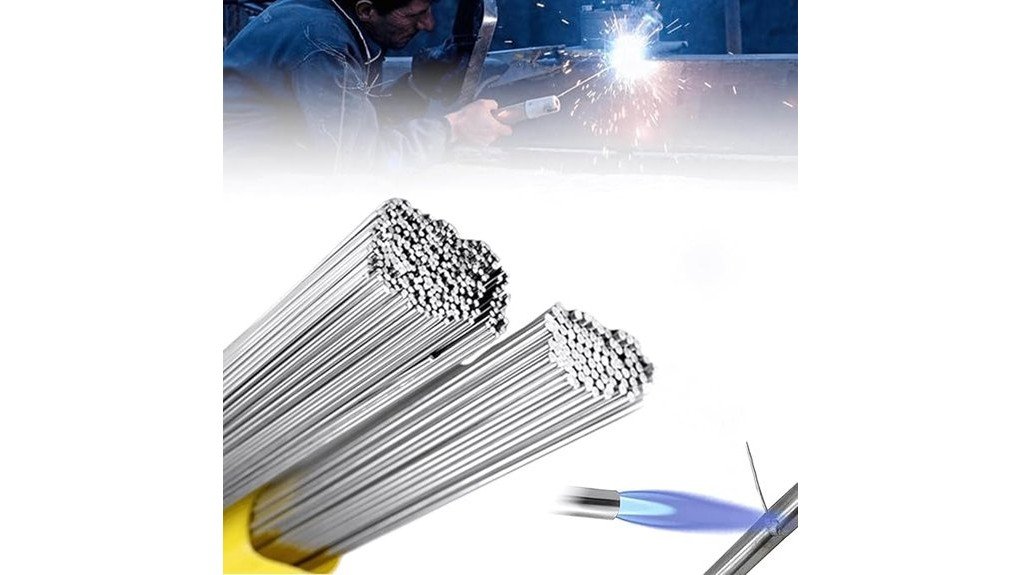
The TQLONKTE 55pcs Aluminum Brazing Rods are filler rods for joining or repairing aluminum using controlled heat. They are aimed at shoppers who want a simple rod pack for light-duty aluminum repair rather than a full TIG or MIG aluminum welding setup.
The main appeal is convenience. You get a 55-piece pack, a listed 3/32-inch by 13-inch rod size, and a no-extra-flux design that reduces preparation steps. That makes the set easier to approach for hobby users, but you still need clean metal, proper heat control, and safe brazing habits to get a reliable result.
Before You Buy: Do not treat these rods as a substitute for certified structural aluminum welding. Use them for small, non-critical repairs, and confirm the listing size and material compatibility before ordering.
Who Should Buy It?
Best For
- DIY users repairing small aluminum items around a garage or home workshop.
- Beginners who want practice rods for learning heat control on aluminum scrap.
- Hobby metalworkers making light brackets, craft pieces, or non-load-bearing patches.
Skip If
- You need a certified repair on a frame, suspension part, pressure vessel, or safety-critical component.
- You want professional TIG-level aluminum weld quality and controlled strength data.
- You cannot safely work with heat, flame, fumes, and hot metal in a ventilated area.
Product Features
The biggest feature is the 55-piece quantity. A larger rod count gives you enough material for practice, test joints, and multiple small repairs without using the entire pack on your first project.
The rods are listed as 3/32 inch in diameter and 13 inches long. That size can be convenient for hand feeding because the rods are long enough to keep your hand farther from the heated area, while still being manageable for small parts and patch work.
The no-extra-flux design also matters. Traditional brazing can require separate flux selection and cleanup. These rods are marketed as flux-core aluminum rods, so you can focus on cleaning the base metal, heating the workpiece evenly, and feeding the rod into the joint.
Build Quality and Materials
The rods are described as aluminum brazing rods for aluminum and aluminum alloy repairs. For this type of product, the real quality test comes from how well the rod flows after the base metal reaches the right temperature.
You should not expect the rod alone to fix poor surface preparation. Aluminum oxide, paint, grease, and dirt can block bonding. Clean the area first, use a stainless brush dedicated to aluminum, and make a test joint before repairing a visible part.
Pro Tip: Practice on scrap aluminum from the same type of material before repairing the final part. This helps you learn how quickly the metal heats and how the rod flows.
Ease of Use
These rods are easier to start with than a full aluminum welding setup because you do not need a wire feeder, shielding gas, or TIG torch. That said, “easy melt” does not mean automatic bonding. The base metal needs enough heat for the filler to flow across the joint instead of balling up on the surface.
Beginners should work slowly and avoid overheating thin aluminum. Aluminum does not always show a bright color change before it gets too hot, so it can soften or distort before you notice the problem. A small practice piece can save you from damaging the part you actually want to repair.
Compatibility and Fit
The rods are intended for aluminum, aluminum alloys, and aluminum-magnesium alloys. They may also work on some cast aluminum repairs, but cast parts can vary widely in alloy content, contamination, and porosity.
They are not a universal solution for all metals. Do not use them as a general-purpose rod for steel, stainless steel, brass, or high-temperature industrial metals unless the product label specifically supports that use. For mixed-metal repairs, compare the base material, filler rod, and heat source before starting.
How It Performs in Real Use
For Small Household Aluminum Repairs
For small non-structural repairs, the rods can be useful when you need to fill a crack, patch a thin section, or join light aluminum pieces. You get the best results when the area is clean, the joint fit is tight, and you heat the surrounding metal evenly before touching the rod to the joint.
For Automotive and Garage Use
These rods may help with small brackets, covers, trim pieces, or non-critical aluminum parts. Avoid using them on wheels, suspension components, frames, pressurized systems, fuel tanks, or any repair where failure could cause injury or vehicle damage.
For Hobby Metal Art
The rod count works well for hobby projects because you can experiment with small joins, decorative aluminum pieces, and practice beads. The low-temperature design can make the process more approachable, but you still need patience because heat control affects both appearance and strength.
For Beginner Practice
Beginners can use this set to learn how aluminum behaves under heat. Start with scrap material, clean the joint, and work in short sessions. Once you can make a neat test joint, move to a simple repair that does not carry weight or pressure.
How to Use These Rods Correctly
Start by cleaning the repair area until you remove oxidation, grease, paint, and surface debris. Aluminum forms oxide quickly, so brushing right before brazing can improve your chance of getting the filler to wet the surface.
Heat the base metal instead of melting the rod directly in the flame. Touch the rod to the heated joint area and let the workpiece melt the filler. If the rod balls up, the metal may be dirty, too cool, or not compatible with the filler.
Let the repair cool naturally after brazing. Quenching can stress the joint or change the result, especially on thin or cast parts. After cooling, inspect the joint for gaps, weak spots, or poor flow before putting the item back into use.
Safety and Material Notes
Brazing is hot work, so you should treat it with the same caution you would use for welding, soldering, or torch work. Wear eye protection, heat-resistant gloves, non-synthetic clothing, and closed-toe shoes. Keep flammable materials away from the work area.
Ventilation matters even when a rod is marketed as no-flux or low-temperature. Heating metals can create fumes and gases, especially when the base material has coatings, paint, oil, or unknown alloy content. Work in a ventilated area and avoid confined spaces unless you have proper controls and training.
Do not braze sealed containers, fuel tanks, pressurized parts, or unknown materials without professional guidance. Some parts can hold flammable vapors or coatings that become hazardous when heated.
Pros and Cons
Pros
- 55-piece pack gives you extra rods for practice and multiple small repairs.
- Listed 3/32-inch x 13-inch size is practical for hand-fed aluminum repair work.
- No-extra-flux design can reduce prep steps compared with separate flux methods.
- Useful for light aluminum, aluminum alloy, and hobby repair projects.
- More beginner-friendly than buying a full aluminum TIG or MIG setup.
Cons
- Not suitable for structural, pressure-rated, or safety-critical repairs.
- Size wording may vary by listing or marketplace, so you should confirm the selected variant.
- Results depend heavily on cleaning, heat control, base metal condition, and user technique.
Is It Worth the Price?
The TQLONKTE 55pcs Aluminum Brazing Rods offer strong value for the price if you need a practical pack for small aluminum repair jobs. The 55-piece count is useful because beginners often need several practice attempts before getting a clean flow and solid joint.
The value is strongest for DIY users, hobbyists, and garage owners who repair lightweight aluminum items occasionally. It is not the best fit if you need documented tensile strength, professional weld certification, or a repair method approved for critical components.
How It Compares to Alternatives
Compared with TIG welding, these brazing rods are simpler and cheaper to start using, but they do not offer the same level of control, appearance, or verified structural strength. Compared with MIG aluminum welding, they avoid the need for a spool gun or shielding gas, but they require careful torch technique and surface prep.
Compared with epoxy or cold repair compounds, brazing can create a metal-to-metal repair that may handle heat better. Epoxy may still be easier for cosmetic, low-stress fixes where you cannot safely use a torch.
Frequently Asked Questions
Are these aluminum brazing rods good for beginners?
Yes, they can be a good beginner option for practice and small non-critical aluminum repairs. Start on scrap aluminum before working on the part you want to fix.
Do I need extra flux with these rods?
The product is listed as no additional flux powder required. You still need to clean the aluminum surface well because oxidation, dirt, and paint can stop the filler from bonding.
What materials can I use them on?
They are intended for aluminum, aluminum alloys, and aluminum-magnesium alloys. Do not assume they will work on steel, stainless steel, brass, or unknown metals unless the label confirms compatibility.
Can I use these rods for automotive repairs?
You can consider them for small non-critical automotive aluminum parts, brackets, or practice repairs. Do not use them on wheels, frames, suspension parts, pressure systems, or fuel-related parts.
How should I store the rods?
Store them in a dry, covered container away from moisture, shop dust, and chemical fumes. Wipe dirty rods before use so contamination does not enter the joint.
Why does the rod bead up instead of flowing?
The most common causes are dirty aluminum, not enough heat in the base metal, or incompatible material. Clean the surface again, heat the workpiece more evenly, and test on scrap before retrying the repair.
Are these rods safe to use indoors?
Only use them indoors if you have proper ventilation, fire safety, and a suitable hot-work area. Avoid confined spaces and remove coatings, oils, and flammable materials before heating metal.
Who should skip this rod set?
Skip it if you need certified strength, a professional structural repair, or a process approved for safety-critical parts. A trained welder and the right process are better for those jobs.
The Bottom Line
The TQLONKTE 55pcs Aluminum Brazing Rods are a practical choice for DIY users who want an affordable rod pack for small aluminum repairs, practice work, and hobby projects. They offer convenience through a 55-piece count and no-extra-flux design, but they are not a replacement for certified aluminum welding on critical parts.
Buy them if you want a simple aluminum repair option and you are willing to practice your heat control. Skip them if the repair must carry heavy loads, hold pressure, or meet professional safety standards.