As an Amazon Associate, Garage Welding may earn from qualifying purchases. This does not change the price you pay.
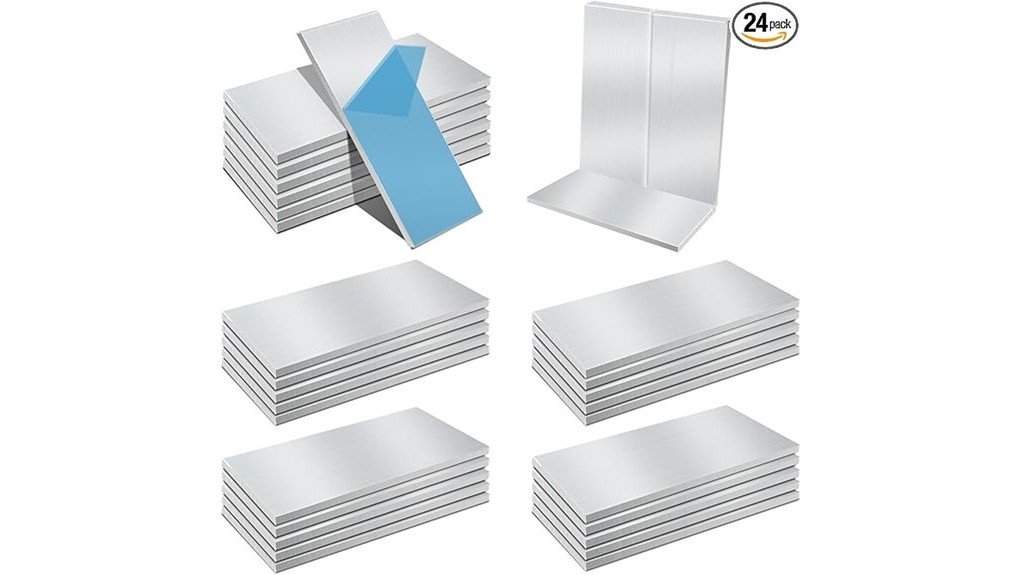
This 24-piece aluminum sheet welding kit is a pack of 1/8-inch thick, 2 x 4 inch aluminum plates for practicing weld beads, joints and heat control. It is worth considering if you own a TIG machine or an aluminum-capable MIG setup and want cheap coupons to practice on. Skip it if you only have a stick or flux-core welder, because aluminum is a poor fit for those processes.
Aluminum sheet welding kit specs at a glance
| Item | Per the listing |
|---|---|
| Type | Aluminum welding practice plates, 24 pieces |
| Thickness | 1/8 inch |
| Plate size | 2 x 4 inches |
| Finish | Polished surfaces, per the listing |
| Processes named | MIG, TIG, stick and brazing (see notes below) |
| Alloy | Check the listing; verify before choosing filler |
Why practice on aluminum plates
Aluminum behaves differently from steel. It conducts heat quickly, has a tough oxide skin, and goes from solid to puddle to hole with little color change. Practicing on real aluminum of the thickness you will weld is the fastest way to learn.
A pack of 24 small plates lets you run beads, butt joints, T-joints and lap joints without scrounging scrap. Because the plates are the same size and thickness, you can compare settings and technique between runs and keep notes.
How to check the kit works with your machine
- Process: AC TIG is the classic aluminum method. MIG needs 100 percent argon, soft aluminum wire with U-groove drive rolls or a spool gun. Stick and flux-core are not suitable for beginners on aluminum.
- Power: 1/8 inch plate needs plenty of amperage. Look at your machine’s chart before buying, especially on 120 V units.
- Filler: match filler to the base alloy. Do not assume; confirm the alloy first.
- Cleaning tools: you will need an aluminum-only stainless brush and a degreaser.
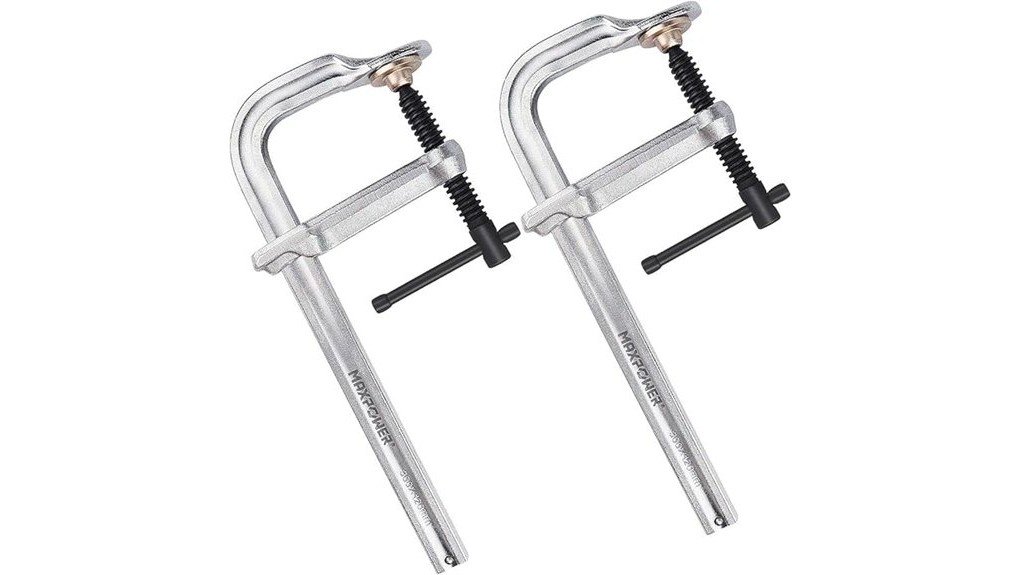
- Fixturing: a heat-sink block or clamp helps small coupons; see welding table clamps if you need to hold small plates.
Pros and limitations
Pros
- 24 pieces give plenty of material for repeated practice.
- Uniform size and thickness make comparison easy.
- Lightweight and easy to store.
Limitations
- Aluminum is harder to learn than mild steel; start with steel coupons if you are brand new.
- The alloy may not be stated clearly, so filler choice needs care.
- Small coupons heat up fast; let them cool between passes.
- Claims that the kit suits every process are broad. Stick is not a sensible aluminum method.
Practice plan for aluminum coupons
- Clean the plates with acetone and brush the weld area with a dedicated stainless brush.
- Run straight beads on the flat plate to learn puddle size and travel speed.
- Move to butt joints and fillets in a T-joint. Watch for burn-through at the edges and ends.
- Increase travel speed as the plate warms up, or reduce amperage with a foot pedal.
- Check welds by bending or sawing a coupon and inspecting for porosity or lack of fusion.
Safety
- Use an appropriate helmet shade for the process and amperage, and wear fire-resistant clothing and gloves.
- Aluminum welding makes bright arcs and fumes; use ventilation. Cleaning solvents such as acetone are flammable, so let them dry before striking an arc.
- Never use chlorinated degreasers near welding, because they can form toxic gas.
- Hot aluminum looks the same as cold. Use pliers and a heat-resistant surface.
Alternatives and related guides
- Welding coupons review for another practice plate pack.
- Therwen 9-piece practice kit for a smaller set.
- Welding practice kit for steel practice options.
Frequently Asked Questions
Can I practice stick welding on aluminum plates?
The listing mentions stick, but stick welding aluminum is rarely done and is difficult with ordinary electrodes. Aluminum is normally welded with TIG using AC, or MIG with 100 percent argon and a spool gun or suitable drive rolls. If you only have a stick machine, mild steel coupons are the better practice choice.
What amperage does 1/8 inch aluminum need?
Aluminum conducts heat away quickly, so 1/8 inch plate needs a capable machine. Many TIG and MIG makers publish amperage charts by thickness, so check your welder’s chart. Small 120 V units may struggle to melt this thickness, and preheating or a more powerful machine may help.
How do I prepare aluminum coupons before welding?
Remove the oxide layer just before welding using a dedicated stainless steel brush that is used only on aluminum, then wipe with acetone or a suitable cleaner. Clean filler rod too. The oxide melts at a far higher temperature than the metal beneath, so skipping this causes dirty, porous welds.
Which aluminum alloy are the plates?
Check the full product page or ask the seller, because the alloy is not clearly stated in the short listing details. Alloy affects weldability and filler choice; for example, 6061 is commonly welded with 4043 or 5356 filler. Do not assume the alloy, and match filler to the plate.
Conclusion
These aluminum plates are a low-cost way to practice a hard-to-learn material. Check your machine can weld 1/8-inch aluminum, confirm the alloy, and clean thoroughly before every pass.