As an Amazon Associate, Garage Welding may earn from qualifying purchases. This does not change the price you pay.
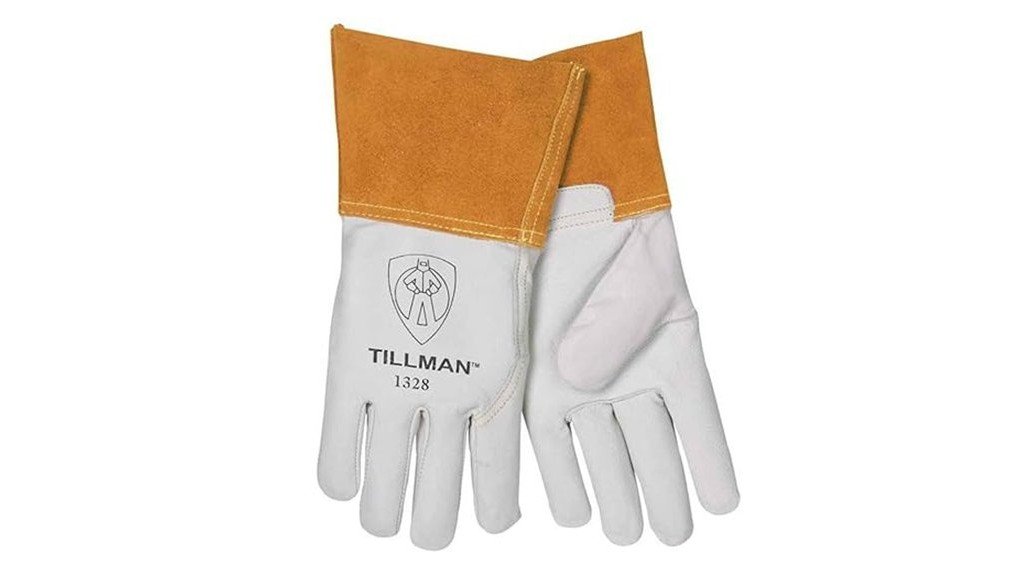
The John Tillman TIG welders gloves are unlined, premium goatskin gloves, listed at 13 inches long with a 4-inch cuff and Kevlar thread stitching. They are worth considering if you want good fingertip feel for TIG and light MIG work. They are not the right pick for heavy stick or high-spatter jobs, where a thicker glove is safer.
This page is based on the seller’s Amazon listing and general TIG practice, not hands-on testing.
John Tillman TIG gloves at a glance
| Item | Per the listing |
|---|---|
| Material | Premium goatskin |
| Lining | Unlined |
| Length / cuff | 13 inches long with a 4-inch cuff |
| Thumb | Wing-style thumb |
| Stitching | Kevlar thread |
| Intended use | TIG; light MIG |
Check Current Price on Amazon →
Why choose goatskin for TIG
TIG welding rewards control. You steady a small torch with one hand and dip filler rod with the other, usually close to a bright puddle. Thin goatskin bends easily, lets you feel the rod, and still resists the heat and UV of low-amp TIG better than fabric.
- Unlined: thinner for more feel, but less insulation.
- Wing thumb: the thumb gives more freedom of movement for gripping rod and torch.
- Kevlar stitching: the thread resists burning at the seams.
How to check these fit your welding
- Check your process. TIG and light MIG, yes. Heavy stick or overhead, no.
- Measure your hand and compare it to the size chart. TIG gloves should fit close.
- Check cuff overlap. The 4-inch cuff should overlap your jacket sleeve.
- Check heat. At higher amperage on thick aluminum, gloves can get hot fast. Use a thicker pair when needed.
- Check dexterity. You should be able to pinch a rod and hold a torch comfortably.
Pros and limitations
Pros
- Good tactile feel for rod feeding.
- Soft goatskin with Kevlar thread.
- 13-inch length with a 4-inch cuff for wrist cover.
Limitations
- Unlined, so less insulation than thick gloves.
- Not suited to heavy spatter, stick or overhead welding.
- Thin leather wears faster than thick cowhide.
Tips for TIG glove use
Take your hand off the hot piece quickly. Thin gloves transfer heat fast, so use a pair of pliers for hot filler rod ends and workpieces. If you also run MIG, keep a thicker pair on hand.
Keep gloves dry and store them flat. Wipe with a dry cloth, let them air dry, and retire them when the palm thins or seams split.
Alternatives and related guides
- Compare the Wells Lamont TIG welding gloves.
- See Tillman 48XL goatskin MIG gloves for a heavier option.
- For lined stick, see Caiman Revolution gloves.
- Check TIG back caps if you also maintain your torch.
Frequently Asked Questions
Why are TIG gloves thinner than MIG gloves?
TIG runs at lower amperage and produces little spatter, but you must feed filler rod and position the torch precisely. Thin, unlined goatskin gives that fingertip feel. MIG and stick make more spatter and radiant heat, so welders usually pick thicker, often lined, gloves for them.
Are unlined goatskin gloves safe for MIG?
Many welders use them for light MIG, but they offer less insulation and spatter protection than thicker cowhide gloves. For heavy MIG, stick or overhead work, a thicker glove is usually safer. Match the glove to the amperage and the amount of spatter.
What size should I get in TIG gloves?
Measure around your palm and use the size chart on the listing. TIG gloves should fit close with little extra material at the fingertips, because loose leather makes rod feeding clumsy. Goatskin stretches a little with wear, so avoid going too large.
How do I keep goatskin gloves soft?
Keep them dry, let them air dry away from heat if they get damp, and avoid soaking them. A small amount of leather conditioner can help, but too much can attract dirt. Replace the gloves once the palm thins or seams open.
Conclusion
These John Tillman gloves are a feel-first TIG glove. If your work is light and precise, they fit well; if you weld heavy or hot, step up to thicker leather.