You want a plasma cutter that cuts cleanly without dragging an air compressor across the shop. A built-in compressor can save space and setup time, but it can also limit cut speed if the airflow falls short. This guide compares all-in-one plasma cutters, explains the features that matter, and shows how to choose a unit that fits your work.
Quick Answer
A plasma cutter with a built-in air compressor works best when you need fast setup, easy transport, and light to medium cutting capacity. Look for stable airflow, a verified duty cycle, dry air control, and pilot arc support if you cut rusty, painted, or expanded metal.
Key Takeaways
- Choose an all-in-one plasma cutter when portability matters more than maximum cut capacity.
- Verify airflow under load, not just peak pressure, before you compare models.
- Use pilot arc technology if you cut rusty, painted, or uneven material.
- Plan for filters, consumables, and personal protective equipment when you compare total cost.
- Keep the air path clean and dry to improve cut quality and extend consumable life.
What’s in This Article
- Why Choose a Plasma Cutter With a Built-In Air Compressor
- Top Features to Look For in All-in-One Plasma Cutters
- Best Models: Powermax30 Air, Tomahawk 30 AIR, and Hobart AirForce 12ci
- Real-World Performance: Air Output and Cutting Quality
- Pricing, Discounts, and Rebate Opportunities
- Essential Safety Gear and Accessories
- Tips for Maximizing Portability and Consumable Life
- Frequently Asked Questions
- Conclusion
Why Choose a Plasma Cutter With a Built-In Air Compressor
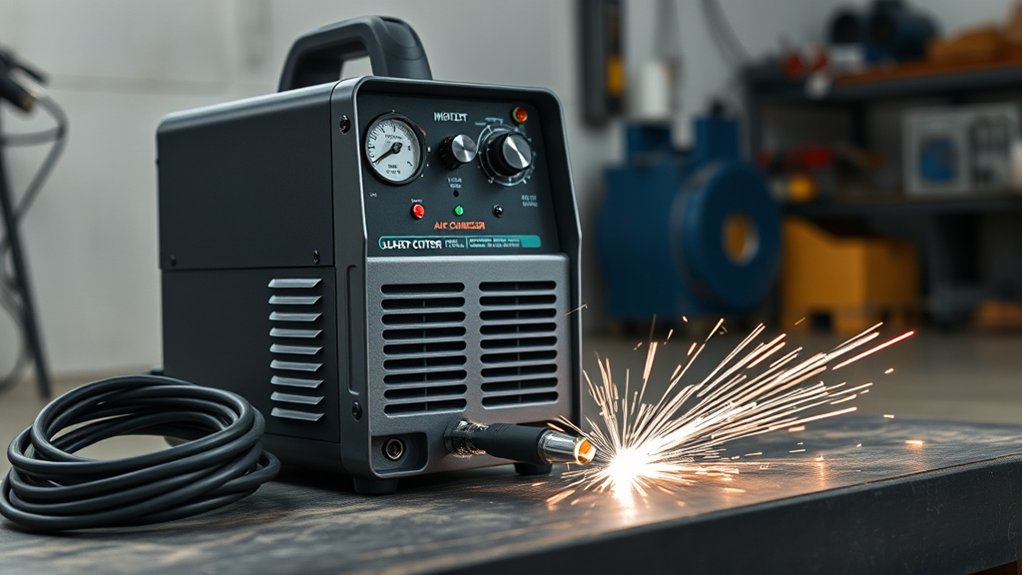
A plasma cutter with a built-in air compressor removes one major piece of shop gear from your setup. You don’t need a separate compressor, air hose, regulator, or extra power source for air delivery.
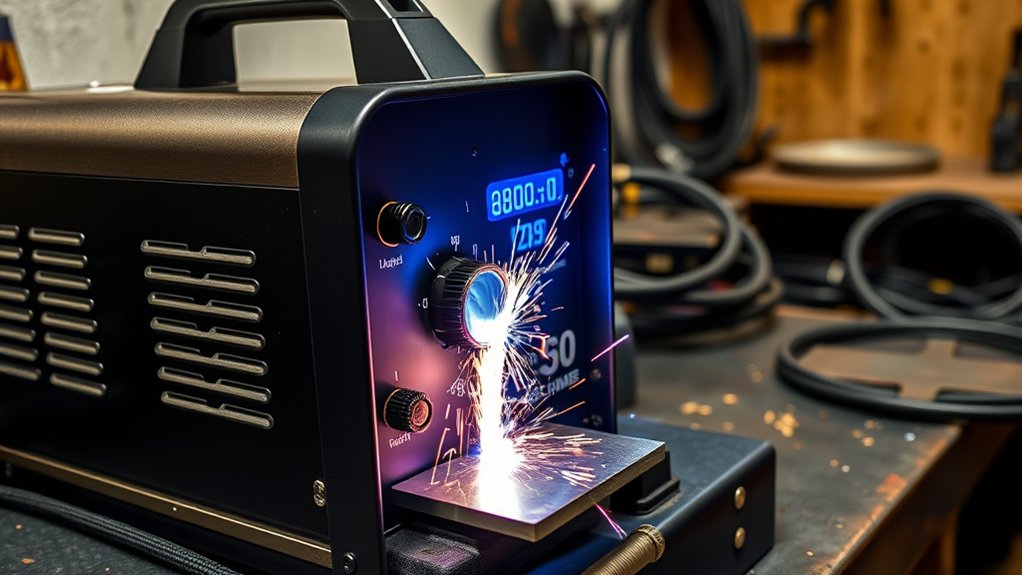
That design improves portability when you move between a bench, garage, jobsite, or repair area. Units such as the Lincoln Tomahawk 30 Air pair cutting power with onboard air, which helps you handle common light fabrication tasks without hauling more equipment.
You also reduce leak points and setup errors. Fewer fittings and hoses mean fewer chances for pressure drop, moisture entry, or a loose connection during a cut.
Continuous pilot arc helps keep the arc active across rust, paint, expanded metal, and small gaps. That can reduce restarts, improve cut flow, and protect your consumables from extra wear.
Internal water separators can help dry the air stream before it reaches the torch. Drier air can improve kerf quality, reduce arc flutter, and extend nozzle and electrode life.
Dry, stable air helps produce cleaner kerfs, steadier arcs, and longer consumable life.
Ergonomic torch design also matters. A torch that fits your hand well helps you hold a steady standoff, control travel speed, and reduce fatigue during longer cuts.
An integrated package works well when you need fast setup, repeatable handling, and fewer loose parts. It makes the most sense for light repair, mobile maintenance, hobby fabrication, and small shop work.
Products Worth Considering
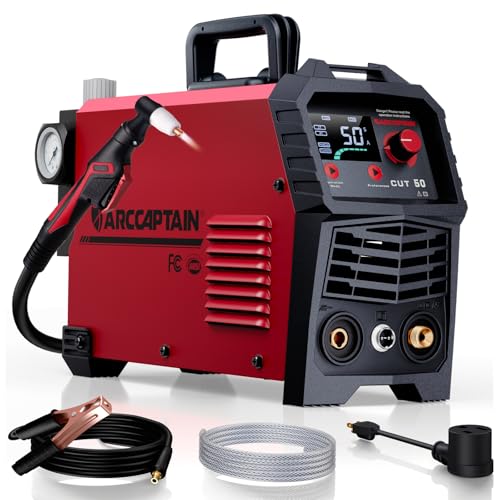
【Powerful Cutting Ability】Switch effortlessly between 110V and 220V for home or workshop use. Achieve professional 1/2" clean cuts on steel, aluminum, and copper with advanced LGBT technology. Perfect for DIY projects and heavy-duty tasks. Recommended maximum cutting thickness: 12mm @ 35A / 110V / 55 PSl; 18mm @ 50A / 220V / 75 PSI. Note: Requires compressed air (compressor sold separately).
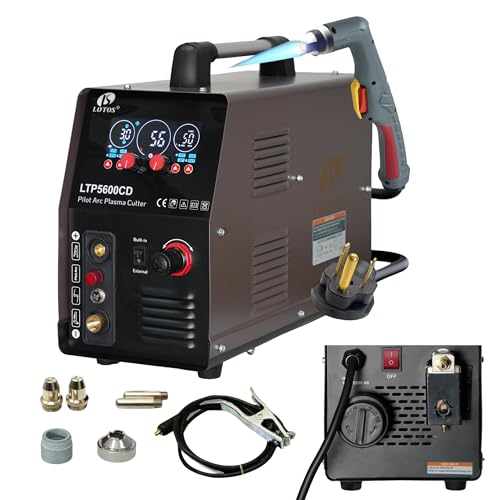
Drag-Cut Tracking for Shaky Hands (HVAC/Art): Rest and glide the torch nozzle directly on thin sheet metal templates or straightedges. Erases hand fatigue while ensuring exceptionally straight lines and smooth curves for custom ducts, stencils, and signmaking.

BUILT-IN AIR COMPRESSOR: With this plasma cutter machine, you're ready to cut as soon as you connect it to a power source, no additional air compressor needed. Designed for effortless outdoor work, it also offers compatibility with external compressors for versatile use
Top Features to Look For in All-in-One Plasma Cutters
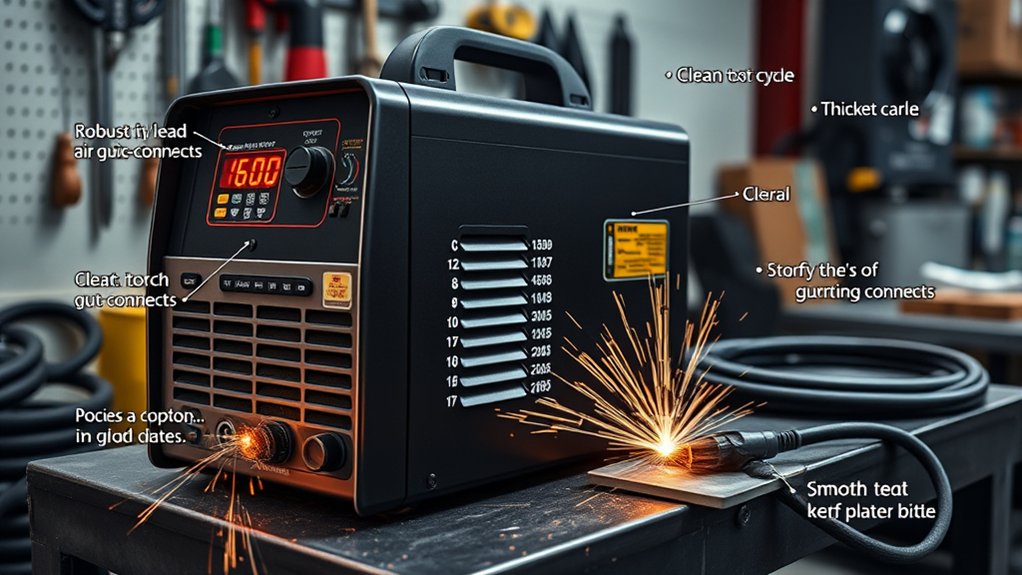
When you compare all-in-one plasma cutters, start with airflow. The onboard compressor must deliver enough air volume and pressure while the torch cuts, not only at idle.
Next, check continuous pilot arc technology. This feature helps you cut through rust, paint, mesh, and gaps without restarting the arc as often.
Also look for rapid re-strike, clean air control, thermal protection, and easy consumable access. These details affect cut quality, downtime, and long-term cost.
Compressor Air Output
Compressor air output affects arc stability, cut speed, duty cycle, and consumable life. Always compare delivered airflow at operating pressure, not only peak pressure claims.
For an air plasma cutter with an internal compressor, confirm that the unit can support the torch’s required standard cubic feet per minute (SCFM) at the rated pressure. Weak airflow can cause dross, a wider kerf, nozzle wear, and rough cut edges.
Many plasma systems need steady air in the 90 to 120 pounds per square inch (PSI) range, but each model has its own requirement. Use the manufacturer’s manual as the final standard before you cut.
Favor systems with efficient air paths, moisture control, and low-air protection. A water separator, such as the one found on some Tomahawk 30 Air configurations, helps protect cut quality when humidity rises.
Pro tip: Test cuts on scrap from the same material before you start your final workpiece.
Pilot Arc Technology
Pilot arc technology helps the torch start and stay active on uneven or dirty material. It matters most when you cut painted steel, rusty stock, expanded metal, or sections with small gaps.
A continuous pilot arc reduces the need to retrigger the torch. That can save time, limit consumable stress, and help you keep a smoother travel speed.
Look for these pilot arc benefits when you compare models:
- Arc bridging: The arc stays active across perforations, mesh, and short gaps.
- Fewer interruptions: Fewer restarts help improve cut consistency.
- Adjustable amperage: Output control lets you match the cut to material thickness.
- Stable air support: Clean airflow helps the pilot arc start and stay steady.
Best Models: Powermax30 Air, Tomahawk 30 AIR, and Hobart AirForce 12ci
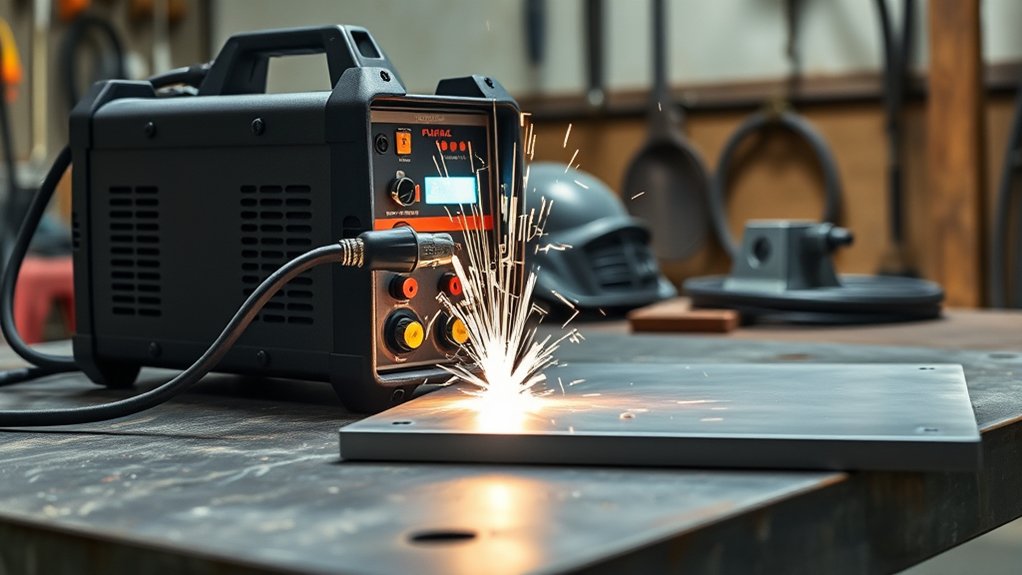
The Powermax30 Air, Lincoln Tomahawk 30 AIR, and Hobart AirForce 12ci all use onboard air, but they serve different users. Your best choice depends on cut capacity, portability, duty cycle, and budget.
Use the table below as a quick comparison before you review the detailed sections.
| Model | Best Fit | Key Strength | Main Limitation |
|---|---|---|---|
| Powermax30 Air | Users who want strong cut quality in a compact unit | Stable arc and strong performance for its size | Premium price compared with lighter-duty units |
| Tomahawk 30 AIR | Mobile users who cut rusty or painted material | Pilot arc performance and onboard air convenience | Net value depends on current pricing and rebates |
| Hobart AirForce 12ci | Light repair, hobby use, and thin metal | Simple setup and easy transport | Lower capacity than larger 30-amp units |
Products Worth Considering

COMPLETE BUILT-IN AIR SYSTEM: Equipped with an integrated high-performance air pump, this plasma cutter eliminates the need for an external air compressor—simply plug into power and start cutting with no extra equipment or complicated setup required
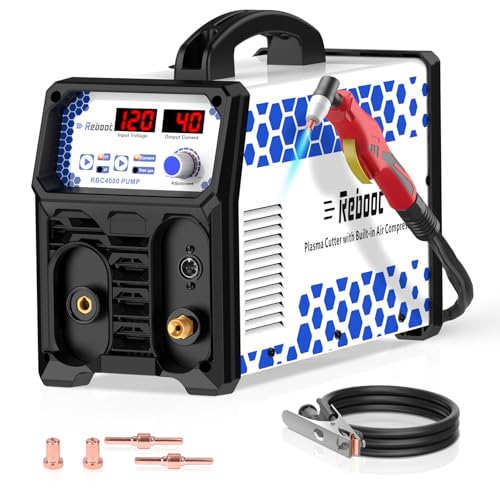
𝐁𝐔𝐈𝐋𝐓-𝐈𝐍 𝐀𝐈𝐑 𝐂𝐎𝐌𝐏𝐑𝐄𝐒𝐒𝐎𝐑, 𝐙𝐄𝐑𝐎 𝐄𝐗𝐓𝐄𝐑𝐍𝐀𝐋 𝐔𝐍𝐈𝐓𝐒 𝐍𝐄𝐄𝐃𝐄𝐃: Integrated high-efficiency air pump eliminates the need for separate air compressors. Start cutting immediately with simplified setup (Recommended for use 50A+ breaker)

【Built in Air Compressor Save Costs & Space】:Complete Built in AIR SYSTEM,Zero External Units Needed,Integrated high-efficiency air pump eliminates the need for separate air compressors. Reduces equipment investment and maintenance by removing standalone compressors. Maximizes workshop space utilization,simply plug into power and start cutting with no extra equipment or complicated setup required.
Cutting Performance Comparison
The Powermax30 Air often leads this group for cut quality and capacity. It can handle thicker mild steel than smaller integrated-air units when you match settings, travel speed, and consumables correctly.
You can expect cleaner kerfs, faster travel, and less cleanup when the machine has enough air and amperage for the material. This matters most on thicker mild steel, where weak airflow quickly shows up as dross and bevel.
- Powermax30 Air: Best fit for users who want strong performance, good edge quality, and reliable cutting in a compact package.
- Tomahawk 30 AIR: Best fit for users who value pilot arc starts on rusty, painted, or uneven metal.
- Hobart AirForce 12ci: Best fit for thin metal, light repair, and users who need simple portability.
- User trend: Buyers often favor stronger air delivery when they need cleaner cuts and fewer interruptions.
Portability and Ergonomics
All three integrated-air models focus on low-setup operation. They reduce the number of tools, cords, and hoses you need to move before you cut.
The Powermax30 Air has a compact frame that suits mobile work. The Tomahawk 30 AIR’s built-in compressor removes the need for external air lines, which helps in field repairs.
The Hobart AirForce 12ci uses a lightweight chassis and onboard compressor for quick setup. It works best when you value ease of use more than heavy cutting capacity.
Torch comfort matters on every model. Balanced leads, a comfortable grip, and a clear view of the cut line help you keep a steady hand.
Pricing, Rebates, Value
Pricing changes often, so compare current street prices before you buy. Your final cost may include the base unit, tax, shipping, consumables, protective gear, and any rebate forms.
Some integrated-compressor plasma cutters start near the lower end of the professional compact range, while premium models cost more. Discounts and free shipping can change the final value.
- Powermax30 Air: Premium pricing can make sense if you value cut quality, reliability, and strong support.
- Tomahawk 30 AIR: Manufacturer rebates can improve value when they apply and when you submit forms on time.
- Hobart AirForce 12ci: Entry-level pricing may suit light work, but lower capacity can limit throughput.
- Total value stack: Compare base price, discounts, rebates, tax, shipping, consumables, and warranty coverage.
Real-World Performance: Air Output and Cutting Quality
A plasma cutter needs both amperage and air. If air delivery drops during a cut, the arc can become unstable even when the machine has enough electrical output.
Verify rated SCFM at cutting pressure and check duty-cycle performance. Consistent air under load helps improve kerf straightness, reduce bevel, and lower cleanup time.
Air quality also affects the cut. Moisture and oil can disturb the plasma stream, shorten consumable life, and create rougher edges.
Support and parts availability matter more than many buyers expect. Filters, electrodes, nozzles, and shields keep the system working, so choose a unit with parts you can replace without delays.
Models with stronger air delivery tend to produce more consistent results. Underpowered air systems can starve the torch, which may cause arc dropouts, dross, and slag adhesion.
Continuous pilot arc technology helps when you cut paint, mill scale, rust, or expanded metal. It reduces the number of restarts that can distort the cut line.
The Lincoln Tomahawk 30 Air’s internal water separator helps reduce moisture in the air stream. Cleaner air helps preserve cut quality and consumable life.
Pricing, Discounts, and Rebate Opportunities
Air delivery shapes cut quality, but budget often decides which model you can justify. Compare the delivered cost, not only the advertised price.
Integrated-compressor plasma cutters can qualify for discounts, free shipping, or manufacturer rebates. Always confirm the terms before you count a rebate as savings.
Compare total cost by adding the machine, shipping, tax, consumables, PPE, and any confirmed service needs.
- Baseline cost: Compare each unit against your required duty cycle, material thickness, and cut quality needs.
- Instant discounts: Deduct only discounts that apply at checkout and appear on the invoice.
- Rebates: Review deadlines, proof-of-purchase rules, and product eligibility before you buy.
- Landed cost: Add shipping, tax, consumables, and accessories before you compare final value.
Essential Safety Gear and Accessories
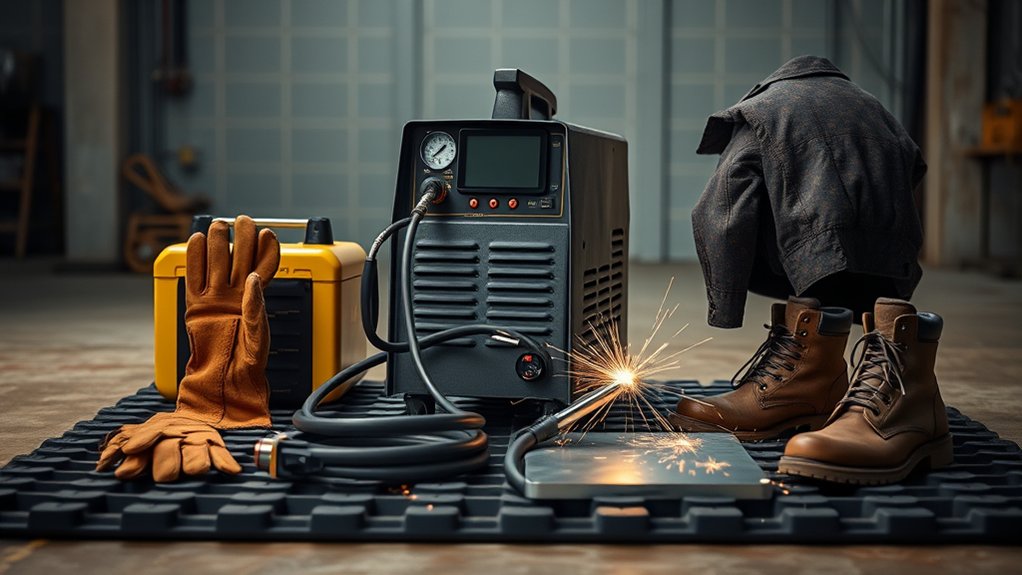
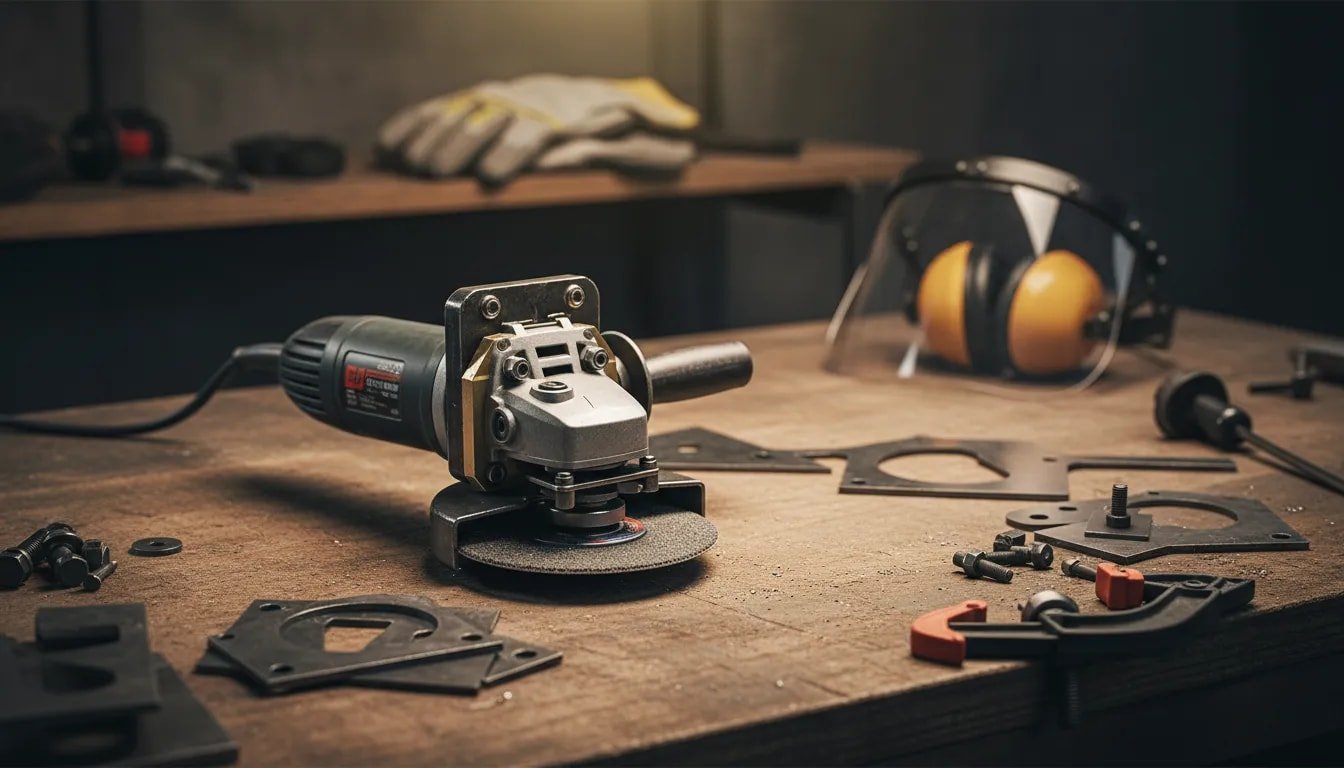
Plasma cutters with onboard compressors reduce setup, but they don’t reduce the need for personal protective equipment (PPE). You still need protection from heat, sparks, ultraviolet and infrared light, impact, fumes, and noise.
Start with hand protection. Leather work gloves help shield your hands from radiant heat, sharp edges, and minor sparks while still allowing torch control.
Protect your eyes and face with safety glasses and a plasma-cutting face shield or helmet rated for the work. Eye protection should meet the relevant American National Standards Institute (ANSI) impact standard.
Use hearing protection when cutting noise reaches unsafe levels. Earmuffs or earplugs can help reduce exposure during longer sessions.
Fire-resistant sleeves, a welding jacket, or flame-resistant clothing help protect your arms and torso from sparks and hot slag. A high-visibility vest can also help in shared work areas with moving equipment.
Warning: Keep flammable material away from the cut area before you strike an arc.
Inspect PPE before each use. Replace damaged lenses, torn gloves, worn sleeves, and contaminated clothing before they fail during a cut.
Tips for Maximizing Portability and Consumable Life
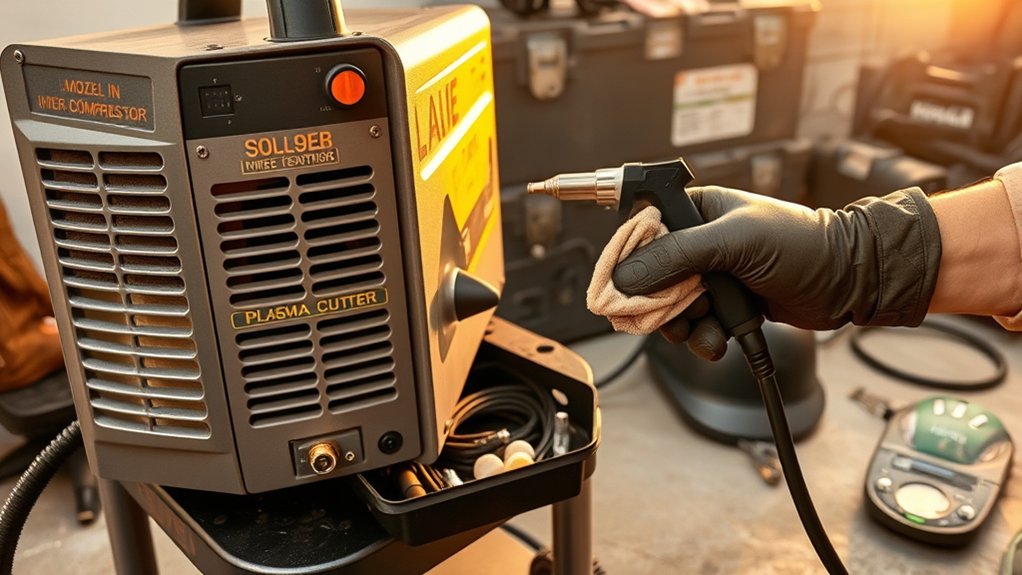
Portability helps you get to the work faster, but clean air and sound technique keep the machine working well. Manage airflow, duty cycle, and contamination each time you cut.
Protect consumables by matching amperage, air pressure, standoff, and travel speed to the material.
Use these habits to improve cut quality and reduce wear:
- Use a steady grip and balanced torch lead to control standoff and travel speed.
- Purge the torch before cutting when your machine supports purge control.
- Use the lowest amperage that still gives full penetration for the material.
- Service the internal water separator on schedule and keep the air path clean.
- Store the unit under a cover in a dry area when you finish cutting.
Don’t push the duty cycle past the manufacturer’s rating. Let the machine cool when it needs a break, especially in hot or humid conditions.
Frequently Asked Questions
How Loud Are Built-In Compressor Plasma Cutters During Operation?
Built-in compressor plasma cutters can produce enough noise to require hearing protection, especially during compressor cycling and cutting. Check the manual for the model’s stated sound level, then use hearing protection if your work area feels loud or you cut for long periods.
Can I Connect an External Compressor if Needed?
You can connect an external compressor only if the specific unit supports it. Check the manual for the required fitting, pressure range, airflow, and any bypass instructions before you attach outside air.
What Maintenance Schedule Do Integrated Compressors Require?
Most integrated compressors need regular filter checks, moisture draining, air path inspection, and leak checks. Follow the manufacturer’s schedule because service intervals vary by model, humidity, and use.
How Do Ambient Temperature and Humidity Affect Performance?
Heat and humidity can reduce performance because hot air and moisture make the compressor work harder. Drain moisture, keep filters clean, and allow cooling breaks when conditions raise the machine’s temperature.
Are Built-In Units Compatible With Generators and Inverter Power?
Many built-in compressor plasma cutters can run on generator power, but only when the generator supplies clean, stable output and enough surge capacity. Check voltage, wattage, grounding, and total harmonic distortion requirements before you plug in.
What Thickness Can a Built-In Compressor Plasma Cutter Cut?
Cut thickness depends on the model, amperage, air delivery, material type, and travel speed. Use the manufacturer’s recommended cut rating for routine work and treat severance ratings as a maximum, not a clean-cut target.
Is a Built-In Compressor Plasma Cutter Better Than a Separate Air Compressor Setup?
A built-in compressor model works better when portability and quick setup matter most. A separate compressor setup usually makes more sense when you need longer duty cycles, higher airflow, and heavier cutting capacity.
Conclusion
A plasma cutter with a built-in compressor gives you the most value when you need clean, portable cutting without a separate air system. Choose a model with enough airflow, a verified duty cycle, dry air control, and the right cut capacity for your material.
Before you buy, compare total cost instead of price alone. Include consumables, PPE, shipping, rebates, and service parts in your decision.
With the right setup and steady maintenance, your all-in-one plasma cutter can stay portable, precise, and ready for the next cut.
References
- Powermax30 AIR product information — Hypertherm
- Tomahawk 30 AIR product information — Lincoln Electric
- AirForce 12ci product information — Hobart Welders
- Personal Protective Equipment — Occupational Safety and Health Administration
- Occupational Noise Exposure — Occupational Safety and Health Administration