Wrong air pressure can ruin a plasma cut before the torch moves an inch. Low pressure starves the arc, while high pressure spreads the arc and burns through consumables faster. Most plasma cutters need 70–80 PSI of clean, dry air, but you should always set your machine to the maker’s spec and confirm pressure while cutting.
Quick Answer
Most handheld plasma cutters run best at 70–80 PSI, while larger systems may need about 115 PSI or more. Set static pressure to the manufacturer’s spec, then check dynamic pressure while the torch is flowing or cutting.
Key Takeaways
- Use the pressure range listed in your plasma cutter manual before you fine-tune the cut.
- Check pressure while air flows, not only when the machine sits idle.
- Keep your air clean and dry to protect the arc, torch, and consumables.
- Lower pressure can cause weak penetration, dross, and unstable starts.
- Higher pressure can widen the kerf, increase bevel, and wear nozzles faster.
What Air Pressure Does a Plasma Cutter Need?
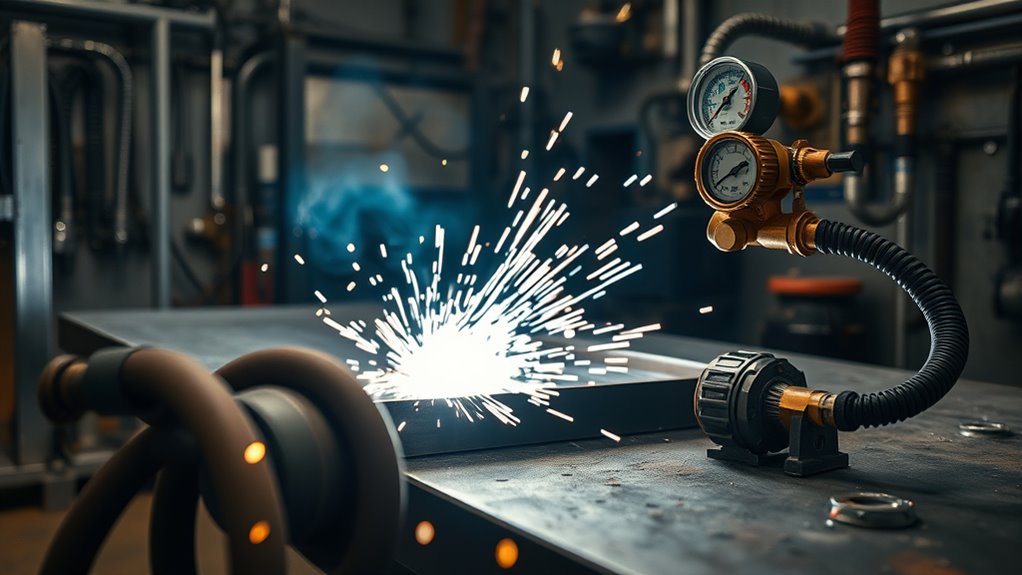
A plasma cutter usually performs best at 70–80 PSI (4.8–5.5 bar), though the exact number depends on the model, torch, nozzle, and cut type. You need enough air pressure to hold a stable arc and clear molten metal from the kerf.
Handheld plasma cutter units often run near 80 PSI. Larger systems can need about 115 PSI or more, based on torch design and material thickness.
If air pressure drops below spec, you may see incomplete cuts, heavy dross, and arc instability. If pressure rises too high, kerf width can increase, beveling can get worse, and consumables can wear faster.
You should match compressor output to your plasma cutter and material thickness, not guess. Also, make sure your plasma cutter runs on a dedicated circuit when the manual requires one, so voltage drops do not hurt performance.
How to Set Plasma Cutter Air Pressure
To set plasma cutter air pressure, start with the manufacturer’s recommended static pressure. Most handheld units call for 70–80 PSI, while larger systems often need a higher setting.
Next, confirm dynamic pressure while air flows through the torch. Tank pressure alone can mislead you because hoses, filters, fittings, and regulators can all cause pressure drop.
- Check the pressure at the machine or torch inlet when possible.
- Use clean, dry air that meets the cutter’s flow requirements.
- Inspect hoses and fittings for leaks before you cut.
- Retest pressure after you change tips, nozzles, or material thickness.
While cutting, watch kerf width and dross. Trim pressure only within the range your machine allows, then test again until the arc stays stable and narrow.
Pro tip: Check pressure with air flowing because static pressure often reads higher than pressure under load.
Maintaining adequate flow helps prevent arc instability, sputtering, and rough cut edges.
Products Worth Considering
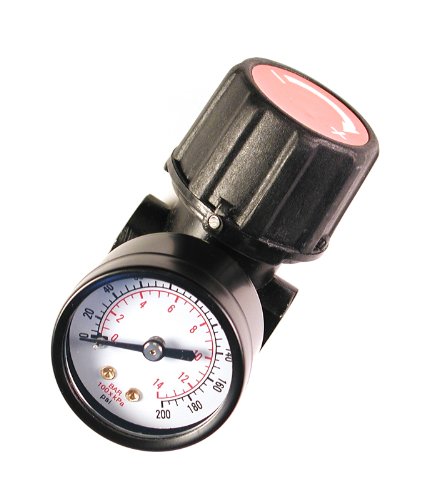
Air regulator for precisely regulating and maintaining constant air pressure

PLEASE NOTE: 3/8" NPT MEASURES 0.675" OUTSIDE THREAD DIAMETER IN INCHES. 3/8", Mid Flow Regulator For Pneumatic Air Tools On Compressed Air Lines.

[Precise Airbrush Airflow Control] Designed specifically for airbrush applications. The adjustable regulator knob allows you to fine-tune airflow from 0 to 140 PSI, ensuring stable pressure for detailed airbrush painting and model making. (Note: Pull knob up to adjust, push down to lock).
Why Low Air Pressure Hurts Cut Quality
When air pressure drops too low, the arc can lose focus and become unstable. You may notice flicker at starts, corners, and pierce points.
Low air pressure makes the arc unstable, causing flicker at starts and corners and degrading cut quality.
With low air pressure, the jet may not clear molten metal from the kerf. That can leave incomplete cuts, heavy dross, and a dragging trail behind the torch.
- Poor penetration leaves sections partly attached.
- Excess heat can widen the heat-affected zone.
- Dross buildup forces more grinding after the cut.
- Arc flicker can leave rough striations along the edge.
You may also see more undercutting and a rougher finish when you cut thicker stock. For example, cutting 10 mm mild steel at 55 PSI can leave visible defects if your machine requires a higher pressure.
Keep pressure in the recommended range so you can cut cleanly and protect edge quality. Proper zinc removal techniques can also improve results when you cut galvanized steel.
What Happens When Air Pressure Is Too High?
If you run too much air pressure through a plasma cutter, the arc can get broad and noisy. That wider arc can increase kerf width and reduce cut accuracy.
In plasma cutting, excess compressed air can push the arc off its ideal shape. You may see larger bevel angles, especially on thicker stock.
High velocity can also make arc starts less stable, so pierces and re-strikes may wander. That turbulence can increase wear on nozzles and electrodes, which raises operating costs.
On 6 mm stainless steel, pressure near 95 PSI may leave angled edges and shorten nozzle life if that setting sits above your torch’s range. Keeping pressure within the torch’s specified range also helps manage the heat-affected zone (HAZ).
Warning: Do not raise air pressure beyond the cutter’s rated range to force a cut through thicker metal.
Match pressure to the job so you can keep the kerf narrow, reduce wasted material, and protect your torch parts.
Why Dry, Clean Air Matters
Dry, clean air helps keep the plasma arc stable because moisture, oil, and debris can disrupt the arc. Clean air also helps your torch maintain steady ignition and consistent penetration.
Dry, clean air keeps plasma arcs stable, improves cut quality, and extends consumable life.
When water enters the air stream, you may see sputtering, porous edges, and weak cut quality. Oil and debris can also shorten the life of nozzles and electrodes.
- Use a coalescing filter with automatic drains to remove water, oil, and particles.
- Add a refrigerated air dryer in humid shops when filters cannot keep up.
- Drain the compressor tank often to reduce moisture in the line.
- Check pressure and filtration before every plasma cutting job.
Clean, filtered air helps your torch cut sharper edges and reduces downtime. Maintaining a clean workspace also supports better performance and safer cutting.
How Much Compressor Capacity Does a Plasma Cutter Need?
Pressure tells you how hard the air pushes, but cubic feet per minute (CFM) tells you how much air the cutter receives. Your compressor must meet both ratings.
Many plasma cutters need about 4–8 CFM, but larger machines can require more. Check your manual, then choose a compressor that can supply at least 1.5 times the cutter’s listed CFM.
A 30-gallon compressor can run many small plasma cutters if it meets the required PSI and CFM. If the compressor cycles too often or pressure drops during long cuts, you need more air capacity.
Products Worth Considering

Desiccant Air Dryer System: Engineered with a compressor desiccant air filter dryer system that effectively traps water vapor, oil aerosols, and dirt particles from the air supply. This unit functions as a reliable air line dryer, helping to prevent moisture-related damage to pneumatic tools and ensuring smoother operation for workshop projects.

Pipe size is 1/4 NPT, Nominal airflow is 45 CFM, filtration rating is .01 micron and the maximum pressure is 125 psi
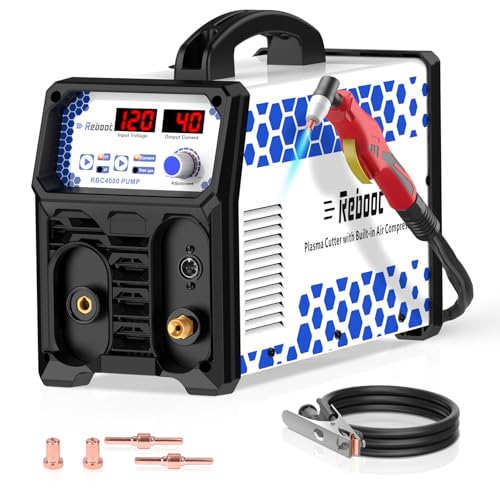
𝐁𝐔𝐈𝐋𝐓-𝐈𝐍 𝐀𝐈𝐑 𝐂𝐎𝐌𝐏𝐑𝐄𝐒𝐒𝐎𝐑, 𝐙𝐄𝐑𝐎 𝐄𝐗𝐓𝐄𝐑𝐍𝐀𝐋 𝐔𝐍𝐈𝐓𝐒 𝐍𝐄𝐄𝐃𝐄𝐃: Integrated high-efficiency air pump eliminates the need for separate air compressors. Start cutting immediately with simplified setup (Recommended for use 50A+ breaker)
Common Air Pressure Mistakes to Avoid
Many cutting problems start with small setup mistakes. Before you blame the torch or consumables, check the full air path.
- Setting pressure at the tank instead of the cutter inlet.
- Ignoring pressure drop through long or narrow hoses.
- Using wet shop air without a filter or dryer.
- Cutting with worn tips that need replacement.
- Changing material thickness without retesting pressure.
Fix these basics first. You’ll often improve cut quality without changing amperage, speed, or consumables.
Frequently Asked Questions
What PSI should I run my plasma cutter at?
Run most handheld plasma cutters at 70–80 PSI unless your manual lists a different range. Then fine-tune within the rated range by checking kerf width, dross, arc stability, and edge quality.
Will a 30-gallon air compressor run a plasma cutter?
Yes, a 30-gallon air compressor can run many plasma cutters if it meets the machine’s PSI and CFM requirements. Tank size helps, but steady air delivery matters more than tank volume alone.
How big of an air compressor is needed for a plasma cutter?
You need a compressor that supplies the cutter’s required CFM at the required PSI. A good target is at least 1.5 times the cutter’s CFM rating, especially if you make long cuts.
How much air is needed for plasma cutting?
You need steady air, usually within a 70–115 PSI range, depending on the plasma cutter. Match compressor flow to the machine, because weak airflow can cause dross, sputtering, and poor penetration.
Should you adjust air pressure for thicker metal?
You may need to adjust pressure when you change material thickness, but only within the range the manufacturer allows. Thicker metal often needs the correct mix of amperage, travel speed, torch height, and airflow.
Safety Disclaimer: Plasma cutting can expose you to heat, sparks, fumes, electric shock, and compressed-air hazards. Follow your machine manual, wear proper personal protective equipment, and get qualified help if you are unsure about setup or safety.
Conclusion
The right plasma cutter air pressure gives you a stable arc, cleaner edges, and longer consumable life. Start with the pressure and CFM listed in your manual, then verify air pressure while the torch is flowing.
Keep your air dry, clean, and steady before every cut. When you control pressure instead of guessing, you get sharper cuts and spend less time fixing avoidable defects.