Disclosure: As an Amazon Associate, we earn from qualifying purchases. If you click a link on this page and make a purchase, we may receive a small commission at no extra cost to you.
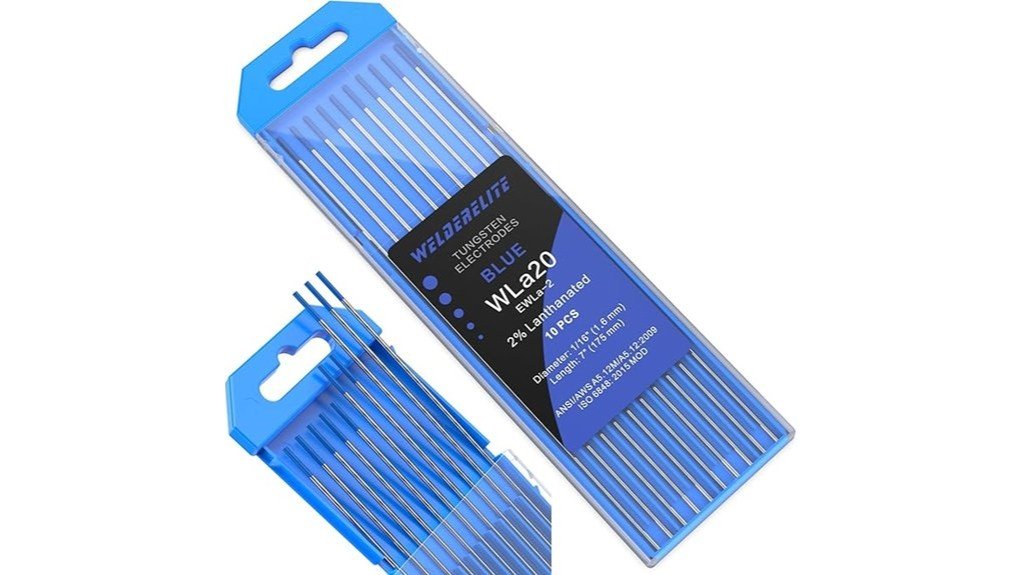
Choosing the right tungsten electrode matters when you want clean TIG starts, stable arc control, and less time lost to tip wear. This 2% lanthanated TIG welding tungsten electrode 10 pack is built for welders who need 1/16 in x 7 in blue tungsten electrodes for AC and DC TIG work. It is best suited for buyers who want a versatile electrode for aluminum alloys, stainless steel, and other common TIG materials. The main strength is easy arc starting and low burn-off, while the main limitation is that you still need the right grinder, collet size, machine setup, and shielding gas control to get the best results.
Quick Verdict
Rating: 8.2/10, Recommended with caveats
Best For: TIG welders who want 2% lanthanated 1/16 in electrodes for mixed AC and DC welding jobs.
Bottom Line: This 10 pack is a practical choice if you want blue 2% lanthanated tungsten that can handle aluminum and stainless TIG work. Skip it if you need a different electrode diameter, a brand-verified technical data sheet, or a specialty tungsten type for a very narrow welding process.
| Specification | Detail |
|---|---|
| Product type | TIG welding tungsten electrodes |
| Electrode type | 2% lanthanated tungsten |
| Color identification | Blue |
| Size | 1/16 in x 7 in, also listed as 1.6 mm x 175 mm |
| Count | 10 electrodes |
| Power compatibility | AC and DC TIG welding applications |
| Common materials | Aluminum alloys, stainless steel, and other TIG-weldable metals |
| Listed standard | AWS A5.12M/A5.12:2009, as stated in the source article |
| Packaging note | Packaged for storage and transport protection |
| Best use | General TIG welding where a 1/16 in 2% lanthanated electrode is the correct fit |
What Is the 2% Lanthanated TIG Welding Tungsten Electrode 10 Pack?
This product is a 10 pack of blue 2% lanthanated tungsten electrodes for TIG welding. Each electrode measures 1/16 in x 7 in, or 1.6 mm x 175 mm. That size makes the pack useful for welders whose torch setup, collet, and amperage range match 1/16 in tungsten.
Lanthanated tungsten is popular because it can work on both AC and DC power sources. That gives you more flexibility when you move between aluminum, stainless steel, and other TIG welding tasks. The source article also highlights quick arc striking, low burn-off, and strong amperage tolerance as the main reasons to consider this pack.
This is not a complete TIG setup by itself. You still need a compatible TIG torch, the right collet size, shielding gas, clean base metal, proper filler rod when needed, and a safe welding area. The electrodes can help with arc control, but they cannot fix poor preparation or an incorrect machine setting.
Key Takeaways
- The pack includes 10 blue 2% lanthanated tungsten electrodes.
- Each electrode is listed as 1/16 in x 7 in, or 1.6 mm x 175 mm.
- The electrodes are designed for both AC and DC TIG welding applications.
- They are a good match for welders who want quick arc starts and low burn-off.
- The source article lists compatibility with aluminum alloys, stainless steel, and other TIG-weldable materials.
- Proper grinding, storage, amperage control, and shielding gas coverage still matter.
Who Should Buy It?
Best For
- TIG welders who use 1/16 in tungsten electrodes in their torch setup.
- Users who switch between AC and DC TIG welding projects.
- Buyers who want a small 10 pack for shop use, practice, repair work, or backup stock.
Skip If
- Your torch, collet, or welding setup requires a different tungsten diameter.
- You need a fully verified brand data sheet before buying consumables.
- You want a tungsten type made for a specific process that does not call for 2% lanthanated electrodes.
Before You Buy: Confirm that 1/16 in tungsten fits your TIG torch collet and the amperage range you plan to use. A good electrode can still perform poorly if the diameter, grind angle, polarity, or shielding gas setup is wrong.
Performance Features and Benefits
Arc Starting and Stability
The main benefit of these 2% lanthanated tungsten electrodes is quick arc striking. A cleaner start helps you spend less time fighting the arc and more time controlling the weld puddle. That can be useful when you are learning TIG or when you need repeatable starts on small repair jobs.
Arc stability also depends on how you prepare the electrode. A clean, lengthwise grind and a consistent tip shape can help the arc track better. If the electrode is contaminated by touching the puddle or filler rod, you should stop and regrind it before continuing.
Low Burn-Off and Durability
The source article highlights low burn-off as a key advantage. Lower burn-off can help the electrode keep its shape longer during normal welding sessions. That means fewer interruptions for regrinding when your amperage, shielding gas, and torch angle are set correctly.
Durability still has limits. Running too much amperage for a 1/16 in tungsten, using poor gas coverage, or welding on dirty material can shorten electrode life. These electrodes are best viewed as reliable consumables, not as a way to ignore setup basics.
AC and DC Compatibility
One of the strongest buying points is AC and DC compatibility. AC support matters for many aluminum TIG setups, while DC support is common for stainless steel and many other metals. That flexibility makes this pack more useful than a narrow-purpose tungsten type.
If you weld only one material every day, you may still want to compare tungsten types for your exact process. If you want one versatile option for mixed TIG work, blue 2% lanthanated tungsten is a practical choice.
Size and Torch Fit
The listed size is 1/16 in x 7 in, or 1.6 mm x 175 mm. The 7 in length is common for TIG tungsten electrodes, while the 1/16 in diameter must match your collet and job requirements. For thin material and lower amperage work, this diameter can be useful, but it is not the right size for every job.
Before buying, check your torch consumables and your welder manual. If your setup calls for 3/32 in or 1/8 in tungsten, this 1/16 in pack may not be the correct choice.
Packaging and Storage Solutions
The source article notes that the electrodes are securely packaged to help prevent damage during transport and storage. That matters because bent, chipped, or contaminated tungsten can make TIG welding more frustrating. Keeping electrodes organized also helps you avoid mixing tungsten types in the shop.
Store these electrodes in their original packaging when possible. A cool, dry location is best because moisture, dust, and grinding debris can affect welding cleanliness. The blue color marking also helps you identify the 2% lanthanated type quickly when you have other tungsten types nearby.
Pro Tip: Keep one small container for clean tungsten and another for used or contaminated tungsten. That simple habit saves time because you always know which electrodes are ready to grind and which are ready to weld.
Technical Specifications and Compatibility
These electrodes are listed as 2% lanthanated tungsten and are identified by their blue color. The article also lists AWS A5.12M/A5.12:2009 compliance. That standard reference is useful for buyers who compare welding consumables by classification, but you should still check the product listing and package details before purchasing.
The electrodes are designed for TIG welding with both AC and DC power sources. In practical terms, that makes them suitable for many aluminum and stainless steel tasks when your machine, torch, shielding gas, and filler metal are also correct. The electrode is only one part of the full welding setup.
How It Performs in Real Use
For Aluminum TIG Work
For aluminum, AC compatibility is the key benefit. A 2% lanthanated electrode can be useful when you want stable arc behavior and clean starts on aluminum alloys. You still need proper cleaning, correct polarity settings, and good shielding gas coverage to avoid contamination.
For Stainless Steel Projects
For stainless steel, DC TIG work often rewards a stable, sharp tungsten tip. These electrodes can help you maintain a focused arc when the 1/16 in diameter matches your material thickness and amperage. If the tip becomes contaminated, regrinding is usually better than trying to weld through the problem.
For Practice and Shop Backup
A 10 pack gives you enough electrodes for practice, setup testing, and backup use. That is useful if you are still learning how tip angle, arc length, and amperage affect weld quality. It also helps when you want spare tungsten on hand instead of stopping a job to reorder consumables.
For Longer Welding Sessions
Low burn-off can reduce how often you stop to regrind, especially when your machine settings are within the electrode’s useful range. For longer sessions, keep extra prepared electrodes nearby. Swapping to a fresh tungsten is often faster than stopping to grind during every interruption.
How to Use It Correctly
Start by confirming that your torch uses a 1/16 in collet and that your TIG machine settings match the material you are welding. Grind the tungsten lengthwise, not around the electrode, so the arc has a cleaner path. Use a dedicated grinder or a clean grinding wheel when possible to reduce contamination.
Keep your arc length short and steady, but avoid dipping the electrode into the weld puddle. If you touch the filler rod or puddle with the tungsten, stop and regrind the tip. Welding with a contaminated electrode can cause wandering arc behavior and poor weld appearance.
Storage is also part of correct use. Keep unused electrodes dry, clean, and separated by type. Blue 2% lanthanated tungsten can look similar to other electrodes once the markings wear down, so a labeled storage tube can prevent mix-ups.
Compatibility and Safety Notes
TIG welding uses heat, electricity, ultraviolet light, shielding gas, and sharp tungsten tips, so you should follow your welder manual and shop safety rules. Wear a proper welding helmet, gloves, protective clothing, and eye protection when grinding tungsten. Use ventilation suitable for your material and workspace.
Do not assume one tungsten electrode type is best for every welding job. Material thickness, amperage, polarity, filler rod, gas flow, and torch angle all affect the result. If you are welding critical parts, structural components, pressure vessels, or safety-related assemblies, follow the required welding procedure and get qualified guidance.
Pros and Cons
Pros
- 2% lanthanated composition supports versatile TIG use.
- Works with both AC and DC applications when your setup is compatible.
- 1/16 in x 7 in size is useful for welders who run 1.6 mm tungsten.
- Quick arc striking can make starts easier and more consistent.
- 10 pack gives you spares for practice, shop use, and replacement.
Cons
- Not useful if your torch setup requires a different tungsten diameter.
- Brand and manufacturer details were not stated in the source article.
- Performance still depends on grinding, gas coverage, amperage, and clean base metal.
Is It Worth the Price?
This pack can be a strong value for the price if you already know that 1/16 in 2% lanthanated tungsten matches your TIG setup. You get 10 electrodes, AC/DC flexibility, and a useful size for many lower-amperage TIG tasks. For practice, general repair, and backup shop stock, that combination makes sense.
The best value goes to buyers who want one versatile tungsten type instead of buying several specialty types at once. It is not the best fit if you need a different diameter, a known brand-specific technical sheet, or a larger bulk pack for daily production welding.
How It Compares to Alternatives
Compared with pure tungsten, 2% lanthanated tungsten is often chosen for broader AC and DC TIG use. Compared with thoriated tungsten, lanthanated tungsten avoids the common concern many welders have about thorium-based electrodes. Ceriated tungsten is another alternative worth comparing if you mainly weld at lower amperage.
This 10 pack makes the most sense if you want a simple, versatile blue tungsten option in 1/16 in diameter. If your work is highly specialized, choose the tungsten type and diameter required by your welding procedure rather than buying only by general popularity.
Customer Feedback and Warranty Information
The source article reports positive buyer feedback, especially around quick arc striking, low burn-off, secure packaging, and long-lasting use. Those are useful signs, but they should be treated as context rather than a substitute for checking the current Amazon listing before purchase.
| Feature | Buyer-Relevant Takeaway |
|---|---|
| Performance | Quick starts and low burn-off can reduce setup frustration. |
| Packaging | Secure storage helps protect electrodes before use. |
| Usability | AC/DC compatibility supports mixed TIG welding tasks. |
| Warranty or returns | Check the current Amazon listing for the active return window and seller terms. |
Frequently Asked Questions
What is 2% lanthanated tungsten best for?
It is best for TIG welders who want a versatile electrode for both AC and DC applications. The source article lists use with aluminum alloys, stainless steel, and other TIG-weldable materials.
Will these electrodes fit every TIG torch?
No. These electrodes are listed as 1/16 in diameter, so your torch must use a matching 1/16 in collet. Check your torch parts and welder manual before buying.
Can you use these tungsten electrodes for aluminum?
Yes, the article lists aluminum alloy compatibility and AC welding support. You still need proper cleaning, correct AC settings, and good shielding gas coverage for aluminum TIG work.
Can you use them for stainless steel?
Yes, the article lists stainless steel as a supported material. For stainless TIG welding, keep the tungsten clean, use the right DC setup, and avoid touching the electrode to the weld puddle.
How should you sharpen these tungsten electrodes?
Use a dedicated tungsten grinder or a clean grinding wheel, and grind lengthwise along the electrode. A smooth, consistent point helps keep the arc more focused.
How long will one tungsten electrode last?
Lifespan depends on amperage, material, shielding gas, torch angle, and how often the tungsten gets contaminated. Proper grinding and clean welding habits can help each electrode last longer.
Who should skip this 10 pack?
Skip it if your TIG torch requires a different diameter or if your welding procedure calls for another tungsten type. You may also want a different product if you need verified brand documentation before buying.
The Bottom Line
The 2% lanthanated TIG welding tungsten electrode 10 pack is worth considering if you need blue 1/16 in x 7 in electrodes for AC and DC TIG work. Its main strengths are versatility, quick arc striking, and low burn-off, while its main limitation is that fit and performance depend on your torch setup and welding settings. Skip it if you need another diameter, a specialty tungsten type, or brand-verified documentation before purchase.